Pumpkin seeds: don't throw them away: how to prepare them in just a few minutes and turn them into a crunchy, tasty snack
Wednesday 14 October 2026 10:00 - Daniele Mainieri
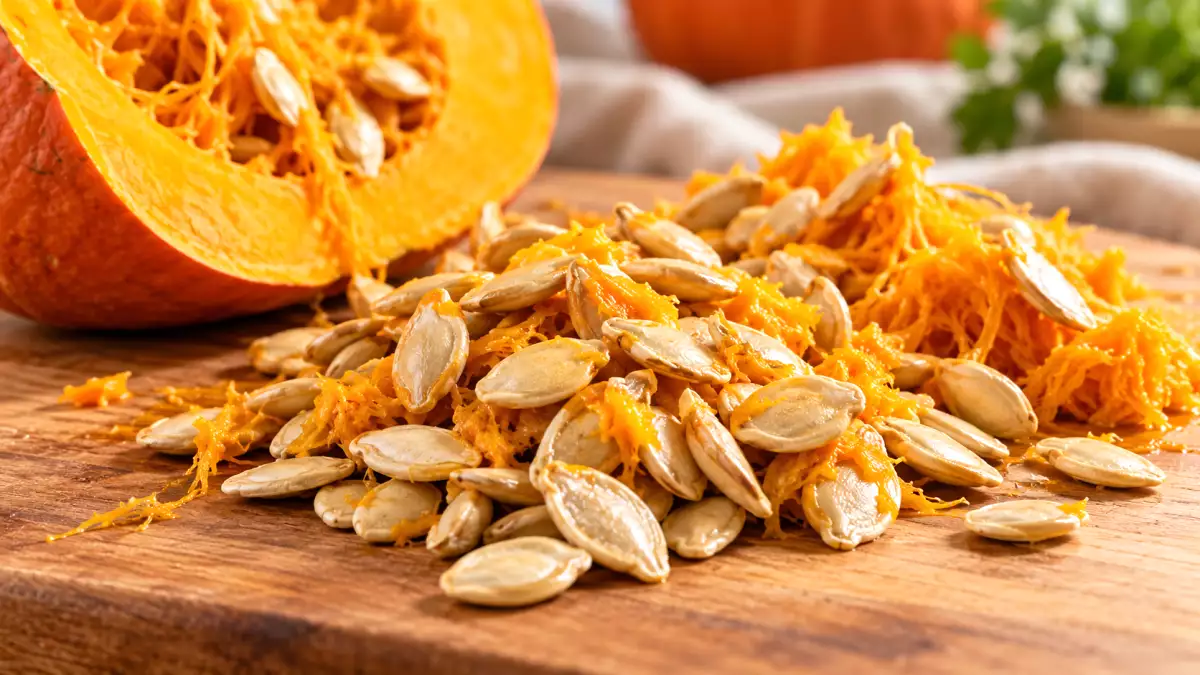
No complicated techniques are needed: just clean them thoroughly, dry them patiently, and toast them the right way. The result is simple, economical, and perfect for a kitchen that’s more mindful of waste. And let’s face it: munching on something homemade—made from something we were about to throw away—always gives a certain sense of satisfaction.
Why pumpkin seeds deserve a second life
Pumpkin seeds aren’t just leftovers from cooking—they’re an edible, nutritious, and very versatile part of the pumpkin. They contain plant-based protein, unsaturated fats, fiber, and minerals such as magnesium, phosphorus, iron, and zinc. This doesn’t turn them into a magic potion, but it does make them an interesting ingredient to incorporate into your daily diet with common sense.
Their main advantage is their convenience. Once roasted, they store easily and can be added to both sweet and savory dishes. Plus, saving the seeds means cooking more mindfully: less waste, more flavor, and a small, crunchy stash always on hand. If pumpkin is a frequent guest in your kitchen in the fall, throwing away the seeds is truly a missed opportunity.
Their main advantage is their convenience. Once roasted, they store easily and can be added to both sweet and savory dishes. Plus, saving the seeds means cooking more mindfully: less waste, more flavor, and a small, crunchy stash always on hand. If pumpkin is a frequent guest in your kitchen in the fall, throwing away the seeds is truly a missed opportunity.
How to clean pumpkin seeds without making things complicated
How do you clean pumpkin seeds? The process may seem tedious, but it’s easier than you think. After cutting open the pumpkin, scoop out the seeds with a spoon and place them in a bowl of cold water. Use your fingers to remove the orange strings and give them a stir: the pulp residue comes off more easily, and the seeds become easier to handle.
Once cleaned, drain them well and pat them dry with a dish towel. Drying is the key step: if the seeds remain too damp, they won’t become crispy in the oven. You can leave them on a clean towel for a few hours, or overnight if you want a drier, more even result.
Here are the steps to remember:
- collect the seeds as soon as you cut open the pumpkin;
- rinse them in cold water to remove the strings;
- drain them thoroughly;
- dry them very well before seasoning them;
- toast them only when they’re dry to the touch.
How to roast pumpkin seeds in the oven or in a pan
How do you roast pumpkin seeds? The easiest way is in the oven. Spread them out on a baking sheet in a single layer, add a drizzle of extra-virgin olive oil, a little salt, and, if you like, a spice. Bake them at 160–170°C for about 15–20 minutes, stirring halfway through. They should turn golden and fragrant, not dark: if they burn, they’ll taste bitter.
In a skillet, however, just a few minutes over medium-low heat will do. It’s a quick method, but it requires attention : stir often and don’t walk away for too long. For seasoning, you can experiment with sweet paprika, curry, rosemary, pepper, garlic powder, lemon zest, or a pinch of cinnamon for a more aromatic version. The key is not to overwhelm their natural flavor with too much salt or too many spices all at once.
In a skillet, however, just a few minutes over medium-low heat will do. It’s a quick method, but it requires attention : stir often and don’t walk away for too long. For seasoning, you can experiment with sweet paprika, curry, rosemary, pepper, garlic powder, lemon zest, or a pinch of cinnamon for a more aromatic version. The key is not to overwhelm their natural flavor with too much salt or too many spices all at once.
Can you eat them with the skin on?
Are pumpkin seeds eaten with the shell? Yes, when they’re thoroughly washed, dried, and toasted. The outer shell, however, has a coarser texture than the shelled seeds you buy ready-to-eat. That’s why the choice comes down to personal preference and also the type of pumpkin: some seeds are softer, while others are more fibrous.
If you like to munch on them, whole roasted seeds are perfect as a snack. If, on the other hand, you want to use them more delicately in cooking, you might prefer the hulled seeds or chop them coarsely. A practical approach is to try them plain first: if you like the texture, use them whole; if you find them too tough, save them for recipes where they’ll be chopped or blended.
If you like to munch on them, whole roasted seeds are perfect as a snack. If, on the other hand, you want to use them more delicately in cooking, you might prefer the hulled seeds or chop them coarsely. A practical approach is to try them plain first: if you like the texture, use them whole; if you find them too tough, save them for recipes where they’ll be chopped or blended.
Simple ideas for using them in the kitchen every day
Toasted pumpkin seeds are great on their own, but they really shine when added to dishes as a crunchy touch. On a smooth pumpkin soup, for example, they add contrast and make each spoonful more interesting. In an autumn salad with cabbage, apples, legumes, or fresh cheese, they add flavor and texture without requiring any elaborate preparation.
You can also use them in homemade bread, crackers, on roasted vegetables, in bowls with grains and legumes, or for breakfast with yogurt, fruit, and rolled oats. Chopped with fresh herbs, oil, and a little grated cheese, they also make an interesting base for a quick dressing, perfect for pasta, potatoes, or grilled vegetables.
The simplest tip is to keep a jar of them on hand: when a dish seems to be missing something, that something is often just a handful of crunch.
You can also use them in homemade bread, crackers, on roasted vegetables, in bowls with grains and legumes, or for breakfast with yogurt, fruit, and rolled oats. Chopped with fresh herbs, oil, and a little grated cheese, they also make an interesting base for a quick dressing, perfect for pasta, potatoes, or grilled vegetables.
The simplest tip is to keep a jar of them on hand: when a dish seems to be missing something, that something is often just a handful of crunch.
How many pumpkin seeds should you eat per day?
How many pumpkin seeds should you eat per day? A small handful—about 20–30 grams—is a practical amount to enjoy as a snack or as an addition to meals. They’re nutritious, but also high in calories, so it’s best to treat them as an ingredient to be measured out rather than an endless snack to munch on absentmindedly in front of an open pantry.
To incorporate them in a balanced way, you can add a tablespoon to soup, a sprinkle to a salad, or a handful to bread or focaccia dough. Those with specific dietary needs, allergies, digestive issues, or who are following specific medical advice should adjust the amounts to suit their individual circumstances. In general, the rule is simple: a little at a time, often, and as part of a varied diet.
To incorporate them in a balanced way, you can add a tablespoon to soup, a sprinkle to a salad, or a handful to bread or focaccia dough. Those with specific dietary needs, allergies, digestive issues, or who are following specific medical advice should adjust the amounts to suit their individual circumstances. In general, the rule is simple: a little at a time, often, and as part of a varied diet.
How to store them so they stay crispy
How do you store roasted pumpkin seeds? First of all, let them cool completely. If you put them in a jar while they’re still hot, moisture will build up and they’ll lose their crunch. Once they’re cool, transfer them to an airtight container—preferably glass—and store them in a cool, dry place away from direct light.
You can also divide them into small jars with different seasonings: a simple version with salt, a spicy one with paprika, and a more aromatic one with rosemary. That way, you’ll always have a ready-to-use addition for appetizers, soups, salads, and breakfasts. Before eating them— especially if they’ve been sitting for a while—check the smell and taste: if they seem rancid or off, it’s best not to take any chances.
You can also divide them into small jars with different seasonings: a simple version with salt, a spicy one with paprika, and a more aromatic one with rosemary. That way, you’ll always have a ready-to-use addition for appetizers, soups, salads, and breakfasts. Before eating them— especially if they’ve been sitting for a while—check the smell and taste: if they seem rancid or off, it’s best not to take any chances.
Mistakes to avoid when preparing pumpkin seeds
There are a few very common mistakes people make when trying to get crunchy pumpkin seeds. The first is roasting them while they’re still wet: in that case, they remain chewy and unpleasant. The second is using too high a temperature, thinking it will speed up the process. In reality, excessive heat causes them to darken quickly and can make them bitter.
Also, be careful not to overcrowd the baking sheet. The seeds should be spread out in a single layer; otherwise, they’ll roast poorly and unevenly.Finally, it’s best not to overdo it with seasonings: a good roasted pumpkin seed already has a pleasant, slightly nutty flavor. Spices and salt should complement it, not mask it.
Also, be careful not to overcrowd the baking sheet. The seeds should be spread out in a single layer; otherwise, they’ll roast poorly and unevenly.Finally, it’s best not to overdo it with seasonings: a good roasted pumpkin seed already has a pleasant, slightly nutty flavor. Spices and salt should complement it, not mask it.
The next pumpkin will be used down to the very last seed
Pumpkin seeds are proof that many interesting ingredients in the kitchen are hidden right where we don’t look. Carefully cleaned, dried, and toasted, they become a crunchy snack, a topping for fall dishes, and a little ally in the fight against food waste.
So the next time you cut open a pumpkin, separate the flesh from the seeds and make two things instead of one: the recipe you had in mind and a jar of crunchy goodness to enjoy in the days ahead. The trash can can wait—the seeds can’t.
So the next time you cut open a pumpkin, separate the flesh from the seeds and make two things instead of one: the recipe you had in mind and a jar of crunchy goodness to enjoy in the days ahead. The trash can can wait—the seeds can’t.
 Daniele Mainieri
Every day, I dive into the world of food and wine with curiosity, always looking for new flavours, recipes and inspiring discoveries to share. From traditional family dishes to the latest food trends, including pairings that make all the difference. I’ve been working in food & wine communication for over 10 years and I’m currently the Editorial Manager for the Italian edition of Petitchef.
Comments