Smart beach cooler packing: what to put on the bottom, what to keep on top and what to never bring
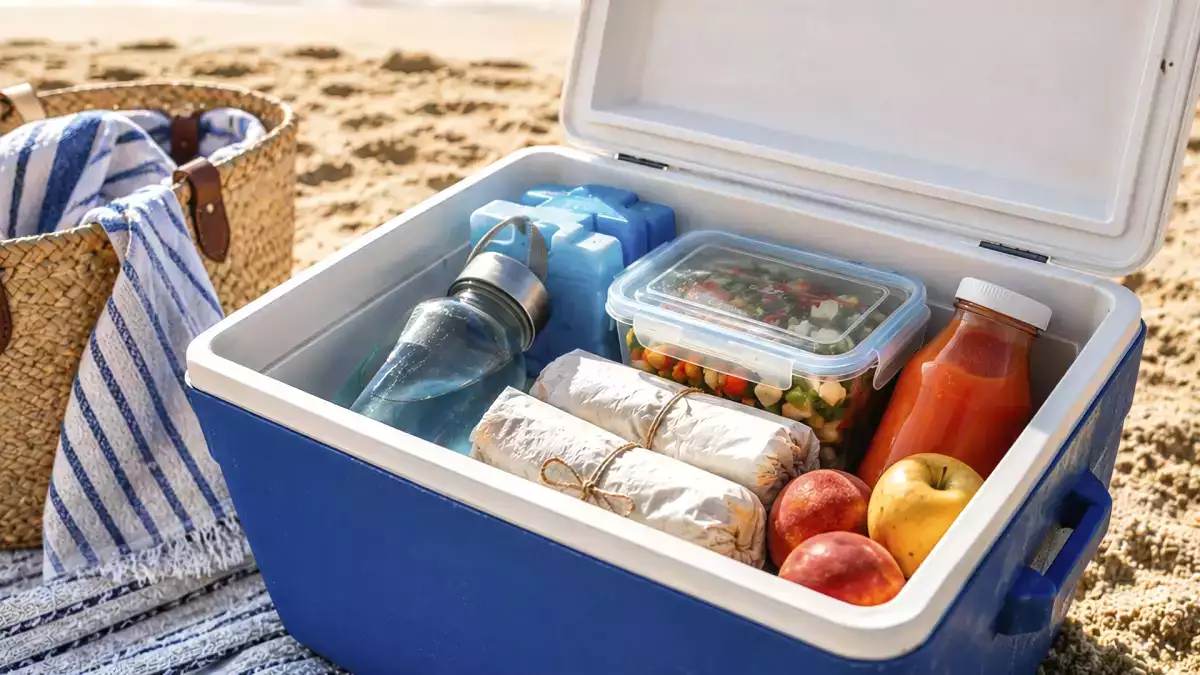
Preparing the beach cooler does not consist of opening the lid and stuffing things in until nothing else fits. Just as a well-made suitcase has its logic (the heavy stuff downstairs, the delicate stuff protected, what is used first by hand), a portable cooler also appreciates a certain order. And not only for convenience: in the middle of summer, placing food well helps it arrive fresher, more appetizing and, above all, in better condition.
Because it's one thing to carry something to snack under the umbrella and quite another to trust that an omelet, a salad, cut fruit and several sandwiches can withstand anything after hours of heat, sand and constant openings. A cooler helps to preserve food better, but it needs sufficient cold, order and a certain amount of prudence.
The cooler should leave home cold
The first rule is simple: anything you put in the cooler should already be cold when it leaves the house. It is best to refrigerate the foods you plan to take in advance and avoid adding warm food at the last minute, because it will make the ice packs lose their effectiveness much sooner.
Ice packs, freezer blocks, or even a frozen bottle of water are essential. It is better to use several cold elements spread throughout the cooler than just one sitting in a corner. Refrigeration is one of the basic ways to slow the growth of bacteria, and the proper refrigeration range is generally between 32°F and 41°F.
The layering rule: delicate foods close to the cold
From there, it is all about thinking in layers.
- At the bottom, place the ice packs and, close to them, the most delicate foods: potato omelet, protein-based salads, cooked chicken, fresh cheeses, hummus, gazpacho, cut fruit, or any preparation that needs to stay well chilled. Always use clean, sealed containers and, if possible, choose the right size. A half-empty container warms up faster and moves around more during the trip.
- In the middle section, place sandwiches, wraps, protected salads, cut vegetables, opened canned foods prepared at home, or small containers of sauces. Ideally, everything should have its own place and not be loose in the cooler. An unprotected wrapped sandwich can end up crushed, soggy, or in contact with liquids it should not touch.
- At the top, keep foods that hold up a little better or that you plan to take out first: whole fruit, nuts, bread, crackers, cutlery, napkins, or dry snacks. It is also a good idea to keep near the top anything you do not want to search for every two minutes. The less time the cooler stays open, the better it will hold the cold.
Drinks and food are better kept separate
One of the most common mistakes is mixing food and drinks in the same cooler, especially when traveling with a group. If someone opens the lid every few minutes to grab water, soda, or juice, the temperature inside rises again and again.
If there is enough space, the most practical option is to bring a separate bag or cooler for drinks. If not, at least place the bottles you will use most often on top and reserve the coldest area for the food.
Which foods work best at the beach?
For the beach, simple foods that are easy to transport and do not suffer too much from the heat work best, as long as the cooler is properly prepared. Whole fruit, nuts, bread, crackers, unopened canned foods, washed whole vegetables, simple sandwiches, well-chilled gazpacho in a bottle, small portions of aged cheese, or pasta and legume salads kept cold are all good options to pack and enjoy by the sea.
Homemade preparations such as a well-cooked potato omelet, cooked chicken, hummus, or pasta salad can also work, but in these cases, simply “bringing a cooler” is not enough. They must leave home very cold, travel next to ice packs, and be eaten within a reasonable time. If the cooler cannot truly stay cold, it is better to choose something else.
What is better left at home?
Some foods should not spend an entire day at the beach. The clearest example is homemade sauces made with raw egg, such as homemade mayonnaise. If they are prepared with unpasteurized egg and spend hours without constant refrigeration, the risk of foodborne illness is real.
It is also better to avoid raw or undercooked fish, cooked seafood without guaranteed refrigeration, cream-filled desserts, opened dairy products, and cut fruit left for many hours. With enough heat and time, bacteria can multiply quickly, and a meal that seems harmless can end in food poisoning.
At home, or with proper refrigeration, these foods may make sense. During a full day in the sun, it is better to keep them off the menu.
Cold pasta salad with grilled chicken should be kept chilled
Cold pasta salad with grilled chicken is a great option for beach days, picnics, and poolside lunches. It is filling, easy to pack, and works well as a complete meal when prepared with short pasta, cooked chicken, crunchy vegetables, and a simple dressing.
For food safety, make sure the chicken is fully cooked, the salad is chilled before leaving home, and everything is stored in a sealed container next to ice packs. A creamy dressing should be kept especially cold, so a vinaigrette-style dressing is often the safer and more practical choice for hot days.
If the cooler cannot stay properly chilled, it is better to choose shelf-stable snacks, whole fruit, unopened canned foods, or simple sandwiches instead.
Always keep the cooler in the shade
The cooler should always stay in the shade. It sounds obvious, but it is not always done. Leaving it on the sand in direct sunlight can ruin even the best organization. Keep it under the umbrella, cover it with a light-colored towel, and open it only when necessary.
It is also worth thinking about the trip itself. It is better to keep the cooler inside the car, in the coolest area possible, rather than in an overheated trunk if you can avoid it. The less heat it absorbs before reaching the beach, the easier it will be to keep the food in good condition.
And you, how do you pack your beach cooler?
Every household has its own tricks: some people freeze bottles of water, others bring one cooler just for drinks, some never skip the potato omelet, and others prefer fruit, sandwiches, and canned foods.
How do you organize food for a day at the beach or by the pool? Is there something you always bring, or a mistake you learned to avoid over the years? Tell us in the comments.
 Patricia González
Comments