The simple method to peel ginger without wasting anything and extend its life
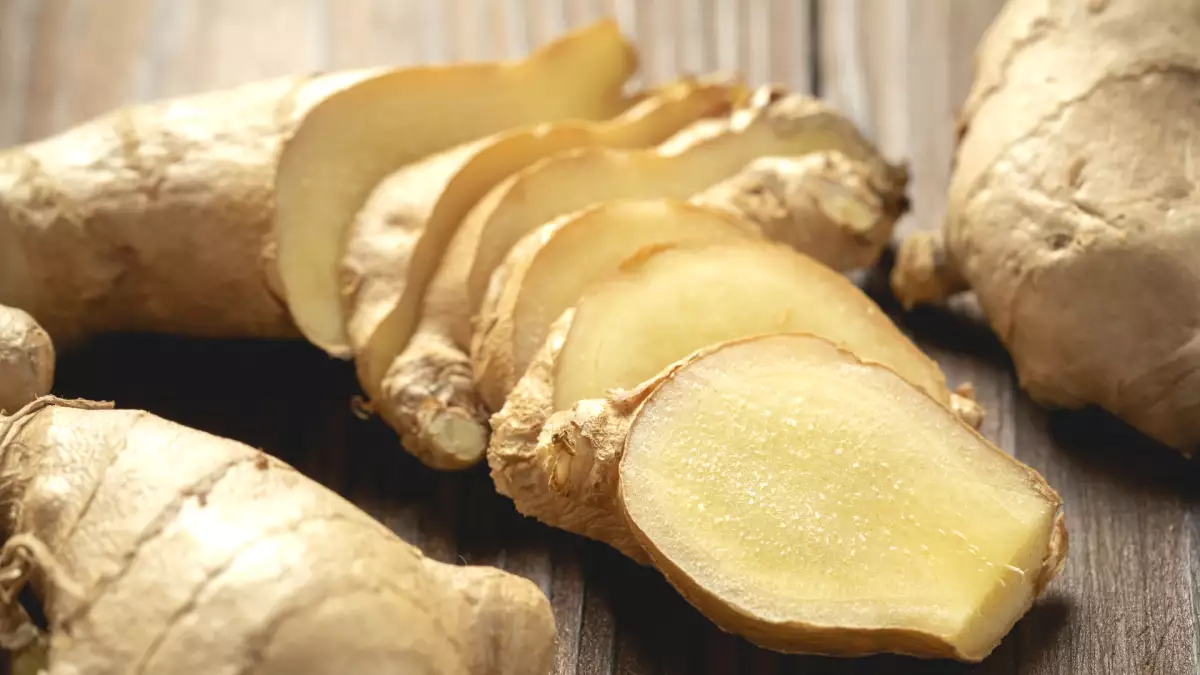
Ginger has a curious problem: you buy it with the intention of "giving more joy" to your dishes and, two weeks later, you find it in the vegetable drawer half dry, wrinkled or with a suspicious edge. And when you're finally going to use it, the second trap appears: that thin but tough skin, wedged between knots, curves and nooks and crannies.
The solution is not to buy specific utensils. With a teaspoon and a couple of conservation tricks, ginger is no longer that lazy ingredient.
Does it always have to be peeled?
Not necessarily. In young gingers, with thin and clean skin, it is enough to wash it well and that's it, especially if you are going to grate it, use it in broths or infusions. Another thing is a more mature ginger, with more leathery skin or with embedded soil: there it is worth removing it for texture and hygiene.
A quick hint: if the skin gives way easily when you gently scrape it, it is probably not worth wasting time peeling it.
The teaspoon method: the one used by professional cooks
For an uneven ginger, the spoon works better than the peeler for one simple reason: it doesn't "cut", it peels.
Do it this way:
- Wash the ginger and dry it.
- Hold it firmly with one hand.
- With the edge of a teaspoon, go scraping the skin with short passes.
- At the knots, turn the piece and repeat: the spoon goes where the peeler usually skates.
In addition, this gesture allows you to remove just enough, without taking half the root in front of you, and with less risk of slipping.
When it can be more difficult: if the ginger is very dry and wrinkled. In this case, it is sometimes a good idea to first trim the ends or hardened areas and work the rest with the spoon.How to cut it according to use?
The question of how to cut the ginger is important because it is not the same to use it for a wok than for a cake or an infusion.
Once cleaned, the cut changes the result a lot:
- Thin slices: for stir-fries, curries, broths and stocks; it perfumes without imposing itself.
- Sticks: if you want to notice the bite, for example in a wok.
- Grated: for marinades, sauces, stir-fries or pastries.
And a very practical detail: if you have it frozen, you can grate it as it is, without waiting for it to thaw. It handles better and does not get "squashed" on the board.
How to preserve ginger to make it last
In the refrigerator (if you use it often)
Store it unpeeled, well dried, wrapped in kitchen paper and inside a zip bag or a container. Here humidity rules: if it "sweats", mold appears; if it dries out, it becomes stringy. Change the paper if it gets wet and make sure it fits tightly, without air pockets. If you use a bag, leave a minimum air outlet (or a perforated one) to avoid condensation. And do not peel it until the end: when peeled it dries out before and picks up odors; for infusions or broths, washed and with skin, it holds better.
In freezer (if you usually forget it)
It is the most convenient and the least wasteful. Freeze it whole or in pieces, better still in portions for use (slices for broths, dices for stews and a piece for grating). Tip: freeze it first spread out on a tray and then transfer it to a bag, so it does not become a block. No need to defrost: it shreds very well and releases less juice; if you are going to chop it, leave it 2-3 minutes outside and cut it while still firm.
In jar (optional)
Keep peeled slices covered with dry sherry (or other mild alcohol). It is ready and the liquid, already perfumed, can be used to deglaze, liven up a sauté or flavour a broth. Use an impeccable jar and keep the ginger completely submerged so that it does not oxidize. Better not too thin slices, they hold longer. If you want it without alcohol, you can do it with light syrup or mild vinegar, but it is closer to a pickle.
What do I cook with it now?
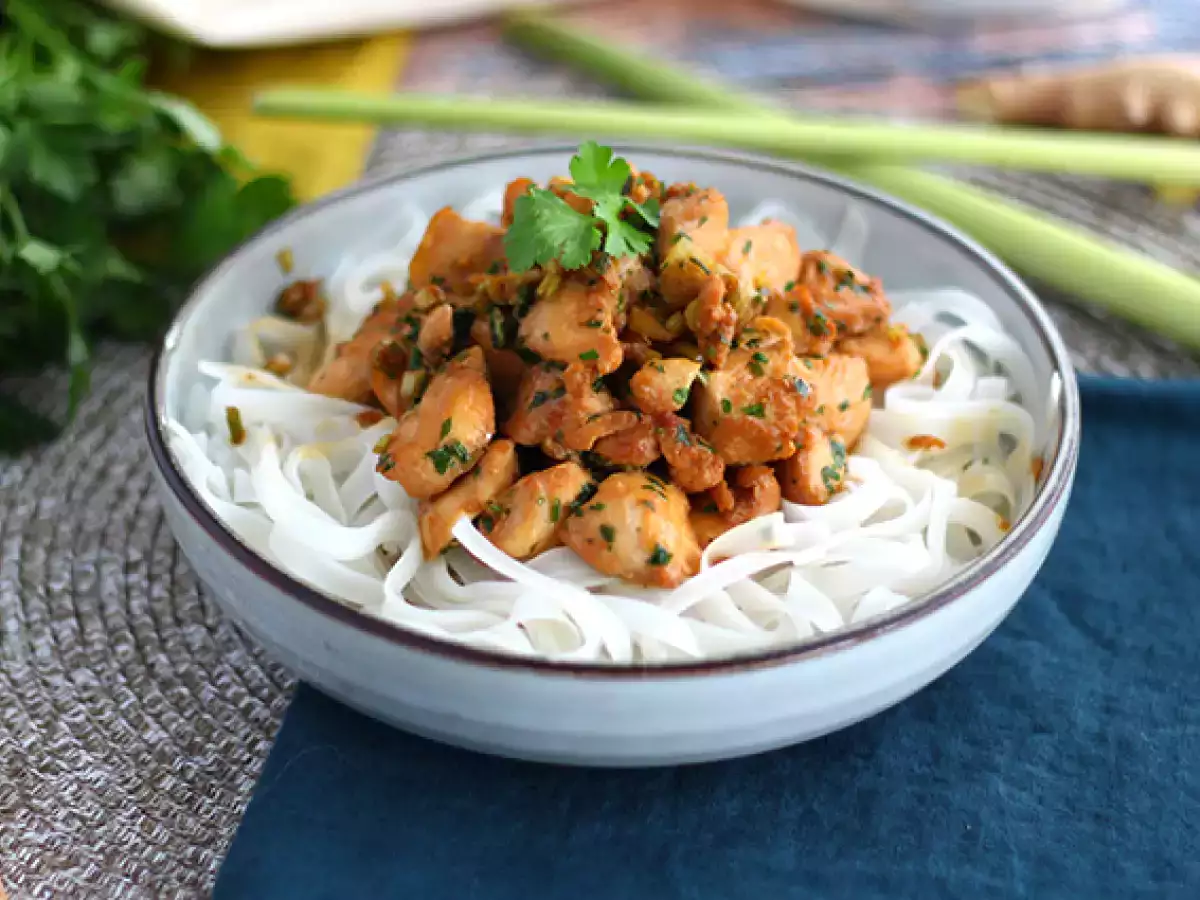
Chicken lovers can switch up the flavors today by adding ginger and lemongrass! This super-easy recipe proves that with just a few ingredients, you can reinvent a classic dish. Served with rice noodles, this recipe makes a balanced, gluten-free meal...
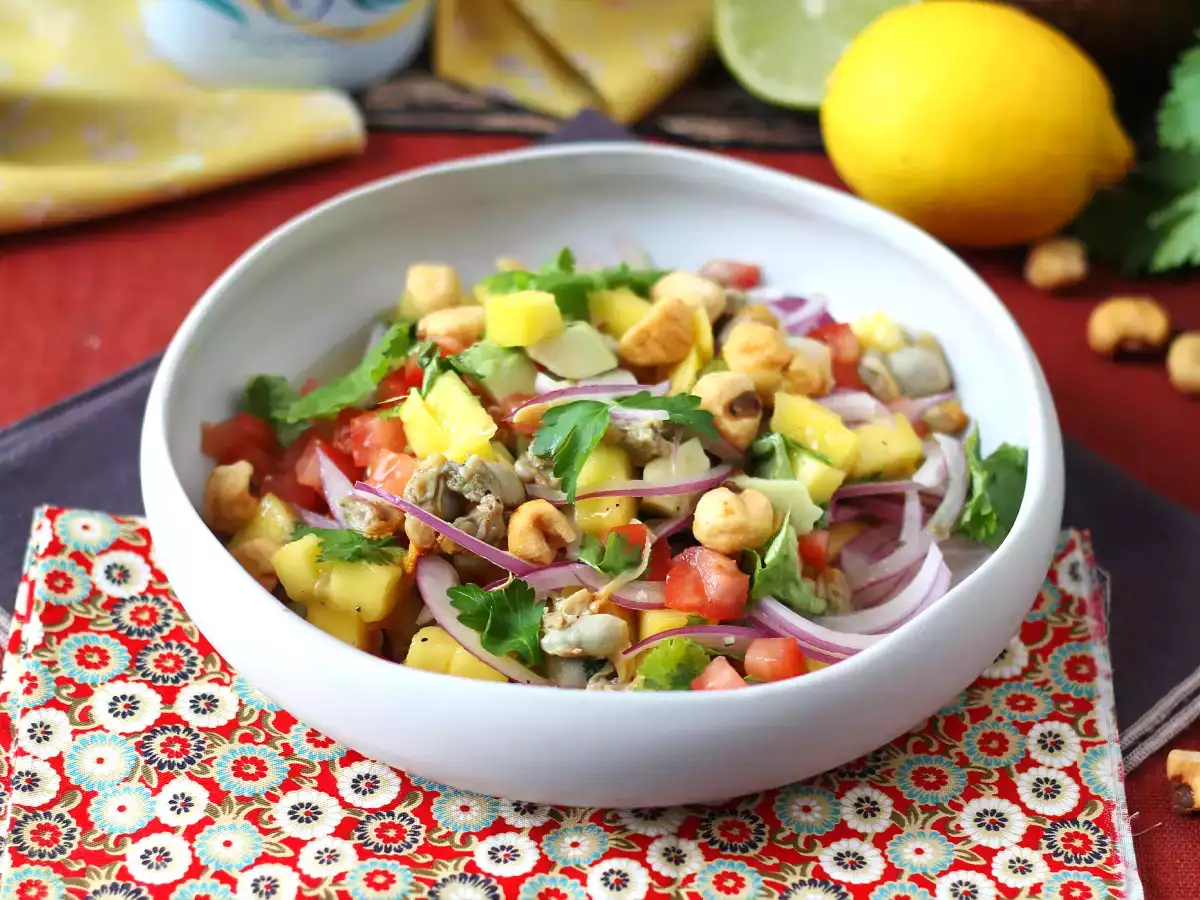
Ceviche is a traditional Peruvian dish in which raw fish, marinated in lime or lemon juice, takes center stage. At Petitchef, we’ve made a quick version using a can of cockles , with a truly surprising result. It’s an explosion of flavor and color,...
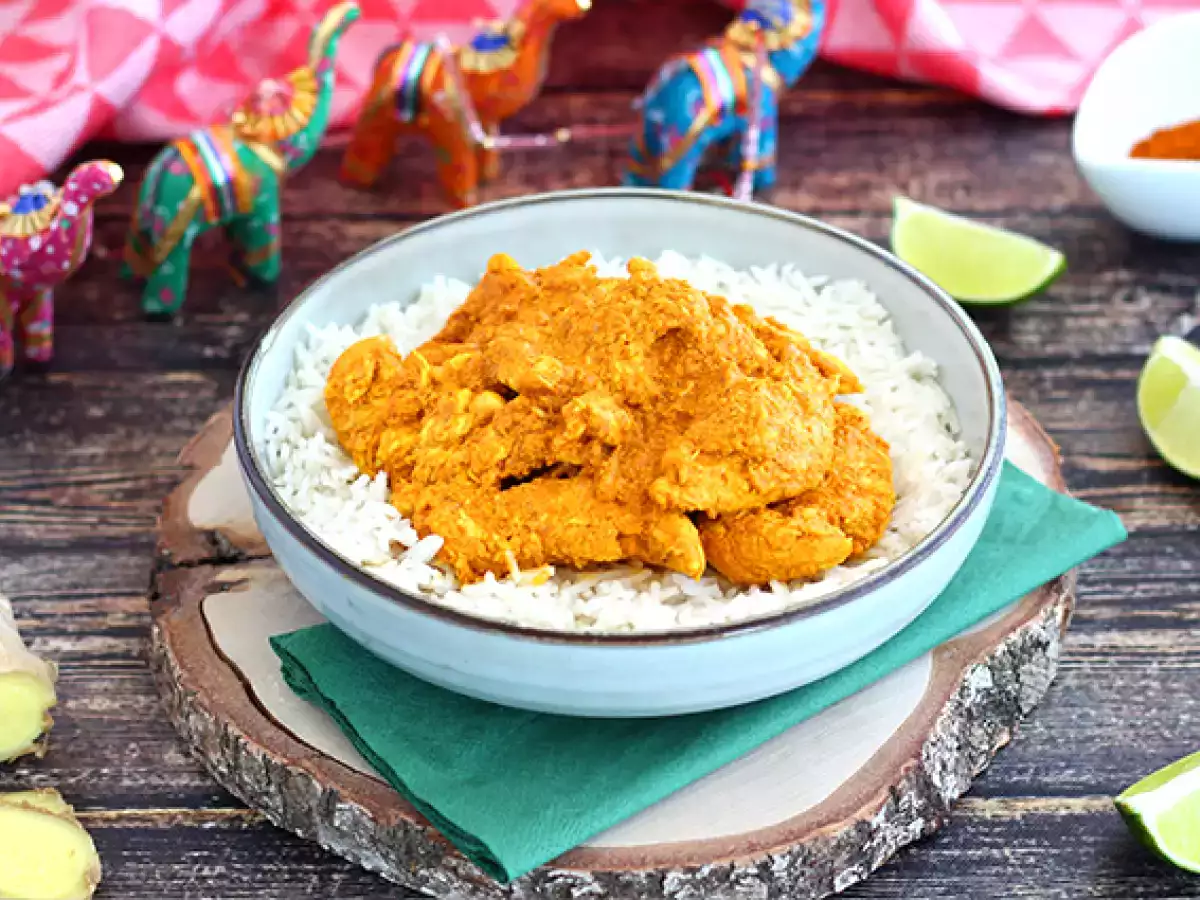
Take your taste buds on a trip to India with our tandoori chicken recipe! A dish that's as quick to make as it is easy (as long as you remember to marinate the chicken, of course ;-) ). Just 5 minutes is all you need to prepare your yogurt-based sauce...
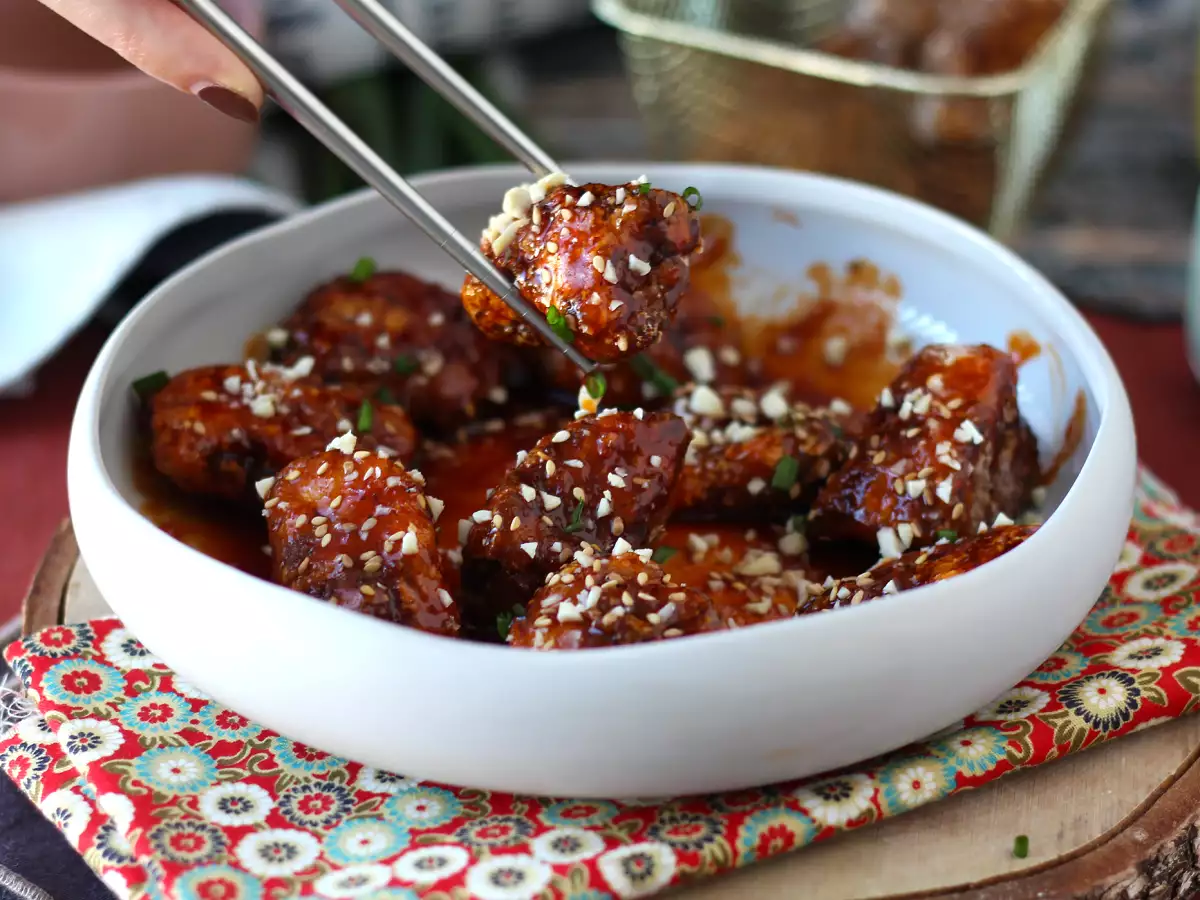
Lovers of sweet and savory flavors and spicy food, this recipe is for you! We love the flavors of Asian cuisine and the crunch of these bite-sized Dakgangjeong chicken pieces . Gochujang will warm your heart and take you on a trip to Korea ,...
 Patricia González
Comments