Tired of being hungry at 4 p.m.? How to make your vegetarian lunchbox more filling every day
Saturday 17 October 2026 15:30 - Christelle Gary
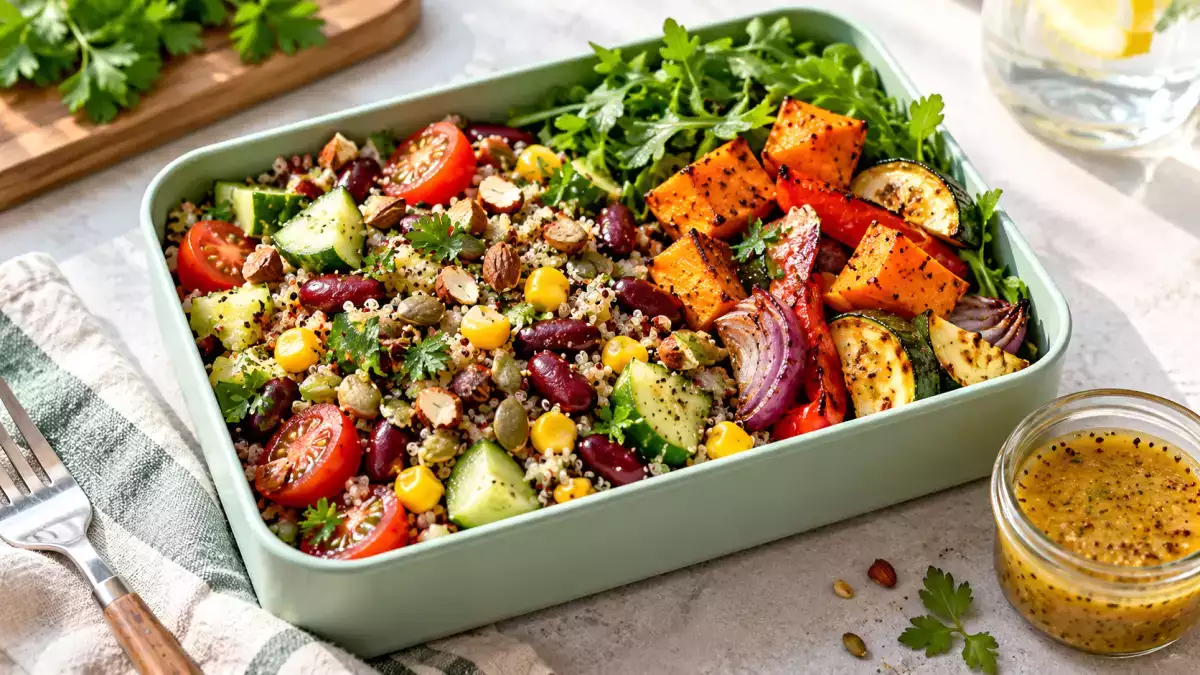
The problem isn’t necessarily that it’s vegetarian. It might simply be that it feels more like a side salad than a real lunch.
To put together a more substantial lunchbox, start with a very simple idea: combine a plant-based protein, a starchy food, and vegetables, then adjust the textures and seasoning so that the meal stays just as appetizing several hours after it’s been prepared.
A vegetarian lunchbox doesn't have to be just a small salad
When you think of a vegetarian lunch to go, the first instinct is often to fill a container with green salad, tomatoes, cucumber, and a few seeds.
It’s fresh and pleasant, but it doesn’t necessarily make for a substantial enough lunch for everyone.
A more balanced lunchbox can simply combine three food groups: legumes like lentils, chickpeas, or beans; a starchy food or grain like rice, quinoa, or pasta; and vegetables.
The idea isn’t to turn every lunchbox into a huge meal, but to stop automatically equating vegetarian with “light.”
It’s fresh and pleasant, but it doesn’t necessarily make for a substantial enough lunch for everyone.
A more balanced lunchbox can simply combine three food groups: legumes like lentils, chickpeas, or beans; a starchy food or grain like rice, quinoa, or pasta; and vegetables.
The idea isn’t to turn every lunchbox into a huge meal, but to stop automatically equating vegetarian with “light.”
The Petitchef quinoa salad is a good example of this concept
To get a concrete idea of what this approach might look like, just take a look at a recipe already available on Ptitchef: a quinoa salad with red beans and corn.
Quinoa forms the base of the meal, the red beans provide the legumes, the corn adds texture, and the whole dish can be prepared in advance.
This is especially the kind of recipe that works well for the office: it can be eaten hot or cold and is easy to pack.
Quinoa forms the base of the meal, the red beans provide the legumes, the corn adds texture, and the whole dish can be prepared in advance.
This is especially the kind of recipe that works well for the office: it can be eaten hot or cold and is easy to pack.
The right approach: Build the box using layers of textures
A successful lunchbox isn’t just about what’s inside. After three or four hours in the refrigerator, texture becomes almost as important as the ingredients.
The sturdier items—grains, legumes, and roasted vegetables—hold up very well while waiting. Fresher or crunchier ingredients are best added on top or at the very last minute.
A few nuts, seeds, crunchy raw vegetables, or pieces of fruit, for example, can provide the contrast that’s often missing from salads prepared several hours in advance.
The sturdier items—grains, legumes, and roasted vegetables—hold up very well while waiting. Fresher or crunchier ingredients are best added on top or at the very last minute.
A few nuts, seeds, crunchy raw vegetables, or pieces of fruit, for example, can provide the contrast that’s often missing from salads prepared several hours in advance.
A separate sauce can make all the difference
A salad that tastes great at 8 a.m. may be much less appealing at noon if it has spent four hours soaking in its dressing.
When the recipe allows, pack the dressing in a small separate container and pour it over the salad just before eating.
This simple step prevents the most delicate ingredients from becoming soggy and ensures much more distinct textures at lunchtime.
For a lunchbox, a mustard, lemon, yogurt, or tahini dressing can thus be the finishing touch that brings the whole meal together.
When the recipe allows, pack the dressing in a small separate container and pour it over the salad just before eating.
This simple step prevents the most delicate ingredients from becoming soggy and ensures much more distinct textures at lunchtime.
For a lunchbox, a mustard, lemon, yogurt, or tahini dressing can thus be the finishing touch that brings the whole meal together.
Legumes: The Versatile Ingredient You Shouldn't Forget
Lentils, chickpeas, red beans, and white beans have one big advantage: they’re easy to pack in a lunchbox without requiring much preparation.
A can of rinsed and drained beans can be all it takes to quickly turn a base of grains and vegetables into a more substantial meal.
They also make it very easy to vary your recipes: chickpeas with couscous and roasted vegetables, lentils with sweet potatoes, red beans with quinoa or rice… The same method can yield dozens of different lunchbox combinations.
A can of rinsed and drained beans can be all it takes to quickly turn a base of grains and vegetables into a more substantial meal.
They also make it very easy to vary your recipes: chickpeas with couscous and roasted vegetables, lentils with sweet potatoes, red beans with quinoa or rice… The same method can yield dozens of different lunchbox combinations.
Don't overlook the pleasure of opening the box
A lunchbox can be perfectly organized and still look unappealing at lunchtime.
To avoid a bland, monotonous lunchbox, think about contrasts: a roasted vegetable, something fresh, a crunchy element, and a sauce that adds character.
A vibrant beetroot, grilled halloumi, corn, a few fresh herbs, or a handful of nuts can completely change the impression the meal makes.
To avoid a bland, monotonous lunchbox, think about contrasts: a roasted vegetable, something fresh, a crunchy element, and a sauce that adds character.
A vibrant beetroot, grilled halloumi, corn, a few fresh herbs, or a handful of nuts can completely change the impression the meal makes.
Beet salad with grilled halloumi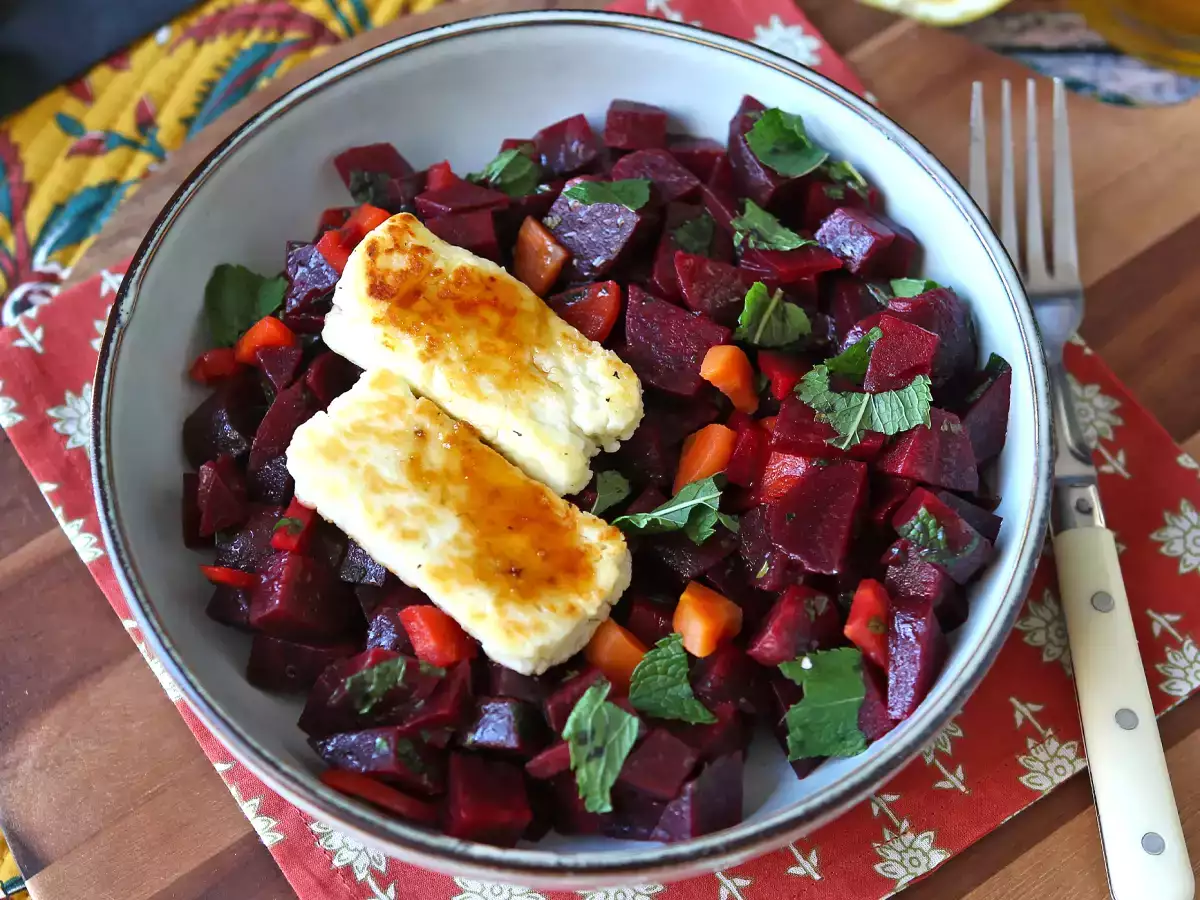
This salad of beets with grilled halloumi, carrots and mint is a healthy, colorful recipe full of flavor. The sweet beets and carrots pair perfectly with golden, crispy halloumi, while the mint adds an irresistibly fresh touch. Easy and quick to...
Two more Ptitchef ideas to add to your rotation
The easiest way to keep things interesting is to stick to the same basic approach while regularly changing up the base, vegetables, and seasonings.
These two other Ptitchef recipes can also give you ideas for preparing vegetarian lunches to go and varying the textures from week to week.
These two other Ptitchef recipes can also give you ideas for preparing vegetarian lunches to go and varying the textures from week to week.
Quick and easy protein-packed lentil salad with cottage cheese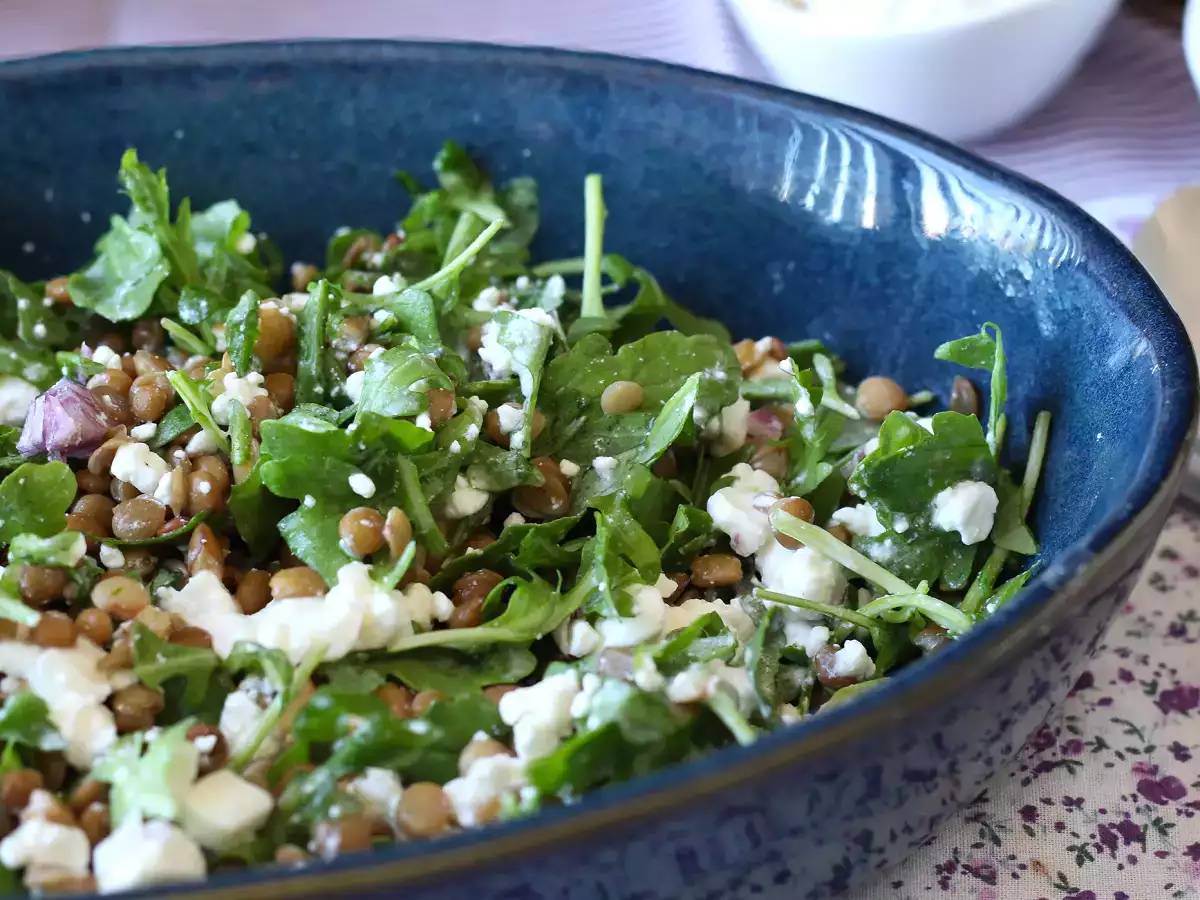
This quick lentil salad combines drained cooked lentils with creamy cottage cheese, soft mozzarella, fresh arugula, and finely sliced red onion for a quick, healthy, no-cook meal. The tangy dressing made with lemon juice, olive oil, and maple...
Lentil, feta, and edamame salad with crunchy vegetables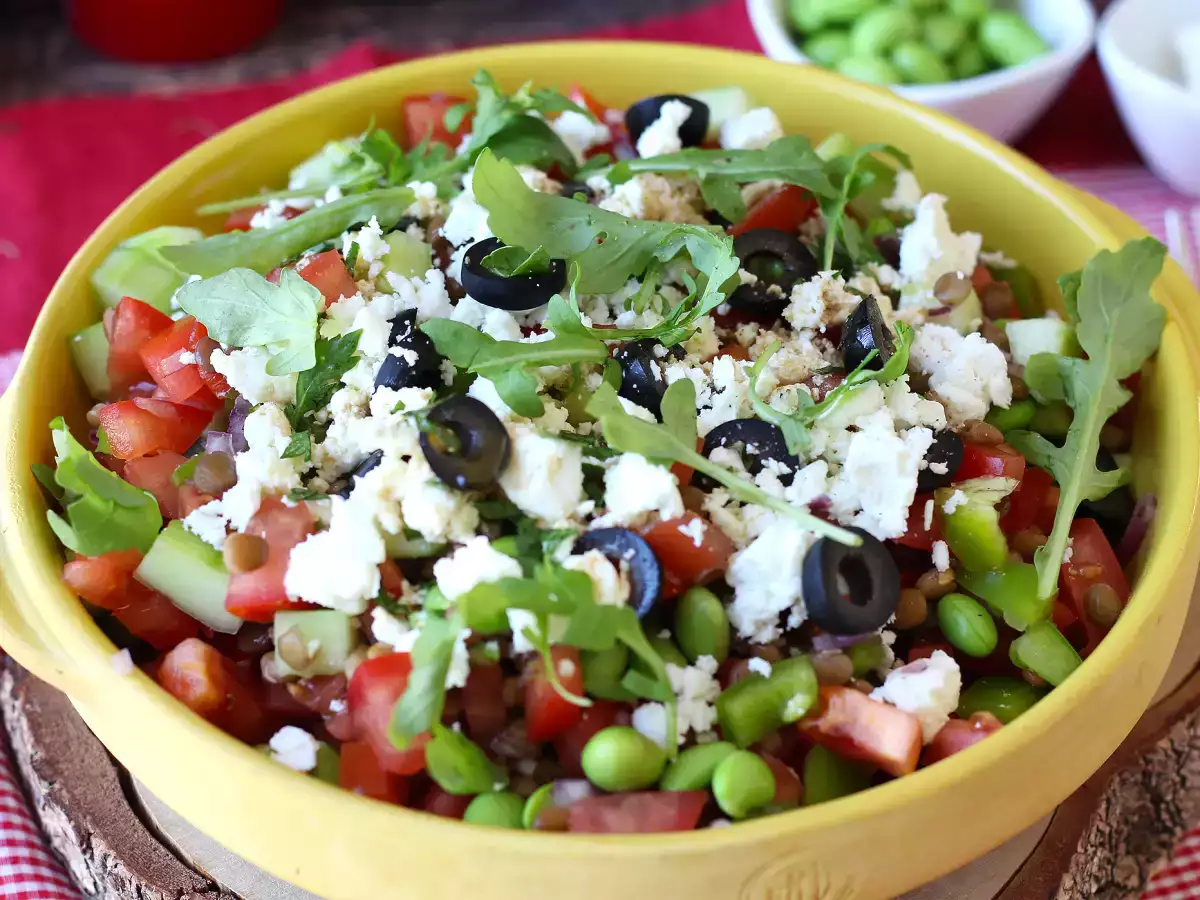
In the mood for a hearty, fresh and flavorful lentil salad? This recipe combines lentils, feta, edamame and crunchy vegetables for a colorful, satisfying meal that’s easy to prepare.\r\nTomatoes, cucumber, bell pepper, arugula and black olives add...
What if I get hungry again in the afternoon?
Even with a better-planned lunchbox, it’s entirely possible to feel hungry a few hours later. Appetite depends on how much you eat, your activity level throughout the day, and the time between lunch and dinner.
The goal, therefore, isn’t to pack a lunch that’s supposed to keep you from feeling hungry until dinner. Rather, it’s to start with a lunch that actually feels like a meal, then adjust the portions and, if necessary, include a snack.
A piece of fruit, a yogurt, or a handful of nuts can easily round out the day if you get hungry again.
The goal, therefore, isn’t to pack a lunch that’s supposed to keep you from feeling hungry until dinner. Rather, it’s to start with a lunch that actually feels like a meal, then adjust the portions and, if necessary, include a snack.
A piece of fruit, a yogurt, or a handful of nuts can easily round out the day if you get hungry again.
The best lunchbox is, above all, the one you actually want to eat
A great vegetarian lunchbox doesn’t have to be complicated. A legume, a starchy food, vegetables, and a few ingredients that add flavor and texture already make for a great foundation.
The rest is all in the details: a sauce added at the last minute, ingredients that stay crisp, colors, and recipes you’ll actually look forward to eating at lunchtime.
Because, ultimately, a perfectly prepared lunchbox has only one real goal: to make you want to open it when lunchtime rolls around.
The rest is all in the details: a sauce added at the last minute, ingredients that stay crisp, colors, and recipes you’ll actually look forward to eating at lunchtime.
Because, ultimately, a perfectly prepared lunchbox has only one real goal: to make you want to open it when lunchtime rolls around.
 Christelle Gary
As a fitness enthusiast and vegetarian, I love taking on a challenge: making plant-based meals that are packed with protein—without breaking the bank! My mission at Ptitchef? To prove that legumes can be delicious, creative, and truly irresistible. Chickpeas, lentils, and beans better watch out!
Comments