Want a better zucchini? how to choose fresh, firm ones every time by spotting small, overlooked clues
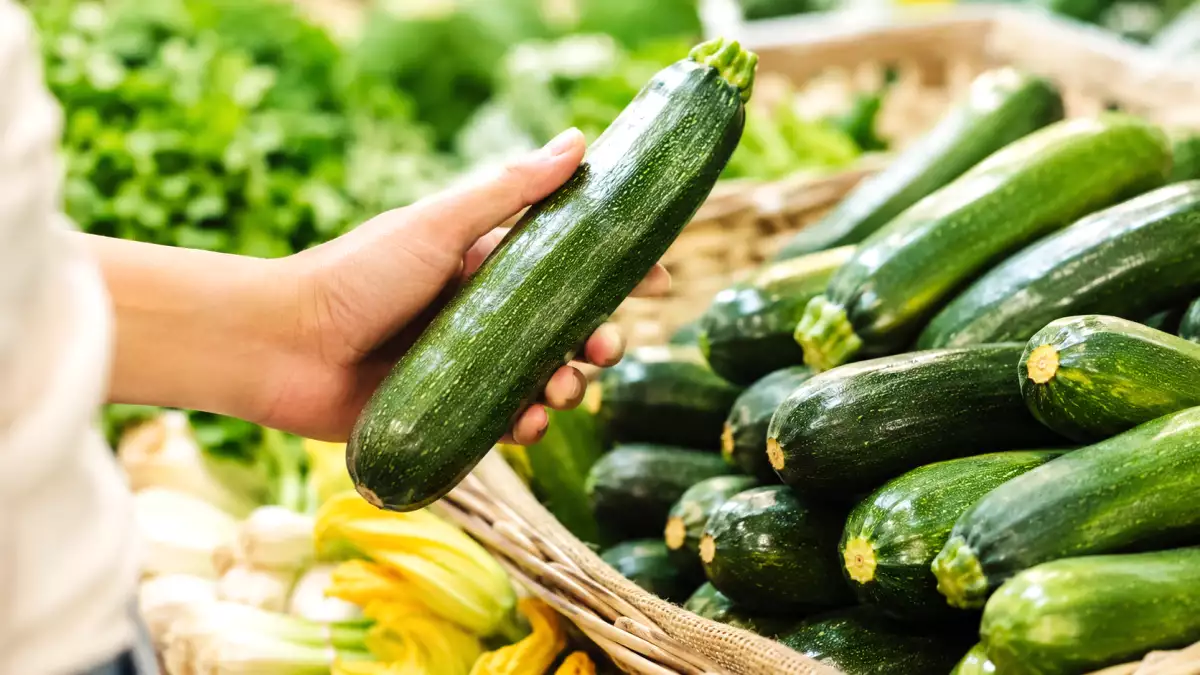
Zucchini are among the most common vegetables on Italian tables during spring and summer. They’re light, versatile, and can be used in dozens of recipes, but not all of the ones on display at the supermarket or market are of the same quality.
At first glance, they may look identical, but you just need to look at a few details to tell if they’re truly fresh or if they’ve already started to lose their texture and flavor.
Learning how to pick the best zucchini takes less than a minute and can make a big difference both in the kitchen and when storing them.
How can you tell if zucchini are fresh?
Are large or small zucchini better?
How to Choose Zucchini Based on the Recipe
The dish you plan to prepare can also influence your choice.
For raw salads or carpaccio , smaller, tender zucchini with a delicate flavor are ideal . For grilling, it’s best to choose medium-sized zucchini that are firm enough not to fall apart during cooking.
If, on the other hand, they’re to be pureed to make creams, veloutés, or sauces, even slightly larger zucchini can yield excellent results.
Things to check before adding them to your cart
Before making a purchase, just take a few seconds to check a few things:
- smooth, shiny skin;
- firm texture;
- no bruises or soft spots;
- uniform color;
- green, fresh-looking stem;
- small to medium size, if possible.
These are simple checks that help you identify the freshest specimens.
How to Store Zucchini Without Letting Them Go Bad
Making a good choice isn't enough if they're then stored the wrong way.
Zucchini should be stored in the crisper drawer of the refrigerator, preferably unwashed. Residual moisture, in fact, can speed up spoilage.
You should also storing them in that are completely sealed isn’t always the best solution, because condensation promotes mold growth. It’s better to use a paper bag or a plastic bag that’s slightly open.
If you eat them within five to seven days of purchase, you’ll be able to best appreciate their texture and flavor.
Keep the season in mind, too!
Zucchini are available almost year-round, but they are generally at their best from late spring through the end of summer.
During these months, they are harvested at the peak of their natural season and are often more flavorful, less watery, and more affordable.
Buying seasonal produce often means finding vegetables that have been recently harvested and have spent less time in storage and in transit.
Can you eat them raw?
Many people eat them only when cooked, but the freshest zucchini can also be eaten raw.
Sliced very thinly with a mandoline or a vegetable peeler, they make an excellent base for summer salads.
Dressed with extra-virgin olive oil, lemon juice, shavings of Parmesan, and a few mint or basil leaves, they retain a crisp texture and a delicate flavor.
Of course, it’s important to wash them thoroughly before eating.
Why are some zucchini bitter?
Sometimes you might come across a zucchini that tastes particularly bitter.
In most cases, this is due to the presence of natural substances called cucurbitacins, which can develop when the plant has been subjected to certain stressful conditions, such as intense heat, water scarcity, or uncontrolled cross-pollination.
If the taste is distinctly bitter, it is best not to eat the zucchini.
Bitterness is not a normal characteristic of varieties grown for human consumption, and cooking does not eliminate these substances.
It only takes a few seconds to choose the best ones
Examining the skin, checking the texture, inspecting the stem, and choosing small- to medium-sized zucchini are simple steps that will help you buy fresher, more flavorful zucchini.
The next time you’re at the produce counter, take a few moments to pay attention to these details.
They’ll help you bring home a product that will keep longer and make every recipe even more delicious.
 Leandra Masha
Comments