Why some people feel sick after eating cucumbers and 3 simple ways to make them taste better

A cucumber isn't heavy, but you can definitely feel it
The cucumber seems like the quietest ingredient in the salad: fresh, crisp, and full of water. In fact, much of its charm lies there, in that clean, thirst-quenching sensation with every bite. But some people eat it and, after a while, notice the famous “it’s coming back”: the cucumber’s flavor reappears, leaves a lingering aftertaste, or causes a slight feeling of heaviness.
It’s worth noting from the start: this doesn’t mean that cucumbers “ferment poorly” for everyone or that they’re inherently problematic. It’s well tolerated in many digestive diets, and in normal portions, it can be a very light vegetable. The issue is more nuanced: cucumbers contain aromatic and bitter compounds, a lot of water trapped in their cells, and— depending on the variety, ripeness, and the part we eat—they can be more or less pleasant.
The bitter clue: peel, stem, and cucurbitacins
When a cucumber is very bitter, it’s best not to force yourself to eat it: intense bitterness can indicate high levels of these compounds. In a normal cucumber, that slight bitterness is not usually a problem. However, some people notice that the bitterness returns shortly afterward, especially if they eat quickly, swallow air, or are prone to acid reflux.
Why your mom might feel it differently than you do
Digestive sensitivity, acid reflux, functional dyspepsia, or simply a period of increased stomach sensitivity also play a role. If the symptom is occasional, simply adjusting how you prepare the cucumber is enough. If there is severe pain, vomiting, weight loss, blood, frequent heartburn, or persistent belching lasting for weeks, that’s no longer “the cucumber’s fault,” and you should see a doctor.
Three ways to make it more user-friendly
2. Remove some of the seeds. For large or very ripe cucumbers, cut them lengthwise and scrape out the center with a teaspoon. It’s not a miracle cure for digestion, but it reduces the watery volume, leaves a finer texture, and keeps sauces from becoming too watery.
3. Add salt, let it sit, and add acid. Slice the cucumber, add a pinch of salt, and let it sit for 15–30 minutes in a colander. The salt draws out water through osmosis; afterward, you can pat it dry and dress it with lemon, vinegar, yogurt, or herbs. The result is more flavorful, less watery, and, for many people, more palatable. In classic cooking, this is similar to the technique of “sweating” or “dégorger” a vegetable.
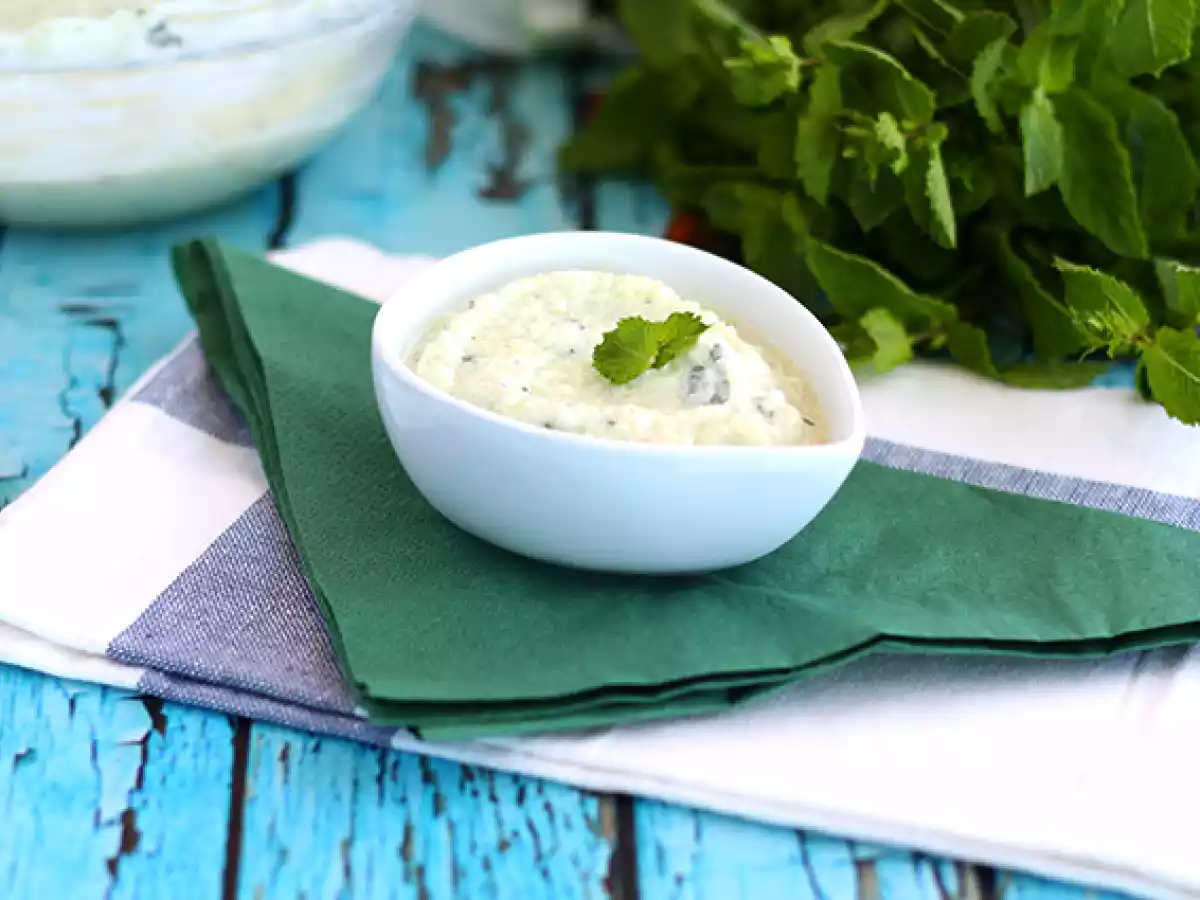
A trip to Greece on the horizon? You can't miss out on the famous tzatziki, or Greek cucumber dip :-) Today, we're sharing a homemade version with a recipe so simple it's foolproof! A great opportunity to serve your guests a dip with their appetizers,...
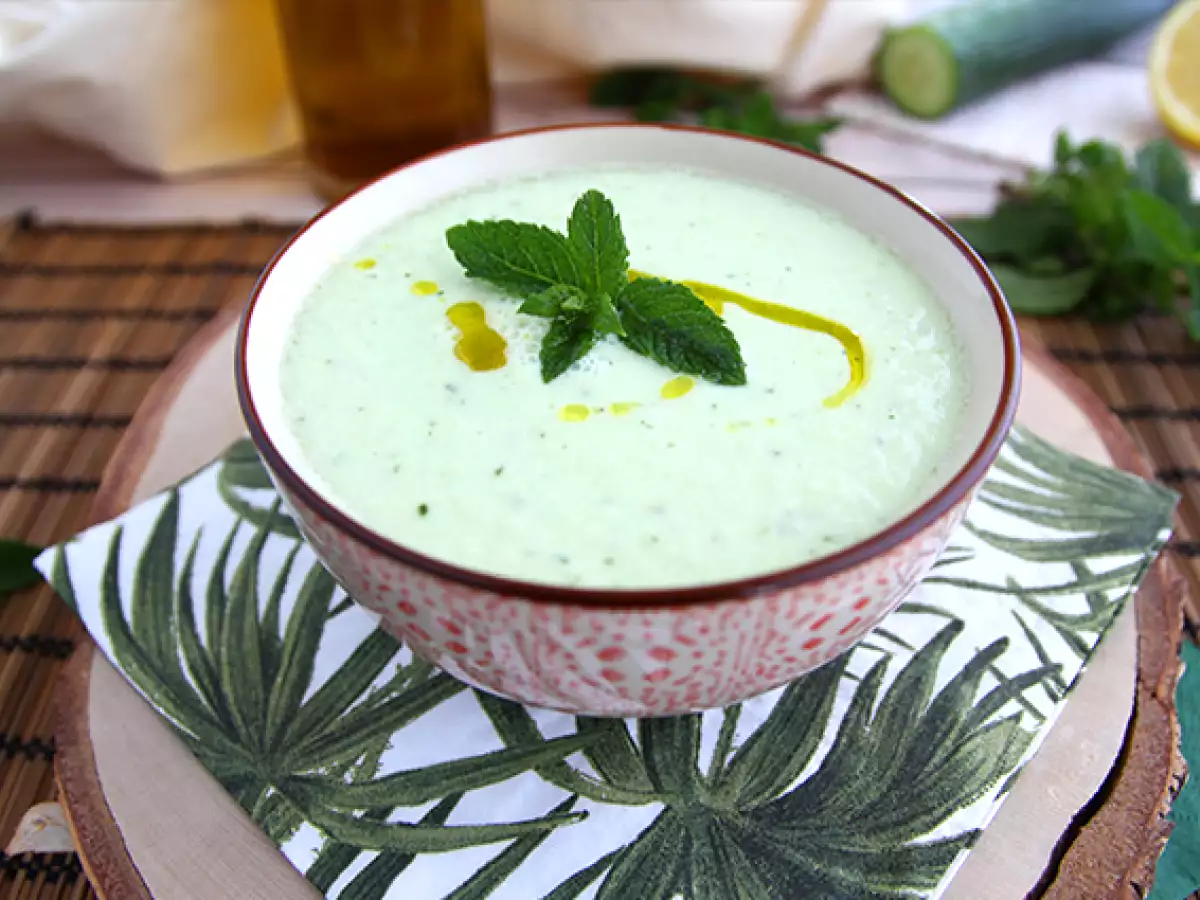
To cool off at the start of a meal, nothing beats a good chilled soup! Today, cucumber takes center stage, paired with mint and fromage blanc for an extra-refreshing and flavorful result. As for difficulty, it couldn't be simpler. Just put all the...

Discover our recipe for Japanese-style marinated cucumber salad , a fresh and tasty option for your summer meals! Easy to prepare, this salad combines crunchy cucumbers with a delicate marinade made with rice vinegar, sugar and soy sauce. Perfect...
The key is in how you prepare the cucumber
Some people find cucumbers hard to stomach because they combine three factors: bitter compounds, very distinctive aromas, and a digestive process that can sometimes cause gas or acid reflux. That doesn’t mean you have to give up cucumbers. Choosing firm, non-bitter ones, peeling the skin and trimming the stem end when necessary, removing the seeds from large cucumbers, and “sweating” them can help make them more enjoyable.
So, if you like them, enjoy them; if they give you trouble, don’t eat them raw. Prepare them with a little care, and you’ll see that cucumbers, when treated right, stop being that neighbor who keeps knocking on your door.
 Patricia González
Comments