Worried about September costs? 7 practical ways to cut grocery bills without sacrificing quality
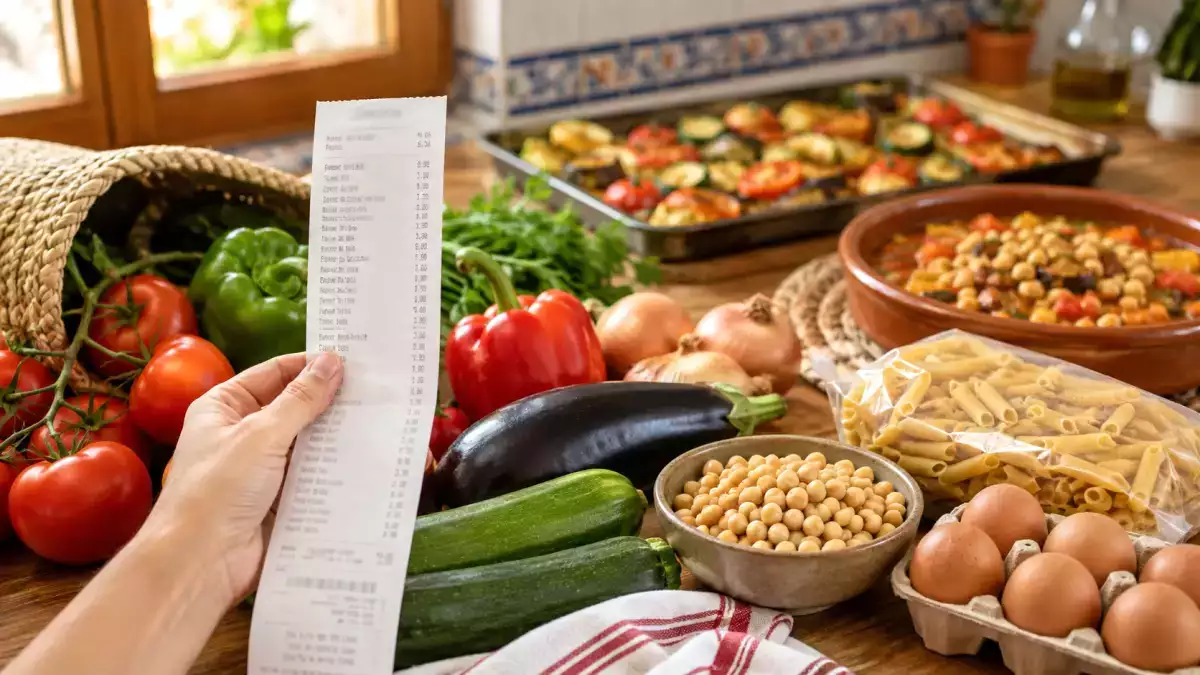
Saving money on groceries in September isn’t about stocking the pantry with cheap items or eating the same thing for a week. It’s about making every ingredient you buy work harder: using the whole thing, incorporating it into various dishes, and making sure it doesn’t end up forgotten in the fridge.
Going back to school, work, and split schedules makes grocery shopping more expensive for a very everyday reason: when we’re short on time, we buy convenience. Pre-cut vegetables, improvised dinners, “convenient” packaging, and last-minute orders. That’s why saving money starts before you even step into the supermarket and continues in the kitchen. These seven decisions help you spend less without making your meals seem any less satisfying.
1. Create a menu, but make it a map, not a prison
Planning a weekly menu works best when you don’t think of seven distinct dishes, but rather of a small framework of meals. A legume, some rice or pasta, a few eggs, a platter of vegetables, and a sauce can be more useful than seven recipes that have nothing in common.
The key is to buy ingredients that can be used in multiple dishes. If zucchini works in a soup, an omelet, and a pasta dish, it has three chances to make its way out of the fridge. That’s where a good part of the savings comes from: not just paying less, but also cutting down on those purchases that seemed like a good idea on Monday but end up going bad by Sunday.
2. Look at the price per kilo, but also consider how much of it you'll actually use
A sale item may seem cheap but actually isn’t. To spend less at the supermarket, it’s a good idea to compare the price per kilogram or liter, especially for family-size packages, meat trays, shredded cheese, yogurt, and pre-cut vegetables. It’s a simple way to spot fake sales, even though the lowest price isn’t always the most economical option.
You also need to consider shrinkage and the level of preparation. A whole piece may be cheaper than a pre-cut and trimmed package, but only if you’re actually going to use it all. The same goes for large packages: they’re worth it if you consume them in time or can freeze them. And don’t forget that the price of pre-cleaned, pre-cut, and pre-packaged items includes the labor that someone else has already done.
That’s why the real cost of a food item isn’t just what’s on the label, but what we pay for the portion that ultimately ends up on our plate.
Saving money doesn’t mean always buying the cheapest option, but knowing what we’re paying for and whether it’s worth it. A bag of ready-to-eat salad can solve a dinner problem and be worth every cent; if it ends up wilted in the fridge by Friday, it’s been a waste of money.
3. Cook once, but don't eat the same thing three times
Budget-friendly batch cooking works best when you cook individual components rather than finished dishes. A tray of roasted vegetables, cooked rice, hard-boiled eggs, tomato sauce, roasted peppers, or prepared legumes let you put together different meals without starting from scratch every day.
In September, for example, bell peppers, eggplant, onions, and zucchini can all come out of the oven at the same time. Then they take on new forms: with pasta and cheese, they’re one meal; in an omelet, another; mixed with chickpeas and a good dressing, a third. The savings come from reusing ingredients, not necessarily from repeating the same dish.
4. Let the season set the tone, but above all, let's focus on what's at its best right now
5. Include a legume in your meal plan: not as a substitute, but as a staple
Legumes have a particularly useful quality when you’re trying to watch your budget: they can be combined with small amounts of other ingredients and still make for a complete and satisfying meal. A handful of chickpeas can hold half an onion, an overripe tomato, some frozen spinach, or leftover roasted vegetables from the day before.
That’s why it’s best to think of them not as “legume day,” but as a culinary staple. Serve them cold with a vinaigrette, sautéed with vegetables, puréed into a cream, in salads, or quickly stewed. A can of cooked chickpeas may seem like a modest solution, but when used well, it can make for several meals without forcing you to buy a different protein every time.

For an easy-to-make recipe that warms you up on chilly days, choose this soup! With the addition of chickpeas and spinach, it will be hearty and balanced while still being simple! A great tip for getting kids (or adults ;-) ) to eat their veggies!
6. Shop with secondary uses in mind
A good purchase isn't measured just by what it lets you cook today, but by what it can still do tomorrow. Before putting something in your cart, it's a good idea to ask yourself : What second life will this have?
A roasted chicken can end up in a salad or as croquettes; tomato sauce goes well with pasta, rice, or eggs; boiled potatoes can become a side dish, potato salad, or an omelet. Even small leftovers have value when you have a plan for them.
This approach to shopping reduces waste and, above all, prevents every meal from requiring you to start from scratch.
7. Set aside a "go-to" dish for the day when your plans fall through
Any meal plan that depends on feeling like cooking every day is doomed to fail. The real enemy of a budget-friendly grocery run usually shows up at 8:30 p.m., when you’re hungry, tired, and have absolutely no desire to start chopping onions.
That’s why you need a go-to dish: something that can be ready in less than twenty minutes using common ingredients. An omelet, pasta with vegetables, sautéed chickpeas, rice with egg, or a quick soup.
It’s not a compromise on the menu—it’s part of the menu. Because saving money also means anticipating the moments when we know we won’t feel like cooking. And often, the difference between spending wisely and overspending lies precisely there: in having an easy dinner ready before you need one.
 Patricia González
Comments