One simple roasting trick makes peppers sweeter, juicier and much easier to peel for summer salads
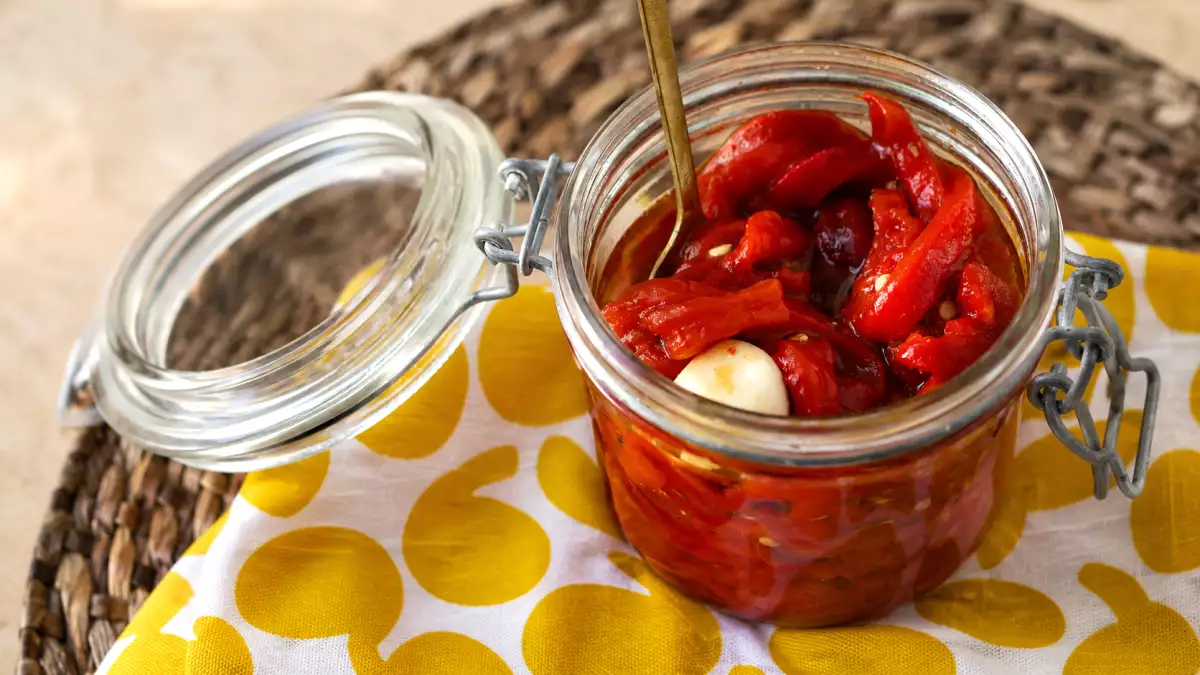
Why roasted bell peppers work so well in a salad
The first tip comes before you even get to the oven: choosing and preparing
Oven, air fryer, or stovetop: Which method to choose
The oven is the most convenient method when cooking in large quantities. A good rule of thumb is to roast them at about 200 ºC until they’re tender and the skin is browned in spots, turning them halfway through cooking. An air fryer is handy for one or two pieces: it heats up quickly, makes little mess, and saves you from having to turn on the big oven in the middle of a heat wave. A gas burner or grill gives a more pronounced smoky flavor, but requires constant attention and tongs. In all cases, the goal isn’t to char the flesh of the pepper, but to soften and darken the skin so it peels away, leaving tender flesh inside.
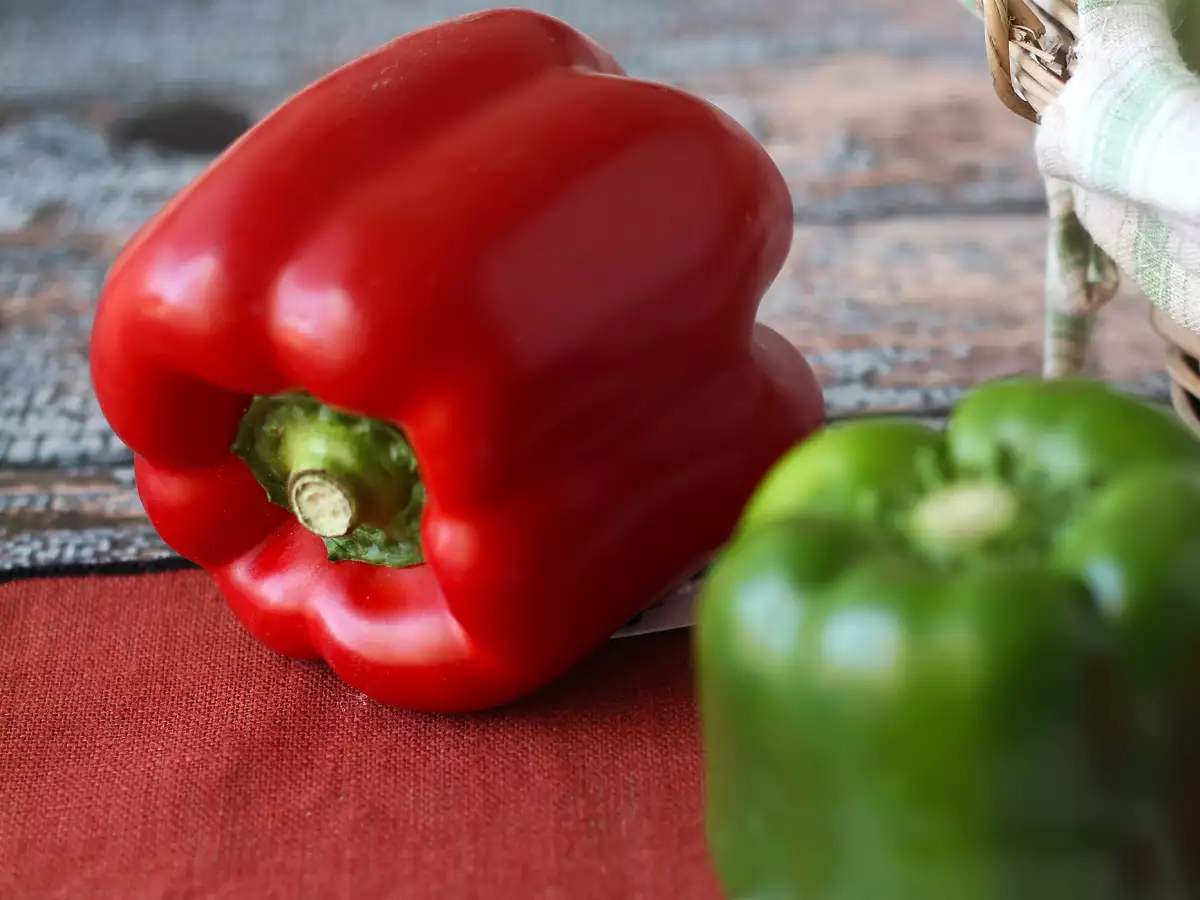
This simple and effective method of baking your peppers allows you to remove the skin effortlessly, for tastier, more easily digestible recipes! Perfect for salads , ratatouille or even roasted and marinated peppers , this technique...
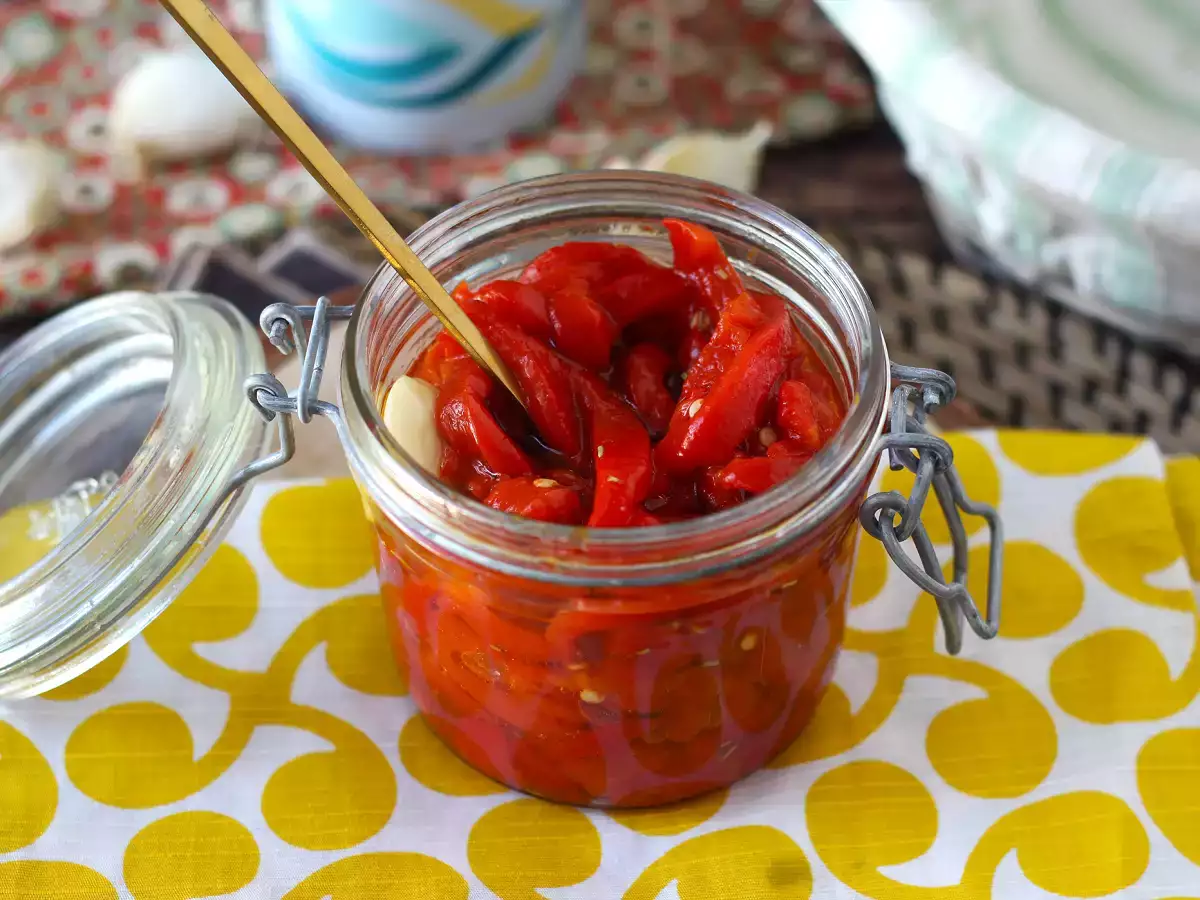
Very easy to prepare, quick and economical, this recipe for air-fried roasted peppers is sure to become a summertime staple :-) The advantage of this recipe is that it can be used in a variety of ways: as a topping for bruschetta , to spice up a...
Covered resting: the gesture that separates success from disaster
Dressings that don't overpower: complement, don't mask
A roasted bell pepper salad calls for simple dressings. The most classic one combines extra virgin olive oil, salt, and a few drops of sherry vinegar or lemon juice. If you want more flavor, add crushed roasted garlic, cumin, parsley, basil, or very finely chopped red onion. For a heartier version, add chickpeas, tuna belly, hard-boiled egg, desalted cod, mozzarella, goat cheese, or toasted bread. The idea is for each ingredient to serve a specific purpose: protein to satisfy, herbs to refresh, acidity to lift the flavor, and crunch for contrast. If you’re making cold pasta or rice, mix in the peppers along with some of their juices; this helps the dressing distribute more evenly and gives the salad more flavor without adding too much oil.
Conservation and smart use during the week
Once peeled and cooled, store the peppers in an airtight container with their own juices and a thin layer of oil. They’ll keep in the fridge for several days, and if you make a large batch, you can freeze them in portions. To eat them, take them out a few minutes beforehand: their sweetness and the oil come through better at room temperature. They’re also great for whipping up a cream sauce, a toast topping, a side dish for fish, or a quick sauce for legumes.
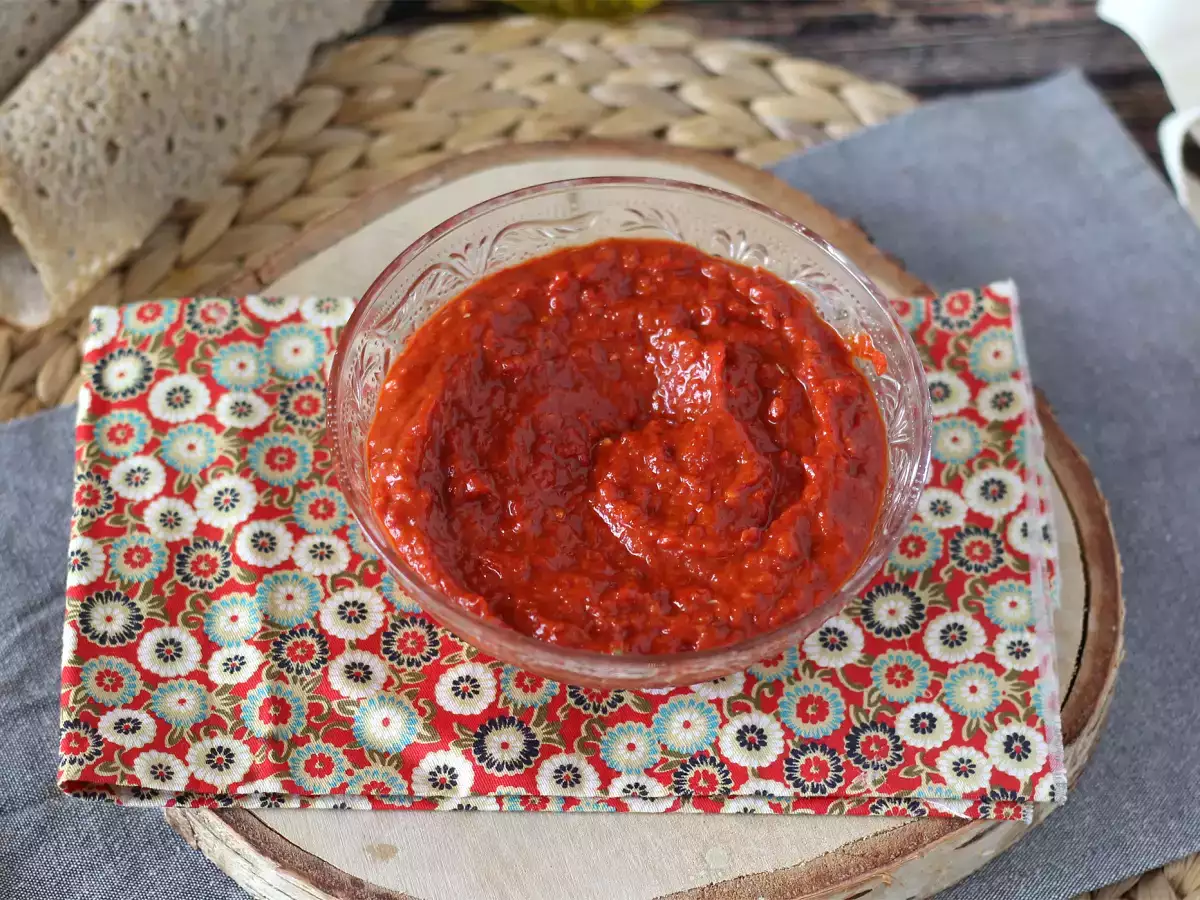
Until now, we were fans of hummus, guacamole, and tapenade for appetizers! Now, a new preparation regularly graces our table: a red pepper spread. Here, we share our super easy recipe. Don't forget the chips and vegetable sticks to accompany it...
 Patricia González
Comments