7 classic Spanish ingredients packed with umami: discover the surprising flavors that define tapas
1. Cured Iberian ham
Iberian ham develops umami during the curing process. During this time, proteins slowly break down into amino acids (including glutamate) and subtle flavors emerge, ranging from hazelnut to a clean, clear broth. That’s why a good slice doesn’t need many accompaniments: fat, salt, time, and patience do the work. In cooking, a few shavings can elevate artichokes, fava beans, or a fried egg without masking their flavor.
2. Salted anchovies
Anchovies are one of those ingredients you should use wisely. When salted, they add salt, yes, but also a depth of ocean flavor that blends seamlessly into sautéed dishes, dressings, and butters. The dish doesn’t have to taste like fish: just one anchovy crumbled into oil is enough to give green beans, a tomato salad, or a pasta sauce more body. It’s the classic cooking trick that seems like cheating, but it isn’t.
3. Ripe and concentrated tomatoes
Tomatoes, especially when ripe or concentrated, are a plant-based source of glutamate. That’s why the Spanish “sofrito” works so well: the water evaporates, the sugars settle, the acidity is mellowed, and that underlying flavor emerges—the one that underpins rice dishes, stews, and ratatouille. The key is not to rush it. A tomato cooked too quickly remains tart and lacks depth; when cooked over low heat, it develops a sweet, concentrated flavor characteristic of home cooking.
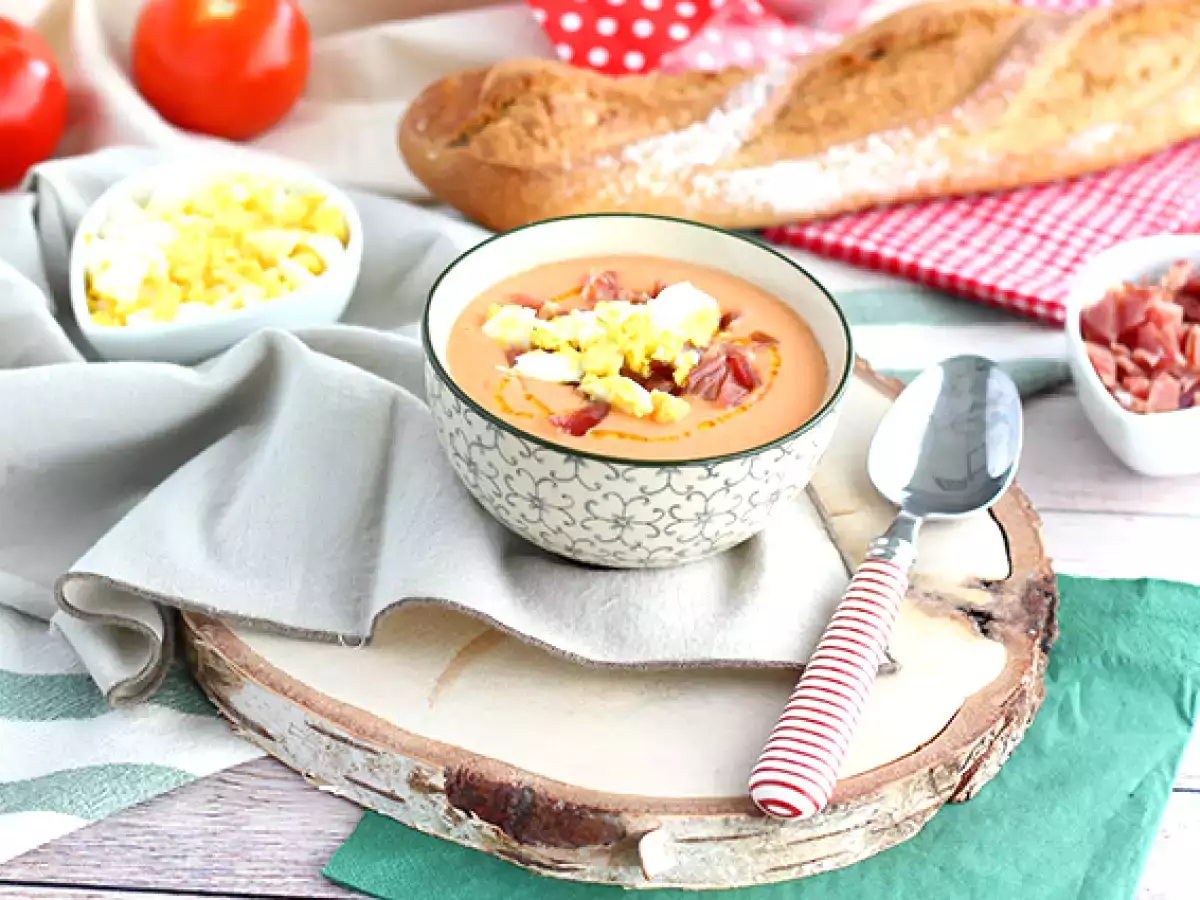
Do you love Spanish gazpacho? You will adore Salmorejo! Hailing from Cordoba (southern Spain), this thick and frothy cold tomato soup will tantalize your taste buds at appetizer time. An extra easy recipe, no cooking required, and it only needs a few...
4. Aged cheeses
Aged cheeses, such as many Manchego, Idiazabal, or Zamorano varieties, develop more flavor as they mature. Proteolysis releases amino acids, bringing out notes of nuts, cooked butter, and broth. Whether grated or in shavings, they enhance roasted vegetables, cream-based dishes, croquettes, or warm salads. That said, if the cheese is good, it’s best to let it take center stage and not pair it with too many other ingredients. In this case, less can be more.
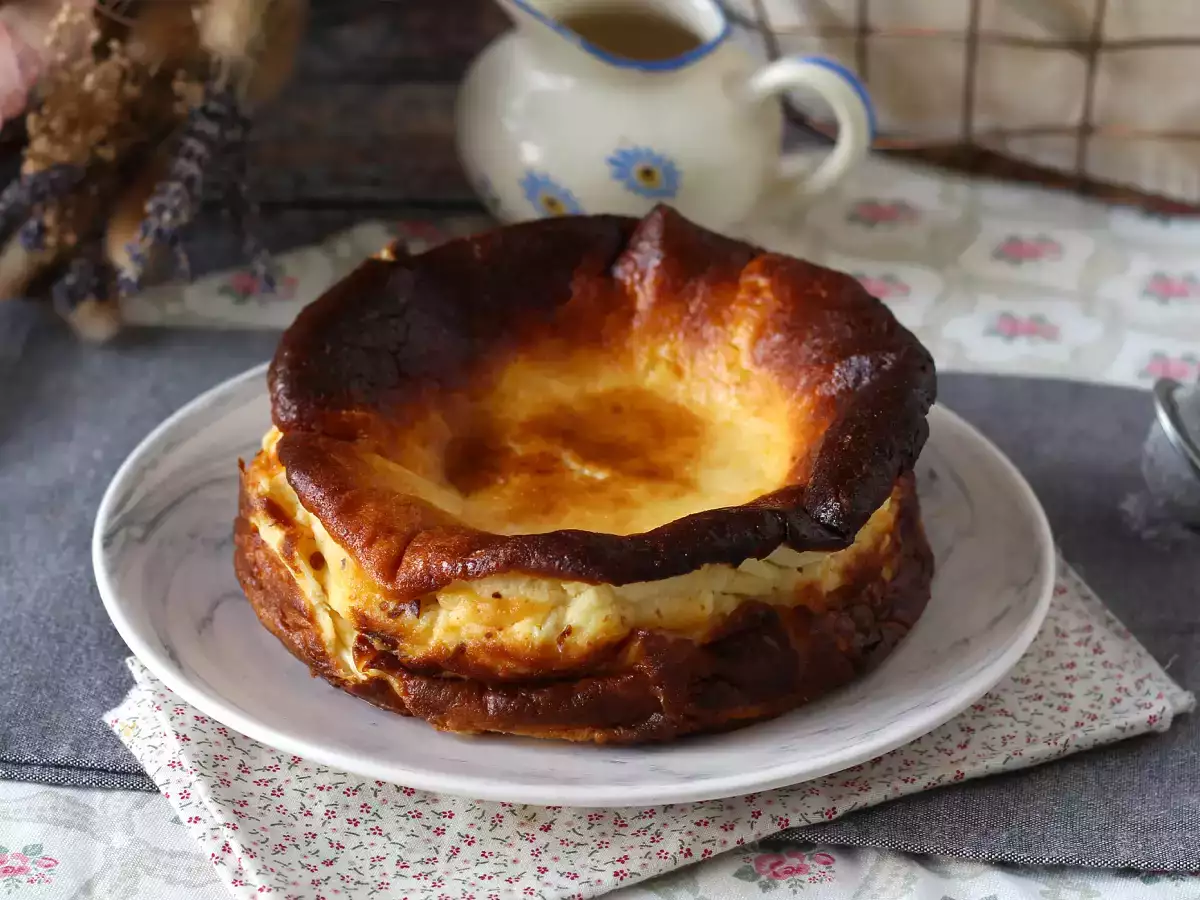
Considered one of the best cheesecakes in the world by the New York Times, let's discover the Basque Cheesecake together! This super fondant cake was born in San Sebastian in Spain, from where it takes its name. In addition to being very easy to...
5. Mushrooms
Mushrooms, whether fresh or dried, provide guanylate, one of umami’s greatest allies. A dried boletus, a “senderuela,” or a black trumpet mushroom can completely transform a rice dish or a lentil stew. In Spain, it’s quite common to enjoy them—sautéed or stewed.
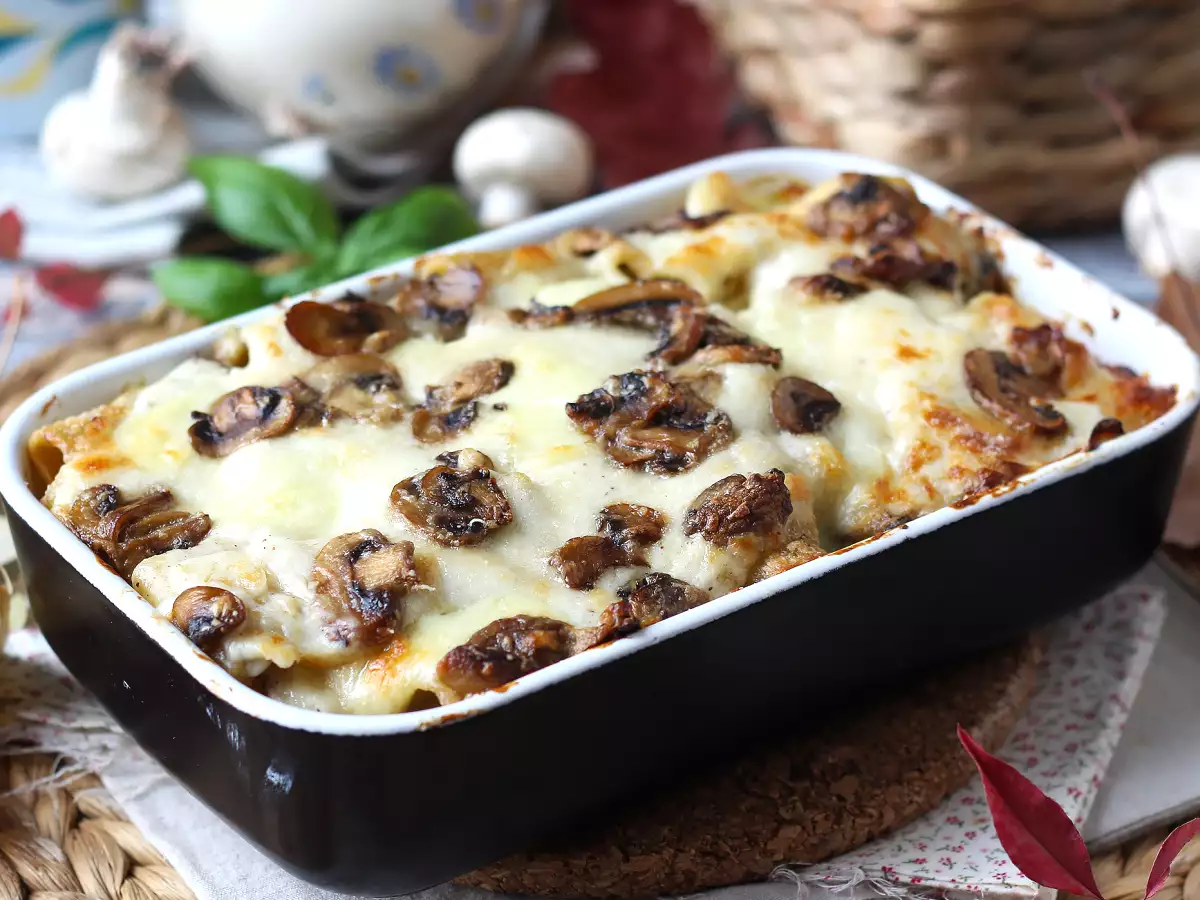
There is an irresistible aroma that fills the kitchen when baked mushroom pasta is ready: a combination of enveloping , buttery and slightly woody aromas that makes you want to sit down at the table right away. It is one of those dishes that...
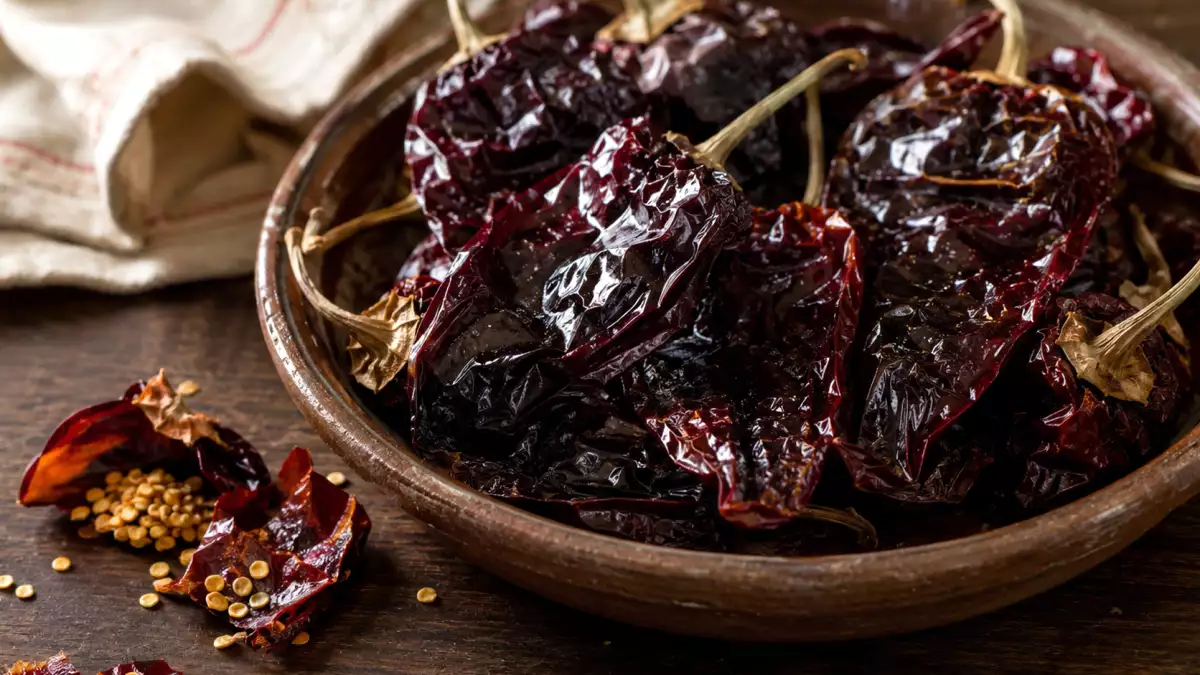
6. Ñoras and choricero peppers: sweetness, mild smokiness, and depth
Ñora peppers and choricero peppers don’t provide umami with the intensity of an anchovy, but they do add depth when they’re rehydrated and their flesh is incorporated into a sofrito. In Alicante-style salmorreta, romesco sauce, or so many northern stews, their flesh adds color, a toasty sweetness, and a sense of a finished dish.
7. Seafood and Fish Broths: When the Stock Takes Center Stage
Shrimp heads, mantis shrimp, mussels, toasted fish bones, or small fish: seafood and fish stocks are central to much of Spanish seafood cuisine. This is where nucleotides like inosinate and other compounds come into play; when properly extracted, they give rice dishes, fideuá, or soups that distinct seaport flavor without being overpowering on the palate. The key lies in controlling the cooking time: a good stock should concentrate flavor without becoming heavy or bitter.
The practical lesson: combine without overloading
 Patricia González
Comments