A simple summer hack: how to freeze eggplant so it tastes good and won’t become spongy in winter
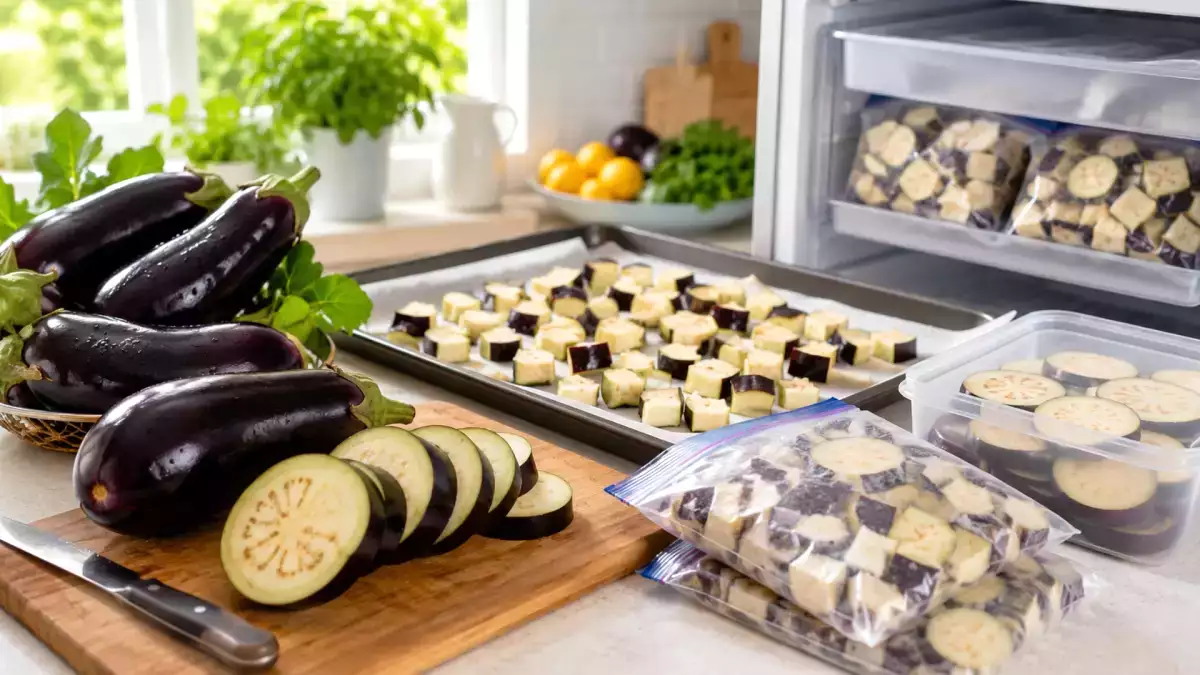
In the summer, eggplants are at their best: glossy, plump, fragrant, and often much more affordable than at other times of the year. You buy them with a parmigiana, then maybe you grab a few more to grill, a couple end up in your cart because they’re on sale, and before you know it, you find yourself with more eggplants than you can cook. At that point, it’s natural to wonder: can you freeze eggplants in the summer to eat them in the winter?
The answer is yes, but with one important caveat: eggplant isn’t just any vegetable. It has a spongy flesh, easily absorbs liquids and fats, and if frozen the wrong way, after a few months it can turn into something mushy, watery, and unappetizing. The risk isn’t so much that they’ll spoil from a storage standpoint, but rather that you’ll end up with a disappointing texture.
Freezing eggplant, however, is a great idea if they’re prepared properly. In winter, they can become the base for a rich sauce, a quick parmigiana, a Mediterranean side dish, a flavorful pasta dish, or a nearly ready-to-bake casserole. The key isn’t just putting them in the freezer, but deciding beforehand how to prepare them, how to cut them, and (most importantly) how much water to remove before freezing.
Why is it a good idea to freeze eggplant in the summer?
Eggplants are at their best in the summer. They’re more flavorful, have a more pleasant texture, and are easy to find at a good price. Freezing them during this time means taking advantage of the season and building up a small supply to use when fresh eggplants are less affordable, less appealing, or simply harder to find in your daily grocery shopping.
There’s also a huge practical advantage. Preparing eggplants takes time: you have to wash them, cut them, sometimes drain them, cook them, grill them, or bake them. If you do this work when you have plenty of them and then freeze them in portions, you’ll have a ready-to-use base during the colder months. That’s no small thing, especially when you want to make a good dinner without starting from scratch.
Freezing eggplant is also a smart way to avoid waste. Unlike other vegetables, eggplants don’t do well when left forgotten in the fridge for too long: they can become mushy, shriveled, and lose their freshness. If you already know you won’t be able to use them all within a few days, the freezer can save your groceries. But only if you prepare them the right way.
Can you freeze raw eggplant?
Technically, yes, you can freeze eggplant raw: just wash it, dry it, cut it up, and put it in freezer bags. It’s the quickest method, but not the one that gives the best results.
The reason is their porous flesh, which is similar to a sponge. During freezing, the water inside turns to ice and breaks down part of the structure. When the eggplant is then thawed or cooked, it can release liquid and become mushy.
Freezing them raw only makes sense for dishes where texture isn’t important, such as creams, well-simmered sauces, pureed fillings, or velvety soups.
If, on the other hand, you want to use them for parmigiana, baked pasta, side dishes, caponata, or stuffed rolls, it’s best to avoid it: the result is often not as good as expected.
The step that changes everything: cook them before freezing them
With eggplant, the real trick is to cook it before freezing it. You don’t need to prepare a full recipe: just a quick cook is enough to remove some of the water and make the flesh more stable.
You can grill them, bake them, sauté them, or blanch them. The choice depends on how you plan to use them: grilled slices for parmigiana and rolls, cubes baked or sautéed for sauces, pasta alla norma, and side dishes, and blanched for a more neutral base.
Pre-cooking reduces the mushy texture after thawing and saves you time in the kitchen. Be careful, though, not to overcook them: they should remain firm, not turn into a paste.
How to Freeze Eggplant in the Summer, Step by Step
To freeze eggplant properly, always start with fresh, firm, and unblemished vegetables. They should have shiny skin, a green stem, and a firm texture. If an eggplant is already soft, very wrinkled, or has dark spots, it’s better to use it right away in a cooked dish rather than storing it for months.
Here’s the easiest method:
- Wash the eggplants under running water.
- Dry them thoroughly with a clean dish towel.
- Remove the stem.
- Cut them into the most convenient shape: slices, cubes, strips, or halves.
- If they’re large or slightly bitter, sprinkle them with a little salt and let them sit in a colander for about 30 minutes.
- Rinse them quickly only if you used a lot of salt, then pat them dry very carefully.
- Cook them according to your needs: grill, bake, sauté, or blanch.
- Let them cool completely.
- Pat them dry again to remove any moisture, excess oil, or cooking liquids.
- Arrange them on a tray in a single layer.
- Place the tray in the freezer for a few hours.
- Once they’re thoroughly frozen, transfer them to freezer bags or airtight containers.
Pre-freezing them on the tray is very important. It prevents the slices and cubes from sticking together and forming a single block. That way, in the winter, you can take out just the amount you need without having to thaw the entire bag.
Is it really necessary to salt the eggplant before freezing it?
Salting isn’t always necessary, but it can help. In the past, it was mainly used to remove bitterness; today, many eggplants are sweeter, but salt is still useful because it draws some of the water out of the flesh.
It’s especially recommended for large, ripe, or seed-filled eggplants. After letting them rest in a colander, pat them dry thoroughly : the goal is to remove moisture, not add it.
If the eggplants are small, fresh, and firm, you can skip this step and move directly to cooking. The trick is knowing when it’s necessary: the spongier ones require more attention.
How should you cut eggplant before freezing it?
Before freezing eggplant, it’s a good idea to think about how you’ll use it in the winter. That way, you’ll avoid using bags that aren’t practical or cutting the eggplant into pieces that aren’t suitable for your recipe.
- Sliced eggplant is ideal for parmigiana, rolls, vegetarian lasagna, and savory pies. It’s best to grill or bake them before freezing, then separate the layers with parchment paper.
- Cubed eggplant is perfect for pasta alla norma, sauces, caponata, couscous, side dishes, and fillings. You can bake them in the oven with a little oil or sauté them in a pan, being careful not to let them get too soft.
- Strips are convenient for stir-fries, wok dishes, hot sandwiches, and quick side dishes. Whole eggplants, on the other hand, are best baked in the oven; scoop out the flesh and freeze it for purées, sauces, meatballs, or fillings.
How do you freeze grilled eggplant?
Grilled eggplant is one of the best foods to freeze: it’s already cooked, takes up little space, and is easy to use in the winter.
Cut them into even slices (not too thin) and grill them on a very hot griddle. They should soften and develop grill marks without drying out too much. Then let them cool completely.
Before freezing them, check that they aren’t damp and pat them dry if necessary. You can arrange them on a tray in a single layer or stack them, separating the slices with parchment paper.
In winter, simply thaw them in the refrigerator or use them in a baked dish. Seasoned with oil, garlic, mint, and vinegar, they make a great appetizer; with tomato and mozzarella, they make a quick parmigiana.
How do you freeze diced eggplant?
Diced eggplant is one of the most versatile cuts for winter. It’s best to cook it first, because when raw, it tends to become too watery.
Cut the eggplants into even cubes. If they’re large, let them sit with a little salt, then pat them dry. Arrange the cubes on a baking sheet lined with parchment paper, add a drizzle of oil if you like, and bake them until they’re slightly soft and dry, but not mushy.
Let them cool, then freeze them on a tray. Once they’re firm, transfer them to freezer bags: this way, they won’t stick together and you can measure them out easily.
In winter, you can use them directly in a skillet with tomatoes, garlic, basil, or spices, or add them to sauces, fillings, savory pies, rice, spelt, or couscous.
How can you keep frozen eggplant from becoming mushy and watery?
The main problem with frozen eggplant is the “sponge effect.” To avoid this, you need to focus on three things: water, cooking, and cooling.
- The first rule is not to freeze them while they’re wet. After washing, they must be dried thoroughly. After salting, they must be patted dry. After cooking, they must cool and lose any excess moisture. Every drop less helps achieve a better texture.
- The second rule is to opt for dry pre-cooking. Grilling, baking, and pan-frying work better than simply boiling when you want to preserve flavor and texture. Blanching may be fine for a neutral base, but for more flavorful eggplant, it’s best to use methods that allow the water to evaporate.
- The third rule is not to put them in freezer bags while they’re still warm. The heat creates condensation, and that condensation turns to ice. Before freezing them, they must be completely cool.
When you’re ready to use them, avoid letting them thaw at room temperature for hours. It’s better to thaw them in the refrigerator or add them directly to a skillet, the oven, or a sauce, depending on the recipe.
How long do frozen eggplants last in the freezer?
Frozen eggplants keep well for about 6 months, especially if they’re cooked, cooled, and stored in freezer-safe bags or containers. For the best flavor and texture, it’s best to use them by winter.
The most important thing is to protect them from air: seal the bags tightly, removing as much air as possible, and use containers with tight-fitting lids. This will prevent frost, odors, and dry spots.
Prepare small portions, already portioned out for a specific recipe: pasta, parmigiana, or a side dish. And always write the date on the bag, so that months later you’ll know exactly what you’re using.
How can you use frozen eggplant in the winter?
Frozen eggplant is incredibly useful in the winter, especially if you’ve prepared it with the right recipes in mind.
- Grilled slices can be turned into quick parmigiana, rolls, savory pies, side dishes with oil and herbs, hot sandwiches, piadina, or focaccia.
- Diced eggplant is perfect for sauces, a simplified version of pasta alla norma, quick caponata, side dishes with olives and capers, vegetable couscous, or fillings.
- Oven-roasted and frozen eggplant flesh is ideal for purées, sauces, meatballs, veggie burgers, and fillings. Just thaw it, squeeze out any excess liquid if needed, and mix it with breadcrumbs, spices, cheese, or legumes.
Mistakes to Avoid When Freezing Eggplant
- The first mistake is to freeze raw eggplant, thinking it will behave the same way as fresh eggplant. You can do this, but it’s not the best method for most recipes.
- The second mistake is not removing the water. Eggplants that are washed and put straight into the bag, slices that aren’t patted dry, cubes that are still damp, or containers sealed with warm vegetables are all small problems that become big ones in the freezer.
- The third mistake is overcooking them before freezing. Precooking is necessary, but it shouldn’t turn the eggplant into mush. They should be soft but still firm enough to handle.
- The fourth mistake is freezing them all together without separating them. The slices stick together, the cubes become a single block, and when you’re ready to use them, you’ll have to thaw more than you need. Spreading them out on a tray prevents exactly this problem.
- The fifth mistake is using eggplants that are already past their prime. If they’re very mushy, bitter, full of seeds, or have damaged parts, the freezer won’t save them. It’s best to freeze only good, fresh, and healthy eggplants.
Finally, don’t refreeze eggplant after thawing it. Prepare sensible portions, use what you need, and keep the rest tightly sealed in the freezer. That way, your summer supply will be truly useful, organized, and ready to bring the flavor of eggplant to your table even in the middle of winter.
 Daniele Mainieri
Comments