Canned chickpeas: do you really need to rinse them before cooking and what changes when you don't?
Monday 7 September 2026 10:00 - Adèle Peyches
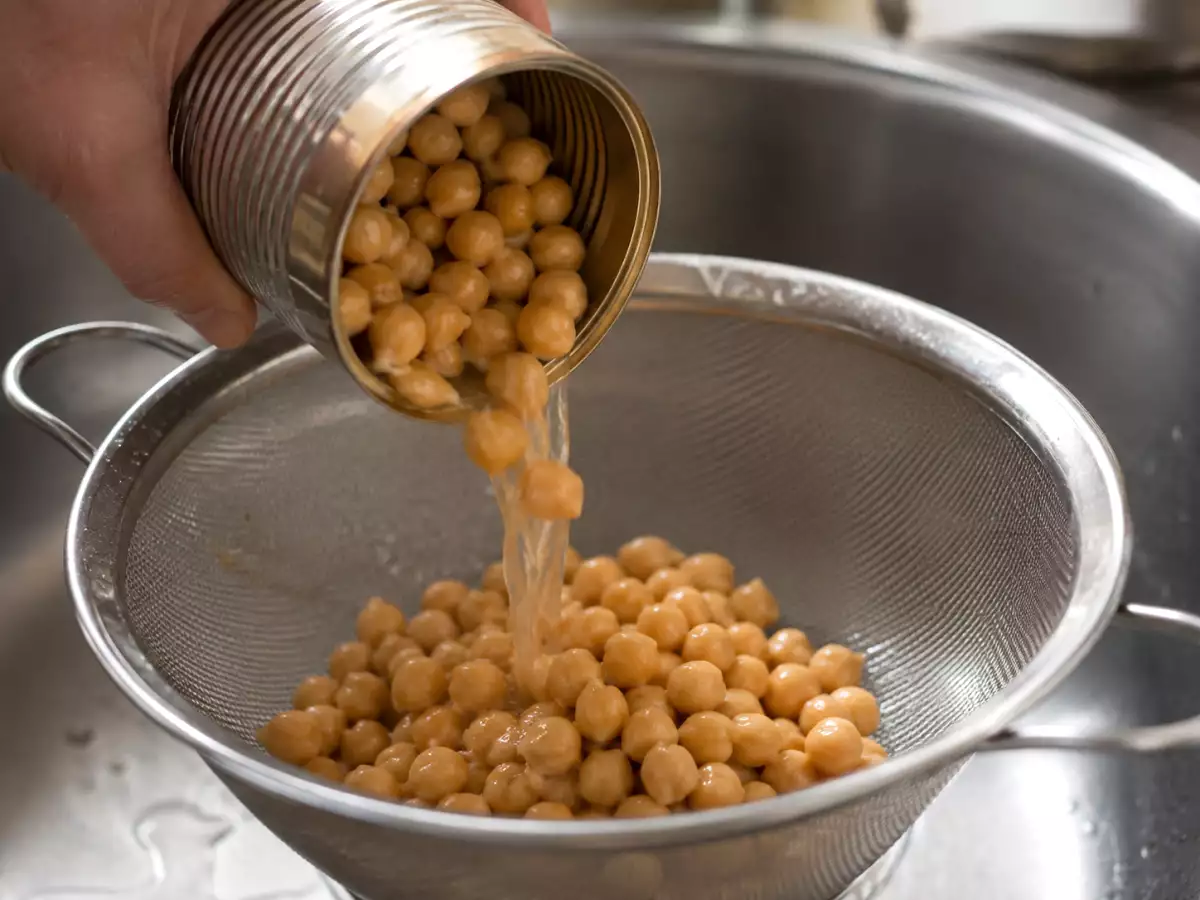
But right after opening the can, a question often comes up: do you really need to rinse canned chickpeas before cooking them? Because between the slightly thick liquid, the canned smell, the foam that sometimes forms, and recipes that call for “keeping the liquid,” you can quickly find yourself hesitating...
Why should you rinse canned chickpeas?
When you open a can of chickpeas, the beans are submerged in a fairly cloudy, sometimes slightly viscous brine. It’s not harmful in itself, but it can give certain dishes a canned taste and a slightly sticky texture.
By rinsing them under cold water, you remove some of this liquid, as well as any excess salt, depending on the brand. The result: the chickpeas have a more neutral flavor, are more pleasant to mix into a salad, and are easier to season to your liking.
This is especially useful when preparing fresh dishes: chickpea salad, bowls, a modern take on tabbouleh, open-faced sandwiches, roasted vegetables, or sandwich fillings. In these cases, rinsing helps achieve a cleaner result that doesn’t taste like it was “taken straight out of the can at the last minute.” In short, for simple, everyday use, the best practice is: drain, rinse, then drain thoroughly again.
By rinsing them under cold water, you remove some of this liquid, as well as any excess salt, depending on the brand. The result: the chickpeas have a more neutral flavor, are more pleasant to mix into a salad, and are easier to season to your liking.
This is especially useful when preparing fresh dishes: chickpea salad, bowls, a modern take on tabbouleh, open-faced sandwiches, roasted vegetables, or sandwich fillings. In these cases, rinsing helps achieve a cleaner result that doesn’t taste like it was “taken straight out of the can at the last minute.” In short, for simple, everyday use, the best practice is: drain, rinse, then drain thoroughly again.
When is it absolutely necessary to rinse them?
If you want to roast chickpeas in the oven, rinsing them is almost essential. Why? Because the brine keeps moisture trapped around the beans. But to get crispy chickpeas, you need to remove as much water as possible.
The right method: drain them, rinse them, then dry them thoroughly with a clean dish towel or paper towels. It’s this small step that makes all the difference. Only then should you add olive oil, spices, curry powder, paprika, or cumin, and then bake them.
Rinsing is also recommended for cold salads. No one wants a thick pool of juice at the bottom of the salad bowl, especially with tomatoes, cucumbers, feta, fresh herbs, or a lemony vinaigrette. The same goes for dishes where you want to control the seasoning: if the liquid is already salty, it can throw the recipe off balance.
The right method: drain them, rinse them, then dry them thoroughly with a clean dish towel or paper towels. It’s this small step that makes all the difference. Only then should you add olive oil, spices, curry powder, paprika, or cumin, and then bake them.
Roasted chickpeas with curry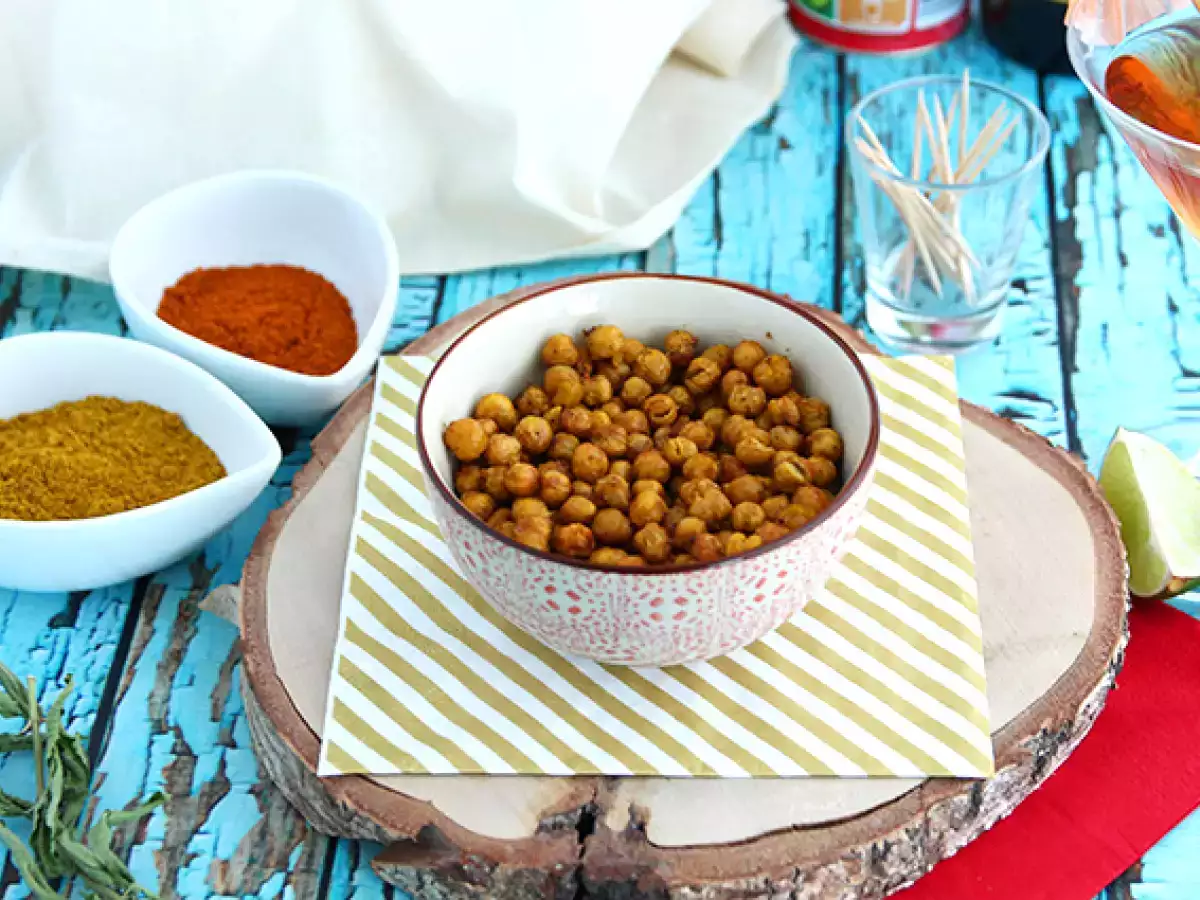
Tired of store-bought chips and overly salty peanuts for appetizers? Try our oven-roasted chickpeas flavored with curry! This super-easy recipe will give you little bites that are crispy on the outside and tender on the inside. A great source of...
Rinsing is also recommended for cold salads. No one wants a thick pool of juice at the bottom of the salad bowl, especially with tomatoes, cucumbers, feta, fresh herbs, or a lemony vinaigrette. The same goes for dishes where you want to control the seasoning: if the liquid is already salty, it can throw the recipe off balance.
How long can you keep the liquid from chickpeas?
That’s where canned chickpeas really come into their own. The liquid that we often pour down the sink is called aquafaba. And in the kitchen, it can be incredibly useful! Thanks to its texture, it can be used in certain plant-based recipes, particularly as a substitute for egg whites in mousses, meringues, or certain sauces.
If you want to use it, don’t rinse the chickpeas right away. Drain them over a bowl to collect the liquid, then keep the aquafaba refrigerated if you’re not using it right away. Afterward, you can certainly rinse the chickpeas separately if your recipe calls for it.
Another situation where you might want to save a little of the liquid: certain blended recipes, like a very creamy hummus. A teaspoon of the liquid can help loosen up the texture. But be careful—it’s best to add it gradually, since the flavor and salt content vary depending on the can.
If you want to use it, don’t rinse the chickpeas right away. Drain them over a bowl to collect the liquid, then keep the aquafaba refrigerated if you’re not using it right away. Afterward, you can certainly rinse the chickpeas separately if your recipe calls for it.
Another situation where you might want to save a little of the liquid: certain blended recipes, like a very creamy hummus. A teaspoon of the liquid can help loosen up the texture. But be careful—it’s best to add it gradually, since the flavor and salt content vary depending on the can.
And when it comes to hummus, do we rinse it or not?
For homemade hummus, both options are available. If you want a very mild and balanced flavor, rinse the chickpeas before blending them with the tahini, lemon, garlic, and olive oil. You can then adjust the texture with a little cold water or a small amount of aquafaba set aside separately.
If you like your hummus very creamy, you can reserve a little of the liquid from the can to thin out the mixture. The secret is not to pour it all in at once. Add it little by little, blend, taste, then adjust.
In any case, don’t just dump the entire can into the blender without thinking. The liquid can add texture, yes, but also a stronger flavor. For a truly indulgent result, it’s best to control the amount.
If you like your hummus very creamy, you can reserve a little of the liquid from the can to thin out the mixture. The secret is not to pour it all in at once. Add it little by little, blend, taste, then adjust.
Creamy lebanese hummus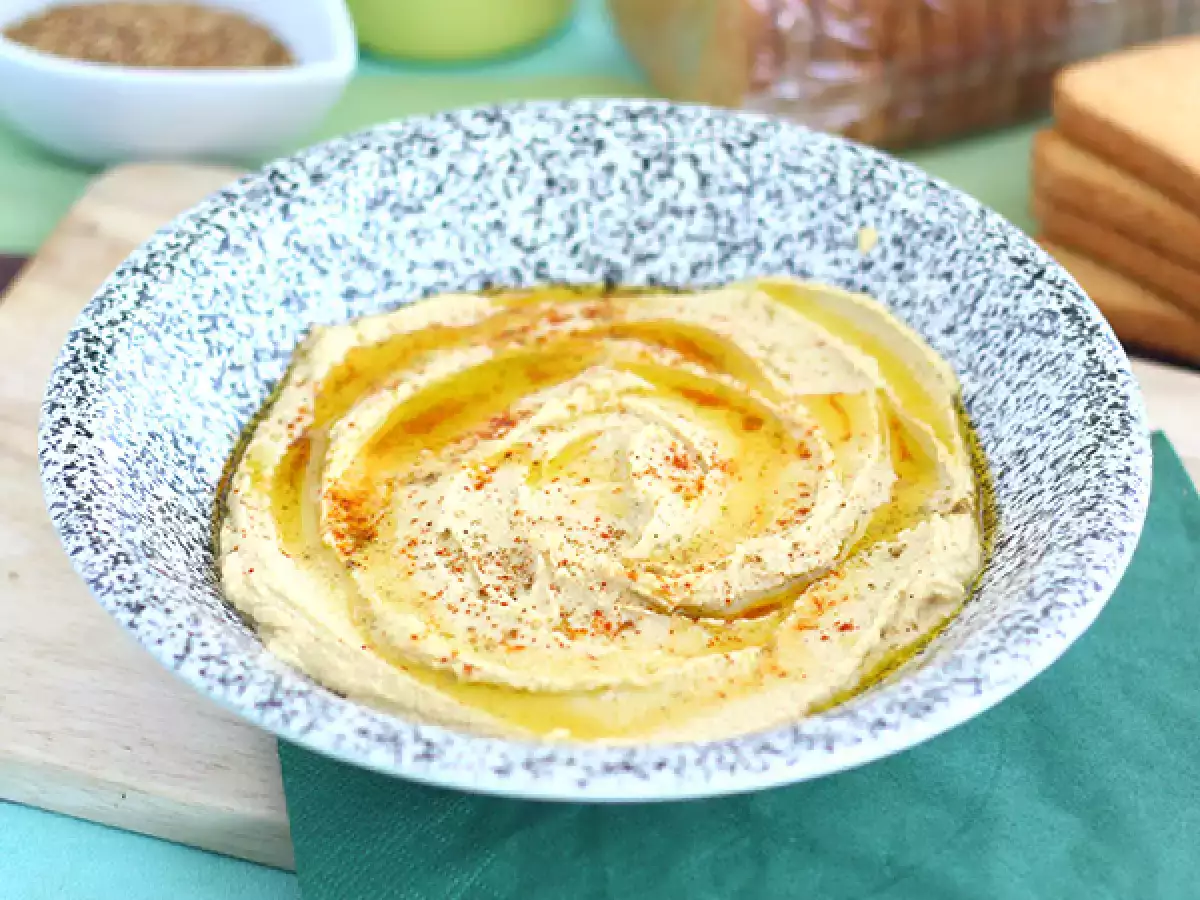
Chickpeas are on the menu today! Enjoy this recipe as a starter or an appetizer, served with pita bread, toast, or crudités ;-)
In any case, don’t just dump the entire can into the blender without thinking. The liquid can add texture, yes, but also a stronger flavor. For a truly indulgent result, it’s best to control the amount.
For slow-cooked dishes, rinsing is still recommended
In a chickpea curry, soup, stew, or stir-fry, you might think that the liquid from the can will blend into the sauce. That’s sometimes true, but rinsing them is often preferable. It gives you a cleaner base to work with, allowing you to add your own flavors: coconut milk, tomatoes, spices, broth, onion, garlic, ginger…
Since canned chickpeas are already cooked, they don’t need to simmer for very long. Instead, add them partway through or toward the end of cooking so they soak up the sauce without getting too mushy. And if you’ve rinsed them well, they’ll absorb the dish’s flavors better.
Chickpea curry: a delicious vegan recipe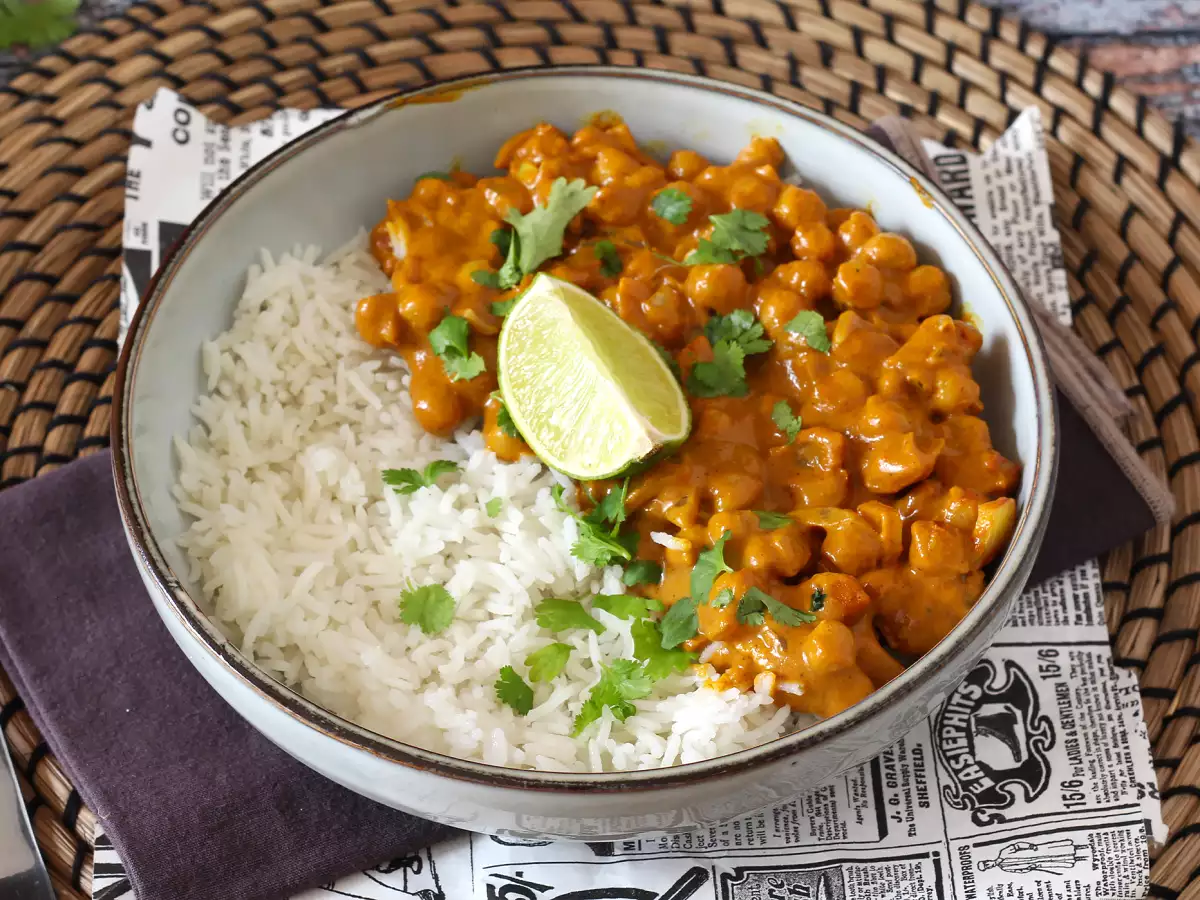
When it comes to comfort food , we're always happy to make room for chickpea curry ! Served with rice, this fragrant dish will take your taste buds on a journey and warm you up :-) Think we're exaggerating? Give it a try and you'll soon be won over...
Since canned chickpeas are already cooked, they don’t need to simmer for very long. Instead, add them partway through or toward the end of cooking so they soak up the sauce without getting too mushy. And if you’ve rinsed them well, they’ll absorb the dish’s flavors better.
The right thing to do
In most recipes, the simplest approach is this: drain the chickpeas, rinse them under cold water, and then let them drain thoroughly. This is ideal for salads, stews, spreads, stir-fries, and especially roasted chickpeas.
The only really interesting exception is aquafaba. If you want to use it, save the liquid before rinsing the chickpeas. That way, nothing goes to waste: the liquid can be used in a recipe, and the chickpeas are ready to cook.
So, should you rinse canned chickpeas? Yes, most of the time. But the next time you open a can, don’t throw away the liquid too quickly… it might just become your little magic ingredient.
The only really interesting exception is aquafaba. If you want to use it, save the liquid before rinsing the chickpeas. That way, nothing goes to waste: the liquid can be used in a recipe, and the chickpeas are ready to cook.
So, should you rinse canned chickpeas? Yes, most of the time. But the next time you open a can, don’t throw away the liquid too quickly… it might just become your little magic ingredient.
 Adèle Peyches
Editorial manager who just can't wait for winter to enjoy fondue! Passionate about gastronomy and always on the lookout for new culinary gems, I first studied law before returning to my first love: the taste of good products and the joy of sharing around the table :)
Comments