Confused by 'high protein' on UK food labels? What the claim actually means for shoppers and buyers
Friday 31 July 2026 12:00 - Juliette Hess
The legal meaning of “high protein” in Great Britain
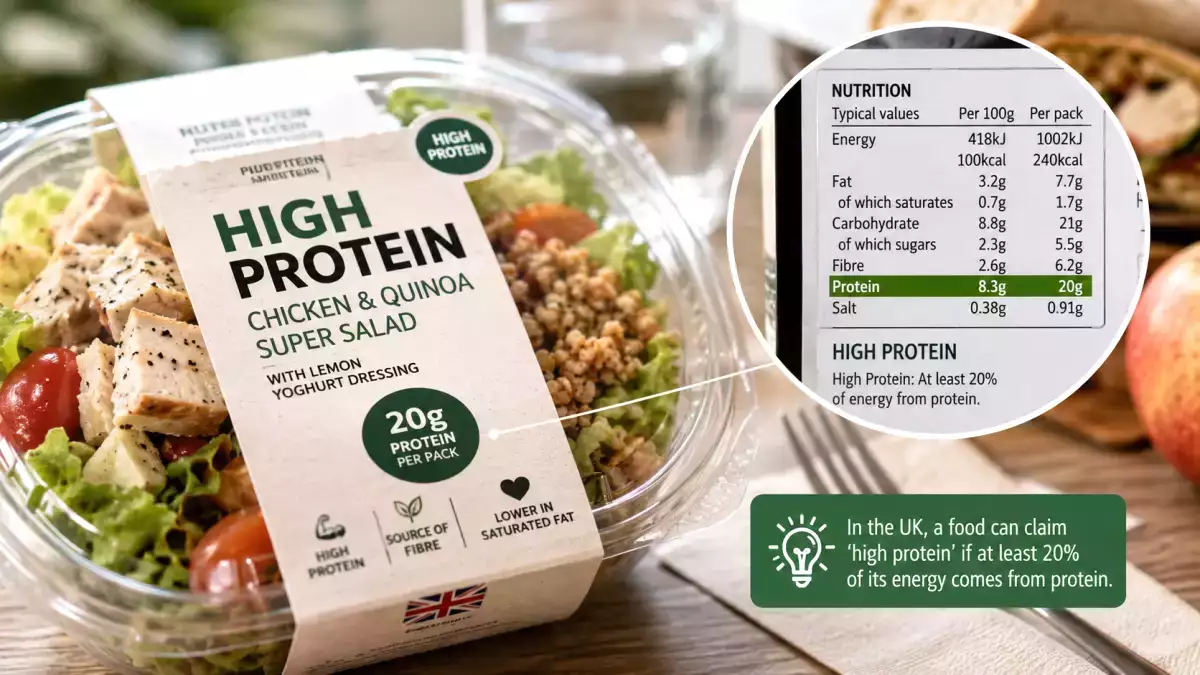
On a British food label, “high protein” is a regulated nutrition claim. A product cannot simply use the phrase because it contains chicken, eggs, cheese, beans or added whey. The test is based on the share of energy supplied by protein. In practical terms, the rule is: at least 20% of the food’s energy value must come from protein. Protein provides around 4 kcal per gram. So, to understand the claim, the relevant question is not only “how many grams of protein are in this pack?” but “what proportion of the product’s calories are coming from protein?” For example, a 400 kcal lunch with 20 g of protein gets about 80 kcal from protein. That means protein supplies 20% of the energy, so it may meet the high-protein threshold. A 600 kcal meal with the same 20 g of protein gets only about 13% of its energy from protein, so the claim would not work in the same way. This is why a smaller chilled salad can sometimes qualify while a larger, richer meal with the same protein grams may not. The label is about protein density, not just protein quantity.
Why protein salads and food-to-go snacks are booming
The rise of the protein salad is easy to understand. British lunch habits have become faster, more portable and more influenced by fitness culture. Many people want meals that feel filling without feeling heavy, especially during warmer months. Retailers have responded with chicken salads, egg pots, grain bowls, yoghurt-based snacks, tuna pasta pots and wraps that put protein at the centre of the message. Greggs is a useful example because it shows how mainstream this trend has become. The chain is still famous for baked goods, but its recent summer performance has also been linked to a broader offer including salads and protein-focused options. That tells us something important: “high protein” is no longer a niche sports-nutrition phrase. It has become part of ordinary food-to-go language. For shoppers, this is both useful and risky. Useful, because protein can contribute to satiety and can make a lunch feel more complete. Risky, because the claim can distract from the rest of the label. A salad with chicken, bacon, croutons, cheese and creamy dressing may deliver protein, but it may also be high in salt or saturated fat. A snack with whey protein may still be sweet, energy-dense or low in fibre.
How to read a high protein food label properly
Start with the front of pack, but do not stop there. “High protein” tells you that the product should meet the regulated protein-energy threshold. It does not tell you whether the meal has enough vegetables, whether the portion is large enough for lunch, or whether the salt level is high. Next, turn the pack around and check the nutrition labels. Look at protein per serving, not only per 100 g. Per 100 g helps you compare products, but per serving tells you what you will actually eat. Then check calories, fibre, saturated fat and salt. A useful food-to-go lunch usually needs more than one strong number. For a protein salad, ask five questions. Does it contain a clear protein source such as chicken, eggs, beans, lentils, tuna, tofu or cheese? Does it include a meaningful amount of vegetables or salad leaves? Is there fibre from pulses, wholegrains, vegetables or seeds? Is the dressing pushing up salt or saturated fat? Is the portion big enough to be a meal, or is it really a snack? This is the difference between a protein claim and a balanced choice. The claim is about meeting a threshold. The choice is about how that product fits into the rest of your day.
Example meal 1: the classic protein salad lunch
A classic protein salad might include lean chicken, eggs, salad leaves, tomatoes, cucumber and a dressing. It can be a sensible food-to-go option when it combines protein with vegetables and a portion size that actually satisfies. But the details matter. A Caesar-style salad can be protein-rich because of chicken, eggs and sometimes cheese. However, croutons, creamy dressing and bacon-style toppings can change the balance. The practical label check is simple: compare protein per serving with salt and saturated fat per serving, then look at whether the bowl contains enough vegetables and fibre. At home, this style of meal can be built around a salad recipe and adjusted with more leaves, extra vegetables and a lighter dressing when needed.
Unbeatable caesar salad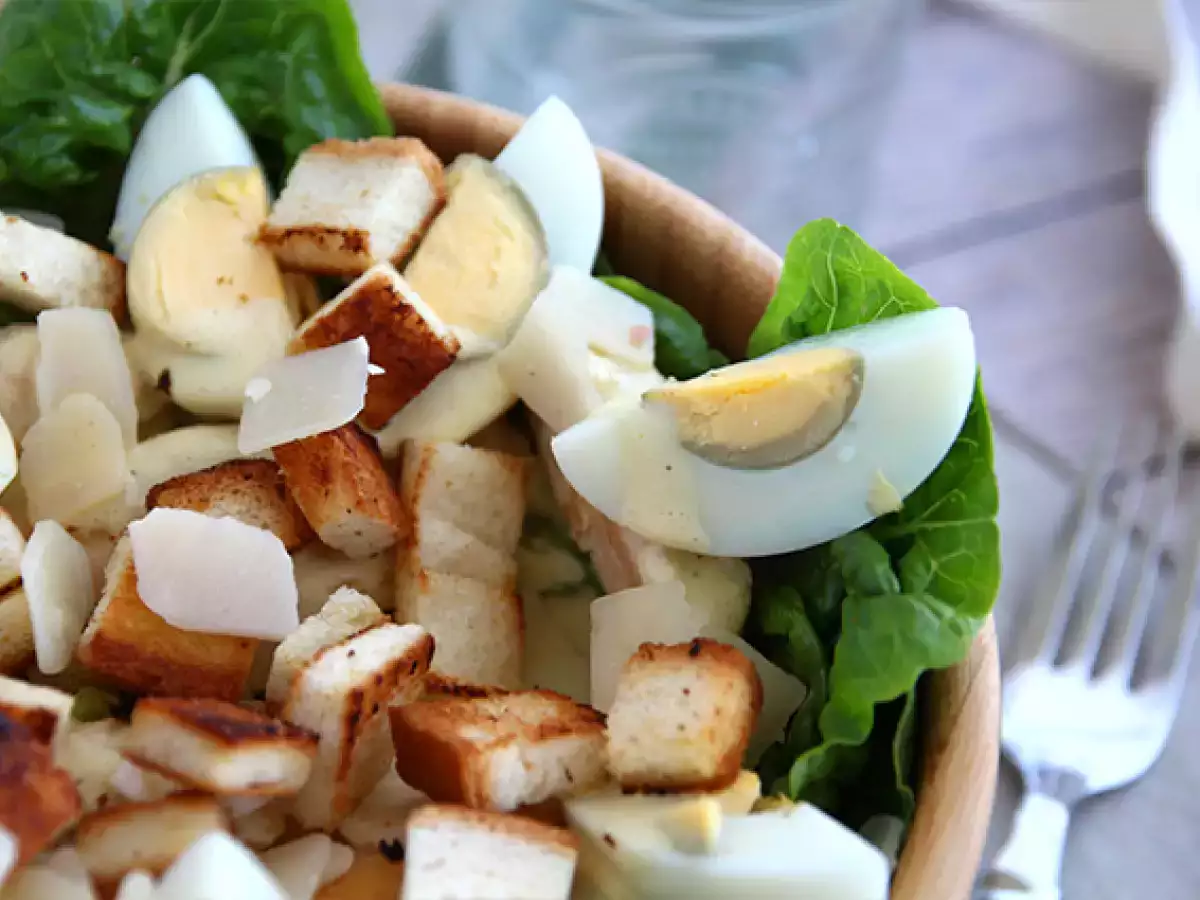
Very well-known, you have certainly ordered a "Caesar salad" at a restaurant before ;-) Why not make it at home this time? Very easy to prepare, the secret of this salad topped with chicken strips lies mainly in its dressing! Simple and effective for...
Example meal 2: the portable wrap or sandwich
A wrap or sandwich can be a high-protein lunch, but bread, sauces and fillings can quickly change the nutrition profile. A wrap with eggs, feta or chicken may provide a useful protein base. Add salad, grated carrot, peppers or leaves, and the meal becomes more complete. Add heavy sauces, lots of cheese or processed meat, and the same wrap may become higher in salt and saturated fat. This is where the high protein food label can be helpful but incomplete. If two wraps both claim protein benefits, compare the whole label. One may have more fibre because it uses wholegrain bread or includes beans and vegetables. Another may have similar protein but much more salt. For a food-to-go shopper, the best habit is to treat “high protein” as the start of the decision, not the end of it.
Soft and super protein-packed egg and feta wrap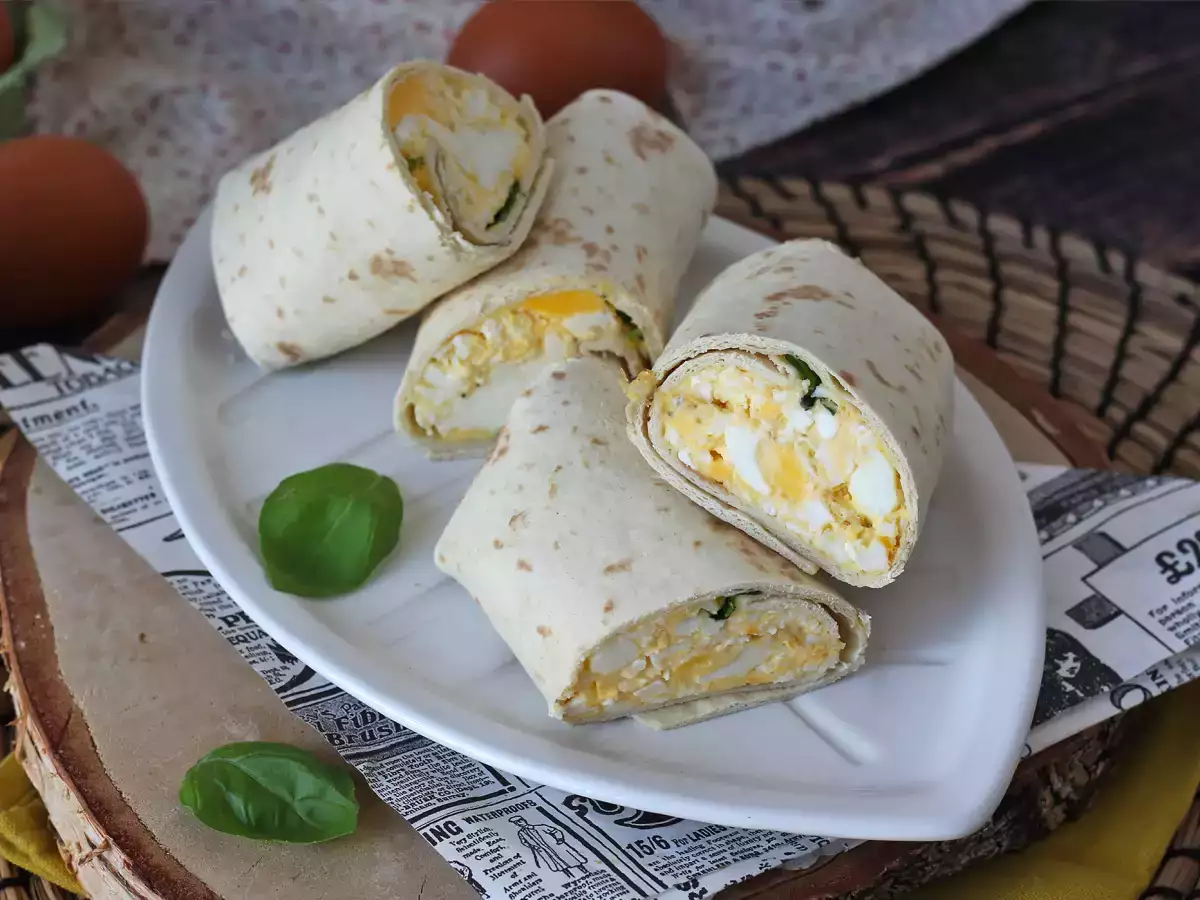
The egg and feta wrap is a quick, light and tasty option for any time of day. The filling is made in the oven and only takes 18 minutes. The recipe can be customized with ingredients such as tomatoes, lettuce or herbs like basil, oregano...
Example meal 3: the lighter snack that still contributes protein
Not every protein product needs to be a full meal. Snack pots, egg-based bites, yoghurt bowls, hummus-style dips and small savoury recipes can help bridge a gap between meals. The question is whether the snack is genuinely useful or simply wearing a health halo. A protein snack can make sense when it gives you something filling alongside fibre or fruit and vegetables. It is less convincing when it is mostly sugar, chocolate coating or fat with a small amount of added protein. Again, the label tells the story: check calories, serving size, sugar, saturated fat and salt as well as protein. If you are putting together a lighter plate at home, a small protein-rich element can sit alongside raw vegetables, salad, wholegrain toast or fruit. That makes the snack feel more balanced than relying on protein alone.
Coral lentil dip
For your appetizer, plan an easy and homemade recipe! Why not try our coral lentil dip? Creamy and flavorful, your guests will love enjoying it with vegetable sticks or chips. Naturally vegan and gluten-free, those with intolerances or allergies will...
What “source of protein” means compared with “high protein”
British shoppers may also see “source of protein”. This is not the same as “high protein”. The threshold is lower: a food may be described as a source of protein when at least 12% of its energy value comes from protein. “High protein” requires at least 20%. That difference matters when comparing labels. A product can be a source of protein without being high protein. Both claims may be legitimate, but they tell you different things about the role protein plays in the food’s overall energy. For SEO searches around protein claims UK, this is one of the most common points of confusion. The claim is not based on a universal grams-per-pack rule. It is based on the proportion of energy coming from protein.
Who should be careful with protein messaging?
For most healthy adults, choosing a protein-rich lunch can be part of a normal balanced diet. But not everyone should chase higher protein intake without context. People with kidney disease, those under medical supervision, pregnant people with specific dietary advice, older adults with complex health needs, and anyone managing a clinical condition should follow guidance from a qualified health professional. That is why it is better to avoid universal promises such as “everyone needs more protein” or “a high-protein meal is always healthier”. The better message is more precise: protein can be useful, but the right amount and source depend on the person, the meal and the wider diet.
The takeaway for UK shoppers
The high protein meaning UK shoppers need to remember is clear: in Great Britain, “high protein” means at least 20% of the food’s energy value comes from protein. It is a regulated claim, not just a trendy phrase. But the smartest shoppers go one step further. They use the protein claim as a prompt to read the full nutrition label. A protein salad can be a good lunch, but it is not automatically balanced. Check vegetables, fibre, salt, saturated fat and serving size. Compare similar products. Think about whether the item works as a meal or only as a snack. The growth of protein salads and fortified snacks in food-to-go is likely to continue because it fits how people now eat: quickly, flexibly and with more interest in nutrition. The label can help, as long as we understand what it really says — and what it does not.
 Juliette Hess
I have been creating culinary content for Petitchef since 2017.
I love travelling and discovering new dishes, trying out new food trends and exploring new restaurants.
I’m a huge fan of pasta and noodles in all their forms ❤ from udon noodles to tagliatelle, I love cooking them and even making them from scratch!
I’m currently preparing, filming and photographing your next recipe, and I hope you’ll enjoy it!
I love travelling and discovering new dishes, trying out new food trends and exploring new restaurants.
I’m a huge fan of pasta and noodles in all their forms ❤ from udon noodles to tagliatelle, I love cooking them and even making them from scratch!
I’m currently preparing, filming and photographing your next recipe, and I hope you’ll enjoy it!
Comments