FDA urges food companies to disclose new additives: what the proposed GRAS disclosure changes mean
Tuesday 11 August 2026 17:00 - Juliette Hess
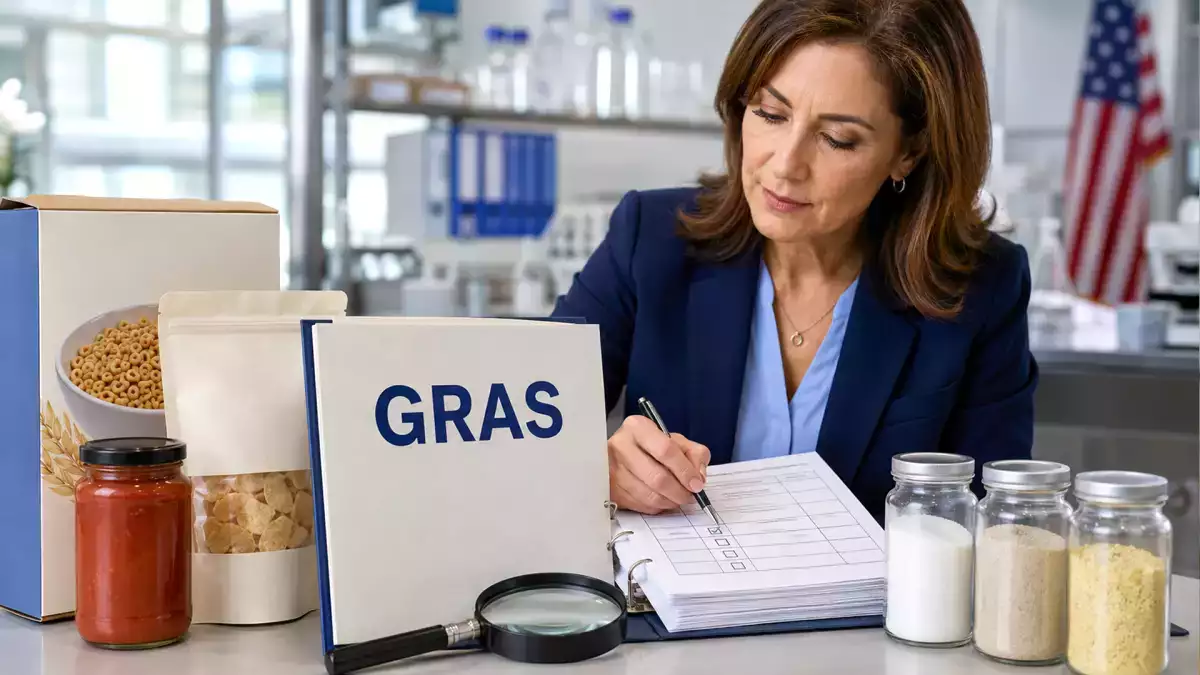
The cheerful version is this: the FDA wants more sunlight. Under the current system, a company that concludes a substance is GRAS for a particular use may notify the FDA, but in many cases that notice is voluntary. Under the new proposal, if finalized, many of those notices would become mandatory. That means the agency would get more information about substances entering the human and animal food supply, and the public would get more visibility too.
This does not mean every ingredient in your snack cupboard is suddenly dangerous. It also does not mean the rule is final today. It is a proposed rule, open for public comment. But it could change how food companies document and disclose the safety basis for substances used in foods, animal foods and some food-contact contexts.
What GRAS means in plain English
GRAS stands for Generally Recognized as Safe. In U.S. food law, a substance can be excluded from the definition of a food additive if it is generally recognized, among qualified experts, as safe under the conditions of its intended use. That phrase matters because GRAS is not a blank permission slip. A substance is not simply “safe forever” in every possible amount, food type or use. It is evaluated for a specific intended use.
Here is the kitchen-counter translation: salt, vinegar or a familiar processing aid might be safe in one context, but the legal question is always about the conditions of use. How much is used? In what food? For whom? Based on what data? The FDA’s proposal focuses on getting those GRAS conclusions and their scientific basis into a more visible, structured system.
Here is the kitchen-counter translation: salt, vinegar or a familiar processing aid might be safe in one context, but the legal question is always about the conditions of use. How much is used? In what food? For whom? Based on what data? The FDA’s proposal focuses on getting those GRAS conclusions and their scientific basis into a more visible, structured system.
What the current system allows
Under FDA’s current regulations, a person or company that concludes a substance is GRAS may submit a GRAS notice to FDA, but that submission is generally not required. The agency describes the current GRAS notification program as voluntary.
That voluntary system has long been controversial because it can allow companies to make independent GRAS conclusions without sending the FDA the full basis for that conclusion before the substance is used in food. The FDA can still take action if a food is unsafe or adulterated, but the agency says it wants more complete information up front so it can oversee the food supply more effectively.
In other words, the issue is not only whether a substance is safe. It is also whether FDA and the public know enough about why a company believes it is safe.
That voluntary system has long been controversial because it can allow companies to make independent GRAS conclusions without sending the FDA the full basis for that conclusion before the substance is used in food. The FDA can still take action if a food is unsafe or adulterated, but the agency says it wants more complete information up front so it can oversee the food supply more effectively.
In other words, the issue is not only whether a substance is safe. It is also whether FDA and the public know enough about why a company believes it is safe.
What the FDA proposal would change
The biggest change is simple but important: the proposed rule would convert the voluntary GRAS notification program into a mandatory GRAS notification program for certain uses of substances in human and animal food. If the rule is finalized, a company introducing a substance into interstate commerce under the GRAS provision would generally need to notify FDA of the basis for its GRAS conclusion, unless an exception applies.
The FDA says this would increase transparency about substances added to food, including substances already in the food supply and substances being introduced for the first time. It would also help the agency determine more efficiently whether a substance use is truly GRAS or whether it should instead be treated as a food additive use requiring FDA premarket review and approval.
That is the heart of the proposal: more disclosure before or around market entry, fewer purely private GRAS determinations, and more information available to FDA.
The FDA says this would increase transparency about substances added to food, including substances already in the food supply and substances being introduced for the first time. It would also help the agency determine more efficiently whether a substance use is truly GRAS or whether it should instead be treated as a food additive use requiring FDA premarket review and approval.
That is the heart of the proposal: more disclosure before or around market entry, fewer purely private GRAS determinations, and more information available to FDA.
Does this cover animal food too?
Yes. The proposal is not limited to groceries for humans. It would amend regulations in 21 CFR parts 170 and 570, which cover substances used in human food and animal food. That matters because ingredients, processing aids and other substances can enter both food systems.
The proposal also discusses substances added indirectly, including some substances associated with food packaging or food-contact uses. The details are regulatory rather than glamorous, but the consumer-friendly point is easy to understand: FDA is trying to build a clearer map of substances used across the food supply, not just the most obvious ingredients listed on a package.
The proposal also discusses substances added indirectly, including some substances associated with food packaging or food-contact uses. The details are regulatory rather than glamorous, but the consumer-friendly point is easy to understand: FDA is trying to build a clearer map of substances used across the food supply, not just the most obvious ingredients listed on a package.
What happens if a company does not submit a required notice?
The proposal says that if the notification requirement is not met for a substance’s conditions of intended use, FDA would consider that noncompliance as a factor in prioritizing food substances for post-market review. That does not mean every missing notice automatically triggers the same outcome, but it does mean the failure to notify would matter.
This is one of the ways the proposed rule tries to strengthen oversight without pretending that FDA can inspect every ingredient decision in real time. A mandatory notice system gives FDA more information to sort risk, ask questions and decide where attention is needed.
This is one of the ways the proposed rule tries to strengthen oversight without pretending that FDA can inspect every ingredient decision in real time. A mandatory notice system gives FDA more information to sort risk, ask questions and decide where attention is needed.
What about substances already on the market?
The FDA proposal recognizes that some substances are already in interstate commerce under the GRAS provision before any final rule would take effect. For certain existing uses, the proposed rule would establish a time-limited option to submit streamlined information instead of initially submitting a full GRAS notice.
This is important because the food supply is already huge. A rule that only looked forward would miss many substances already being used. A rule that tried to instantly process everything at once could be messy. The streamlined option is FDA’s proposed way of creating a bridge for some existing uses while moving the system toward more disclosure.
This is important because the food supply is already huge. A rule that only looked forward would miss many substances already being used. A rule that tried to instantly process everything at once could be messy. The streamlined option is FDA’s proposed way of creating a bridge for some existing uses while moving the system toward more disclosure.
Why consumers might care
Most shoppers do not read the Federal Register for fun, and honestly, that is probably healthy. But the GRAS proposal matters because it touches a simple question: who knows what is being added to food, and when?
If finalized, the rule could give FDA and the public more information about the scientific basis behind GRAS conclusions. It could also help FDA identify substances that may not have enough support to be considered GRAS under their intended conditions of use. That does not mean the proposal will instantly transform grocery shelves. But it could make the system more transparent and easier to oversee.
For consumers who care about food additives, ultra-processed foods, animal food, packaging-related substances or simply clearer food regulation, this is a wonky but meaningful development.
If finalized, the rule could give FDA and the public more information about the scientific basis behind GRAS conclusions. It could also help FDA identify substances that may not have enough support to be considered GRAS under their intended conditions of use. That does not mean the proposal will instantly transform grocery shelves. But it could make the system more transparent and easier to oversee.
For consumers who care about food additives, ultra-processed foods, animal food, packaging-related substances or simply clearer food regulation, this is a wonky but meaningful development.
Why companies might care
For food companies, ingredient suppliers and manufacturers, the proposal could mean more paperwork, more documentation and more formal interaction with FDA. Companies that previously relied on independent GRAS conclusions without notifying FDA may need to prepare and submit GRAS notices for certain new uses after the rule takes effect, if finalized.
The FDA also estimates costs associated with reading the rule, revising standard operating procedures, preparing notices and, for some firms, preparing streamlined submissions for certain existing uses. That is not the fun part of product development, but it is central to the agency’s argument: food safety conclusions should be documented, reviewable and more visible.
The FDA also estimates costs associated with reading the rule, revising standard operating procedures, preparing notices and, for some firms, preparing streamlined submissions for certain existing uses. That is not the fun part of product development, but it is central to the agency’s argument: food safety conclusions should be documented, reviewable and more visible.
What this proposal does not do yet
A very important word here is proposed. This is not a final rule yet. It does not instantly ban ingredients, remove products from shelves or declare that all current GRAS substances are unsafe. It starts a rulemaking process, invites public comment and lays out how FDA wants the system to change.
It also does not mean every food substance must go through the same route. The proposal includes exceptions and discusses different pathways, including threshold of regulation provisions and streamlined submissions for certain existing uses. The details matter, and companies will be reading them very closely.
It also does not mean every food substance must go through the same route. The proposal includes exceptions and discusses different pathways, including threshold of regulation provisions and streamlined submissions for certain existing uses. The details matter, and companies will be reading them very closely.
The takeaway
The FDA’s GRAS proposal is essentially a transparency upgrade. If finalized, it would move many GRAS notices from voluntary to mandatory, requiring companies to tell FDA the basis for concluding that certain food substances are generally recognized as safe under their intended conditions of use.
For consumers, the benefit is not that tomorrow’s cereal box suddenly becomes a legal textbook. The benefit is that FDA would have more information about substances used in food and animal food, and the public would have more visibility into the process. For companies, the message is clear: private safety conclusions may no longer stay so private.
So yes, it is regulatory. Yes, it is technical. But the simple idea is surprisingly easy to like: if a substance is being added to food because a company says it is GRAS, FDA wants to know the basis for that conclusion.
For consumers, the benefit is not that tomorrow’s cereal box suddenly becomes a legal textbook. The benefit is that FDA would have more information about substances used in food and animal food, and the public would have more visibility into the process. For companies, the message is clear: private safety conclusions may no longer stay so private.
So yes, it is regulatory. Yes, it is technical. But the simple idea is surprisingly easy to like: if a substance is being added to food because a company says it is GRAS, FDA wants to know the basis for that conclusion.
 Juliette Hess
I have been creating culinary content for Petitchef since 2017.
I love travelling and discovering new dishes, trying out new food trends and exploring new restaurants.
I’m a huge fan of pasta and noodles in all their forms ❤ from udon noodles to tagliatelle, I love cooking them and even making them from scratch!
I’m currently preparing, filming and photographing your next recipe, and I hope you’ll enjoy it!
I love travelling and discovering new dishes, trying out new food trends and exploring new restaurants.
I’m a huge fan of pasta and noodles in all their forms ❤ from udon noodles to tagliatelle, I love cooking them and even making them from scratch!
I’m currently preparing, filming and photographing your next recipe, and I hope you’ll enjoy it!
Comments