How do you cook red beans so they're tender without turning into a puree?
Sunday 27 September 2026 10:00 - Adèle Peyches
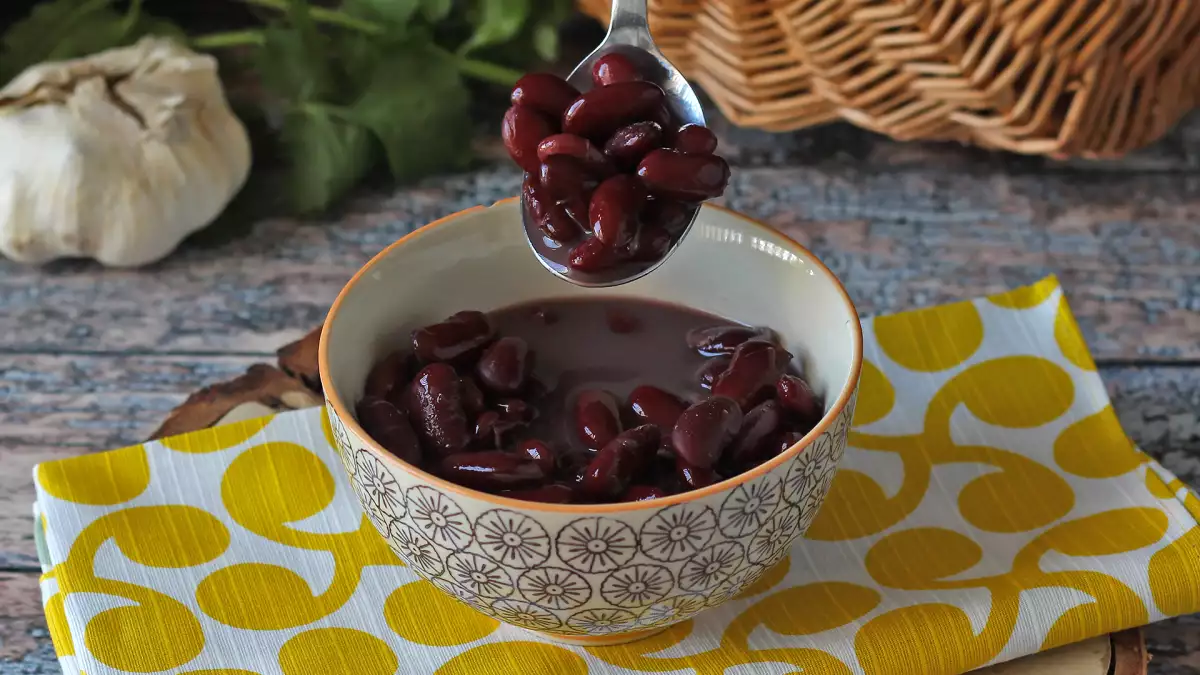
The real secret is knowing which type of red beans you’re working with: dried, soaked, unsoaked, or pre-cooked from a can. The cooking time varies completely depending on the type.
Here are some helpful tips to help you cook them perfectly, stress-free.
Do you need to soak red beans?
For dried red beans, soaking is highly recommended. It helps the beans cook more evenly, shortens the cooking time, and often results in a more pleasant texture.
Place the red beans in a large bowl, cover generously with cold water, and let them soak for 8 to 12 hours. They will swell, so make sure to use enough water.
After soaking, drain the water, rinse the beans, and then proceed with cooking.
Place the red beans in a large bowl, cover generously with cold water, and let them soak for 8 to 12 hours. They will swell, so make sure to use enough water.
After soaking, drain the water, rinse the beans, and then proceed with cooking.
Cooking in a pot after soaking: 1 hour to 1 hour 30 minutes
Once the beans have been soaked and rinsed, place them in a large pot and cover them with cold water. The water should cover the beans by a few centimeters.
Bring to a boil, then reduce the heat to maintain a gentle simmer. Allow about 1 hour to 1 hour and 30 minutes for cooking, depending on the size, age, and quality of the beans.
They’re ready when they’re tender but still hold their shape well. Always taste them before turning off the heat.
Bring to a boil, then reduce the heat to maintain a gentle simmer. Allow about 1 hour to 1 hour and 30 minutes for cooking, depending on the size, age, and quality of the beans.
They’re ready when they’re tender but still hold their shape well. Always taste them before turning off the heat.
Cooking without soaking: possible, but takes longer
Did you forget to soak them? It happens. Red beans can be cooked without soaking, but you’ll need to be patient.
Rinse them, place them in a pot with plenty of cold water, bring to a boil, then let them simmer over low heat. It usually takes 2 to 2½ hours, sometimes a little longer if the beans are old.
Keep an eye on the water level and add more if necessary. The beans should always remain covered.
Rinse them, place them in a pot with plenty of cold water, bring to a boil, then let them simmer over low heat. It usually takes 2 to 2½ hours, sometimes a little longer if the beans are old.
Keep an eye on the water level and add more if necessary. The beans should always remain covered.
Cooking in a pressure cooker: much faster
A pressure cooker is very convenient when you want to save time. After soaking, place the rinsed red beans in the pressure cooker, cover with water, and start cooking under pressure.
Allow about 25 to 35 minutes after the pressure builds for beans that have already been soaked.
Without soaking, cooking may take closer to 45 to 60 minutes. The result depends a lot on the beans, so it’s best to check and cook longer if needed.
Allow about 25 to 35 minutes after the pressure builds for beans that have already been soaked.
Without soaking, cooking may take closer to 45 to 60 minutes. The result depends a lot on the beans, so it’s best to check and cook longer if needed.
Canned red beans: They're already cooked
Canned red beans are the quickest option. They’re already cooked, so there’s no need to cook them for a long time.
Drain them, rinse them under cold water if you want to remove excess liquid from the can, then add them to your dish toward the end of cooking. Allow about 5 to 10 minutes to reheat them in a sauce, chili, or stir-fry.
If you cook them too long, they may fall apart.
Drain them, rinse them under cold water if you want to remove excess liquid from the can, then add them to your dish toward the end of cooking. Allow about 5 to 10 minutes to reheat them in a sauce, chili, or stir-fry.
If you cook them too long, they may fall apart.
When should you add salt to red beans?
For more even cooking, it’s best to add salt toward the end of the cooking process, especially if the beans are dry and you’re worried they might remain firm.
Add the salt once the beans have already started to soften, then let them cook for a few more minutes so the flavor can develop.
As for herbs and spices, they can be added right from the start: bay leaf, garlic, onion, thyme, cumin, or paprika work very well.
Add the salt once the beans have already started to soften, then let them cook for a few more minutes so the flavor can develop.
As for herbs and spices, they can be added right from the start: bay leaf, garlic, onion, thyme, cumin, or paprika work very well.
The key point: don't boil them vigorously
Red beans are best cooked gently. If the water boils too vigorously, the skins may split and the beans may burst.
After the initial boil, lower the heat and keep the water simmering gently. It takes a little more patience, but the result is better.
For a dish where the beans need to stay whole, this is definitely the right approach.
After the initial boil, lower the heat and keep the water simmering gently. It takes a little more patience, but the result is better.
For a dish where the beans need to stay whole, this is definitely the right approach.
How can you tell if they're done?
The best test is simple: taste them. A cooked red kidney bean should be tender all the way to the center, with no hard spots, but not completely mushy.
If the skin is tender but the inside is still firm, continue cooking in 10-minute increments.
Avoid relying solely on the listed cooking time. Older beans may take longer to cook.
If the skin is tender but the inside is still firm, continue cooking in 10-minute increments.
Avoid relying solely on the listed cooking time. Older beans may take longer to cook.
Why do red beans sometimes stay hard?
There are several reasons why beans might remain hard: they’re old, they weren’t soaked long enough, the water is very hard, or they weren’t cooked long enough.
In this case, don’t turn up the heat suddenly. Add a little hot water if needed and continue cooking gently.
The best guide is the texture, not just the clock.
In this case, don’t turn up the heat suddenly. Add a little hot water if needed and continue cooking gently.
The best guide is the texture, not just the clock.
Ideas for cooking them
For a simple staple to keep on hand, here’s a method for cooking red kidney beans.
As a complete meal, rice with red kidney beans and smoked bacon is perfect for a hearty meal.
For a vegetarian option, red kidney bean “steaks” are a great idea.
And if you want a change from the classic, the vegetarian red bean burger works very well.
How to cook red kidney beans in a regular pot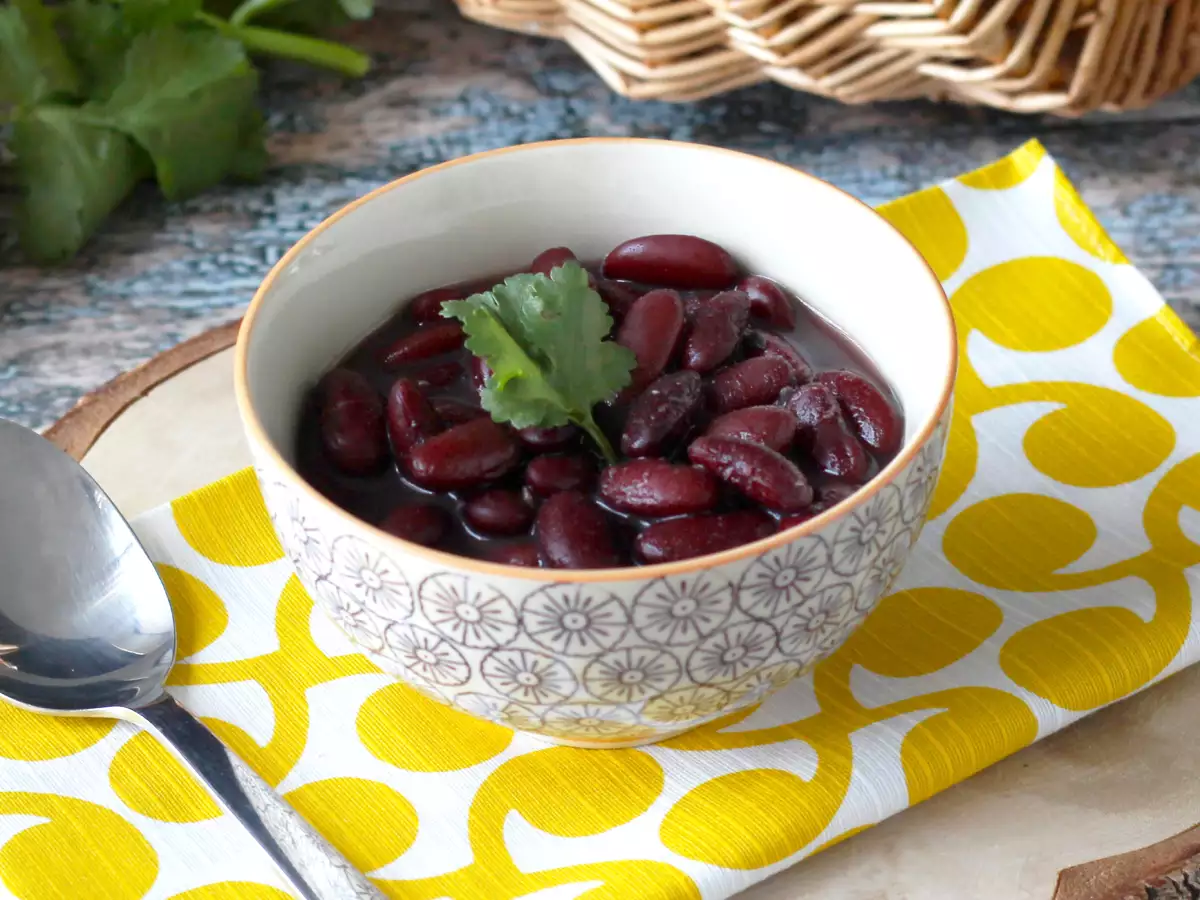
Looking for a simple way to prepare red kidney beans at home? We've got just the recipe! Learn how to cook them in a regular pot and enjoy their nutritional benefits and versatility. Although some people think this process is long and complicated,...
As a complete meal, rice with red kidney beans and smoked bacon is perfect for a hearty meal.
Rice with red beans and bacon: a typical cuban dish
Today, we're going to show you how to prepare a typical Cuban dish : arroz con frijoles, or red beans and rice. This delicious, simple recipe combines red beans , crispy pieces of bacon and a selection of spices, served with white rice. The result...
For a vegetarian option, red kidney bean “steaks” are a great idea.
Vegetarian red bean patties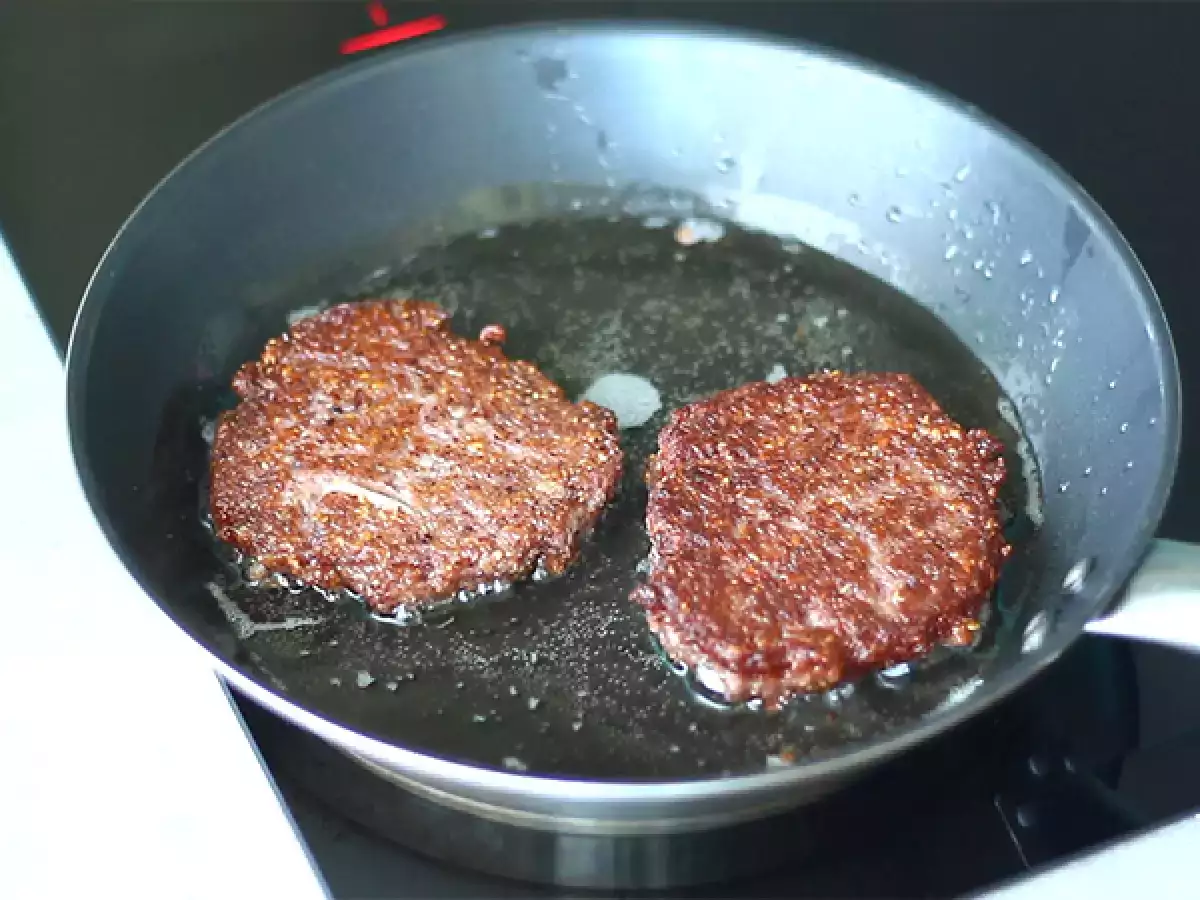
Steaks don't have to be made of meat! This recipe for vegetarian steaks proves it ↓
And if you want a change from the classic, the vegetarian red bean burger works very well.
Vegetarian kidney bean burger
What if we turned our burger into a vegetarian version? Don't worry, you can still enjoy a great patty, but without a trace of meat in it ;-) Find out more below ↓
A handy summary of cooking times
For dried red beans, soak them for 8 to 12 hours. After soaking, cook them in a pot for 1 to 1½ hours. If you don't soak them, cook them for 2 to 2½ hours instead.
In a pressure cooker, allow 25 to 35 minutes after soaking, or 45 to 60 minutes without soaking. For canned red beans, allow only 5 to 10 minutes to reheat them.
In any case, taste them before turning off the heat. That’s the best way to avoid beans that are still hard or overcooked!
In a pressure cooker, allow 25 to 35 minutes after soaking, or 45 to 60 minutes without soaking. For canned red beans, allow only 5 to 10 minutes to reheat them.
In any case, taste them before turning off the heat. That’s the best way to avoid beans that are still hard or overcooked!
 Adèle Peyches
Editorial manager who just can't wait for winter to enjoy fondue! Passionate about gastronomy and always on the lookout for new culinary gems, I first studied law before returning to my first love: the taste of good products and the joy of sharing around the table :)
Comments