How to keep fruit cakes from going mushy: 5 baking mistakes to avoid and practical fixes that work
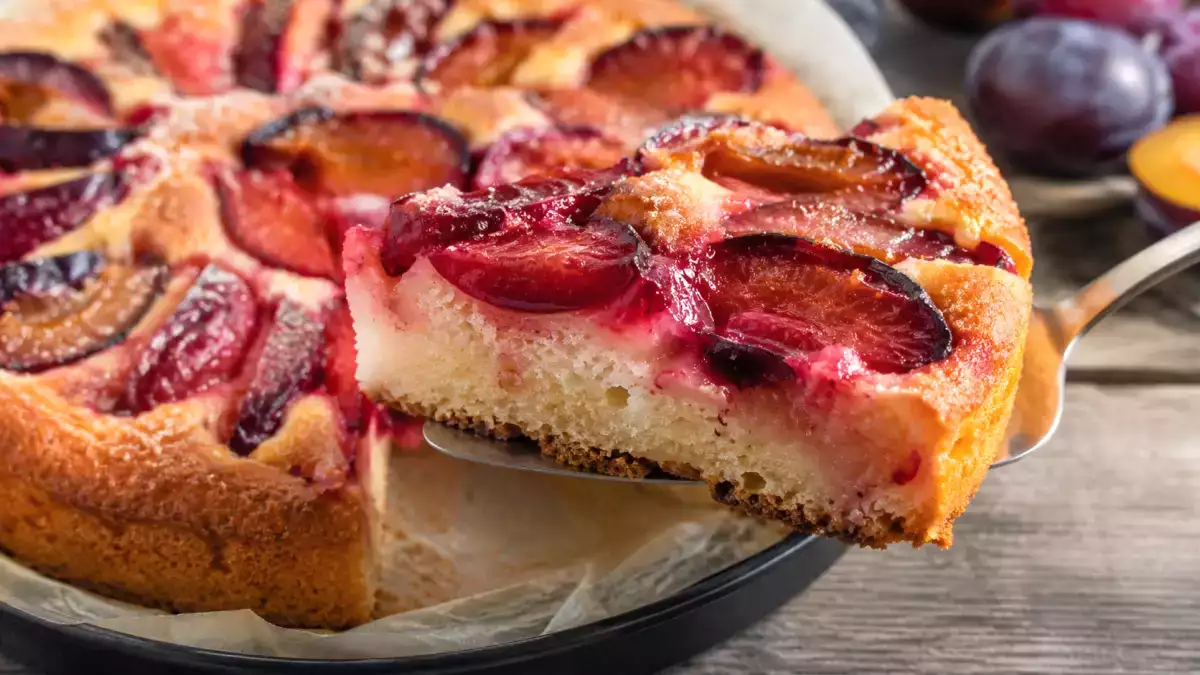
The key factors are how much water the fruit contains and the type of batter used. A light sponge batter reacts differently than yeast dough or shortcrust pastry. With the right techniques, you can prevent the fruit from sinking, the bottom from getting soggy, or the cake from falling apart when you cut into it.
Here are the 5 most common mistakes when baking fruit cakes and the right solution for each type of dough.
Mistake 1: The fruit is too wet or hasn't been drained properly
The solution: Dry washed fruit thoroughly. Let preserved fruit drain completely in a colander and, if necessary, gently pat it dry. Frozen fruit should only be used as specified in the recipe; if it is thawed beforehand, any juice that seeps out must be drained thoroughly.
It’s best not to layer very ripe plums or mirabelle plums too thickly. The more fruit there is on a small area of dough, the harder it is for moisture to escape during baking.
Mistake 2: The fruit sits on a light batter for too long
The solution: Preheat the oven fully, prepare the pan, and don’t add the fruit until the batter has already been poured in and the cake is ready to go into the oven immediately afterward. It’s best to cut very large pieces of fruit into smaller, as uniform as possible pieces.
For a particularly light batter, keep this in mind: don’t automatically fold the fruit in deeply. If the recipe calls for a fruit layer, it’s better to leave the fruit on top of the batter; it will sink slightly only during baking.
Mistake 3: There is no protective layer between the fruit and the dough
The solution: Depending on the recipe , use a small amount of breadcrumbs, ground almonds, or cornstarch. For yeast dough and shortcrust pastry, finely ground almonds or breadcrumbs placed directly under the fruit can absorb excess juice. For very juicy pieces of fruit, a little starch can help bind the liquid that seeps out during baking.
For shortcrust pastry with a particularly moist topping, it may also be helpful to pre-bake the crust briefly, provided the recipe allows for it.
Mistake 4: The baking pan and temperature don't match the recipe
The solution: Use the pan size specified in the recipe whenever possible and preheat the oven. If the top browns too quickly while the center isn’t done yet, the cake can continue baking loosely covered.
When doing the toothpick test, don’t pierce right through a juicy piece of fruit; instead, check a spot of batter between the pieces of fruit. Otherwise, fruit juice can mimic raw batter and skew the result.
Mistake 5: The fruit cake is removed from the pan or cut into while it's still too hot
The solution: Let the cake sit in the pan first, then let it cool sufficiently. Especially moist fruit cakes and tarts become more stable when the fruit juice and filling have time to thicken up a bit.
Shortcrust pastry is also particularly prone to crumbling right after baking. Here, too, it pays to be patient before removing the cake from the pan or cutting it into pieces.
Batter: minimal waiting time and not too much fruit at once
Here’s how to do it better: Dry the fruit, add it just before baking, and don’t pile it too high. For very juicy fruits, a small amount of ground almonds or starch can help. Also, be sure to use the recommended pan size so the batter doesn’t become unnecessarily thick.
A simple fruit cake with a soft cake batter clearly demonstrates why the ratio of fruit to batter thickness is crucial.
Even with a juicy berry cake topped with crumble, the fruit layer should be distributed so that the batter underneath can bake thoroughly.
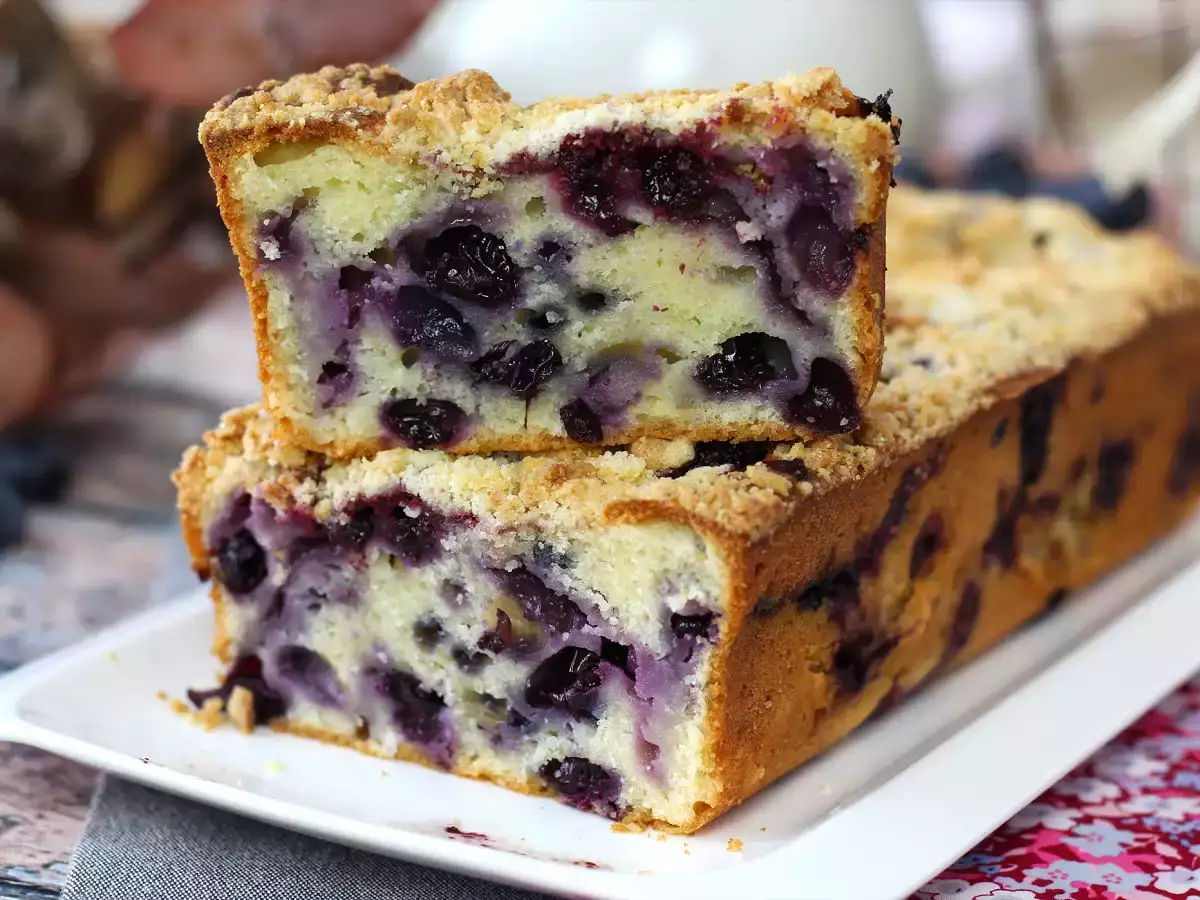
If you've already approved our red fruit crumble tart , then you're going to love this cake ;) Between a moist cake and a crunchy crumble, this crumble cake is the best of both worlds: a melt-in-the-mouth base, topped with a golden crumble that...
Yeast dough: Let it rise first, then top it with the juicy fruit
Here’s a better approach: First, let the dough rise as specified in the recipe. Add very juicy fruits as late as possible, and don’t let the topped cake sit out unnecessarily long before baking. A thin layer of breadcrumbs or ground almonds can also absorb excess moisture when using plums.
Especially with plums, a light and airy yeast dough is a good example of how important the timing of adding the fruit is.
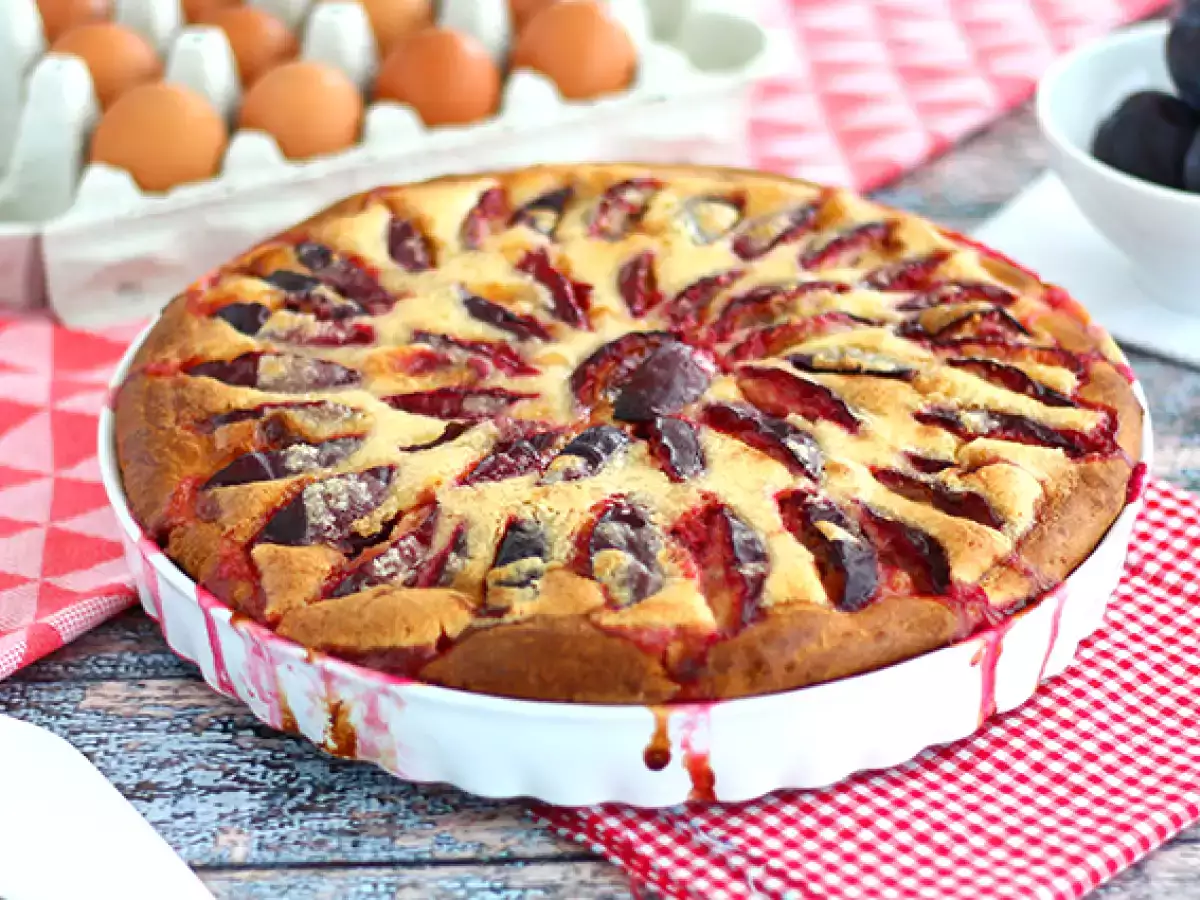
For a dessert that is both soft and fruity, choose our recipe for Plum Brioche Tart! We guide you step by step in making this foolproof recipe for a guaranteed indulgent moment :-) It's also an opportunity to change from classic plum tarts or jams.
Shortcrust Pastry: Protect the Crust from Fruit Juice
Here’s how to do it better: Drain the fruit thoroughly, don’t leave the chilled crust with a moist filling for any longer than necessary, and add a thin layer of almonds or breadcrumbs. For particularly wet fillings, pre-baking the crust can help, if the recipe allows it.
A crumble cake with red fruits and shortcrust pastry clearly demonstrates how important a firm, crispy crust is as a counterbalance to the juicy fruit.
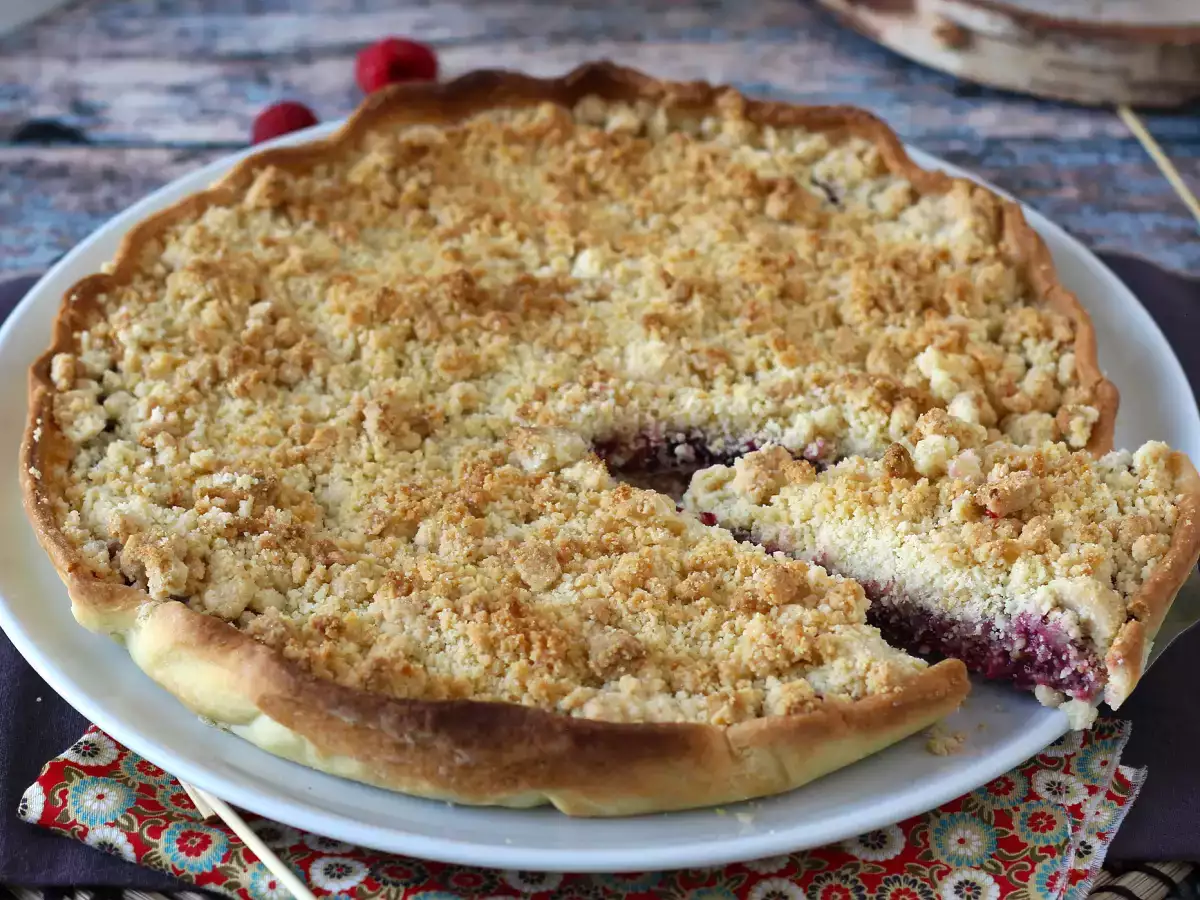
Crumble , this crispy dessert that we love to enjoy a little warm when the temperatures cool down :-) We made a tart version for even more indulgence with a crunchy shortcrust pastry to change from the classic apple crumble ! This super easy to make...
Even with a fruit tart featuring a crispy shortcrust pastry, it’s worth keeping an eye on the moisture content of the cream and fruit.
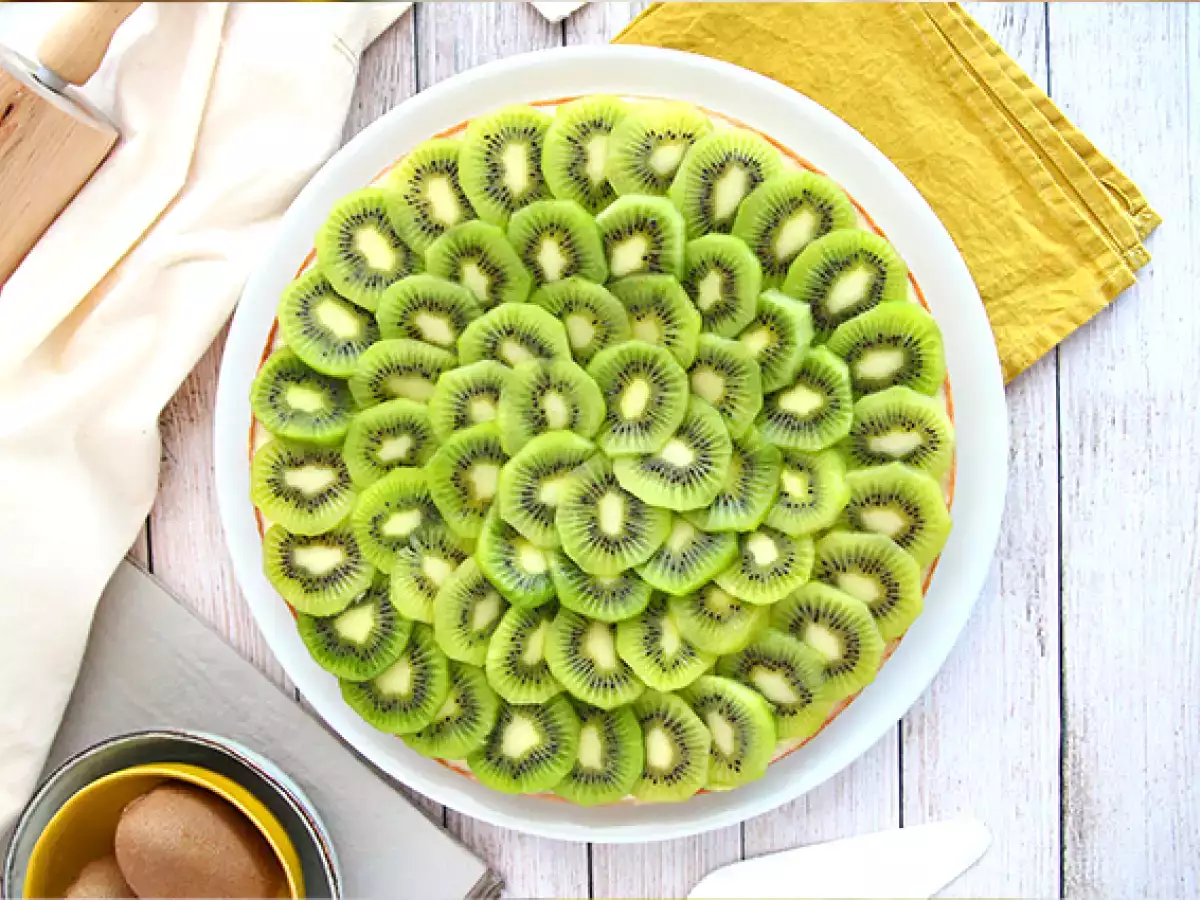
For dessert, opt for a homemade kiwi tart! The sweet and slightly tangy flavors of this fruit will pair wonderfully with vanilla pastry cream and a crispy shortcrust pastry. A simple recipe explained step by step below! An opportunity to brighten up...
Fruit Cake Isn't Rising: How to Find the Cause Quickly
The center is raw, but the edges are done: The pan or batter layer may be too deep, the temperature isn’t right, or the cake needs more time.
The fruit has sunk all the way to the bottom: With a light batter, the fruit may have been too heavy, too wet, or placed on the batter too early.
The cake is very soft when cut: Let it cool completely first and then reassess—hot fruit juice can make a fully baked cake appear significantly softer.
The bottom is soft even though the cake is fully baked: Next time, dry the fruit better, and for yeast dough or shortcrust pastry, use a thin protective layer of breadcrumbs or ground almonds.
Bottom line: Juicy, yes; mushy, no
If you also take the type of dough into account, you can take more targeted action: Top sponge cake batter quickly and bake it right away; let yeast dough rise sufficiently first; and consistently protect shortcrust pastry from moisture. This way, even very juicy plums, mirabelle plums, and berries remain a highlight of the cake—rather than becoming a problem.
 Vincent Sabourdy
I make the best crêpes on the street.
I love accessible recipes, practical advice, and culinary news.
My goal: to offer the best possible culinary website to make cooking a pleasant and shared experience.
Comments