Is your fig jam still too runny? Try this quick kitchen test to know exactly when it's set
Tuesday 15 September 2026 21:00 - Vincent Sabourdy
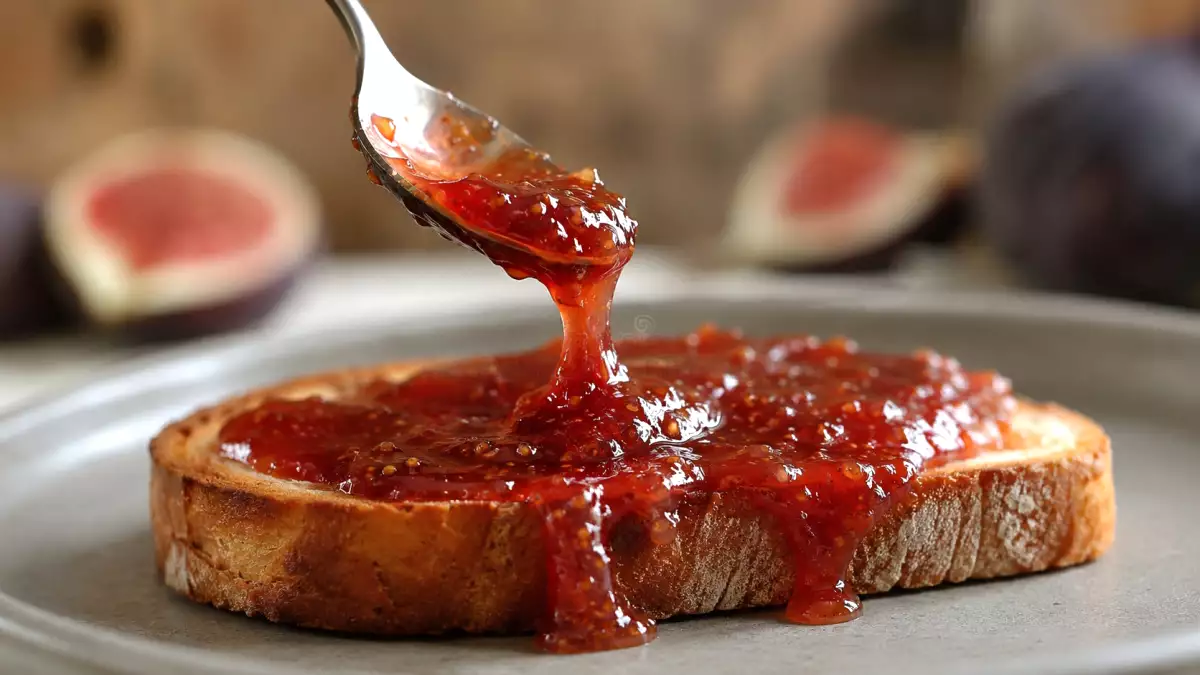
The most useful indicator isn’t just the boiling time, but the cold plate test. It helps you turn off the heat before the jam becomes too thick after cooling. The type of pot used, the acidity from the lemon, the size of the fruit pieces, and when you choose to puree the figs all matter as well.
Why does fig jam seem liquid when it's hot?
Temperature greatly affects the perception of texture. Hot jam is more fluid than the same jam after it has cooled, because the water is still very mobile, and the sugar and pectin haven’t yet reached the consistency they’ll have at room temperature.
That’s why, if you wait for the jam to become very thick right in the pot, there’s a risk of overcooking it. Once cooled, it may become dense, sticky, or hard to spread. The best indicator is how a small amount of jam, cooled separately, behaves.
That’s why, if you wait for the jam to become very thick right in the pot, there’s a risk of overcooking it. Once cooled, it may become dense, sticky, or hard to spread. The best indicator is how a small amount of jam, cooled separately, behaves.
The Cold Plate Test: The Easiest Way to Check Texture
Place a plate in the freezer at least 30 minutes before testing. When you think the jam is almost done, place a teaspoon of jam on the very cold plate. Let the sample sit for about 5 minutes, until it is no longer hot.
Then tilt the plate or gently push the jam with the spoon. If it moves slowly, remains glossy, and doesn’t immediately run like syrup, the texture is close to the final consistency. If it runs quickly, continue boiling for a few more minutes and repeat the test on another cool spot on the plate.
Important: Do not aim for a stiff paste. Fig jam thickens further as it cools.
Then tilt the plate or gently push the jam with the spoon. If it moves slowly, remains glossy, and doesn’t immediately run like syrup, the texture is close to the final consistency. If it runs quickly, continue boiling for a few more minutes and repeat the test on another cool spot on the plate.
Important: Do not aim for a stiff paste. Fig jam thickens further as it cools.
Why does a wide saucepan help jam set faster?
A wide saucepan provides a larger surface area for water to evaporate. This means the liquid reduces more efficiently and the texture becomes more concentrated without the need for unnecessarily long boiling.
Also choose a pot with a thick bottom, which distributes heat more evenly. As the jam thickens, stir more frequently and run the spoon along the bottom and sides of the saucepan. Toward the end, the thick mixture can stick much more quickly than at the beginning.
Also choose a pot with a thick bottom, which distributes heat more evenly. As the jam thickens, stir more frequently and run the spoon along the bottom and sides of the saucepan. Toward the end, the thick mixture can stick much more quickly than at the beginning.
What role does lemon play in fig jam?
Lemon juice isn’t just there for flavor. Its acidity balances the intense sweetness of the figs and helps create the conditions under which the fruit’s natural pectin can form a more stable structure.
However, lemon juice doesn’t instantly turn a runny jam into a thick one. The texture still depends on water evaporation, sugar concentration, fruit ripeness, and cooling. That’s why the most reliable indicator remains the cold plate test, not simply adding more lemon juice.
However, lemon juice doesn’t instantly turn a runny jam into a thick one. The texture still depends on water evaporation, sugar concentration, fruit ripeness, and cooling. That’s why the most reliable indicator remains the cold plate test, not simply adding more lemon juice.
Why You Shouldn't Blend Figs Before Boiling Them
Chopped figs gradually release their juice as they cook. If you puree them very finely from the start, you’ll end up with a thick mixture that heats more unevenly and is more likely to stick to the bottom of the pot as the water evaporates.
For a smooth jam, let the fruit boil first, then puree it toward the end or after it has reached the desired consistency. If you prefer a rustic texture, you can leave some of the pieces whole.
For a smooth jam, let the fruit boil first, then puree it toward the end or after it has reached the desired consistency. If you prefer a rustic texture, you can leave some of the pieces whole.
When to Stop Firing
Stop boiling before the jam looks very thick in the pot. If the cooled sample flows slowly and has body, the jam is concentrated enough. Once it reaches room temperature, it will become firmer.
A sign of overcooking is a texture that becomes thick, very sticky, and almost elastic after cooling. A good jam should remain easy to spread on bread, not behave like a compact paste.
A sign of overcooking is a texture that becomes thick, very sticky, and almost elastic after cooling. A good jam should remain easy to spread on bread, not behave like a compact paste.
What should you do if the jam is still too runny after cooling?
First, check the jam once it has cooled completely. If it’s still too runny, you can put it back in a wide saucepan and boil it in short bursts, repeating the cold-plate test.
Don’t try to compensate by boiling it very vigorously. Gradual reduction gives you more control and reduces the risk of the sugar and fig pulp caramelizing or sticking to the pot.
Don’t try to compensate by boiling it very vigorously. Gradual reduction gives you more control and reduces the risk of the sugar and fig pulp caramelizing or sticking to the pot.
How to Use Fig Jam Once You've Achieved the Right Consistency
A well-set jam should sit on bread without running off immediately, but remain soft and easy to spread. It pairs very well with cheeses, crispy pastries, or desserts where you need a filling that doesn’t run easily.
If you want to make the most of fig season in other dishes as well, you can check out these ideas where the fruit takes center stage.
Croffle, the waffle-style croissant with fig jam, goat cheese and iberian ham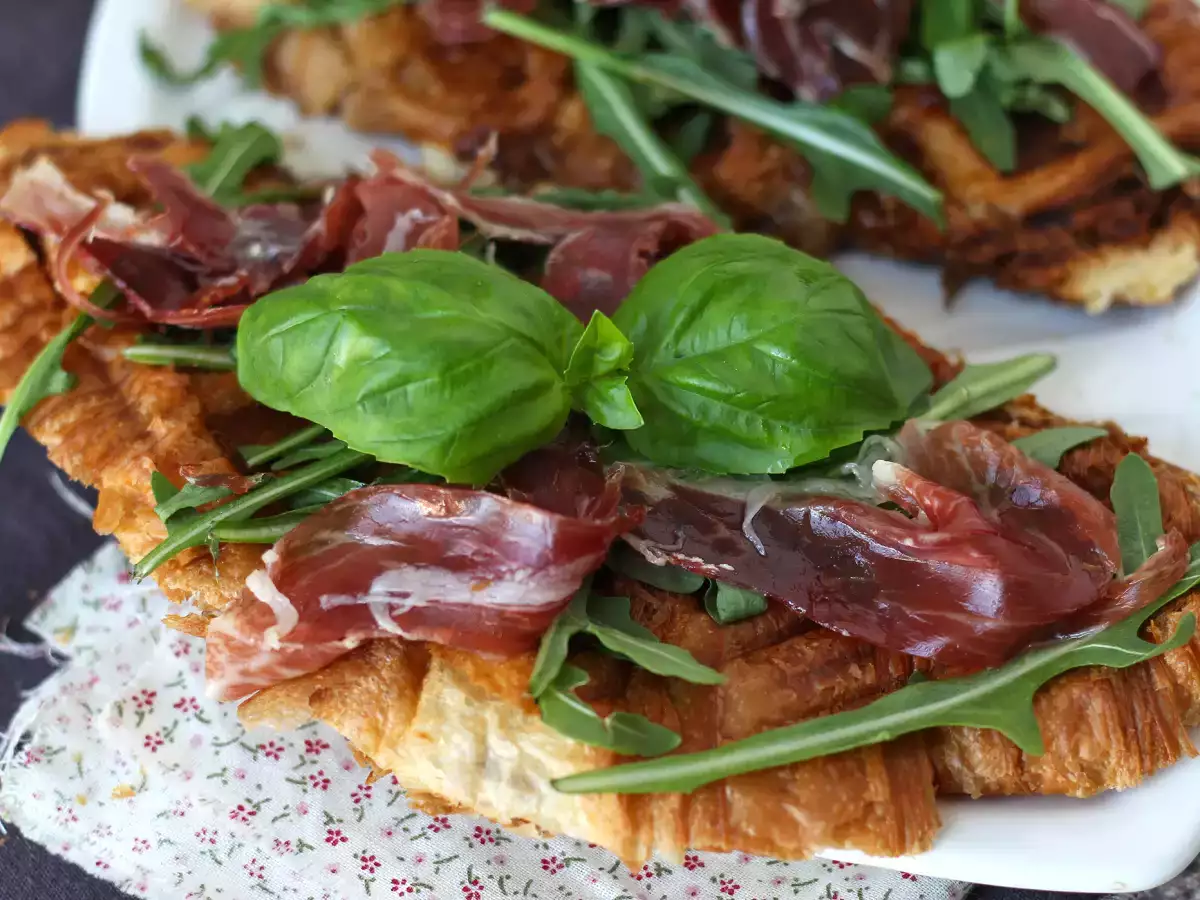
Imagine a croissant and a waffle meeting and deciding to join forces to create something new. That’s how the Croffle was born in South Korea, and it quickly became a worldwide phenomenon. Its name combines croissant + waffle, and its flavor...
If you want to make the most of fig season in other dishes as well, you can check out these ideas where the fruit takes center stage.
Fig, fresh goat cheese, honey and rosemary toasts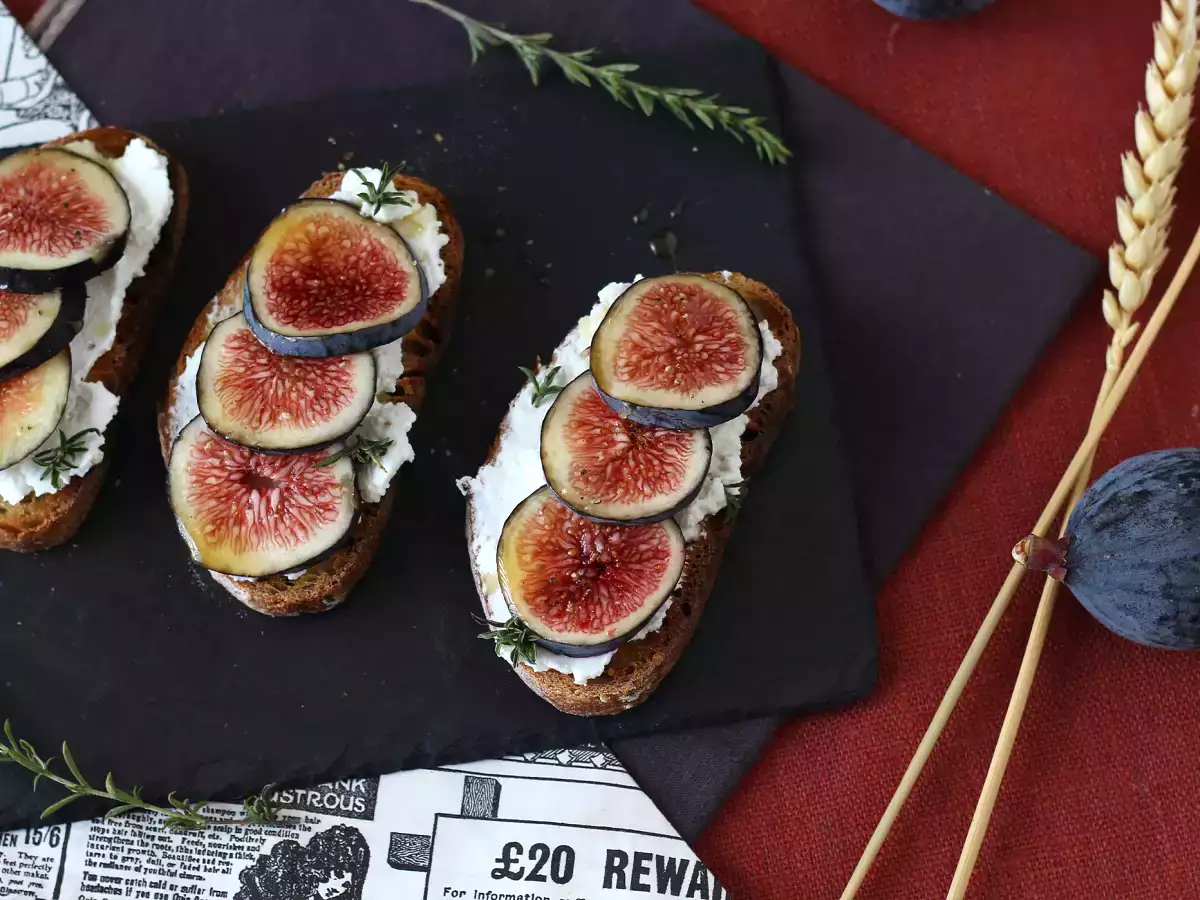
Fig season is well and truly underway, and since it’s short, we’re determined to make the most of it! These little fruits can be enjoyed in countless ways: in a salad , in a tart or in a risotto. This sweet, tender fruit never ceases to amaze us!...
Frequently Asked Questions About the Consistency of Fig Jam
The jam is runny right after boiling. Is that normal?
Yes. While it’s hot, the jam is runnier. Check the texture on a very cold plate and then again after it has cooled completely.
How long should I leave the sample on the cold plate?
About 5 minutes—long enough for it to cool down so you can see how it behaves at a temperature close to serving temperature.
Can I puree the figs in a blender?
Yes, but it’s safer to puree them toward the end of cooking, not before, to reduce the risk of the thick fruit mixture sticking to the pot.
Why did the jam set too much after cooling?
Most likely, it was boiled until it became too thick while it was still hot. Next time, turn off the heat when a cold test runs slowly but isn’t stiff.
Yes. While it’s hot, the jam is runnier. Check the texture on a very cold plate and then again after it has cooled completely.
How long should I leave the sample on the cold plate?
About 5 minutes—long enough for it to cool down so you can see how it behaves at a temperature close to serving temperature.
Can I puree the figs in a blender?
Yes, but it’s safer to puree them toward the end of cooking, not before, to reduce the risk of the thick fruit mixture sticking to the pot.
Why did the jam set too much after cooling?
Most likely, it was boiled until it became too thick while it was still hot. Next time, turn off the heat when a cold test runs slowly but isn’t stiff.
 Vincent Sabourdy
Co-founder and publishing director of Petitchef, I am above all passionate about cooking and the internet.
I make the best crêpes on the street.
I love accessible recipes, practical advice, and culinary news.
My goal: to offer the best possible culinary website to make cooking a pleasant and shared experience.
I make the best crêpes on the street.
I love accessible recipes, practical advice, and culinary news.
My goal: to offer the best possible culinary website to make cooking a pleasant and shared experience.
Comments