Is your gratin releasing water? The 5 mistakes that keep it from browning properly
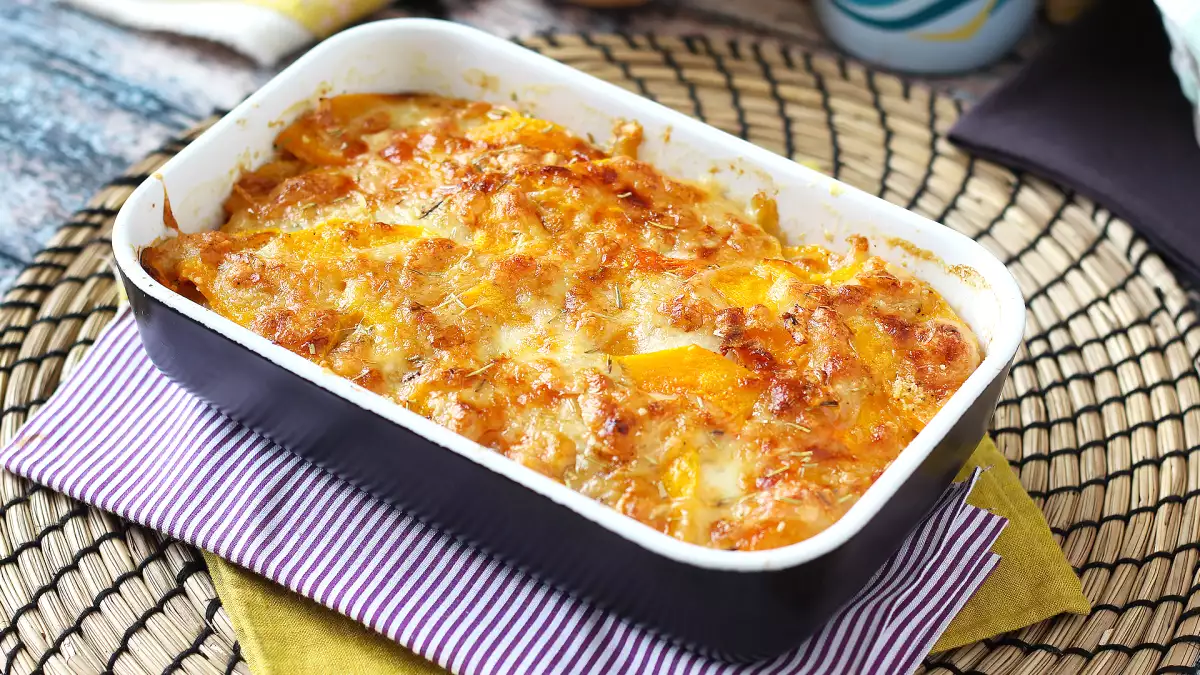
1. Putting vegetables that are too wet directly into the dish
For vegetables with a high water content, pre-cooking is often helpful. Sauté the mushrooms or zucchini for a few minutes in a skillet, then let the excess liquid evaporate. Spinach must be thoroughly drained, especially if it’s frozen.
The goal isn’t to cook the vegetables all the way through, but to remove some of their moisture before baking.
2. Adding too much cream, milk, or sauce
Vegetables also continue to release water during cooking. So you need to take this moisture into account before adding the sauce.
Pour just enough sauce to coat the ingredients and bind them together. The sauce should accompany the gratin, not completely cover the vegetables. If you’re using a béchamel, a slightly thick texture often holds up better during cooking than a very runny sauce.
3. Not draining pre-cooked ingredients thoroughly enough
After cooking, let them sit in a colander for a few minutes. For potatoes or cauliflower, you can even let them air-dry briefly so the steam can escape.
This step may seem minor, but it prevents adding unnecessary water. It’s particularly important for gratins that already contain cream, tomato sauce, or fresh cheese.
4. Bake the gratin in an oven that isn't hot enough
Preheat the oven thoroughly before placing the dish inside. For most gratins, a temperature of around 190 to 200 °C works well, though this should be adjusted according to the recipe and the size of the dish.
Place the gratin in the center or slightly higher in the oven to promote browning. If everything is cooked but the top is still pale, a few minutes under the broiler can finish the job. Watch carefully: the cheese can brown very quickly.
5. Covering the dish for too long
This moisture then condenses back into the dish and prevents the surface from drying out enough to brown. If your recipe calls for a cover, remove it during the final stage of cooking.
Browning requires fairly dry heat on the surface. This is when the cheese browns and the crust begins to form.
Cheese helps create a nice browning effect, but you have to spread it evenly
Parmesan, Emmental, Comté, or breadcrumbs can help create a crispier surface. Mozzarella works very well for a melt-in-your-mouth texture, but it can release water depending on the product used.
If you’re using fresh mozzarella, drain it well before spreading it over the gratin. For a more golden top, you can also mix it with a drier cheese.
The dish you choose can also affect the outcome
For vegetables that release a lot of water, it’s best to avoid overfilling the dish. A slightly thinner layer facilitates evaporation and allows the top to brown more evenly.
The wetter the mixture, the more advantageous a wide dish becomes.
A few gratin recipes to try

Looking for a simple, comforting and tasty side dish ? This potato and mushroom gratin has it all. With the tender potatoes, the delicate fragrance of mushrooms sautéed with garlic and shallots, and the richness of the cream, every bite is a real...
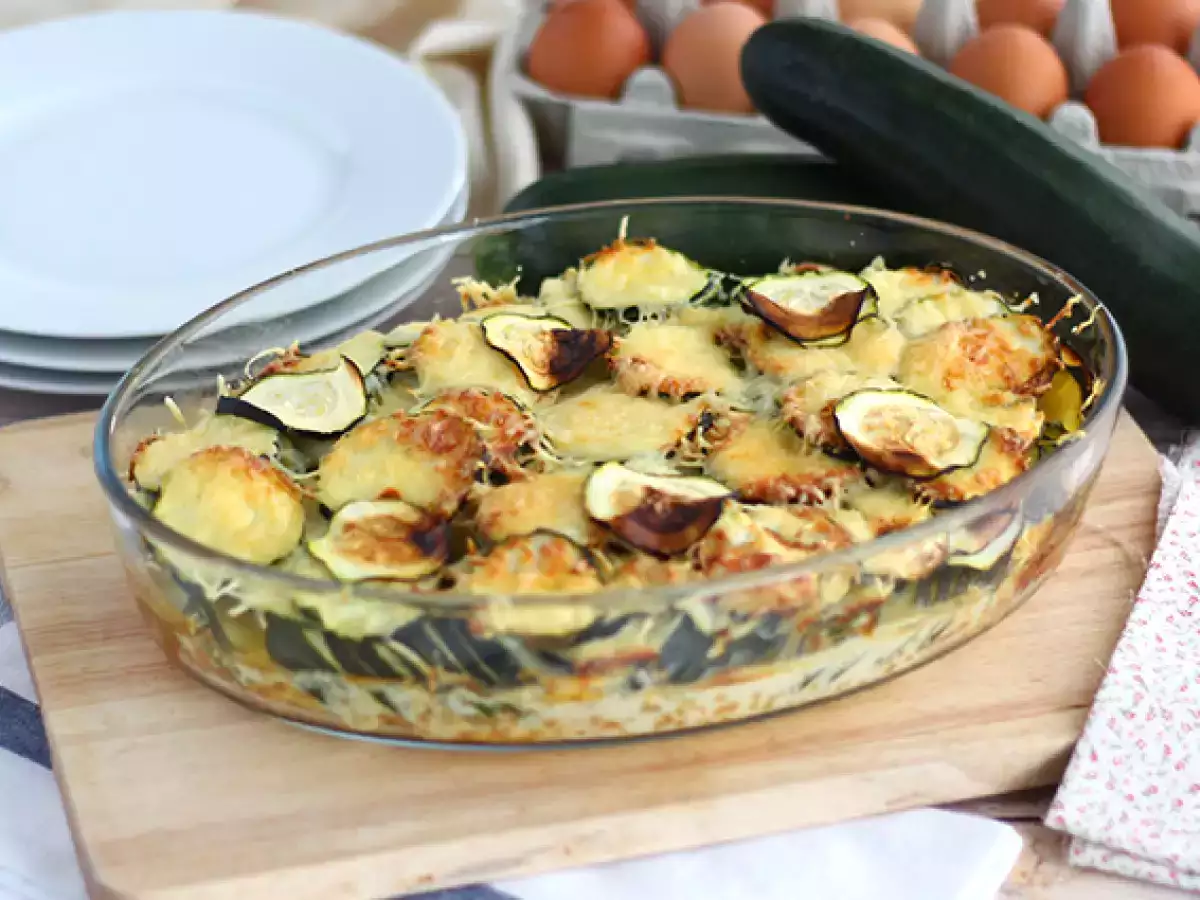
We all know pasta, rice and potato gratins... why not try our zucchini gratin ? Easy and delicious, it’s a great way to get the whole family to eat vegetables. A perfect side dish for meat or fish, this gratin is especially tempting thanks to the...

The vegetarian pumpkin parmigiana offers a rich and satisfying sensory experience, ideal for those who enjoy delicate flavors that are well balanced. The golden, gratinated top , enhanced by melted cheese, creates an inviting contrast with the...
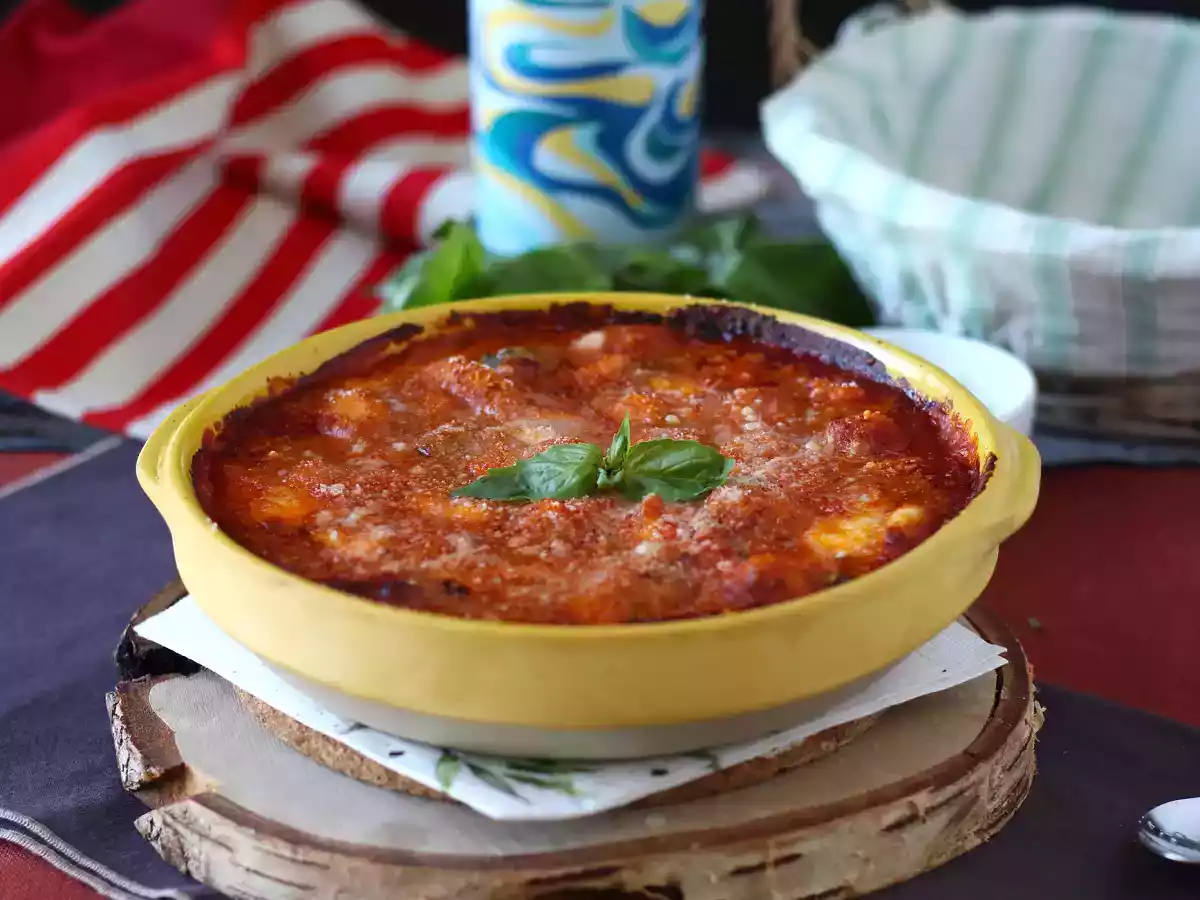
If you're looking for an ultra-comforting dish that's super easy to make, you've come to the right place! Today, we're treating ourselves to a tomato and mozzarella gnocchi gratin , also known as gnocchi alla sorrentina . Just imagine:...
 Adèle Peyches
Comments