Leftovers taste better tomorrow: here’s how to reheat them safely
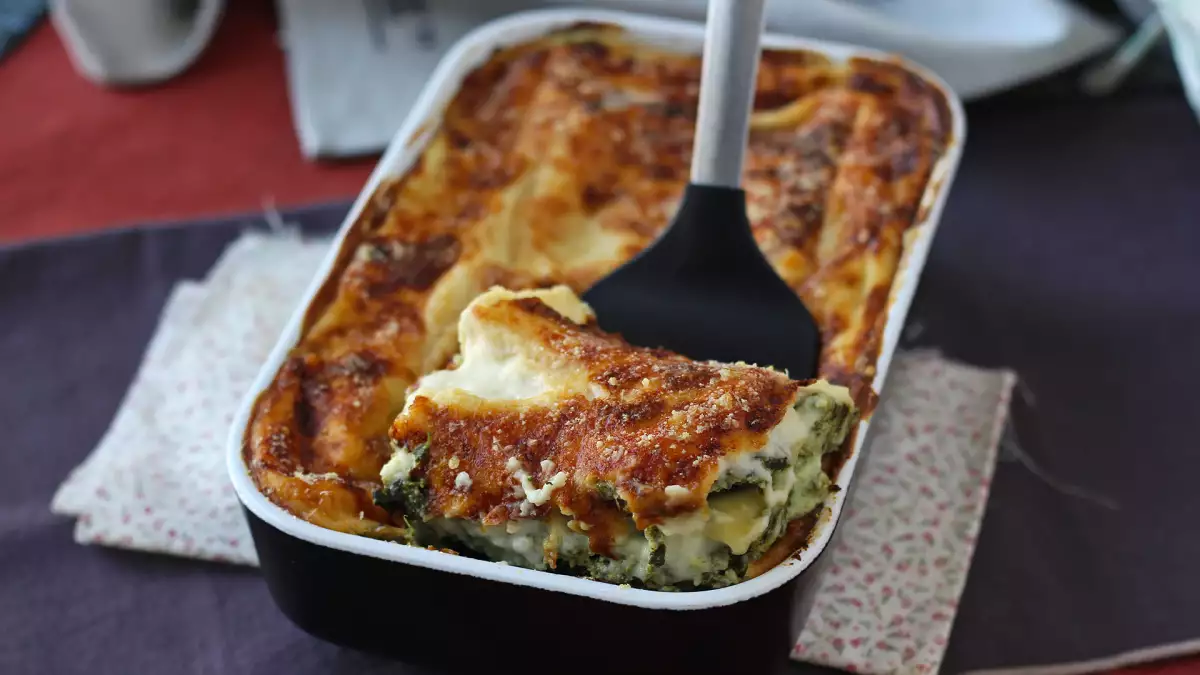
The key is knowing which dishes are built for leftovers and how to handle them safely. Rich, saucy, slow-cooked or baked meals usually reheat beautifully, while delicate fried foods and crisp salads often lose their charm. With the right storage, a gentle reheating method and one simple food-safety rule, yesterday’s dinner can become today’s best meal.
Why some dinners taste better the next day
This is especially true for dishes with slow-cooked onions, garlic, herbs, tomatoes, wine, broth, legumes or tender meat. Instead of tasting like separate ingredients, they become one rounded, cozy dish. It is also why these recipes are perfect for batch cooking, Sunday dinners and busy-weeknight planning.
The safest way to store tomorrow’s dinner
For most cooked leftovers, plan to eat them within 3 to 4 days or freeze them for longer storage. Labeling containers with the date is a small habit that prevents mystery meals from hiding in the back of the fridge. If a dish smells off, looks unusual or has been kept too long, do not try to rescue it with heat: when in doubt, throw it out.
How to reheat without drying everything out
Pasta bakes, lasagna and gratins are usually better in the oven, covered loosely so the center warms before the top over-browns. Add a spoonful of sauce or a tiny splash of milk if the dish looks dry. For a microwave, cover the food, stir or rotate halfway through, and let it stand for a minute so the heat distributes evenly.
The most important rule is simple: reheat leftovers until they reach 165°F / 74°C in the center. A food thermometer is the easiest way to check, especially for dense casseroles, rice dishes, meat or poultry.
Dinners that almost always improve overnight
For baked dishes, lasagna and creamy pasta bakes are leftover champions: they slice more cleanly, reheat well and feel just as generous the next day. The only caution is texture. If a recipe depends on crispness, keep the crunchy topping separate when possible and add it after reheating.
Recipes to cook once and enjoy again tomorrow
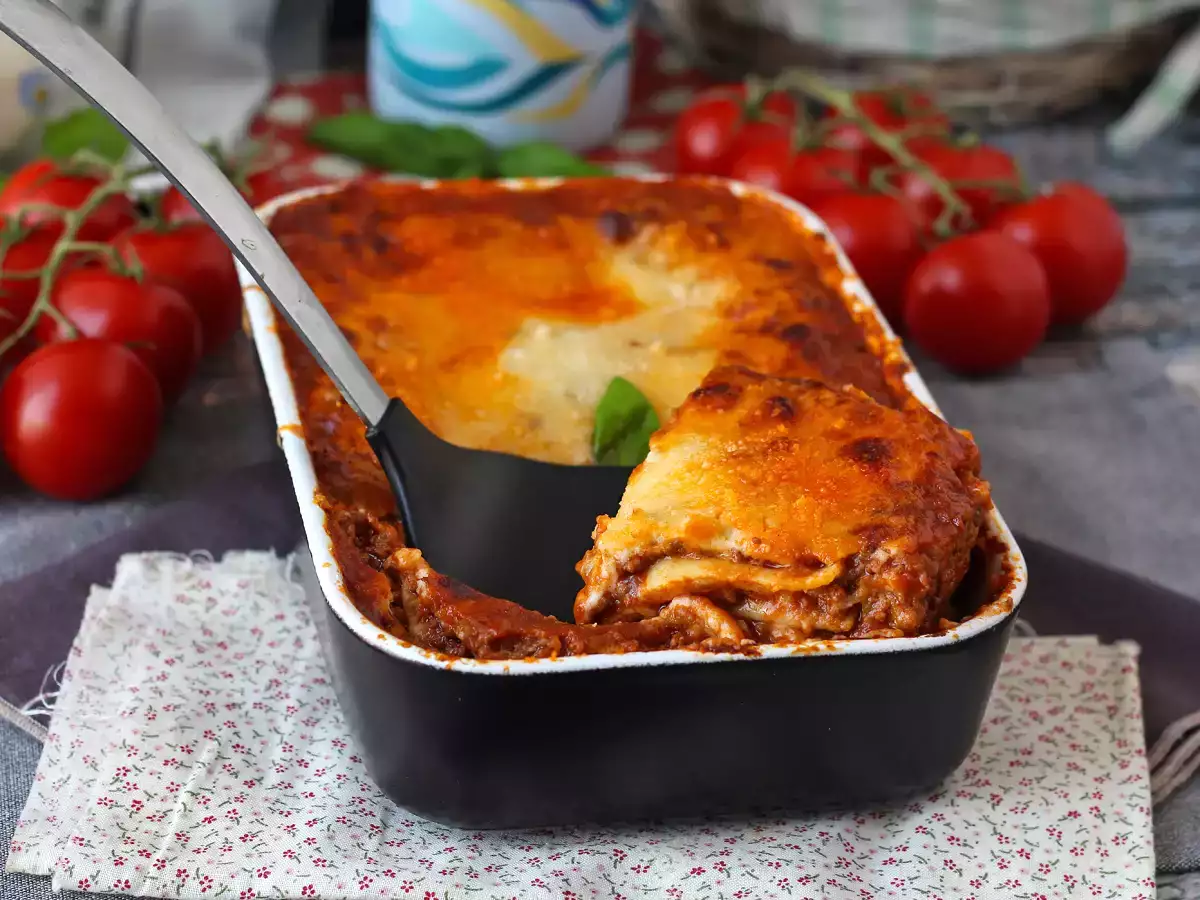
If we had to choose one dish that everyone agrees on, it would be lasagne Bolognese ;) With its generous layers of pasta, long-simmered Bolognese sauce , creamy béchamel sauce and golden Parmesan topping, it's the perfect dish to share: delicious...
For a spicy, hearty pot where beans, meat and spices settle into a deeper flavor overnight:

Head for Mexico and let your taste buds travel with a sombrero on your head thanks to our Chili Con Carne! This emblematic Tex-Mex recipe promises a heart-warming meal of spicy flavors. Let yourself be tempted by this delicious blend of meats and...
For a plant-based dahl that thickens beautifully and reheats gently with rice or naan:

In the category of comforting and original recipes, we love this red lentil dahl! Not only does it introduce this legume to the whole family, but this dish is also vegetarian. A great way to diversify your menus while enjoying yourself :-) Flavored...
For a cozy peanut-and-tomato soup that becomes creamier after resting:

For soup lovers seeking extra comfort, this African Peanut Soup recipe is a must-try! Inspired by the traditional "African Peanut Soup," this easy and flavorful dish features Swiss chard, tomatoes, ginger, and a delightful peanut taste. Follow our...
For a fragrant slow-cooked tagine that is perfect with couscous, rice or flatbread the next day:
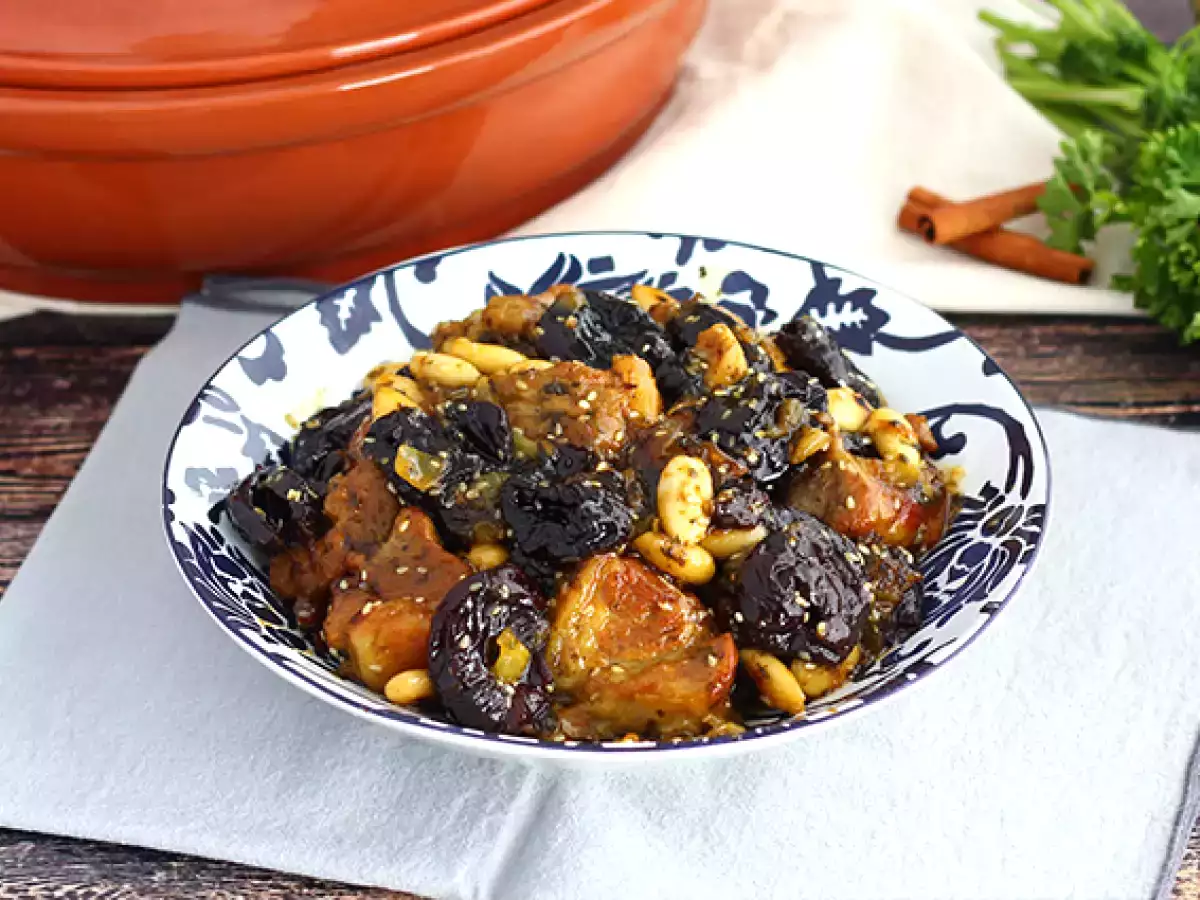
Can you smell that delicious aroma of a dish simmering gently? It's the promise of our lamb tagine with prunes! A combination of sweet and savory flavors makes this a dish to share with the whole family. Easily make this Oriental dish with our written...
For a rich beef stew whose sauce becomes deeper and smoother after a night in the fridge:

Let's head to northern France to enjoy a delicious homemade Flemish carbonnade! What better way to warm up on a cold day than with a hearty stew? This easy recipe is sure to delight the whole family! Follow the steps for making this saucy dish, both...
For a vegetarian comfort-food bake that reheats well and makes an easy next-day dinner:
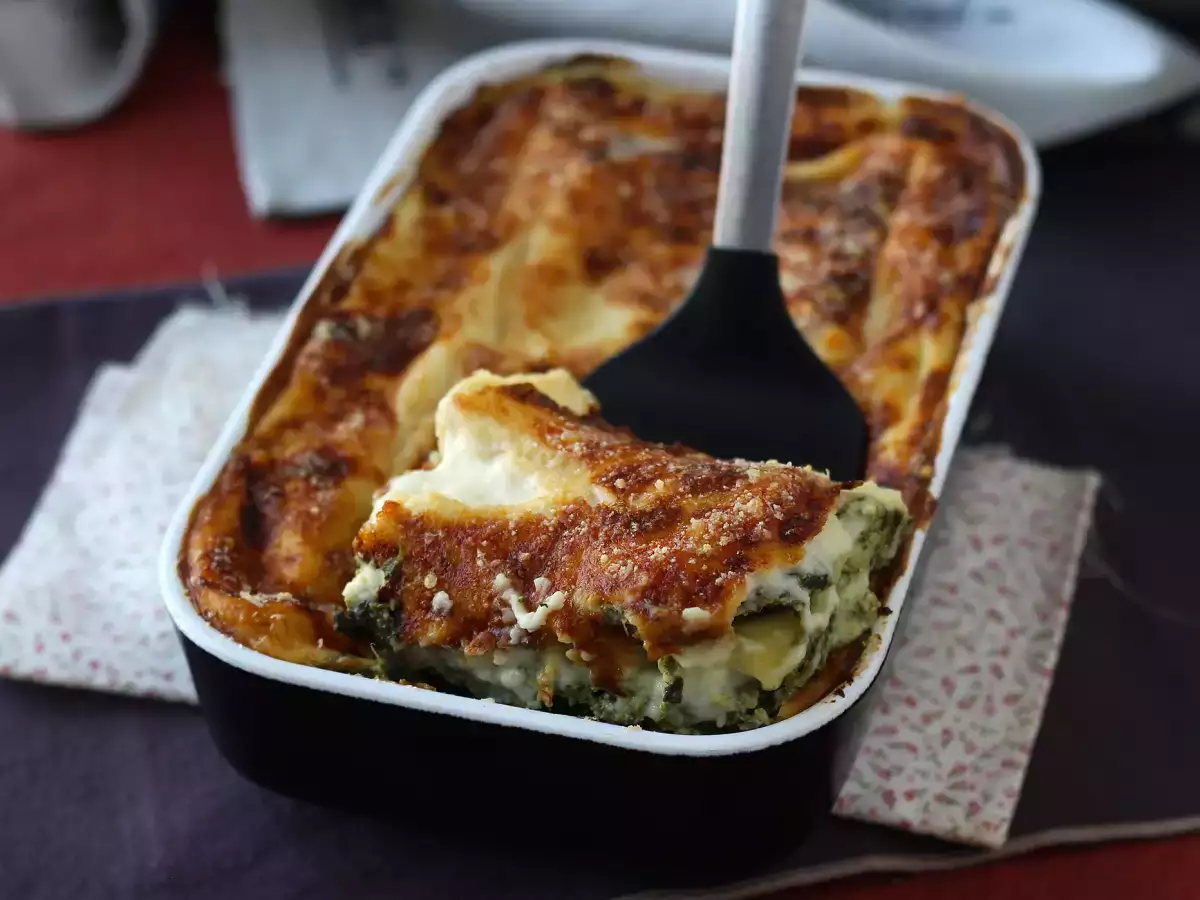
What's on the menu for lunch today? Vegetarian lasagna ! But there's no question of skimping on flavor—not at all! We can assure you that you'll love the combination of ricotta and spinach . The result is extra creamy and, above all, wonderfully...
A simple leftover plan for the week
On day two, change the format: serve stew over grains, spoon curry into a bowl with vegetables, or turn a pasta bake into a smaller lunch portion with a fresh salad. This keeps leftovers from feeling repetitive while still saving time. With a little planning, tomorrow’s dinner can be faster, safer and even more delicious than tonight’s.
 Juliette Hess
I love travelling and discovering new dishes, trying out new food trends and exploring new restaurants.
I’m a huge fan of pasta and noodles in all their forms ❤ from udon noodles to tagliatelle, I love cooking them and even making them from scratch!
I’m currently preparing, filming and photographing your next recipe, and I hope you’ll enjoy it!
Comments