Meet the Hugo Spritz, the Alpine cocktail that even convinced The New York Times to take notice
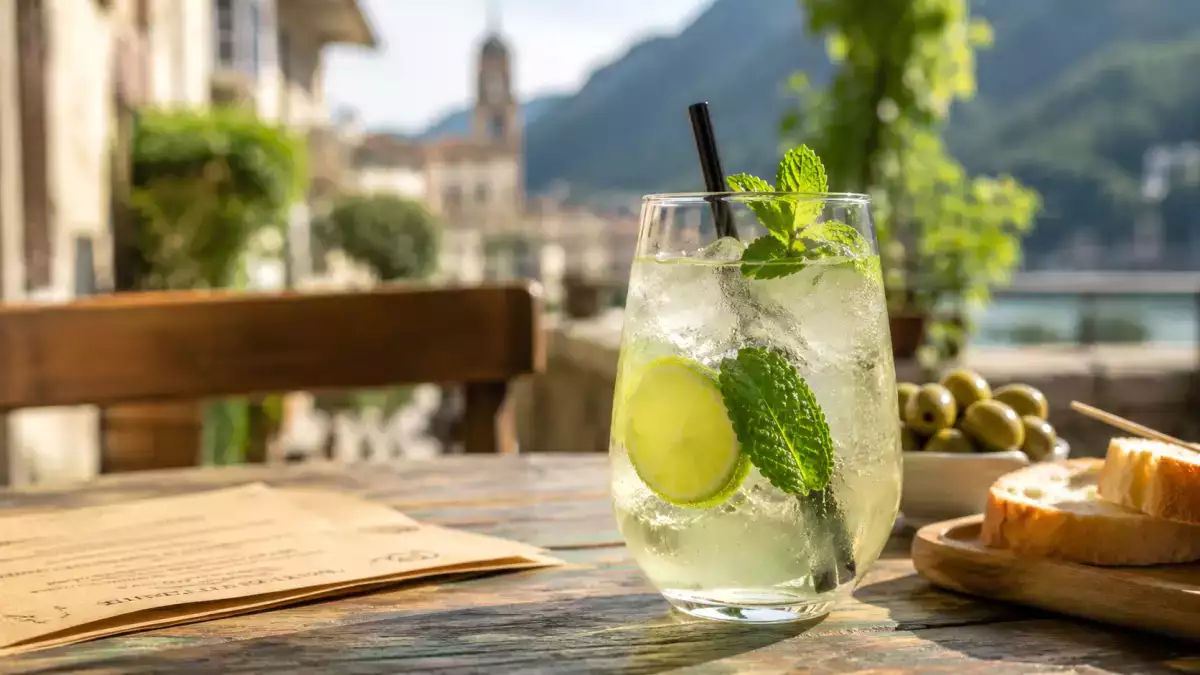
When even The New York Times devotes space to a cocktail born in the Italian mountains, it means something interesting is happening in the glass. The star of the show is the Hugo Spritz, an aperitif made with Prosecco, elderflower, and mint that, having originated in South Tyrol, has now taken bars across half of Europe by storm and is making a name for itself in the United States as well.
Clear, fragrant, and dotted with green mint leaves, the Hugo Spritz seems tailor-made for summer days. It’s refreshing without being too tart, aromatic without being overpowering, and visually striking enough to catch your eye the moment it arrives at the table.
Yet it’s not a newly invented cocktail. The Hugo has been around for over twenty years, especially in Northern Italy and Central European countries. Today, however, it’s enjoying a resurgence in international popularity, driven by the desire for something floral, refreshing, and easy to make at home.
What is the Hugo Spritz, and why is it so popular?
The Hugo Spritz is an aperitif made with Prosecco, soda water, elderflower, fresh mint, lime, and plenty of ice. In the glass, it appears clear, bright, and slightly greenish, with an aroma that reaches your nose even before the first sip.
The elderflower adds floral notes reminiscent of white flowers and honey. The mint adds freshness, while the lime adds a hint of citrus that helps balance the sweetness. The bubbles in the Prosecco round it all out, making the cocktail lively and a pleasure to drink.
What makes it particularly popular is precisely its balance. The Hugo Spritz has a distinctive flavor, but it’s not overpowering. It’s fragrant, refreshing, and can be easily customized by adjusting the amount of elderflower, soda, or lime.
Where was the Hugo Spritz invented?
The Hugo Spritz is credited to South Tyrolean bartender Roland Gruber, who is said to have created it in 2005 in South Tyrol.
The original recipe is said to have been made with a lemon balm cordial, an aromatic plant widely found in Alpine regions. Later, lemon balm was replaced by elderflower, which is easier to find and gives the drink an intense, instantly recognizable floral aroma.
From its origins as a mountain aperitif, the Hugo began to spread. First , it gained popularity in Austria, Germany, and Switzerland, then made its way to cocktail bars in major European cities. Today, it’s served on Italian outdoor patios, international terraces, and in American bars, yet it still retains that relaxed, Dolomites-vacation vibe.
Why is everyone talking about the Hugo Spritz?
People love the Hugo Spritz because it perfectly captures the essence of the contemporary aperitif: it’s fresh, fragrant, light on the palate, and very distinctive. It doesn’t rely on intensity, but rather on the balance between bubbles, floral notes, aromatic herbs, and citrus. It’s a simple cocktail, yet far from ordinary, instantly evoking summer, outdoor seating areas, terraces, and mountain vacations.
Its success also stems from its very distinct identity. The Hugo isn’t just “a light spritz”: it’s a drink linked to South Tyrol, to alpine scents, and to a more delicate and less contrived idea of an aperitif. The glass contains Prosecco, elderflower, mint, and lime, but also evokes a sense of freshness, nature, and conviviality.
Its versatility is another factor that makes it so popular today. It can be prepared with elderflower syrup for a sweeter, lighter version; with elderflower liqueur for a more full-bodied result; or as a non-alcoholic version. This ability to adapt to different tastes has made it popular not only in Italian bars but also in European and international venues.
Why did The New York Times cover it, too?
The fact that even The New York Times has turned the spotlight on the Hugo Spritz confirms just how far this cocktail has now spread beyond the Alps. Originally a local aperitif, associated primarily with Northern Italy and Central Europe, the Hugo has become an international phenomenon, winning over even American audiences.
Its appeal lies precisely in its simplicity. At a time when many are seeking lighter, fresher, and easier-to-drink beverages, the Hugo Spritz offers an immediate solution: it has a gentle fizz, an elegant floral aroma, a light color, and a delicate flavor. It’s visually striking without being over-the-top, aromatic without being overpowering.
The New York Times has picked up on this new global interest in a cocktail that had already been known in the Alps for years. Its rediscovery also reflects a broader trend: the return of simple, fresh, herbaceous, and floral aperitifs that feel special while remaining easy to prepare and serve.
How to Make a Hugo Spritz at Home
The beauty of the Hugo Spritz is that you don’t need to be a bartender to serve it: all it takes is a few well-chosen ingredients, a large glass, and the right balance of bubbles, freshness, and floral aroma. It’s the ideal cocktail when you want to serve something visually striking yet simple, capable of immediately conveying the impression of a well-crafted aperitif.
Making it at home also means you can tailor it to your own taste: more delicate if you love the light notes of elderflower, fresher with a few extra mint leaves, or livelier with well-chilled sparkling wine. In just a few minutes, you’ll have an elegant, summery drink that’s perfect for sharing; from your first aperitif on the terrace to a dinner with friends.
To find out the measurements, ingredients, and all the steps, follow our recipe
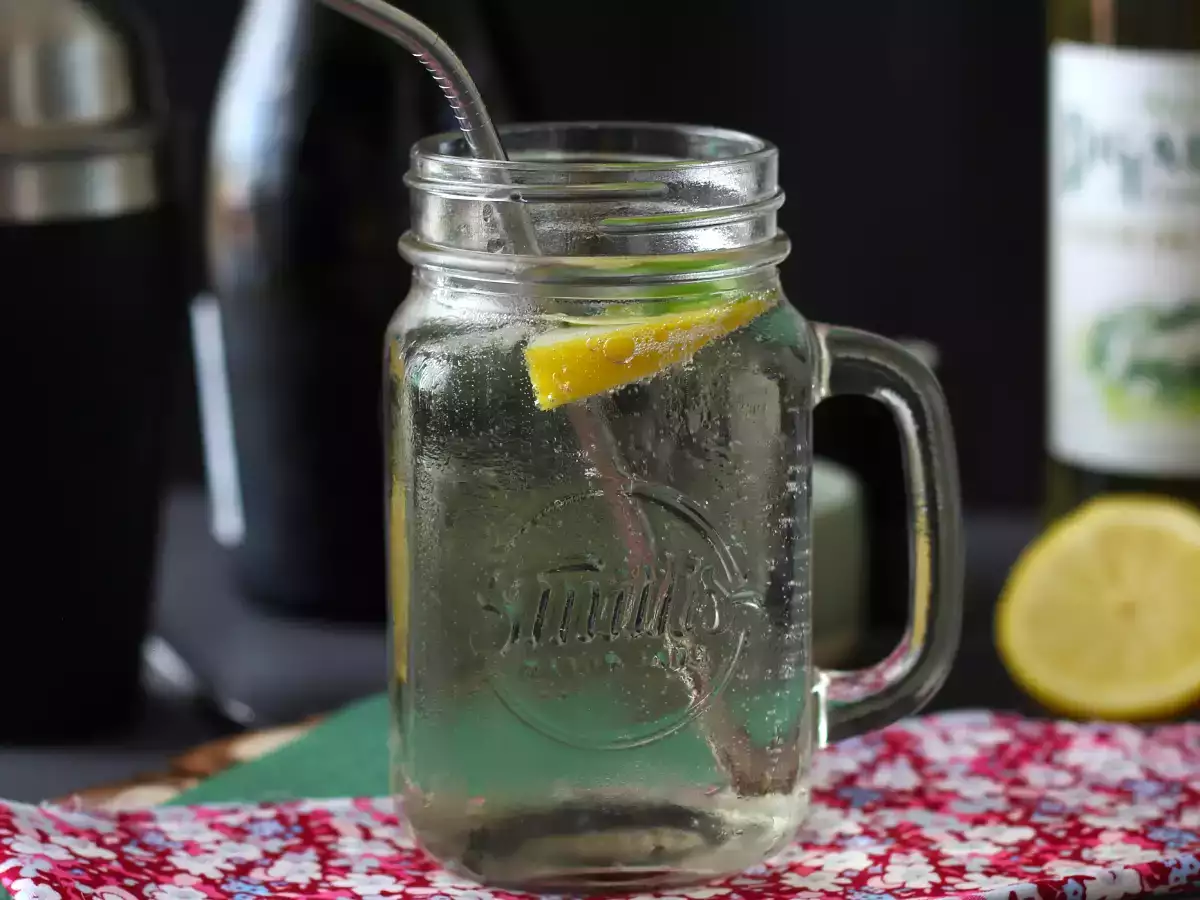
For summer, there's nothing like a delicious, refreshing, fruity and tangy cocktail! Discover the cousin of the St-Germain Spritz, the Hugo Spritz :-) This cocktail will be absolutely ideal for your summer evenings, to change from the traditional...
 Leandra Masha
Comments