Opening a can and leaving it in the fridge? Experts say this common habit could be a risky mistake
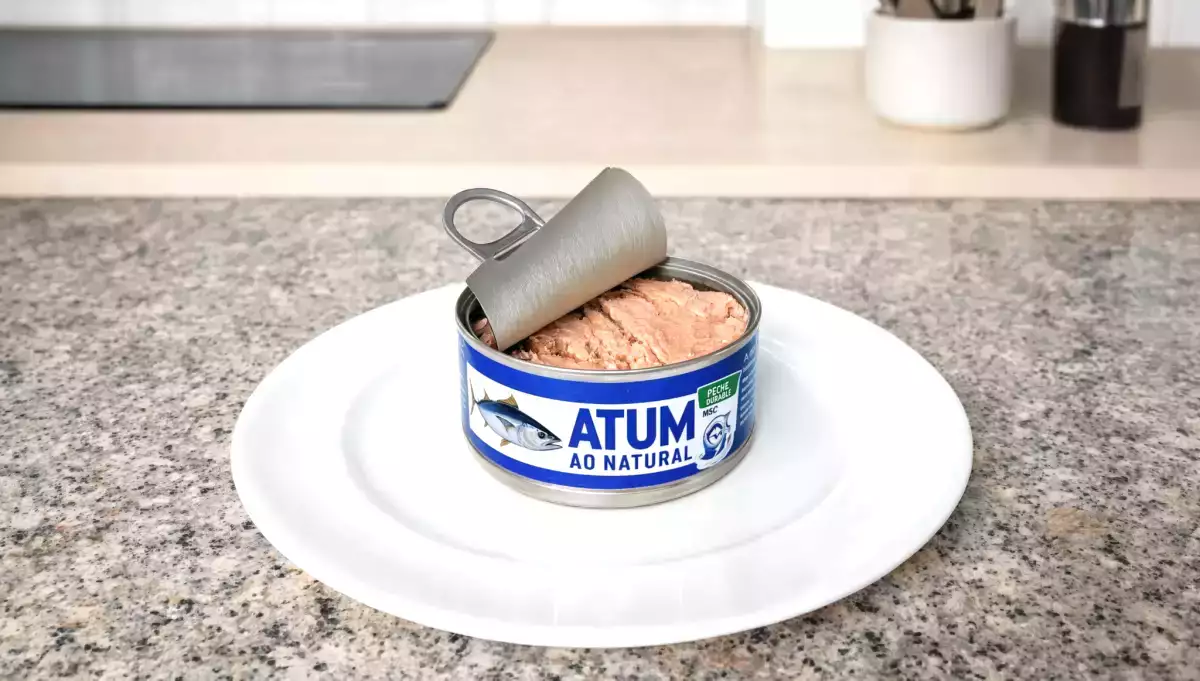
Canned foods are a practical solution for everyday cooking. Corn, peas, tuna, beans, peeled tomatoes, and many other pantry staples help save time in the kitchen and can be stored for months before being used. But once the can is opened, one common question comes up: what is the right way to store what is left?
Storing opened canned food incorrectly can affect its quality, flavor, and even food safety. Here is what to do to keep these foods fresh and avoid waste.
Can you store food in the can after it has been opened?
The answer is no.
Once opened, the can no longer provides the same protection that kept the food preserved. In addition, contact between the food and exposed metal, combined with air, can speed up oxidation and affect flavor, aroma, and overall quality.
That is why it is best to transfer any leftovers right away to a clean container with a lid.
What is the best container to use?
The best options are:
- glass containers with airtight lids
- food-safe plastic containers
- stainless steel containers with lids
The important thing is that the container is clean, dry, and tightly closed to prevent contamination and keep the food from absorbing odors from the refrigerator.
How long can opened canned foods stay in the fridge?
Storage time depends on the food, but in general, it is best to eat opened canned foods within 2 to 4 days.
Here are a few examples:
- corn and peas: 3 to 4 days
- beans and legumes: 3 to 4 days
- peeled tomatoes or tomato sauce: 3 to 5 days
- tuna and sardines: 1 to 2 days
- sweetened condensed milk: up to 5 days
Always keep the food refrigerated, ideally below 40°F.
Should opened canned food go in the fridge right away?
Yes.
Food should not sit at room temperature for a long time after the can is opened. The best habit is to transfer it to a proper container and refrigerate it as soon as possible.
The longer food is exposed to heat and air, the greater the risk of microbial growth.
How can you tell if the food has gone bad?
Even within the recommended storage time, it is important to watch for signs of spoilage.
Throw the food away if you notice:
- an unpleasant or unusual smell
- a change in color
- bubbles or foam
- a slimy or sticky texture
- signs of mold
When in doubt, it is better not to eat it.
Can you freeze canned foods after opening?
Yes. Many canned foods can be frozen after opening to extend their shelf life.
Corn, peas, beans, and tomato sauces usually freeze well. The best option is to store them in small portions, which makes thawing easier and helps avoid waste.
What about unopened cans?
Before opening, cans should be stored in a cool, dry place away from direct sunlight.
Avoid keeping them in very humid areas, since moisture can encourage corrosion.
It is also important to check cans regularly for rust, deep dents, or bulging, which may indicate that the product is no longer safe.
Small habits that make a big difference
Storing opened canned foods properly helps maintain quality, reduce waste, and avoid health risks.
The main rule is simple: never store food in an opened can. Transfer it to a suitable container and keep it refrigerated.
With these small habits, you can enjoy canned foods safely while preserving their flavor and nutritional value.
 Mirella Mendonça
Comments