Save an overly spicy curry with quick, practical fixes you can do now to balance heat and flavor

Heat can be softened in several clever ways: by diluting the sauce, adding creaminess, balancing with sweetness or acidity, serving it with mild sides, or turning one spicy dish into two gentler meals. The trick is to understand what kind of curry you have. A coconut curry does not need the same rescue as a tomato-based curry, and a dry curry needs a different approach from a saucy one.
So before panic takes over, put down the spoon, take a breath and treat the dish like a puzzle. Here is how to rescue a curry that is too spicy, keep the flavour delicious, and maybe even make it taste more rounded than it did before.
First rule: do not add water straight away
Instead, think dilution with flavour. Add more tomatoes to a tomato curry, more coconut milk to a coconut curry, more stock to a broth-style curry, or more cooked vegetables and legumes to a thick curry. The goal is to spread the chilli heat through more food while keeping the dish satisfying.
If the curry becomes too loose, simmer it gently uncovered until it thickens again. Rescue work is patient work, not a splash-and-hope situation.
Add coconut milk for a softer, rounder curry
Add it gradually, taste, then adjust salt, lime or spices if needed. Too much coconut milk can flatten the flavour, so do not pour in the whole can unless the curry is truly breathing fire. A few spoonfuls may be enough.
This is also why coconut-based curries are forgiving for home cooks. They give you a built-in rescue plan if the chilli got enthusiastic.
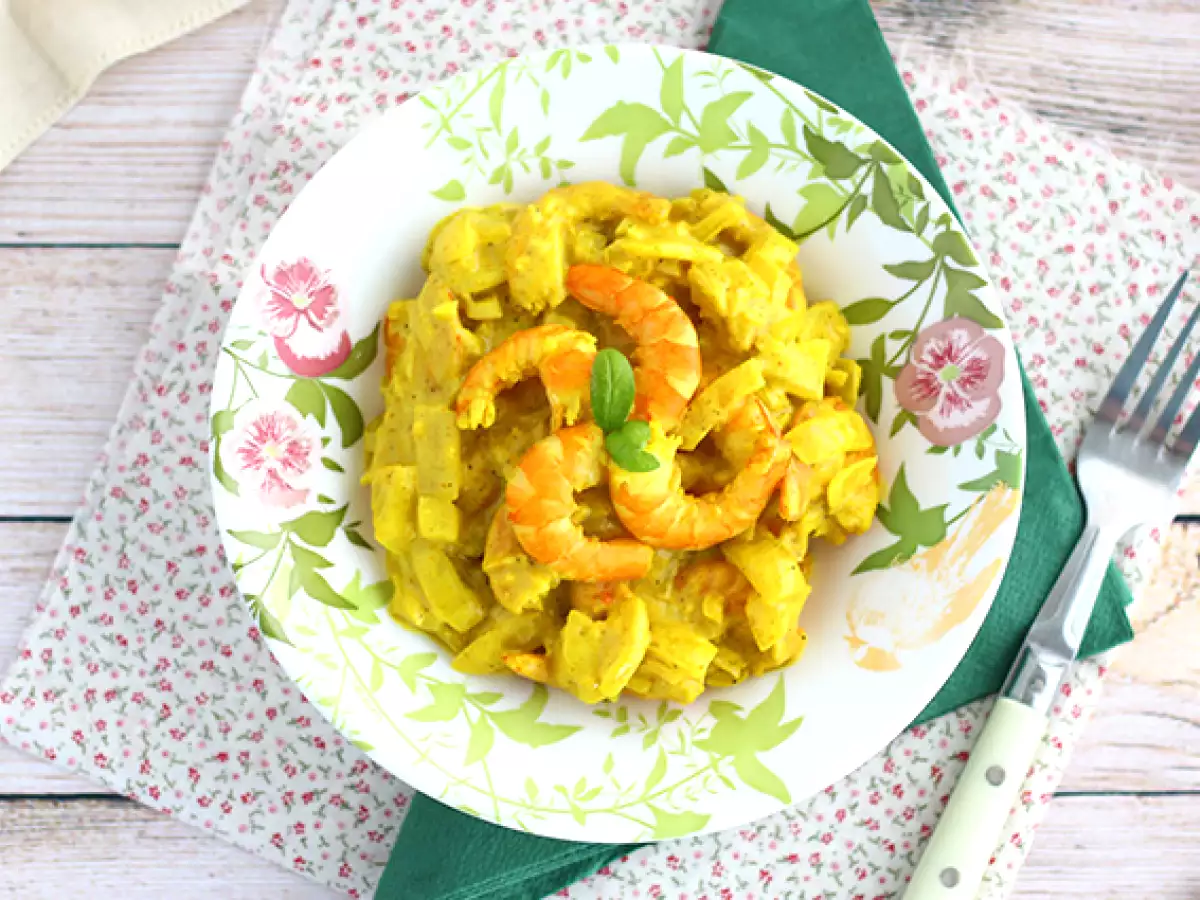
Dear sweet-and-savory lovers, our coconut shrimp curry is sure to delight your taste buds! Ready in no time, this quick and easy recipe will bring sunshine and exotic flavors to your kitchen! Highly addictive, don't hesitate to share this foolproof...
Use yogurt, cream or crème fraîche carefully
The key is temperature. If you add yogurt directly to a boiling curry, it may split. Lower the heat first, stir a little hot sauce into the yogurt in a separate bowl, then add that mixture back into the pan. This small step helps keep the sauce smooth.
If the dish is already creamy, you can often rescue it by adding just a little more creamy element rather than rebuilding the whole sauce. Think gentle adjustment, not dairy avalanche.

Today we’re bringing you a vegan version of one of India’s most popular dishes: Malai Kofta (meatballs in sauce). Since we sometimes struggle to eat legumes, at Petitchef we try to cook them in every way possible. These chickpea and spinach balls,...
Bulk it out with lentils, chickpeas or vegetables
This works particularly well if the curry tastes good but is simply too powerful. Add cooked lentils to a sauce, stir in roasted vegetables, or simmer diced potatoes until tender. You are not hiding the curry; you are giving it more room to breathe.
Bonus: this method can turn a too-spicy dinner into tomorrow’s lunch. More curry, less fire, happy fridge.
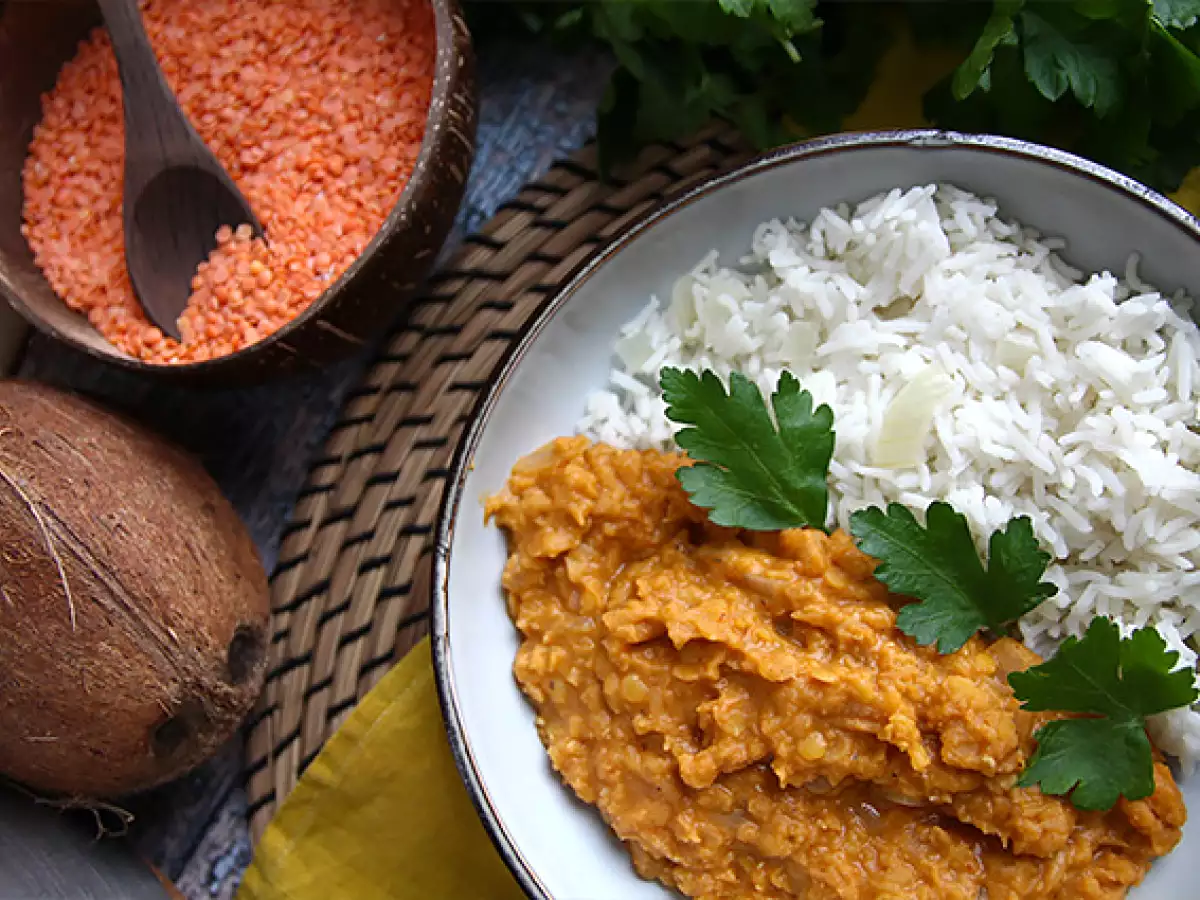
In the category of comforting and original recipes, we love this red lentil dahl! Not only does it introduce this legume to the whole family, but this dish is also vegetarian. A great way to diversify your menus while enjoying yourself :-) Flavored...
Sweetness can tame sharp chilli heat
The important word is small. Add a little, stir, simmer for a minute and taste. Too much sweetness can make a curry taste like dessert wearing cumin, which is rarely the plan.
Sweet vegetables are particularly useful because they add balance without making the sauce obviously sugary. Sweet potato, pumpkin and carrot are lovely for this, especially with coconut or curry spices.

We've found the perfect side dish for meat and fish: a sweet potato gratin! To add even more flavor, we combine it with coconut milk and curry. Super easy to make, this recipe also makes a perfect vegetarian dish when paired with a mixed salad ;-) Give...
Acidity can bring the flavour back into focus
Acid does not remove heat in the same way dilution does, but it can rebalance the dish so the chilli stops being the only thing you notice. It is especially useful at the end of cooking, when you are adjusting the final flavour.
Add acidity gradually. A curry that is too spicy is fixable. A curry that is suddenly too sour needs a second rescue mission, and nobody asked for extra drama.
Serve it with mild sides
This is especially useful if the sauce is flavourful and you do not want to change it too much. A spoonful of curry with rice is much gentler than a spoonful of curry on its own. Add a cool yogurt topping and suddenly the dish feels balanced rather than punishing.
The plate is part of the recipe. Do not underestimate the power of rice.
Turn one spicy curry into two meals
This method gives you more control and prevents overcorrecting. One half can become dinner tonight, while the other becomes a base for soup, stew, wraps or a milder curry later in the week.
A curry that started too spicy can become a meal-prep win. This is kitchen alchemy with a practical apron.
What not to do
Do not serve a dangerously spicy dish and hope everyone “gets used to it.” Some people love heat, others do not, and a good curry should be enjoyable. If the dish makes people stop talking for the wrong reasons, it needs help.
The best fixes are usually more volume, more creaminess, more balance or better sides.
How to prevent it next time
Taste as you cook. If using curry paste, fry a small amount first, then add more only after the sauce has developed. Remember that simmering can concentrate flavour, so a curry may taste hotter later than it did at the beginning.
And when cooking for guests, keep the curry moderate and serve chilli oil, fresh chilli or hot sauce on the side. Let spice lovers upgrade their own bowls.
The takeaway
The best fix depends on the curry, but the principle is always the same: do not fight heat with panic. Spread it out, soften it, balance it and taste as you go.
With a few calm adjustments, that fiery curry can move from “too much” to “just right” and nobody at the table needs to know how close dinner came to becoming a chilli-powered endurance test.
 Juliette Hess
I love travelling and discovering new dishes, trying out new food trends and exploring new restaurants.
I’m a huge fan of pasta and noodles in all their forms ❤ from udon noodles to tagliatelle, I love cooking them and even making them from scratch!
I’m currently preparing, filming and photographing your next recipe, and I hope you’ll enjoy it!
Comments