Perfect your tiramisu: insider tips to avoid a liquid dessert disaster
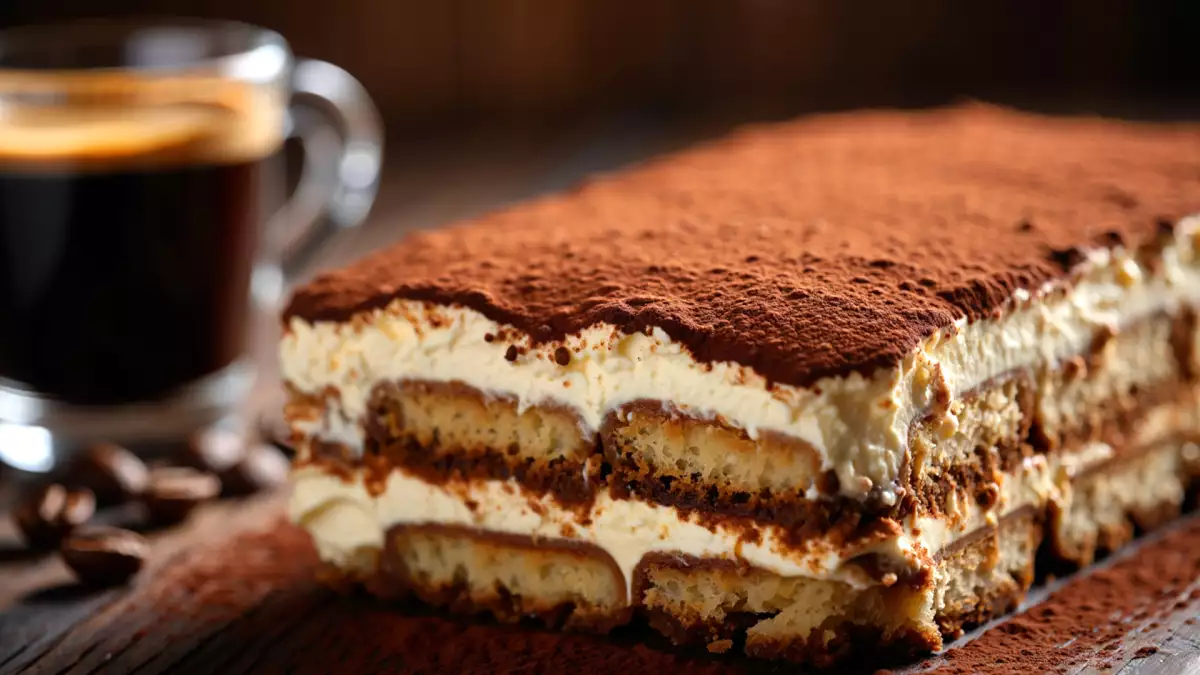
Tiramisu is one of the most beloved Italian desserts in the world… but it’s also one of the easiest to ruin.
It only takes a few small mistakes (overly soaked ladyfingers, a runny mascarpone cream, or not enough chilling time) to end up with a dessert that collapses into a puddle the moment you serve it.
The good news? Making a creamy, stable, bakery-style tiramisu is actually much easier than people think. A few simple techniques make all the difference between a dessert that slides across the plate and one with perfect layers you can slice beautifully.
Over-soaked ladyfingers: the biggest mistake of all
Let’s start with the classic problem. Ladyfingers sitting in coffee for 10 seconds may sound harmless… but they quickly turn into soggy sponges that release liquid everywhere. For a proper tiramisu, the cookies should be dipped very quickly in the coffee, almost just brushed through it. The goal is to absorb flavor, not become mush. And the coffee itself matters too. If it’s too hot, it continues softening the ladyfingers long after assembly, making the entire dessert wetter over time. Cold or slightly warm coffee works much better.
A mascarpone cream that’s too soft
Another very common issue is the cream itself. If the mascarpone mixture is too loose, the tiramisu loses structure immediately and starts collapsing as soon as you cut into it.
This often happens because:
- the eggs weren’t whipped enough
- or the mascarpone was overmixed
Mascarpone is delicate. Once you work it too aggressively, it starts losing its texture and the cream becomes heavy and unstable. A helpful trick is letting the mascarpone sit at room temperature for about 10–15 minutes before using it. It blends more smoothly and helps create a cream that stays silky yet firm.
Eggs matter more than people realize
Cold eggs straight from the fridge don’t whip as well and can make the cream less stable overall. And poorly separated yolks and whites can create issues too. If your recipe uses whipped egg whites, they need to reach properly stiff peaks. Not “almost stiff.” We’re talking about the kind of peaks that stay perfectly still if you tilt the bowl. That’s when you know you’ve nailed it. Another mistake? Mixing everything too quickly. Tiramisu cream should be folded gently, using slow upward motions to keep as much air as possible inside the mixture. Patience here changes everything.
Tiramisu absolutely needs resting time
This is the step most people rush. You finish assembling the tiramisu… and immediately want to dig in. Completely understandable ;) But chilling time is what transforms it from “good” into truly incredible.
The resting period allows:
- the ladyfingers to stabilize
- the flavors to blend
- and the cream to firm up properly
Honestly, tiramisu is almost always better the next day. If possible, prepare it the night before and let it chill overnight. The texture becomes dramatically creamier and more balanced.
Too much alcohol can ruin the texture
Marsala wine, rum, coffee liqueur, amaretto… they all work beautifully in tiramisu. But it’s easy to overdo them. Too much added liquid weakens the structure of the cream and softens the ladyfingers even further. The best approach? Less, but better. You want the aroma to enhance the dessert, not turn it into a coffee soup.
Even the mascarpone brand can make a difference
This surprises a lot of people. Not all mascarpone is the same. Some brands contain more moisture than others, which can make the cream noticeably softer and less stable. If your tiramisu consistently turns out runny despite following the recipe carefully, the mascarpone itself might actually be the issue. Changing brands can completely improve the final texture. It sounds like a tiny detail… but it matters a lot.
The real secret to perfect tiramisu
Most tiramisu disasters don’t come from complicated mistakes. They come from rushing. Rushing the dipping. Rushing the cream. Rushing the resting time.
A great tiramisu is all about balance:
- lightly soaked ladyfingers
- airy but stable cream
- good mascarpone
- gentle mixing
- enough chilling time
That’s what creates those beautiful layers that stay creamy, soft, and perfectly sliceable all at once. And honestly? Once you taste a tiramisu made this way, it becomes very hard to go back to the overly wet versions again ;)
Now comes the best part: putting all these tricks into practice with a classic homemade tiramisu recipe that finally gives you that perfect creamy texture every single time.
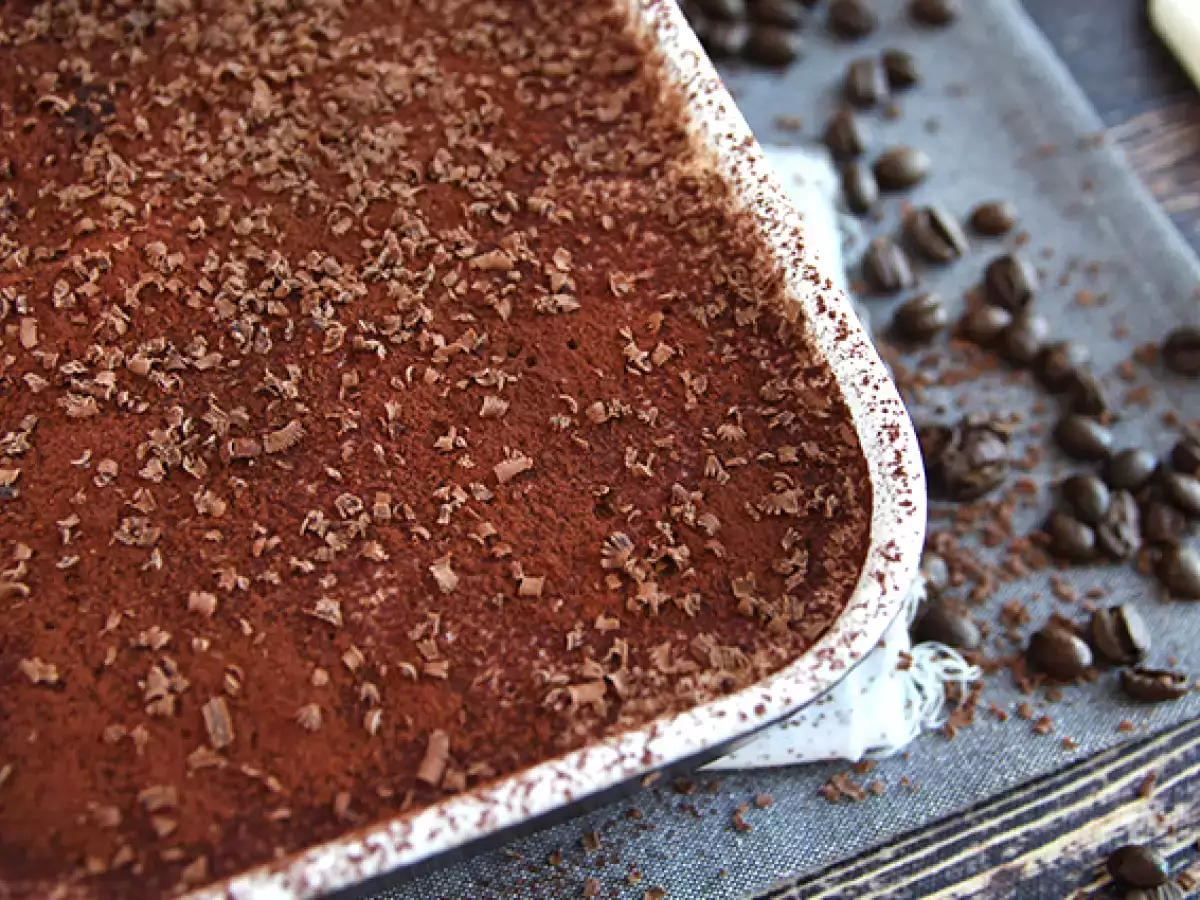
Have a trip to Italy without leaving your kitchen ! Thanks to PetitChef, be the best at baking this classic : Tiramisu !
 Daniele Mainieri
Comments