Pumpkin and spices: the most delicious combinations to try this fall: which ones to use to bring out their flavor in sweet and savory dishes
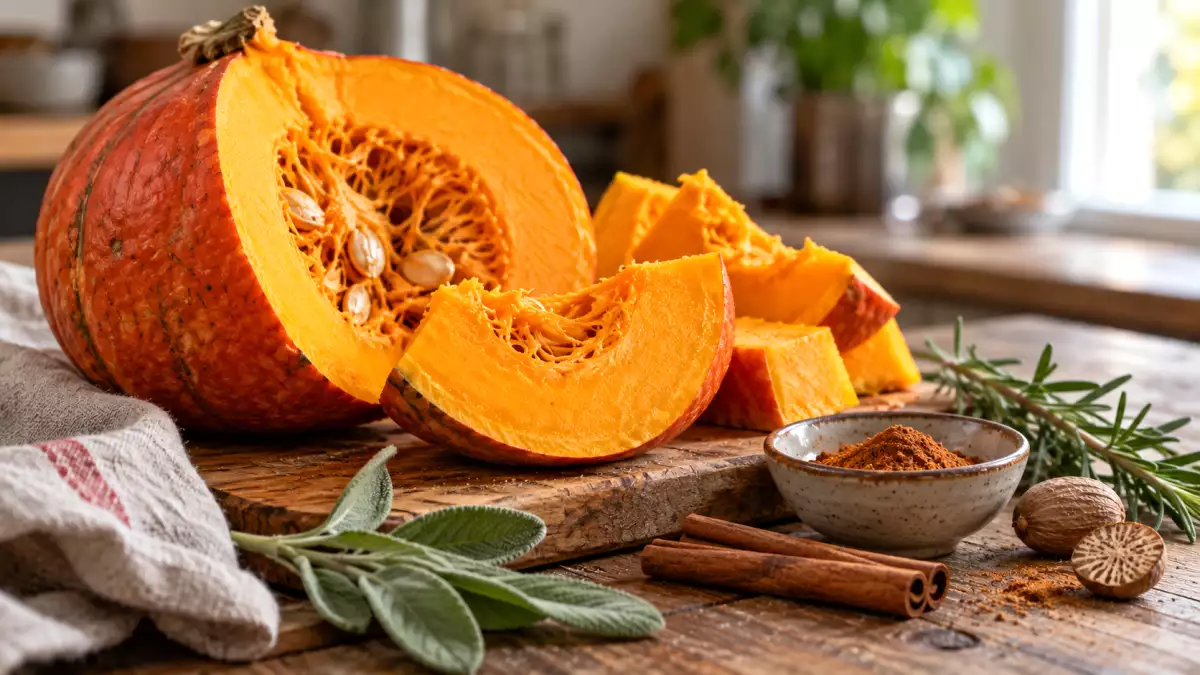
When it comes to spices for pumpkin, however, it’s also worth including fresh herbs: in the kitchen, they work toward the same goal—to provide balance, character, and depth. Here’s how to choose the best combinations without turning every recipe into a medley of aromas.
Why does pumpkin love spices so much?
The answer starts with its flavor: pumpkin is naturally sweet, with delicate notes reminiscent of chestnuts, carrots, and hazelnuts. That’s why it pairs well with warm, slightly spicy, or aromatic spices that can create contrast without becoming overpowering.
Cinnamon enhances the sweetness, nutmeg adds depth, ginger brings a sharp freshness, and black pepper adds a kick to savory dishes. Then there are paprika, curry, cumin, and turmeric—perfect when you want a more intense pumpkin flavor rather than the typical “classic pumpkin soup.”
The trick is to choose a specific direction: sweet, creamy, spicy, herbaceous, or Middle Eastern. Two spices used well are worth more than five thrown together at random.
Cinnamon, ginger, and nutmeg: the perfect trio for pumpkin desserts
In desserts, pumpkin adds moisture, color, and a gentle sweetness. To bring out its best, the most reliable trio is cinnamon, ginger, and nutmeg. Cinnamon smells like a freshly baked cake, ginger keeps the dessert from tasting flat, and nutmeg adds a warm, rounded note.
They work well in tarts, muffins, pound cakes, cheesecakes, soft cookies, and creamy drinks. If you want a more enveloping flavor, you can add a pinch of cloves, but use them sparingly: they’re intense and can quickly overpower the other flavors.
For a balanced sweet base: use a generous amount of cinnamon, a moderate amount of ginger, and just a hint of nutmeg.
Sage, rosemary, and pepper: the most Italian combinations for savory pumpkin
What to put on roasted pumpkin?
When pumpkin goes into the oven with extra virgin olive oil and salt, it needs distinct flavors. That’s where rosemary, sage, thyme, and black pepper come in. Rosemary holds up well during cooking and adds a resinous note; sage is more buttery and intense; thyme remains subtle yet pleasant.
Black pepper adds a lively kick and makes the dish less monotonous. Whether you’re making gnocchi, tortelli, fresh pasta, or stuffed pasta, the combination of butter, sage, and nutmeg remains one of the most successful: simple, fragrant, and very Italian.
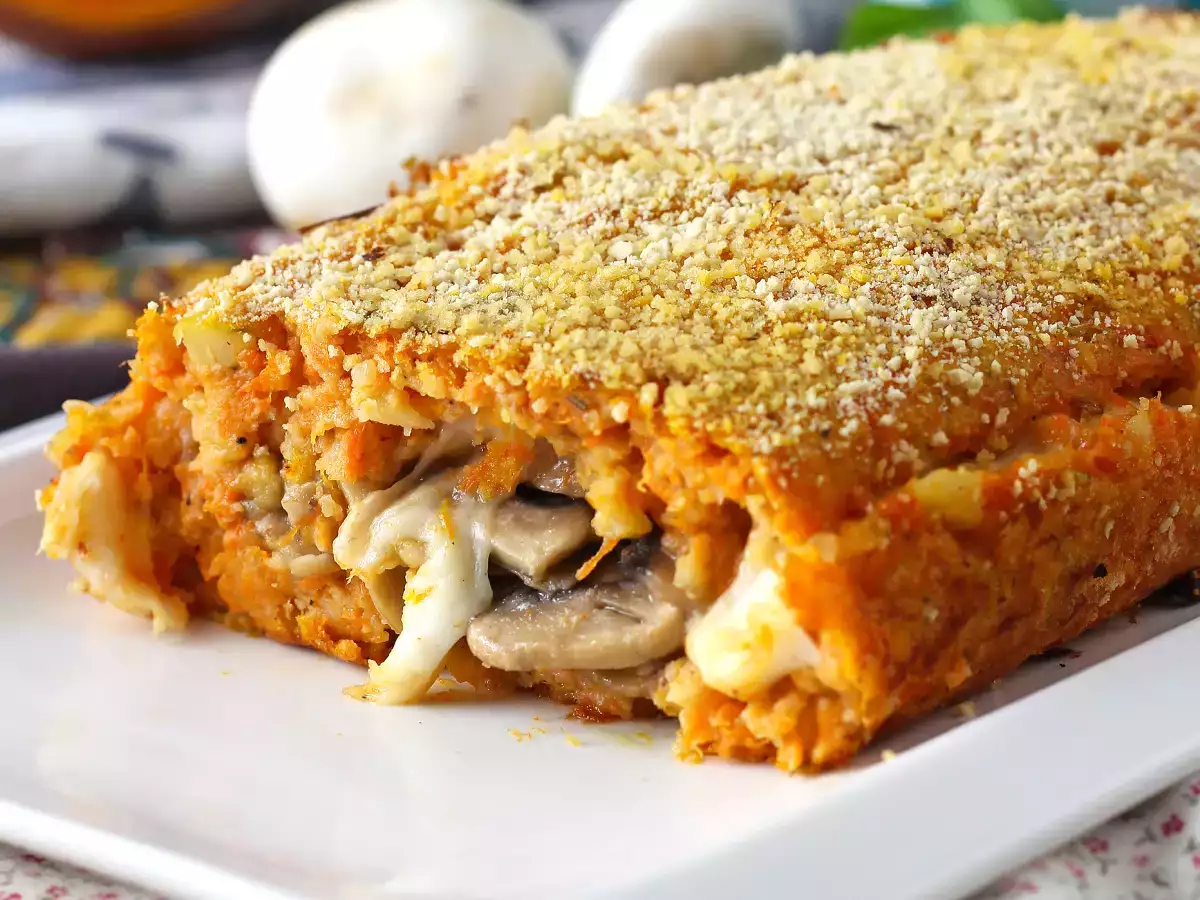
Pumpkin meatloaf with mushrooms and scamorza is an easy, flavorful vegetarian main course, perfect for fall lunches and dinners . Made with a soft pumpkin and potato mixture , enriched with Parmesan and breadcrumbs for a firm texture, it is stuffed...
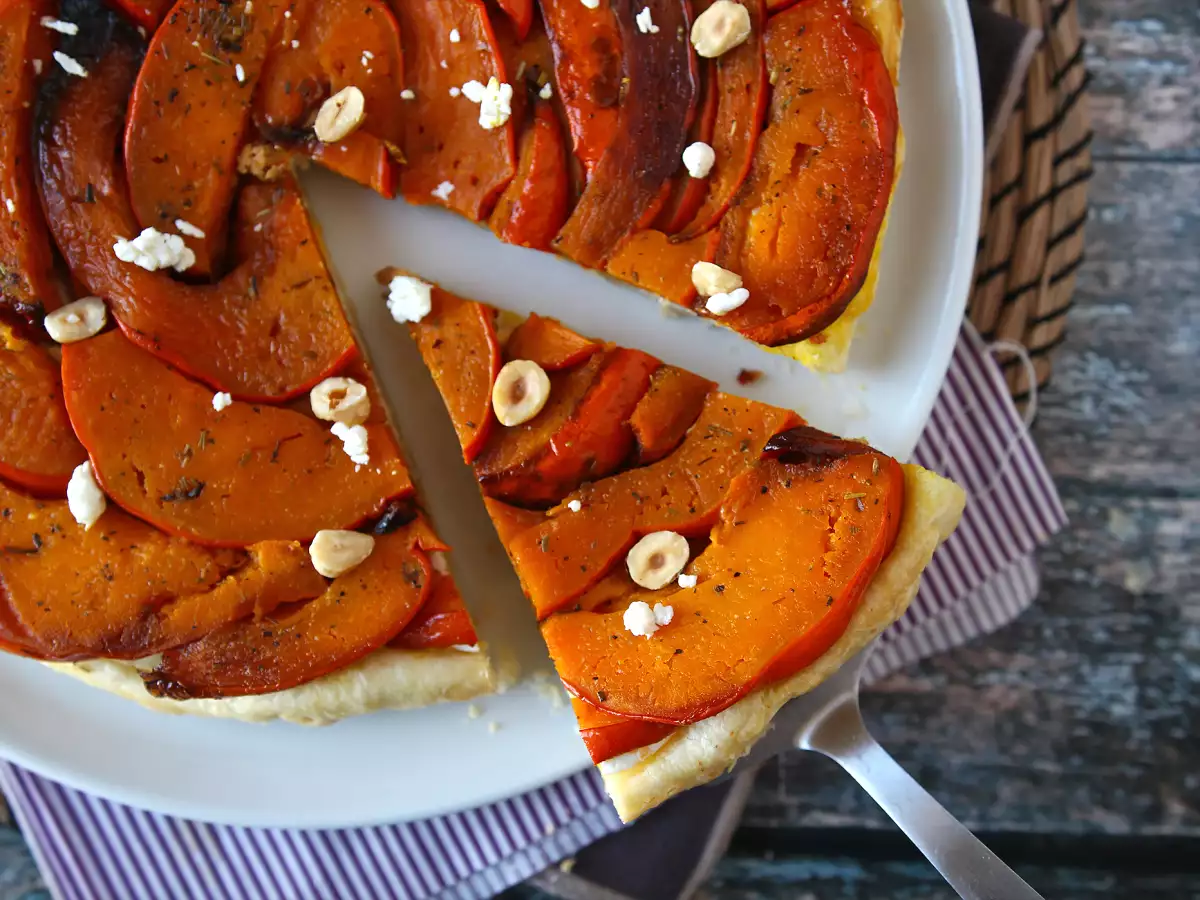
Let yourself be tempted by this pumpkin tatin with goat's cheese and honey , a real autumn delight! Melt-in-your-mouth pumpkin, creamy goat's cheese and a touch of sweet honey combine perfectly for a result that's both sweet and savory . This...
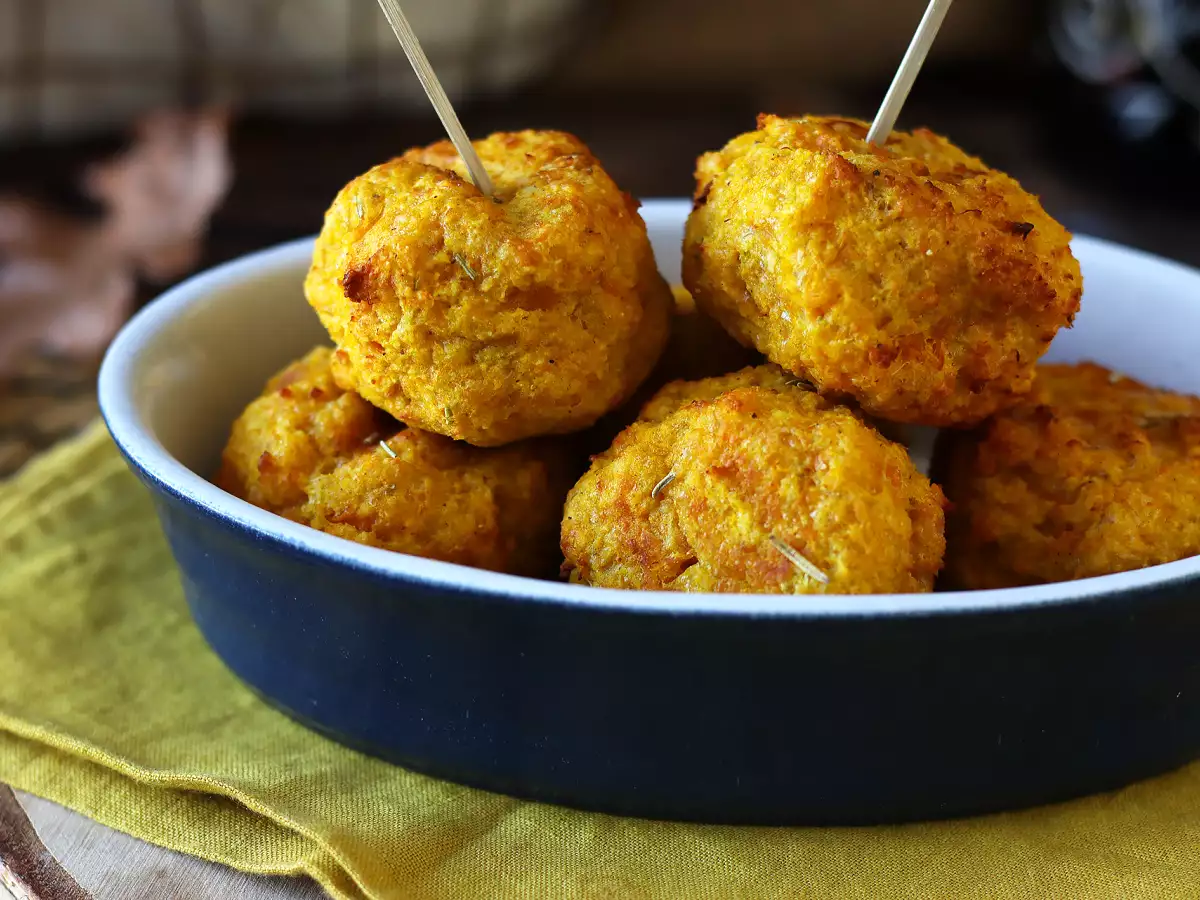
Looking for a tasty fall dish that will wow everyone? Then you can't miss our pumpkin balls cooked in an air fryer! With just a few simple and easy-to-find ingredients , you can whip up a delicious vegetarian recipe perfect for any occasion in no...
Curry, paprika, and turmeric: when you want a more intense pumpkin flavor
If the classic pumpkin soup seems too sweet to you, go for bolder spices. Curry adds warmth and complexity, especially when paired with coconut milk, chickpeas, lentils, or potatoes. Turmeric deepens the orange color and adds an earthy note, while paprika adds character without necessarily making the dish spicy.
Sweet paprika is perfect with roasted pumpkin, while smoked paprika pairs well with side dishes, veggie burgers, and soups served with crostini. If you love bolder flavors, add a pinch of chili pepper as well: it shouldn’t be too spicy, just enough to bring out the pumpkin’s natural sweetness.
For a well-balanced soup, try this base: pumpkin, leek, vegetable broth, mild curry, pepper, and a drizzle of raw olive oil.
Pumpkin and Spices in First Courses: Risottos, Pasta, and Stuffed Dishes
What spices should you use in pumpkin risotto?
In risotto, pumpkin calls for balance. Nutmeg is ideal when you’re using cheese, butter, or béchamel sauce; black pepper works almost every time; and sage immediately adds an autumnal aroma. If you want a more original risotto, try fresh cilantro, thyme, or a pinch of ginger—especially with very sweet pumpkins.
For pasta, it depends on the sauce. With sausage, pancetta, or speck, pepper, rosemary, and smoked paprika pair well. With ricotta, béchamel, or soft cheeses, nutmeg and sage are best. In fillings, such as cannelloni, ravioli, and tortelli, the spices should complement the pumpkin, not overpower it.
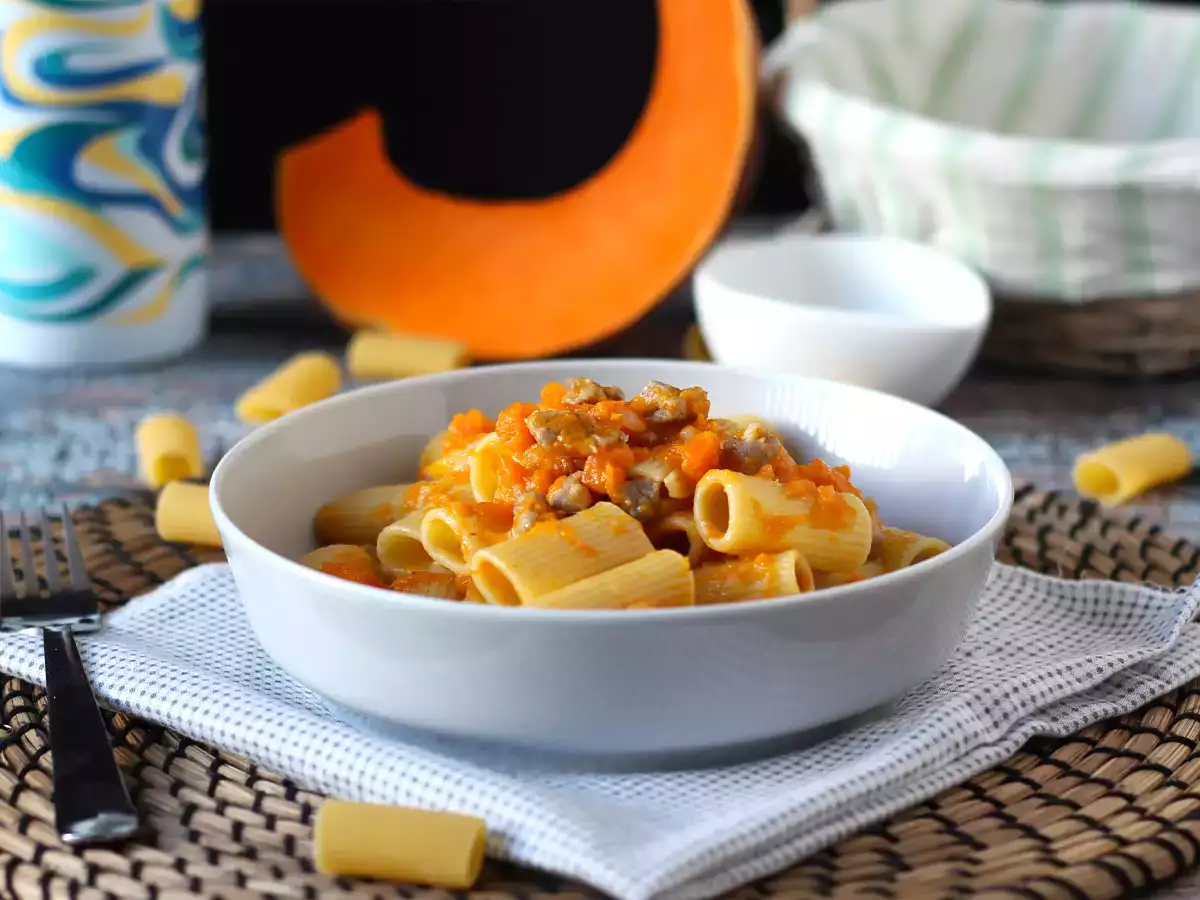
A classic Italian first course , perfect for autumn. The sweetness of pumpkin pairs perfectly with the bold flavor of crumbled sausage , creating a beautifully balanced, mouthwatering dish you’ll want to make again. This pumpkin and sausage pasta...
Combinations to Try Right Away
- Roasted pumpkin: rosemary, black pepper, sweet paprika.
- Pumpkin soup: curry, turmeric, ginger, thyme.
- Pumpkin risotto: nutmeg, sage, pepper.
- Pasta with pumpkin: sage, rosemary, smoked paprika.
- Pumpkin desserts: cinnamon, ginger, nutmeg, cloves.
- Pumpkin snacks and chips: paprika, pepper, mild curry.
- Hot drinks: cinnamon, ginger, nutmeg, vanilla.
The secret is to taste as you go and add a little at a time. Spices aren’t like confetti to be thrown around haphazardly—they’re little flavor switches. If you turn on too many, the dish becomes muddled; if you choose the right ones, the pumpkin takes on a whole new dimension.
Do cinnamon and pumpkin go well in savory dishes, too?
Yes, but use it sparingly. Cinnamon can work well in savory dishes too if used in very small amounts. It pairs well with pumpkin, chickpeas, caramelized onions, couscous, spiced rice, and Middle Eastern-inspired dishes. The risk is that it can make everything taste like dessert, so it’s best to pair it with savory or tangy ingredients: feta, yogurt, lemon, fresh cheeses, and toasted seeds.
The same goes for ginger: in desserts, it adds freshness; in savory dishes, it lightens the creaminess. Combined with pumpkin and coconut milk, it creates a smooth dish that isn’t cloying; paired with lemon, it becomes more vibrant and works well in side dishes and chutneys.
The bottom line: the right spice depends on the recipe
The next time you prepare pumpkin, don’t just ask yourself how long to cook it—ask yourself what character you want to give it. Sweet and tender? Warm and spicy? Herby and fragrant? Just choose the right spice, and the pumpkin will stop playing a supporting role.
 Daniele Mainieri
Comments