The rice looks the same on the shelf, but this overlooked detail makes all the difference to the result
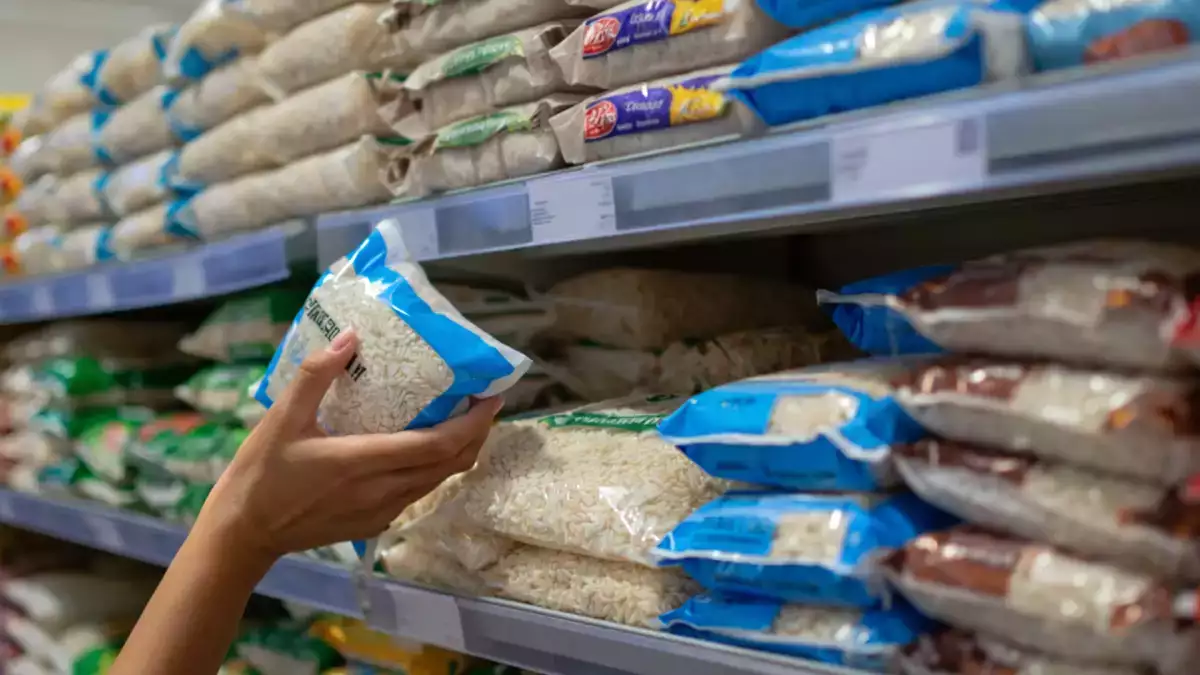
Rice is part of the routine of millions of people and, precisely because of this, it has become an almost automatic choice. With so many options on the shelves, the decision is usually quick: price, well-known brand and that's it.
But what few people realize is that the packaging is designed to make this choice easier, but not always in the best way for you. Flashy colors, technical terms and vague promises create the feeling of quality, even when the most important details go unnoticed.
And it is precisely in these details that the difference lies between a rice that yields, is loose and tasty... and one that disappoints in preparation.
The perfect appearance trap
Many packages show extremely uniform and shiny grains. This is eye-catching, but can be misleading.
Appearance doesn't always mean superior quality. In some cases, over-polishing removes important nutrients and changes the way the rice behaves in the pan.
In other words: pretty isn't always better.
What really matters (and hardly anyone looks)
There is an essential point that most people overlook: the classification of rice.
Terms like:
- type 1
- type 2
are not there by chance. They indicate the amount of broken grains and impurities. The more intact the grains, the better the final result.
But as this information is usually discreet on the packaging, many people simply ignore it.
The price trick that confuses
Low prices can seem like an advantage - and sometimes they are. But it can also hide lower yields.
Cheaper rice can
- yield less
- stick together more
- lose texture more easily
In the end, cheap can be expensive... and frustrating.
Packaging influences more than you think
Another little noticed detail is the type of packaging.
Transparent packages allow you to see the product, which helps. Completely closed packages, on the other hand, depend almost exclusively on trust in the brand.
And therein lies the problem: what's inside doesn't always match the expectations created on the outside.
Behavior in the pot reveals the truth
It doesn't matter what the packaging says: the real test is in the preparation.
If the rice
- gets soggy easily
- releases too much starch
- loses its shape
this indicates inferior quality, even if the package promises otherwise.
The most common mistake when choosing
The biggest mistake is not in the product, but in the habit.
Most people
- always buy the same thing
- don't compare
- don't observe details
This automatic behavior keeps you making mistakes without realizing it.
How to change this without complicating your routine
You don't need to become a specialist or spend more time on the market.
Small changes can make a difference:
- take a closer look at the grains
- checking the classification
- be wary of "too perfect" packaging
These are simple adjustments that completely change the result.
Once you learn, there's no going back
The biggest change isn't in the rice, it's in the way you choose.
Once you understand these points, buying stops being automatic and becomes strategic. And the impact appears where it really matters: on the plate.
And that's exactly why so many people have the same reaction after discovering all this: they'll never buy rice the same way again.
 Mirella Mendonça
Comments

am_d2021
PLEASE DISCLOSE WGAT YOU PROMISE..?
what is the one detail ?
Is it classification 1 OR 2...which one to pick ?
clarification would be appreciated...! .
Hi. The key detail is the rice classification (Type 1 or Type 2). This tells you the quality of the grains and especially how many are broken. What really makes the difference is choosing rice with more intact grains, because it cooks better, stays loose, and has a better texture.
If you're unsure which to pick, go for Type 1. It’s higher quality, with fewer broken grains and better results in the pot.
In short: don’t be fooled by the packaging, check the classification. It’s the small detail that truly impacts what ends up on your plate.