Creative ways to use watermelon rinds: practical, little-known ideas to reduce waste at home
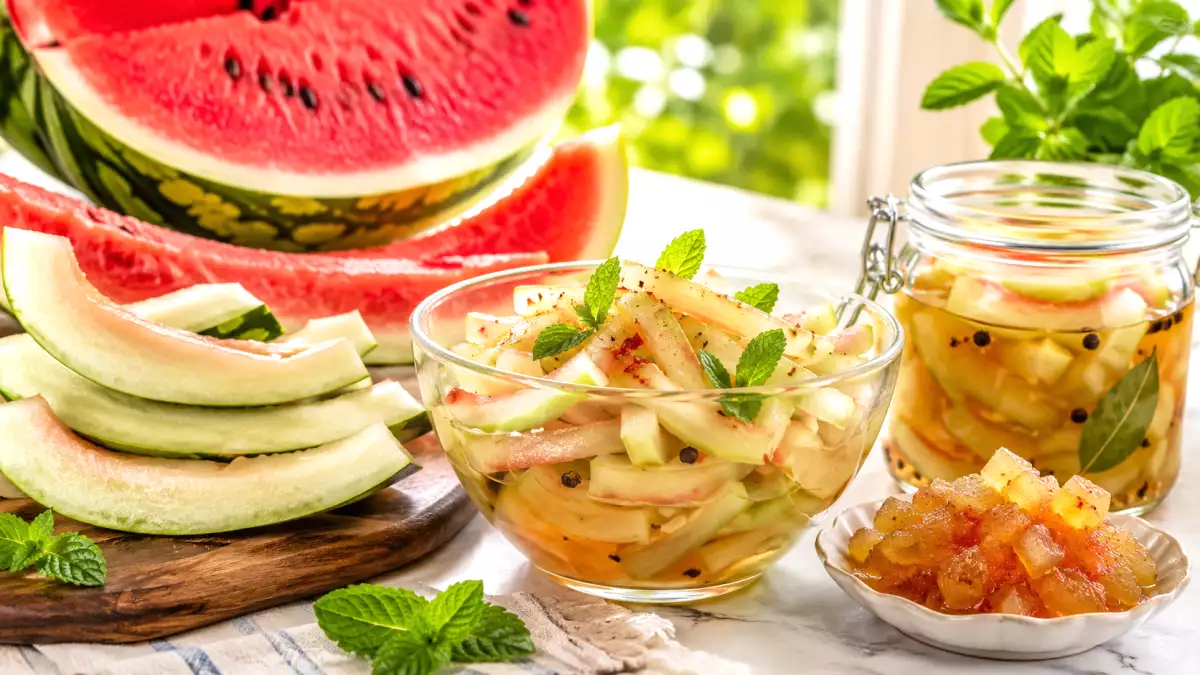
Watermelon almost always ends up the same way: the red flesh devoured in a matter of minutes and the rind in the trash. Yet that white, crunchy, not-very-sweet part can be a clever ingredient for summer recipes that reduce food waste.
The question is simple: Can you eat watermelon rind? Yes, but not all of it. The most useful part is the white section, between the red flesh and the outer green rind. It has a delicate flavor, absorbs seasonings well, and works in both savory and sweet recipes.
You might also be interested in:
 Never buy a bland watermelon again: quick, practical ways to tell if it’s sweet without cutting
Summer and watermelon go hand in hand. Refreshing, juicy, naturally sweet, and more than 90% water, it’s a must-have fruit when temperatures rise. But there’s a problem: you can’t see inside before you buy it. Unlike a peach or a melon, which you can easily smell or feel, watermelons keep well...
Never buy a bland watermelon again: quick, practical ways to tell if it’s sweet without cuttingSummer and watermelon go hand in hand. Refreshing, juicy, naturally sweet, and more than 90% water, it’s a must-have fruit when temperatures rise. But there’s a problem: you can’t see inside before you buy it. Unlike a peach or a melon, which you can easily smell or feel, watermelons keep well...
Which part of the watermelon rind should you use?
Before cooking it, you need to prepare it properly. The outer green part is tough and should be removed. The white part, on the other hand, can be cut into cubes, sticks, or thin slices.
To use it safely:
- Wash the watermelon thoroughly before cutting it;
- remove the tough green rind;
- keep only the white part;
- remove any remaining red flesh;
- store the clean rind in the refrigerator and use it soon.
At this point, it’s no longer waste, but a fresh, crunchy base ready to be transformed.
Pickled watermelon rind: crunchy and perfect for an aperitif
One of the best ideas is to pickle watermelon rind. The result is similar to gherkins, but with a more delicate and distinctive flavor.
Cut the white part into sticks and place them in a jar with vinegar, water, salt, a little sugar, and spices. You can add pepper, bay leaves, mustard seeds, ginger, or chili peppers.
After a few hours in the refrigerator, it becomes crisp, fresh, and flavorful. It’s excellent with cheese, sandwiches, salads, cold dishes, or as an appetizer. Basically, what would otherwise be waste turns into something everyone tries “just out of curiosity” and then ends up finishing.
Marinated Watermelon Rind: Ready Without Turning on the Stove
If you're looking for a quick idea, marinated watermelon rind is a simple and very summery option.
Slice the white part into thin strips and season with lemon, extra virgin olive oil, salt, pepper, and mint. Let it sit in the refrigerator for at least 30 minutes.
It makes for a fresh, light, and unique side dish. It also pairs well in rice salads, couscous, cold bowls, or dishes with feta, cucumbers, cherry tomatoes, and olives.
Can you cook watermelon rind in a pan?
Yes, and this is perhaps one of the least well-known ideas. The white part of the watermelon rind can be sautéed in a pan just like a vegetable.
Just cut it into strips and cook it with oil, garlic, salt, and spices. With curry, paprika, or soy sauce, it becomes a flavorful and light side dish. The texture changes (it softens) but it remains pleasant.
It’s a good idea when you want to use up the watermelon rind without making preserves or marinades.
Watermelon rind jam: a surprising sweet treat
Watermelon rind jam is one of the most interesting anti-waste recipes. You always use the white part, cut into small pieces and cooked with sugar, lemon, and perhaps a little vanilla or cinnamon.
As it cooks, the rind softens and becomes a preserve with a delicate flavor. It’s delicious on bread, with yogurt, or paired with fresh cheeses.
It’s also a smart way to use up a lot of rind when you buy a large watermelon.
More Clever Ideas for Using Watermelon Rinds
Watermelon rind is very versatile because it doesn't have an overpowering flavor. This allows you to use it in different ways without spoiling your dishes.
Give it a try:
- grated in salads;
- diced in smoothies with lemon and mint;
- in a sweet-and-sour chutney with spices and vinegar;
- candied with sugar and lemon zest;
- in summer smoothies;
- thinly sliced in cold dishes with soy sauce and sesame.
Not all of these ideas are “everyday,” but that’s exactly why they make watermelon rind more interesting than the usual waste to be thrown away.
How to store watermelon rinds
The peeled skin should be stored in the refrigerator in an airtight container and used within a couple of days. If you pickle or marinate it, it can last a little longer, as long as it’s kept refrigerated in a clean jar.
For actual canning, however, you must follow the rules for sterilizing jars and food safety.
If it has a strange odor, an altered color, or a slimy texture, it’s best not to use it.
Watermelon rinds aren't just waste
Throwing away watermelon rinds might seem like a normal thing to do, but it actually means missing out on a crunchy, fresh part that’s much more useful than it seems. With just a few simple steps, you can pickle it, marinate it, sauté it, or turn it into jam.
The next time you cut a watermelon, set aside the white part. It might not change your life, but it will certainly make your summer a little smarter, more sustainable, and even more fun.
 Leandra Masha
Comments