Dried chickpeas staying hard for hours? Here's how to cook them so they soften as expected
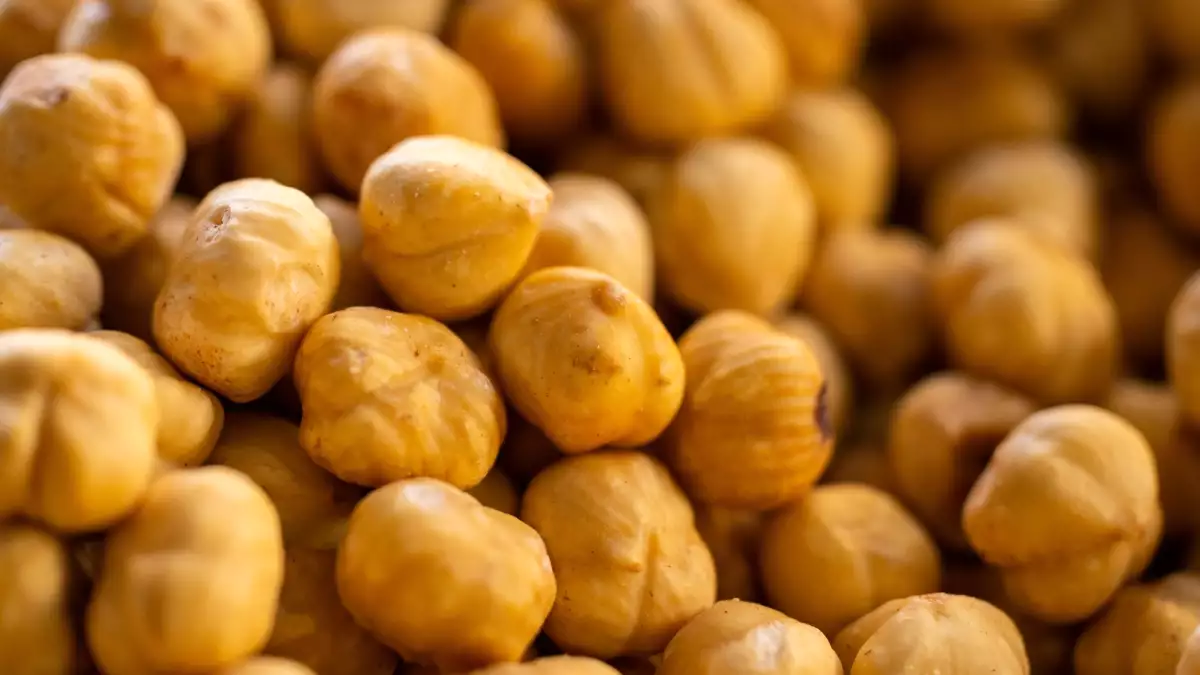
Start by checking the "age" of the chickpeas
Over time, their structure changes, and water penetrates them less easily. As a result, old chickpeas can remain firm even after cooking for a very long time.
It’s not always possible to know their harvest date, but if a package that’s been open for a long time consistently gives you trouble, it’s not necessarily your cooking method that’s to blame.
Soaking is still the easiest way to save time
Be sure to use plenty of water, as they will expand significantly. The next day, drain and rinse them before placing them in fresh water to cook.
Soaking isn’t absolutely necessary, but it ensures more even cooking and generally saves you a lot of waiting time.
Don't have time to soak them overnight?
Drain, rinse, and then resume cooking as usual with fresh water. This quick soaking method doesn’t always yield exactly the same results as soaking overnight, but it can be a lifesaver when you’ve forgotten to start the process the night before.
The cooking water may also explain why the chickpeas are very hard
If your chickpeas consistently remain firm even after soaking properly, you can try using water with lower mineral content. This can sometimes help you quickly determine if that’s the source of the problem.
In any case, cover the chickpeas with several centimeters of water, as they continue to absorb liquid during cooking.
Should I add baking soda?
A small amount is enough: about half a level teaspoon per liter of water. Baking soda makes the water more alkaline and helps soften the chickpea skins.
Avoid using too much. The chickpeas can become mushy, split open, and take on a slightly alkaline taste. For a salad, where you want to keep the chickpeas whole, it’s often best to skip it.
Salt isn't necessarily the problem
So you can lightly salt the cooking water if you want the chickpeas to be seasoned all the way through. The point that requires more attention mainly concerns acidic ingredients.
Tomatoes, lemon, or vinegar can slow down the softening process. If you’re making a curry or a stew, wait until the chickpeas are already tender before adding these ingredients.
Cook them over low heat rather than at a rolling boil
Boiling them at a very high temperature won’t necessarily cook them much faster. It can actually cause the beans to split and the skins to come off.
Depending on their size, age, and how long they’ve been soaked, cooking can take about 1 hour to 1 hour and 30 minutes. Taste them rather than relying solely on the timer: a cooked chickpea should be tender all the way through.
Add the acidic ingredients only when they are tender
For a curry, soup, or stew, cook them first in water until they reach the desired texture. Then add the tomato, lemon juice, or other acidic ingredients.
This step is especially helpful with dried chickpeas. With pre-cooked canned chickpeas, this isn’t an issue, of course.
Adjust the texture to suit the recipe
For hummus, on the other hand, don’t hesitate to cook them longer: the chickpeas should mash very easily between your fingers. This texture makes them easier to blend later.
Here are a few Petitchef ideas for using your cooked chickpeas:
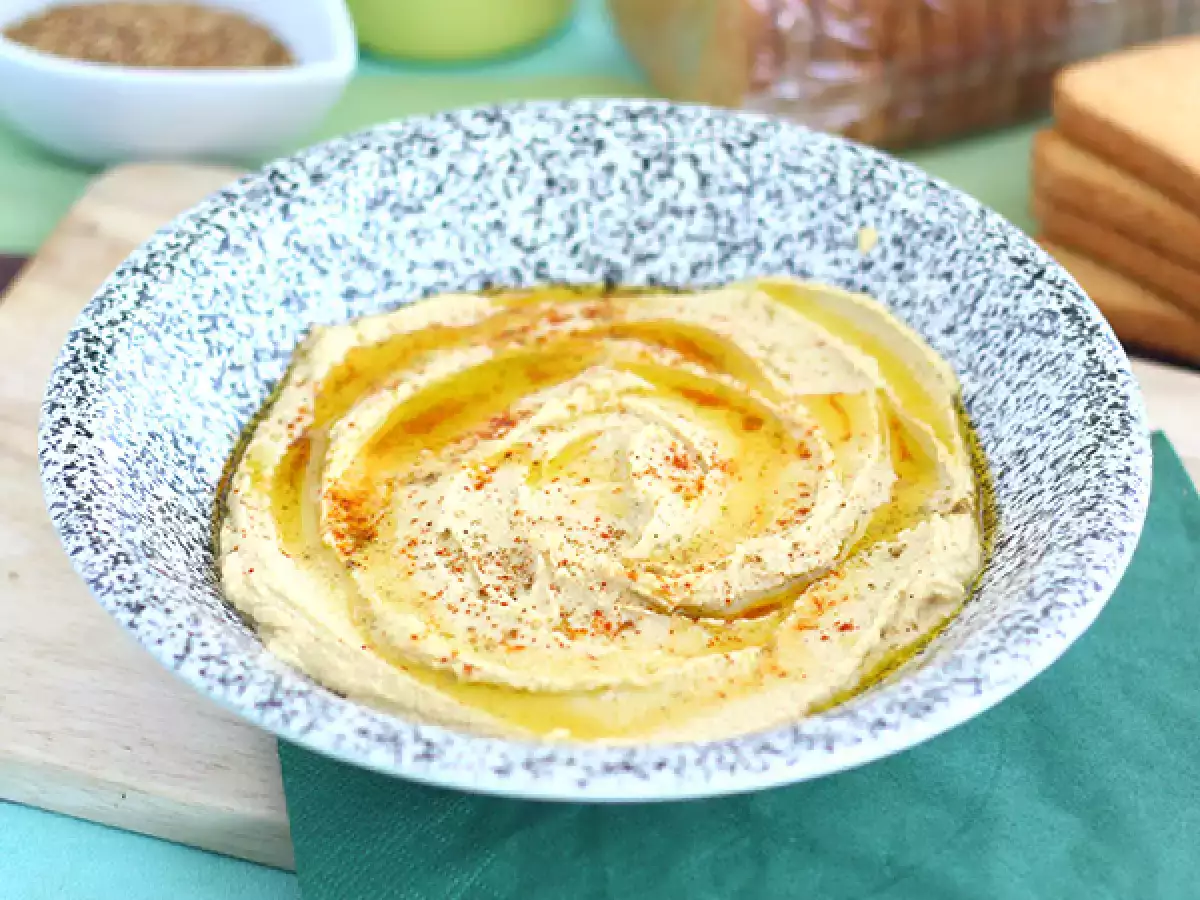
Chickpeas are on the menu today! Enjoy this recipe as a starter or an appetizer, served with pita bread, toast, or crudités ;-)
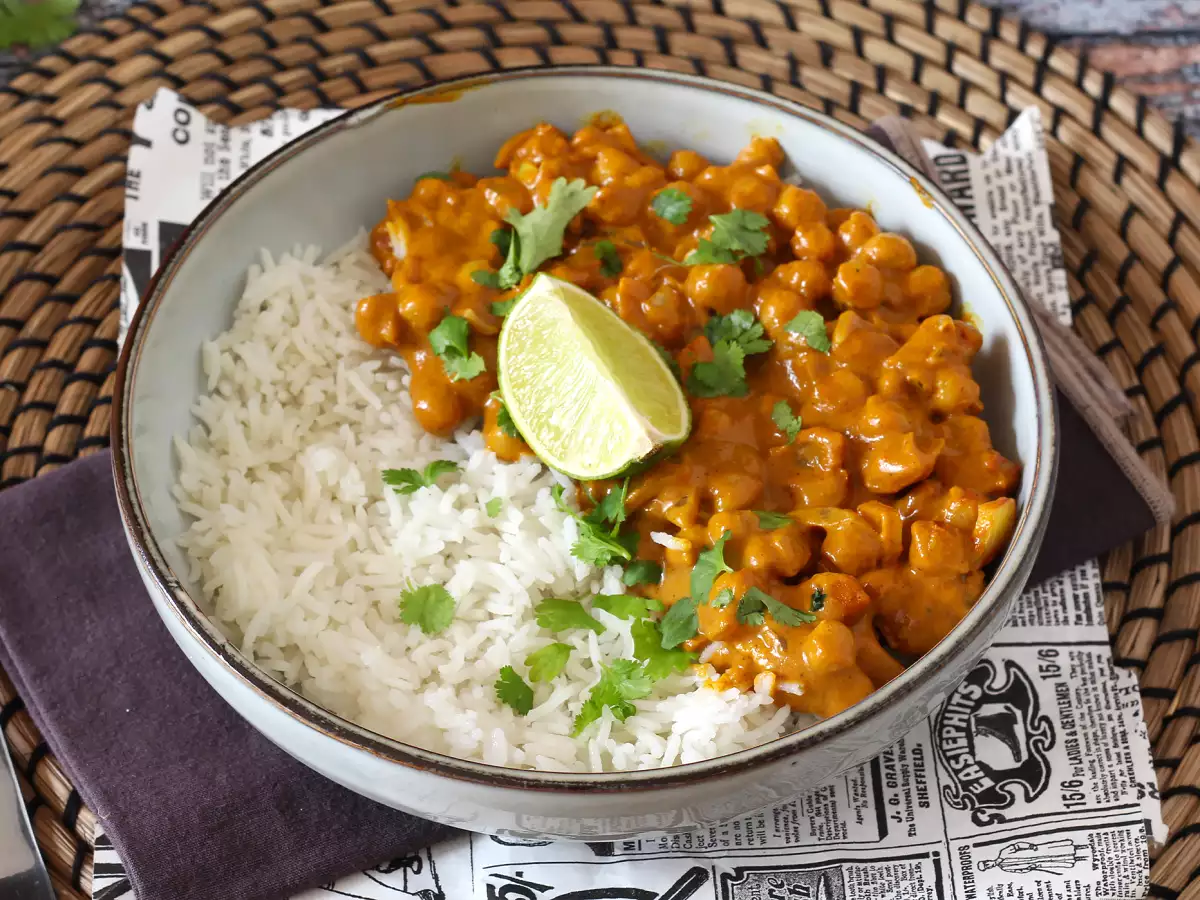
When it comes to comfort food , we're always happy to make room for chickpea curry ! Served with rice, this fragrant dish will take your taste buds on a journey and warm you up :-) Think we're exaggerating? Give it a try and you'll soon be won over...
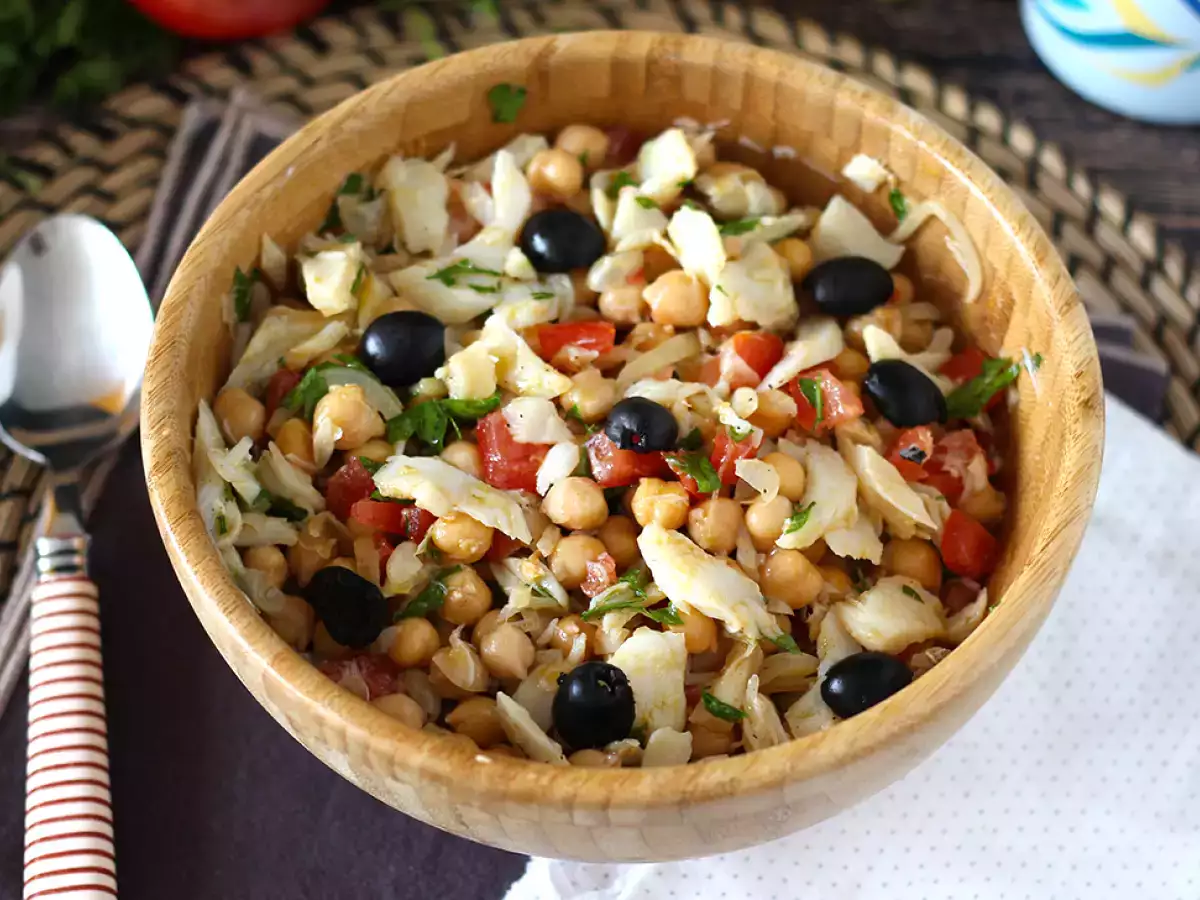
Choose this chickpea and cod salad for a light, nutritious, complete, and fragrant meal. It’s also a great option to take along on a picnic or to work. Easy and delicious, this dish comes together in just minutes. Mix everything together and it’s...
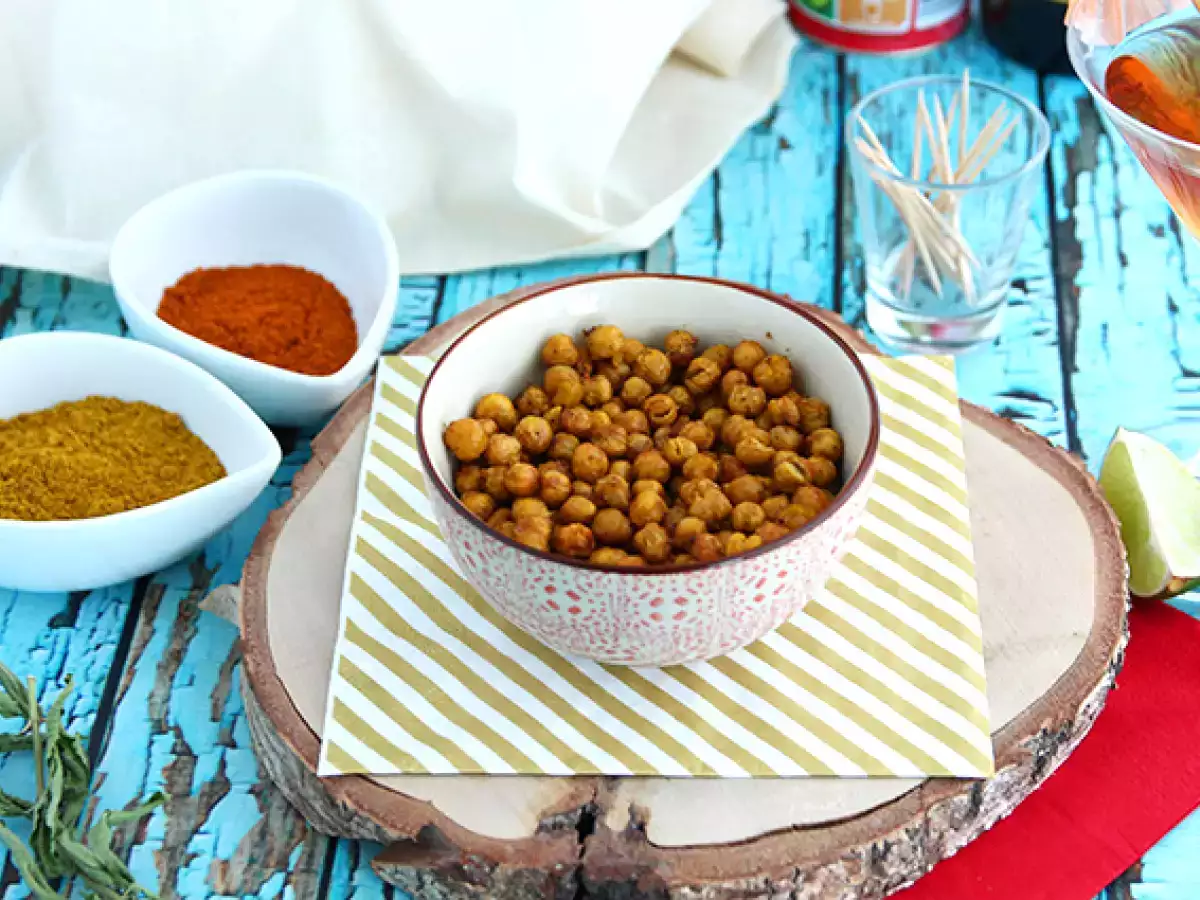
Tired of store-bought chips and overly salty peanuts for appetizers? Try our oven-roasted chickpeas flavored with curry! This super-easy recipe will give you little bites that are crispy on the outside and tender on the inside. A great source of...
 Adèle Peyches
Comments