How to freeze figs at the end of summer: the simple, often-skipped step that keeps them tasting fresh
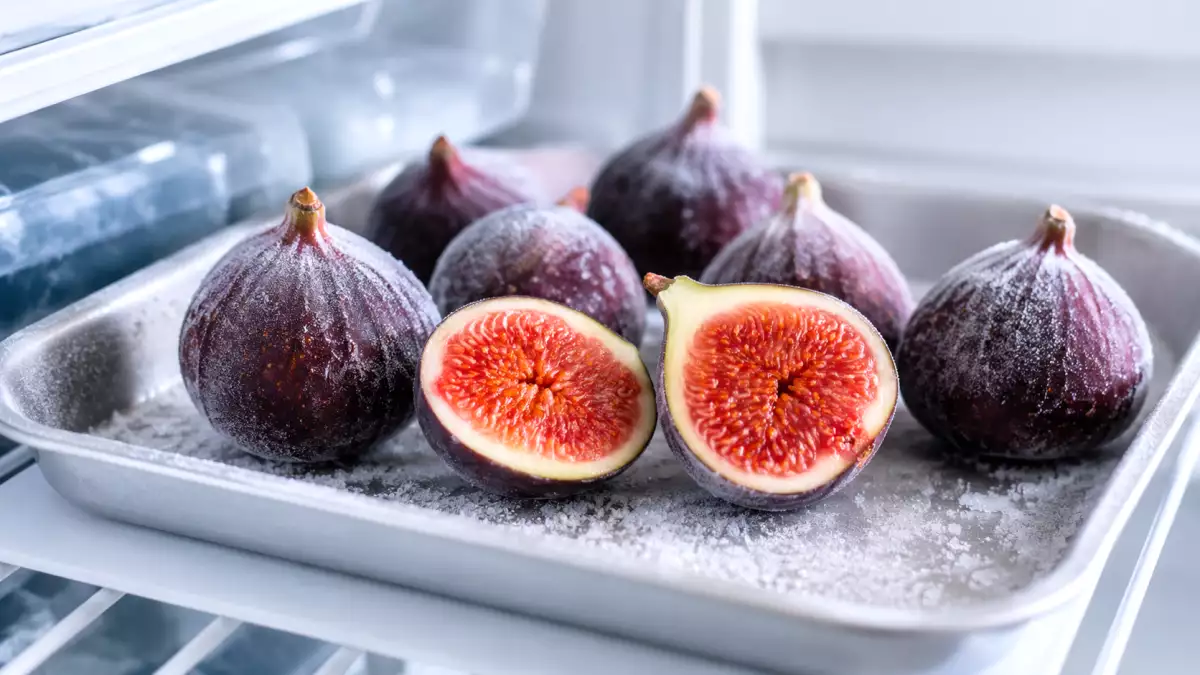
When figs arrive at the market, they already smell like late summer. They’re sweet, soft, a bit delicate, and often disappear within a few days. But if you have a lot of them—perhaps a gift from a lucky neighbor with a fig tree in their yard— the freezer can become your best ally. Just make sure not to throw them all into a bag haphazardly, because figs are high in water content and very fragile: if frozen improperly, they risk becoming mushy, dark, and unappetizing after thawing.
Freezing fresh figs is simple, but the real trick is preparing them properly beforehand: choose the right ones, dry them carefully, and freeze them individually on a tray. That way, you can use them throughout the winter for desserts, breakfasts, quick jams, cheese sauces, or spoon desserts; without missing September too much.
Why is it a good idea to freeze figs when they're in season?
Fresh figs are wonderful, but they have a bit of a diva’s temperament: they ripen quickly and don’t like to stay in the fridge for too long.
Freezing them when they’re at their peak helps prevent waste and ensures you have a supply ready for the colder months. Let’s be clear: the fruit that comes out of the freezer isn’t exactly the same as when it was freshly picked. After thawing, the texture changes because the water in the flesh forms ice crystals. However, the sweet flavor remains quite delightful, and in the right recipes, frozen figs are a little treasure trove.
They’re perfect for dishes where a softer texture isn’t a drawback: creams, compotes, cakes, plum cakes, porridge, yogurt bowls, cheese dips, and fillings. In short, they may no longer be figs to be elegantly eaten with your fingers, but they can become the delicious shortcut that saves your winter snack.
Can you freeze fresh figs?
Yes, fresh figs can be frozen, but you need to start with healthy fruit that’s perfectly ripe and not bruised. The freezer preserves food, it doesn’t work miracles: a fig that’s already too soft, fermented, or has damaged skin won’t suddenly become perfect.
Here’s the rule of thumb: choose fragrant, unblemished figs that are soft but not mushy. Rinse them quickly under cold water (without letting them soak) then dry them very thoroughly with paper towels or a clean dish towel. This step may seem tedious, but it’s exactly what makes the difference: the less water left on the surface, the less ice will form around the fruit.
At this point, you can decide whether to freeze them whole, halved, or in pieces. Small figs can be left whole, while large ones are easier to cut: they take up less space and will be easier to use in recipes.
The step that many people skip
Here it is, the freezer-saving trick: before putting the figs in bags, freeze them on a tray. It may seem like a small detail, but it prevents that infamous single block of frozen figs that’s impossible to portion out—the one you end up staring at, thinking, “Now do I have to thaw the whole thing?”
The method is simple:
- Gently wash the figs
- dry them very carefully
- remove the stems if you prefer
- cut them in half or into quarters, or leave them whole if they’re small
- arrange them on a tray lined with parchment paper, without overlapping them
- Place them in the freezer until they’re hard
- Transfer them to freezer bags or airtight containers
- Always write the date on the package.
This method of freezing them separately allows you to take out only the amount you need. Two figs for yogurt, a handful for a cake, a few pieces for a sauce: much more practical than a big, sticky block.
Is it better to freeze figs whole or cut up?
It depends on how you want to use them. Whole figs are convenient if they’re small and you want to save them for compotes, slow-cooking, or recipes where appearance isn’t important. Sliced figs, on the other hand, are more versatile: they thaw more quickly, fit better in containers, and are ready for desserts, smoothies, and creams.
If you have very ripe figs, cutting them is also a smart way to check the inside and discard any spoiled parts. If, on the other hand, you have nice, firm figs, you can cut them in half and freeze them with the cut side facing up on the tray.
Here’s a little trick: if you want to minimize browning and better preserve the color, you can sprinkle a tiny bit of lemon juice on the cut figs. Don’t overdo it, though, or you’ll mask their natural sweetness. It should be just a hint, not lemonade disguised as preserves.
Can you freeze figs with sugar?
Yes, and in some cases, it can be a good idea. Freezing figs with a little sugar or in a light syrup helps preserve their color and flavor, especially if you plan to use them in desserts, yogurt bowls, tarts, or sweet sauces. For everyday use, however, the sugar-free method remains the most versatile.
It lets you decide later whether to turn them into a sweet dish or pair them with something savory, such as cheese, toast, or nuts. A handy tip is to divide your supply: keep some plain and set aside a small portion specifically for desserts. That way, your freezer becomes not just a storage space, but a small, organized pantry.
How long do frozen figs last in the freezer?
Frozen figs keep well for several months if stored in freezer-safe containers and protected from air. For best quality, it’s best to use them within 8–12 months. Not because they become unsafe the very next day, but because their aroma, color, and texture can lose their vibrancy over time.
The date on the bag is crucial. Atthe time, you’re convinced you’ll remember everything, but then in January you open the freezer and find three mysterious bags: figs, plums, or some unidentified experiment? Better to avoid the guessing game.
Another important rule: Thaw only the amount you need, and don’t refreeze the figs once they’ve been thawed. Prepare small portions—perhaps 200 or 300 grams—so they’re easier to manage.
How to thaw and use frozen figs
For many uses, you don’t even need to thaw them completely. If you’re making a compote, a sauce, or a cooked filling, you can add them directly to the pot while they’re still frozen, allowing the excess water to evaporate. If, on the other hand, you want to add them to yogurt, porridge, or cold desserts, it’s best to let them sit in the refrigerator for a few hours. Once thawed, they’ll be softer than fresh figs; this is normal. That’s why they work so well in recipes where the flesh blends with other ingredients.
You can use them to enhance a cake, make a quick sauce with honey and lemon, pair them with aged cheeses, or add a touch of sweetness to a creamy breakfast.
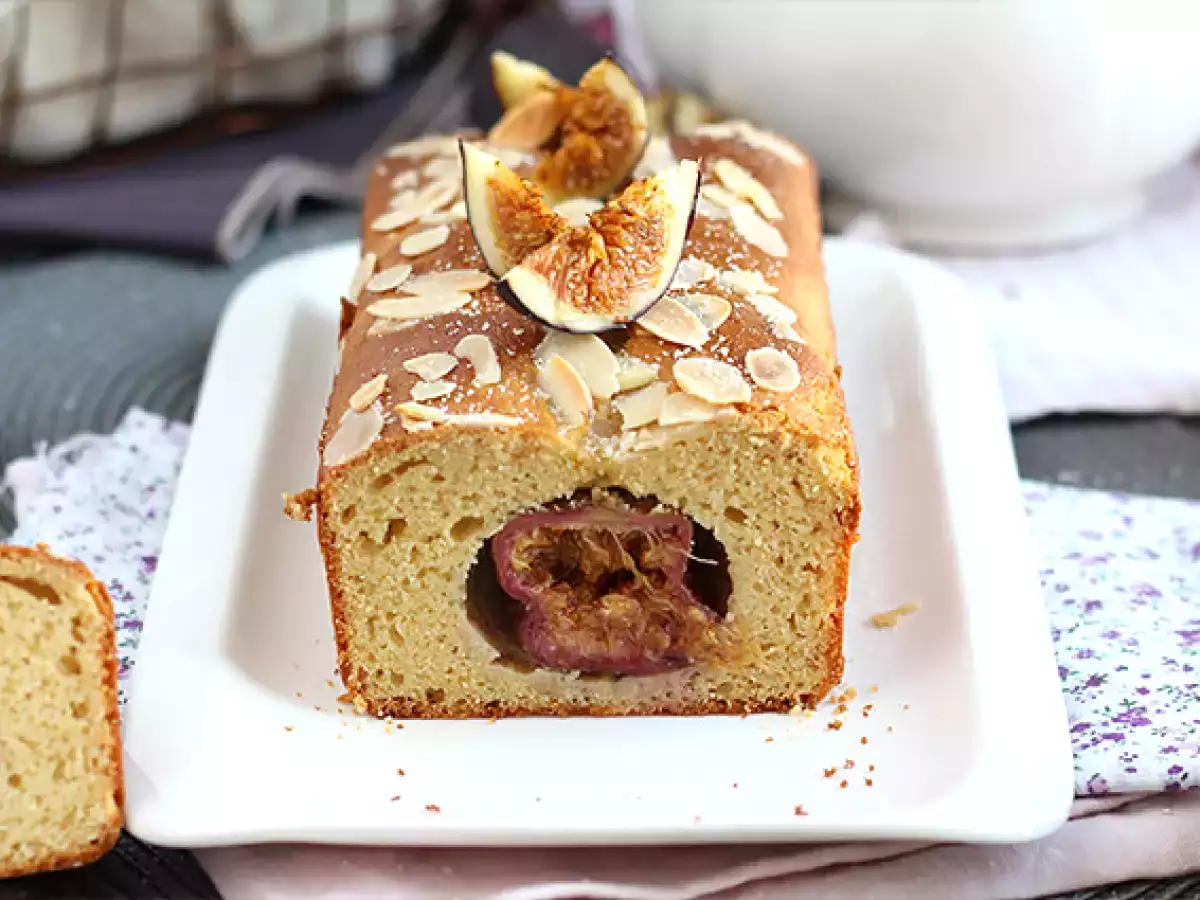
Fig season is short, so let's make the most of it! Here's a simple yet delicious dessert: a fig and almond cake :-) Moist and easy to make, it's so good that not a crumb is left at Ptitchef! How about at your place? Try this recipe with our detailed...
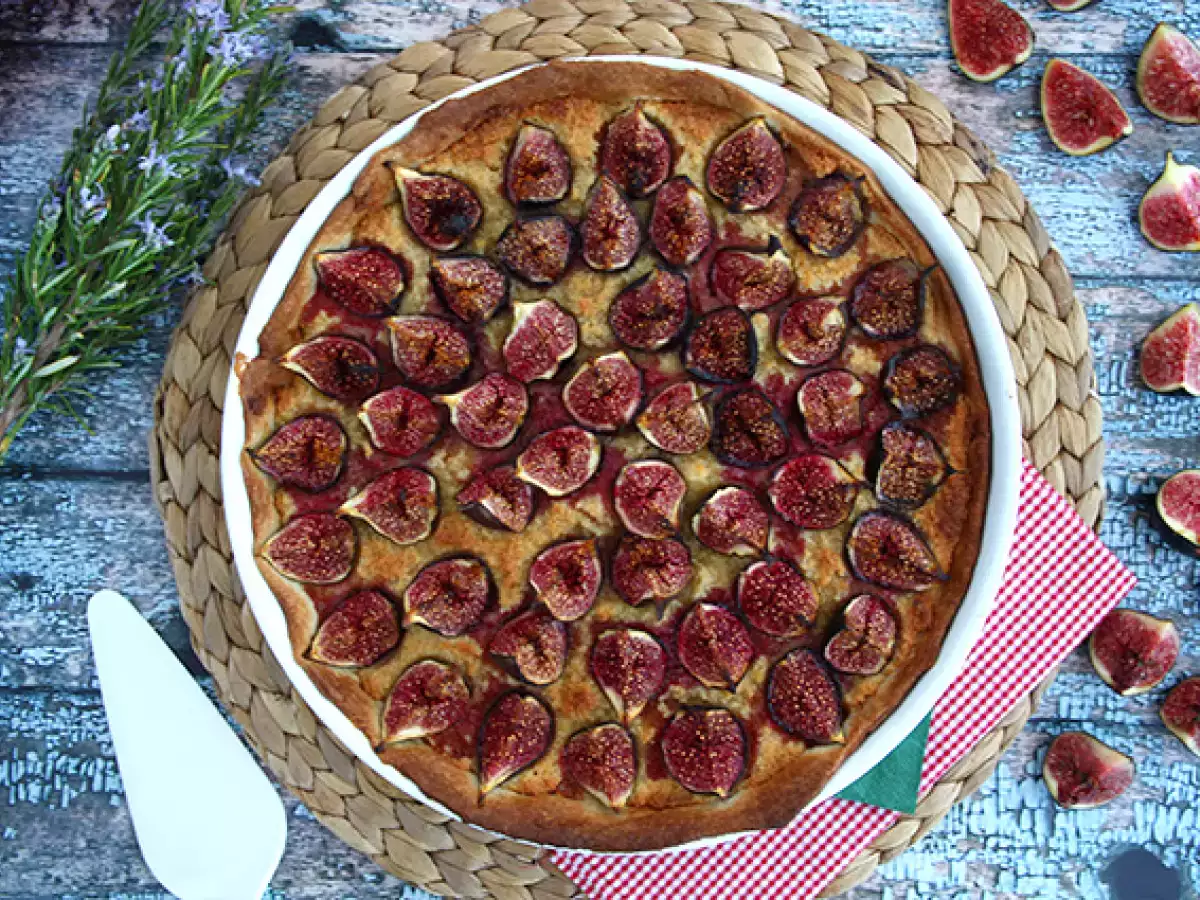
Figs... this little juicy fruit filled with seeds that crunch between your teeth... :-) We love them in jam, in cakes, and especially in tarts! Step by step, follow our recipe and combine shortcrust pastry, almond cream, and beautiful fresh figs to...
Mistakes to avoid when freezing figs
Freezing figs is easy, but certain mistakes can ruin the result.
- The first is choosing fruit that’s too ripe: if they’re already mushy to begin with, they’ll be even softer afterward.
- The second is washing them and putting them in the freezer while they’re still damp: the water on the surface turns to ice and ruins the texture.
Also, be careful not to fill the bags too full. Smaller portions are more practical and reduce waste. Finally, don’t forget to pre-freeze them on a tray: this step transforms a jumbled stash into an ingredient that’s truly ready to use. In short, figs freeze very well, but they need to be handled with a bit of care. They’re sweet, delicate, and a bit finicky: it doesn’t take much to preserve them properly, and it takes even less to end up with a brownish block that doesn’t do justice to their deliciousness.
 Daniele Mainieri
Comments