Why do figs and 'early' figs look different, and why do both kinds often grow on the same tree?
The first surprise: neither the fig nor the early fig is exactly a fruit
Furthermore, it’s worth starting with a delightful curiosity: what we call a fig or a breva is, botanically speaking, a syconium—a fleshy structure that encloses many tiny flowers within it. The tiny “seeds” that crunch when you bite into them are the actual little fruits. That’s why the fig tree seems to do things backwards: it doesn’t display its flowers like an almond tree; it hides them in a sweet little pouch.
Figs: the harvest that slept on the branch
The "breva" is the first harvest from certain fig trees. It develops on the previous year’s wood: small shoots that were prepared before winter dormancy and that, as temperatures rise, finish ripening in early summer. In Spain, they usually appear between June and July, although the climate and the variety can bring the season forward or delay it.
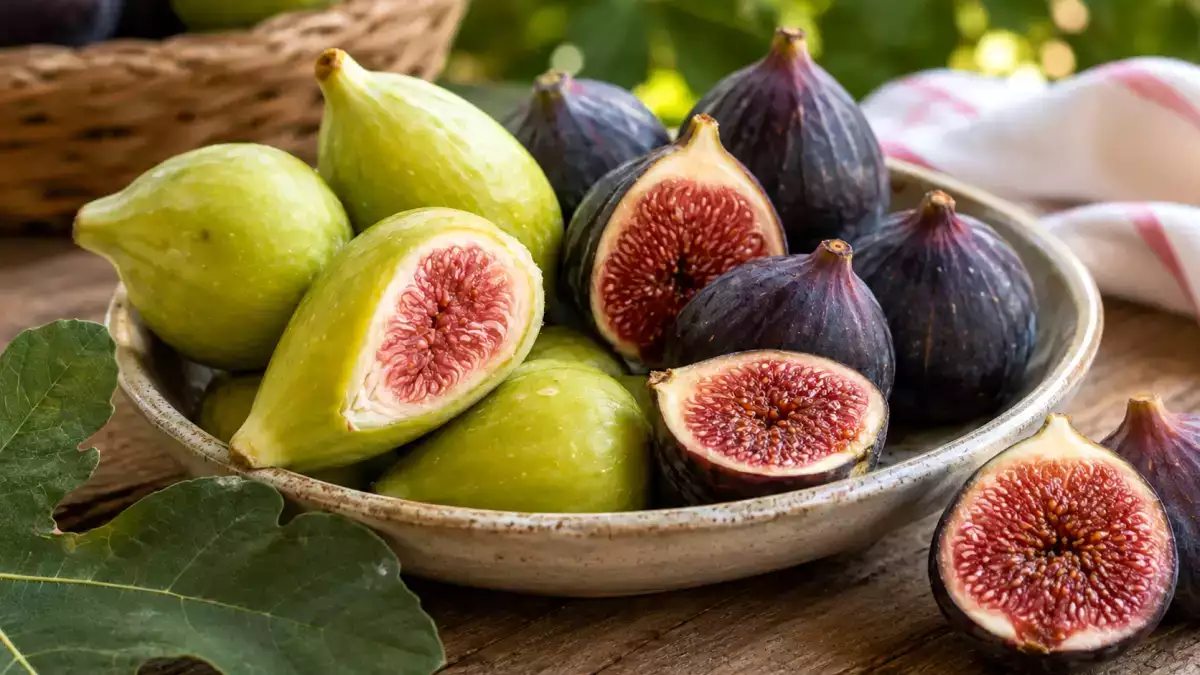
That’s why many brevas are larger, more elongated, and have slightly firmer skin. They may also taste less sweet than figs from August or September: they’ve ripened during even milder days and had less time to concentrate their flavor. This isn’t a flaw; it’s simply their nature. They taste like early summer—like fruit that arrives before the heat really sets in.
To enjoy them without overpowering their flavor, they pair very well with rich savory foods or mild dairy products: fresh cheese, ham, nuts, or a few bitter greens.
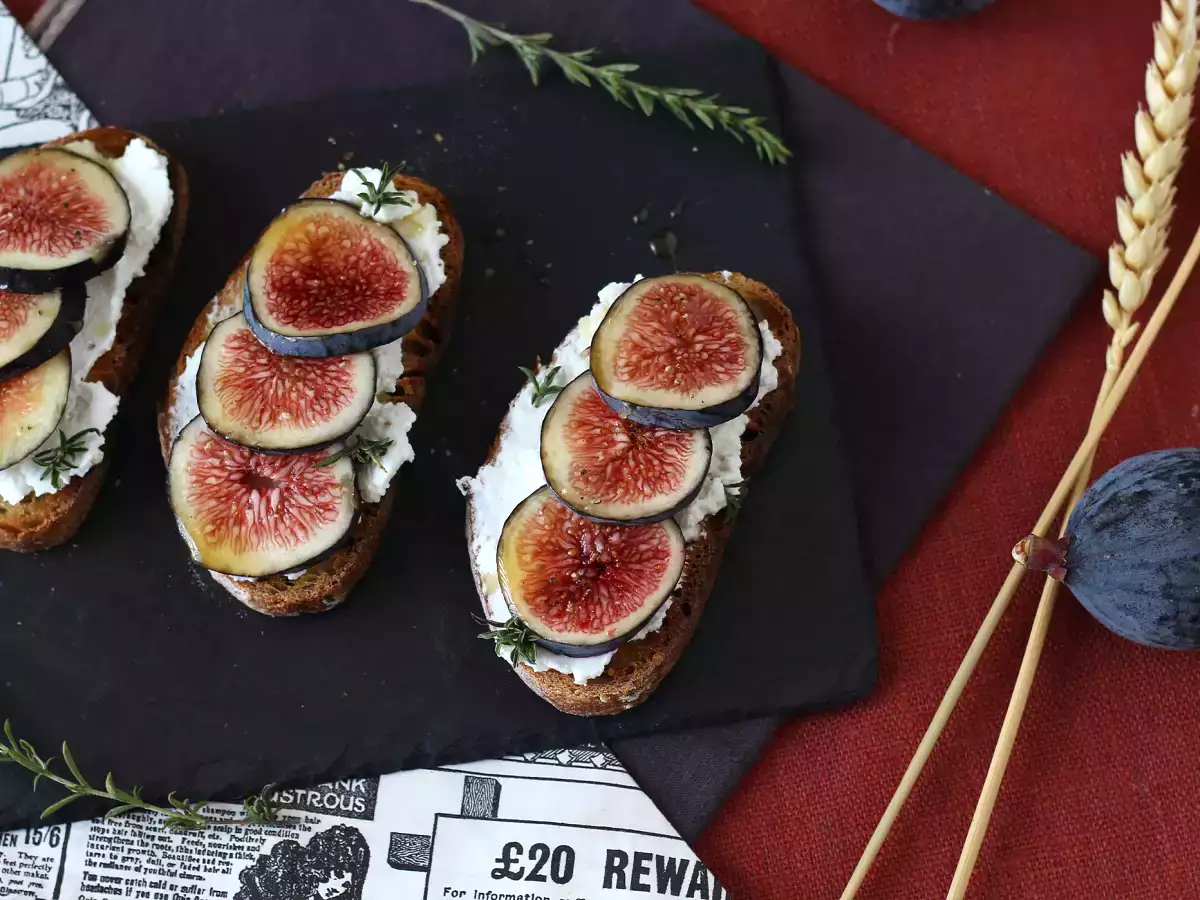
Fig season is well and truly underway, and since it’s short, we’re determined to make the most of it! These little fruits can be enjoyed in countless ways: in a salad , in a tart or in a risotto. This sweet, tender fruit never ceases to amaze us!...
Figs: The second harvest—later and sweeter
In common Spanish usage, the term “fig” usually refers to the main harvest. This harvest develops on the new shoots of the same year and ripens later, from late summer to early fall. By this time, the fig tree has more leaves, has accumulated more sunlight, and the nights help boost sugar content. That’s why many figs are smaller, more tender, and have a deeper sweetness than brevas.
A useful rule of thumb for shopping is simple: brevas kick off the season; figs bring it to a close. The former herald June. The latter belong to that part of summer when the market smells of grapes, ripe tomatoes, and very sweet fruit.
In the kitchen, figs work best in preparations where you want the sweetness to stand out: baked goods, pies, cakes, or quick sauces. They also enhance savory dishes because their sweetness isn’t one-dimensional: it has notes of honey, seeds, and plant skin.
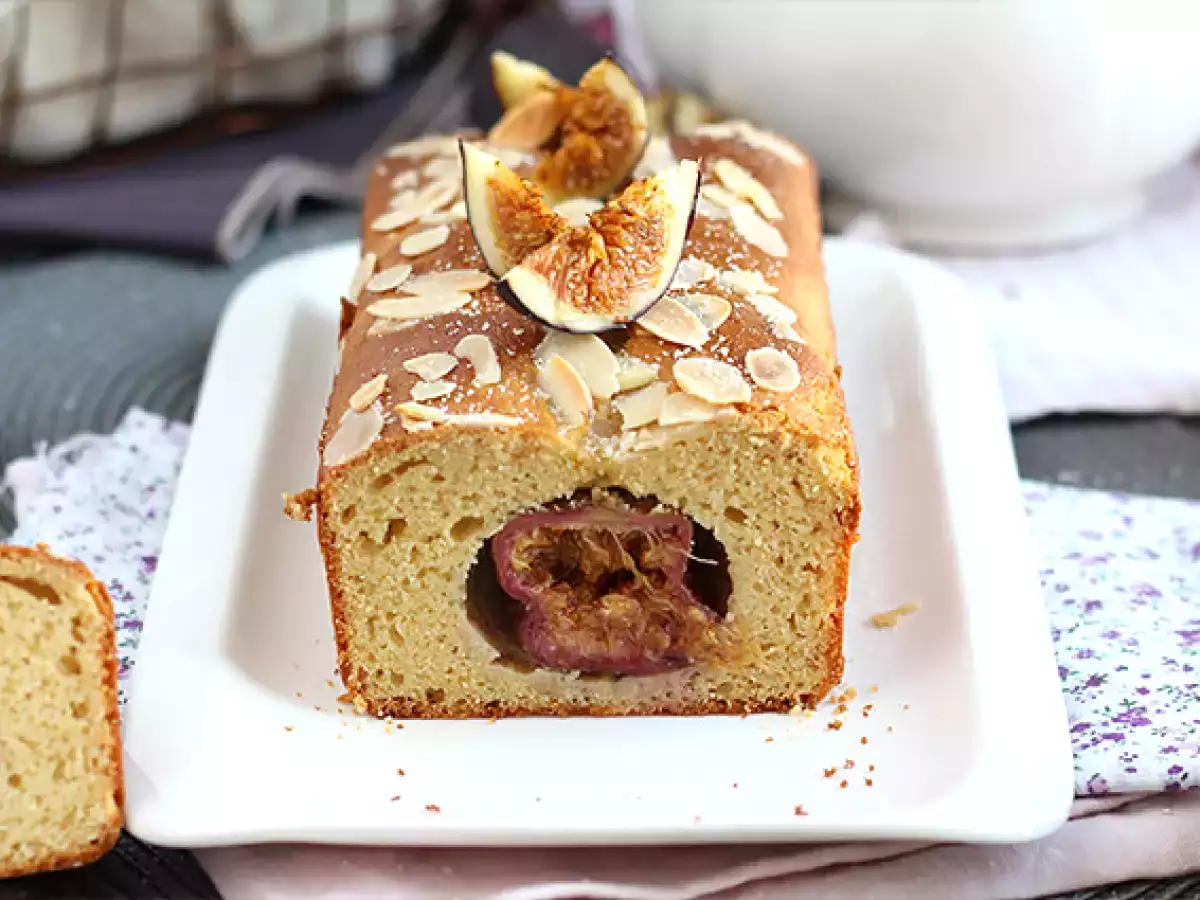
Fig season is short, so let's make the most of it! Here's a simple yet delicious dessert: a fig and almond cake :-) Moist and easy to make, it's so good that not a crumb is left at Ptitchef! How about at your place? Try this recipe with our detailed...
Do all fig trees bear early figs?
Not all fig trees produce in the same way. Some produce brevas even if their flowers have not been pollinated; that is, the breva can develop without fertilization. In contrast, the main harvest (late-summer figs) depends more on the variety: some fig trees produce them without assistance, while others require pollination.
How to tell them apart at the fruit stand
Choose both carefully: they should give slightly, smell sweet, and show no signs of damp spots. At home, it’s best to eat them right away. They’re fruits with a short shelf life—the kind that won’t survive a week forgotten in the fridge.
In the end, the best test is your taste buds. The breva holds a promise; the fig, a farewell. One arrives as summer begins to stretch out. The other appears when summer already knows it’s coming to an end.
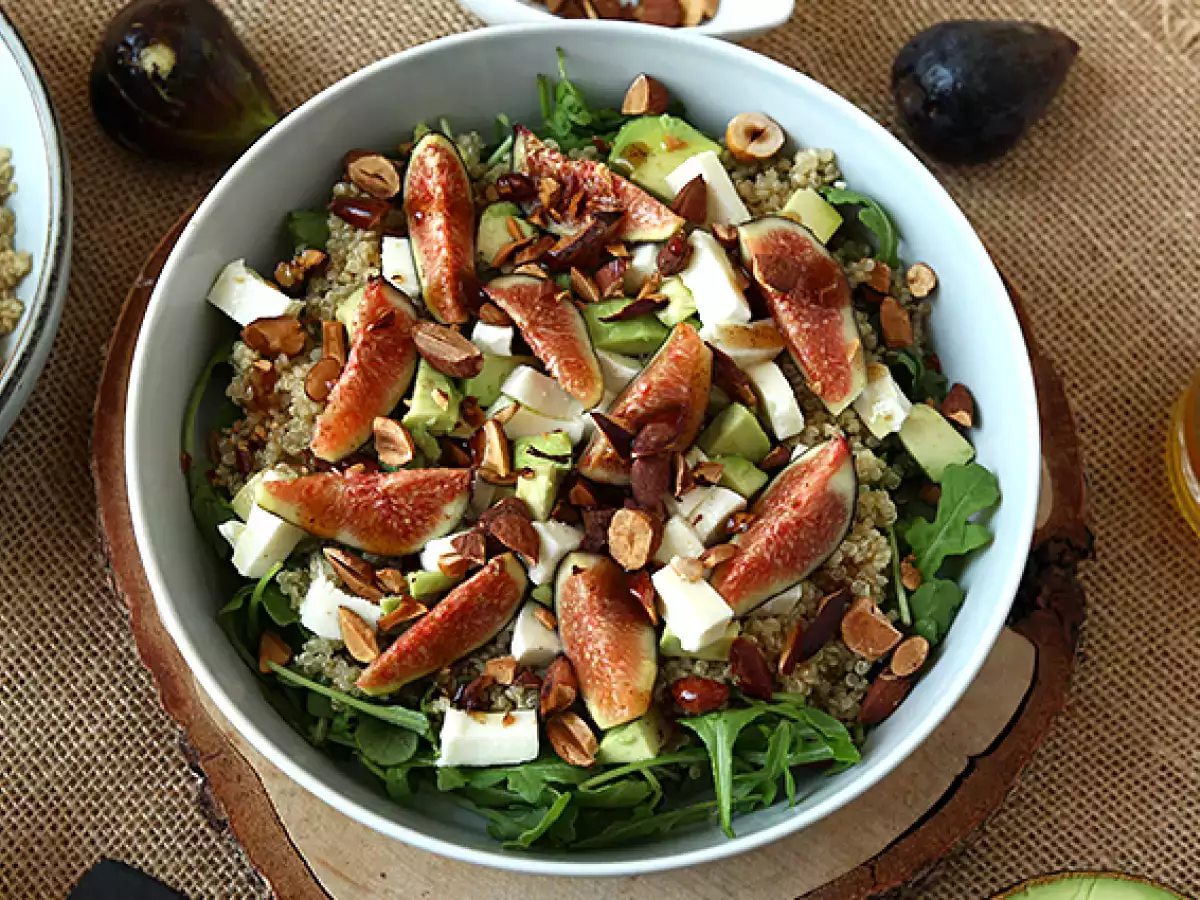
A simple, reliable recipe for enjoying seasonal figs :-) Quinoa for carbohydrates, fresh vegetables for fiber and vitamins, figs for a sweet, colorful touch, cheese for creaminess, and toasted almonds for an irresistible crunch. Give it a try!
 Patricia González
Comments