How to use gochujang: Korean fermented chili paste and 6 recipes to use it for the first time
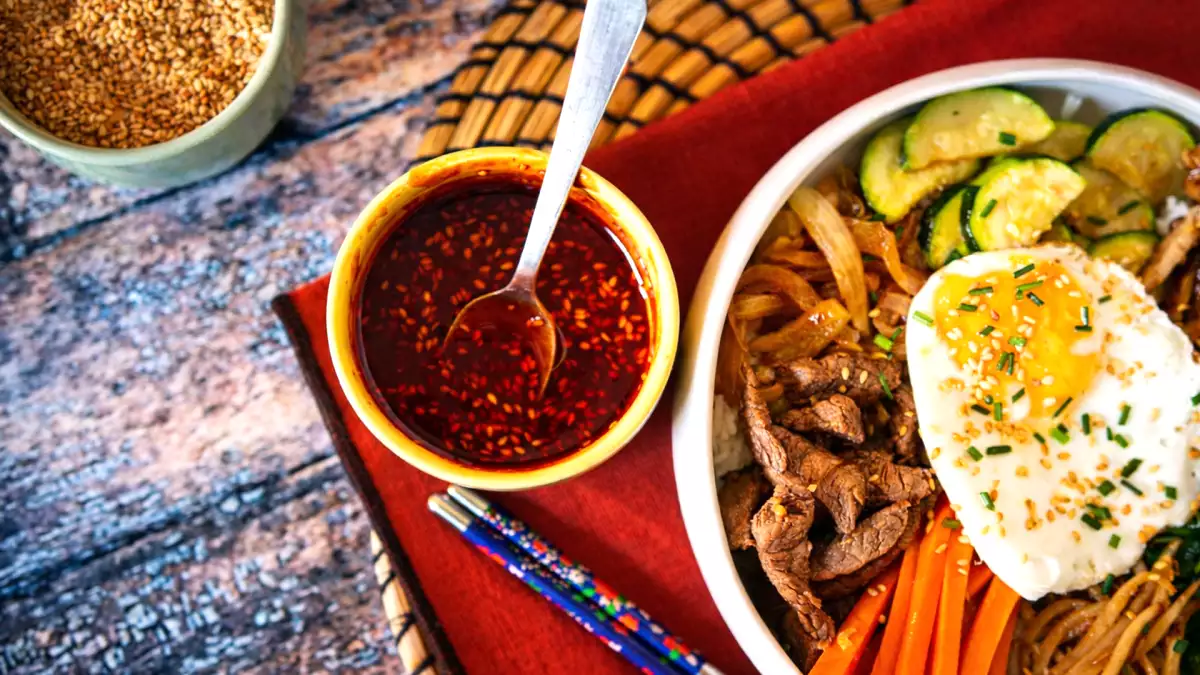
In a lot of home kitchens today, there’s a new red jar that definitely wasn’t there five years ago. It’s not ketchup, even though it has that same promise of intensity. It’s not sriracha either, although plenty of people refer to it vaguely as “that Asian hot sauce.” On the label (often in bold characters that look more like a stamp than a logo) it says gochujang.
You see the same scene play out in restaurants and at home: someone tastes it cautiously because they saw it in a viral recipe or on the menu of a trendy spot; someone else jumps in to explain that you don’t usually use it straight like a table sauce. You work it into dishes, more like a red curry paste. And then, once it’s mixed into a marinade or sauce, that intense heat suddenly has another dimension: deeper flavor, different texture, a surprising way of reinventing familiar food. Take something as simple as a grilled salmon fillet: it becomes a completely different dish the moment you brush it with a gochujang glaze.
That’s the quiet power of gochujang: it transforms what you already know. And once you’ve cooked with it, it’s clear it hasn’t entered our kitchens as a passing fad, but as a new staple condiment that fully intends to earn a permanent place in the pantry.
What is gochujang
Gochujang is a fermented paste of Korean origin made, in its classic version, with red chili (gochugaru), glutinous rice, fermented soybeans and salt. It resembles a sauce, but behaves like a paste: it concentrates flavor, asks to be diluted, mixed, heated or emulsified to unfold.
In the mouth, gochujang is a triangle: spicy, sweet and umami. Spiciness is not just fire; it is persistence. Sweetness is not candy; it is rounding and sustaining. The umami comes from fermentation and explains why, even with a small amount, the dish seems "more cooked."
What really sets it apart: fermentation
By now, the language of ferments is pretty familiar: kombucha, kimchi, miso, kefir. But gochujang plays a slightly different role. It doesn’t just bring acidity or a sharp aromatic kick, it works as a foundation of flavor. Where you might once have added “something spicy,” here you’re adding structure.
The fermentation isn’t a decorative detail; it’s what defines the end result. That’s why gochujang can vary so much from one jar to another: some are sweeter, others punchier, others thicker and more intense. And that’s also why it’s important not to expect a simple finishing sauce. You’re not buying something to drizzle on at the end, you’re buying an ingredient to build the dish around.
How it’s showing up in the U.S. (and why now)
Korean culture has been crossing borders for years (K-dramas, K-pop, skincare, street food) and in the food world it’s become very concrete: you can measure it in new restaurant openings, reservation lists, and what shows up on grocery shelves. Gochujang has followed a classic path in the U.S. too: first Korean restaurants and specialty Asian markets, then big-box retailers and mainstream supermarkets, and finally the average home kitchen. Today you’ll find multiple brands at places like Walmart, Costco, Whole Foods, H Mart and 99 Ranch, not just niche shops.
Its success isn’t mysterious: with just a spoonful or two, gochujang gives dishes a recognizable, complex flavor (spicy, slightly sweet, deeply savory) and lets you cook “Korean-inspired” food without having to build a whole new pantry of sauces and spices. It’s an easy entry point: one red tub, a couple of simple recipes, and suddenly your usual salmon, chicken, or veggie stir-fry tastes completely new.
The typical beginner's mistake
The first mistake is to treat it as if it were table sauce: open, pour, eat. The result: harsh spiciness, excessive sweetness, a feeling of "this was not meant for me".
The gochujang calls for a different logic:
- It is dosed (start with half a teaspoon per serving and adjust according to your tastes).
- It is integrated (mixed with fat, with a liquid, with an acid).
- Cook it (sometimes) so that it becomes rounder and less frontal.
In short: a well-worked teaspoonful (emulsified, diluted, balanced) yields more and tastes better than a spoonful put in without thinking.
Some tips for use at home
- As a marinade base: Mixed with a little oil and a salty element (soy, salt) it becomes a perfect paste for chicken, pork, tofu or vegetables. The fat dampens the spiciness and helps to spread it.
- As a quick sauce: Instead of pouring it "alone", turn it into a sauce: a dairy (yogurt, sour cream), an acid (lemon, mild vinegar) and a touch of sweetness if needed. This gesture makes it friendly without losing character.
- As depth in a stew: A teaspoon in a broth, a stew or legumes brings an unexpected background: it does not "Koreanize" the dish; it makes it more complex.
- As a glaze: With honey or sugar and some liquid, it reduces well and becomes varnish: lacquers, roasted vegetables, even a quick griddle. It is an easy door to flavor.
Find the pleasure of cooking with Gochujang with these recipes:
For those who want to take the plunge with specific dishes, here are three proven ideas:
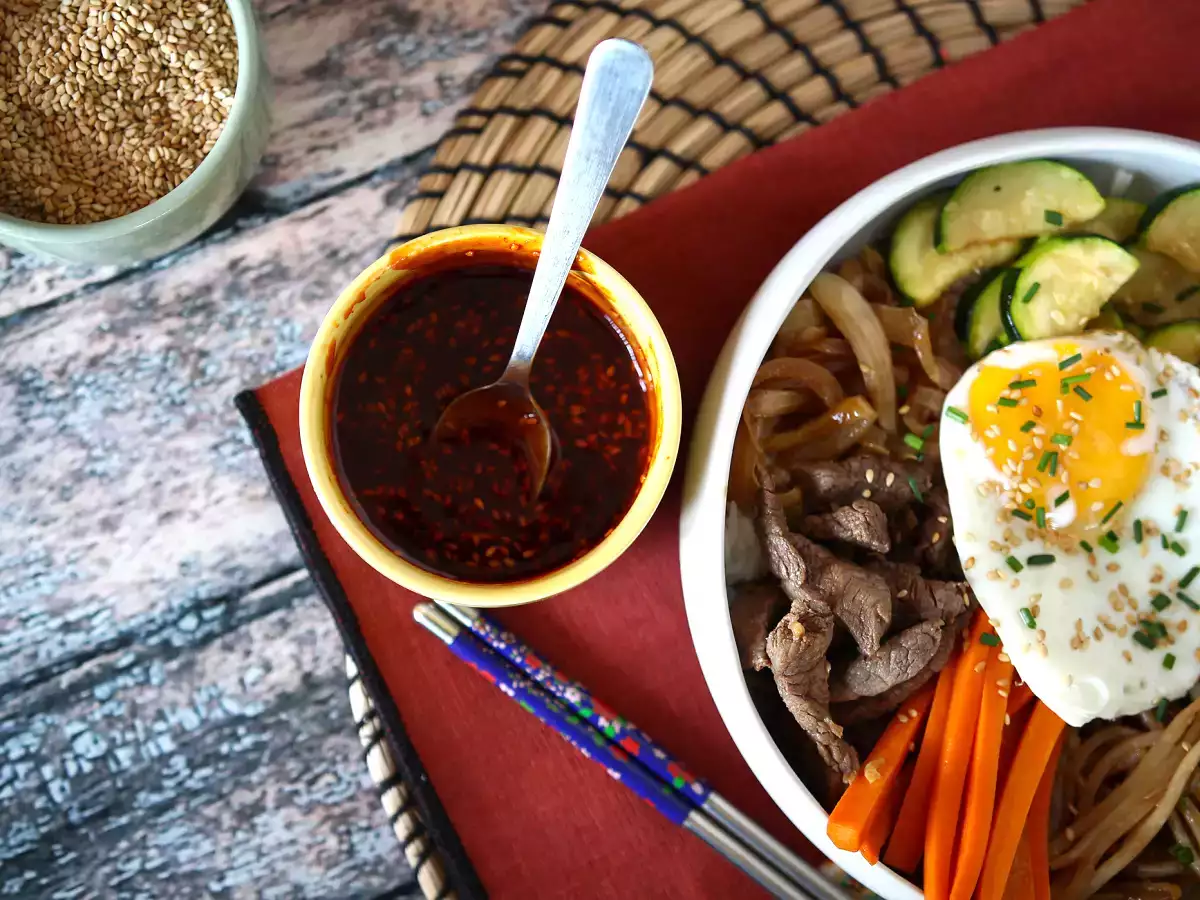
Discover this spicy Korean gochujang sauce for bibimbap, a real explosion of flavor that will take you on a journey to the heart of Korean cuisine ! This chili sauce is simply irresistible, rich and smooth, with a perfectly balanced blend of...
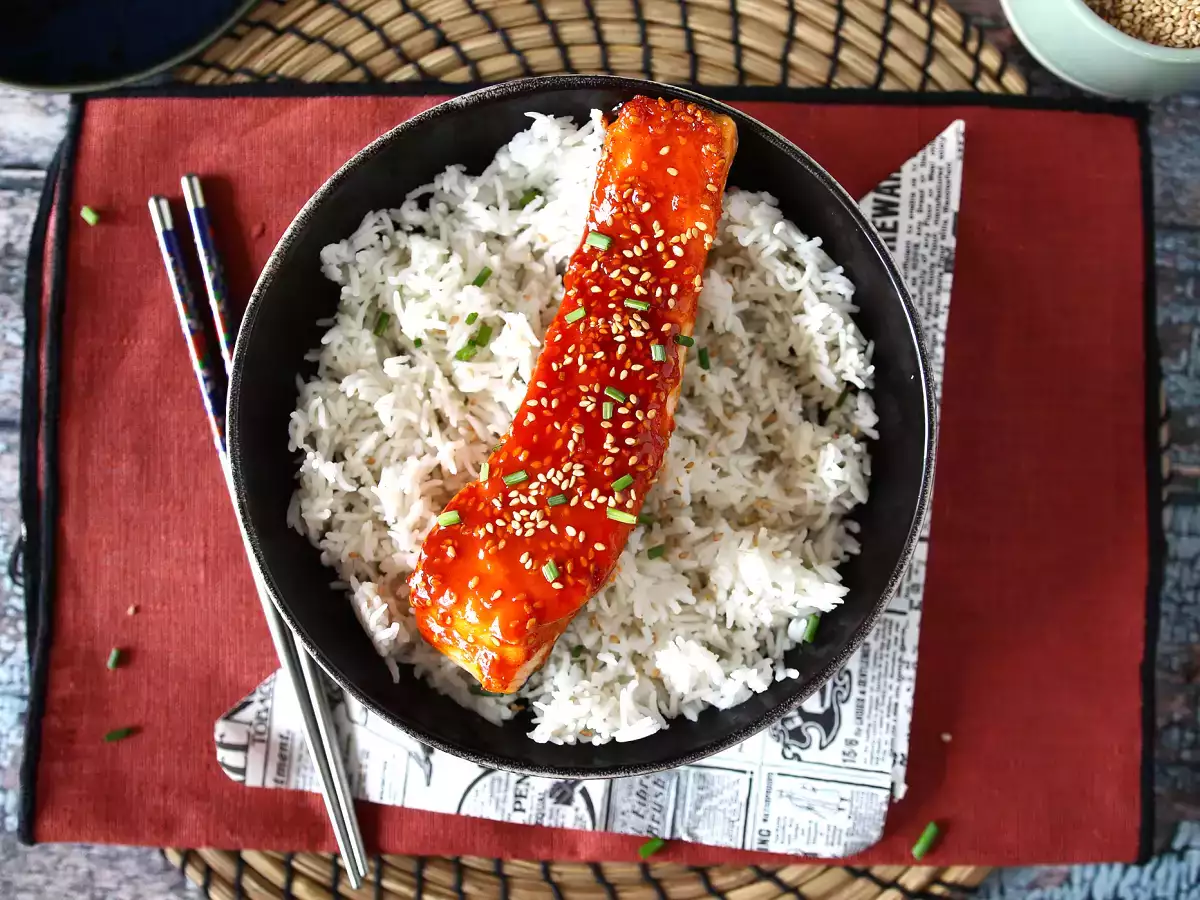
Today, we're heading back to Korea to make a super simple and delicious dish for salmon and spicy-food lovers! Get ready for an explosion of flavor with our quick recipe for Korean-style salmon, ready in just 8 minutes :-) Cooking the fish couldn't...
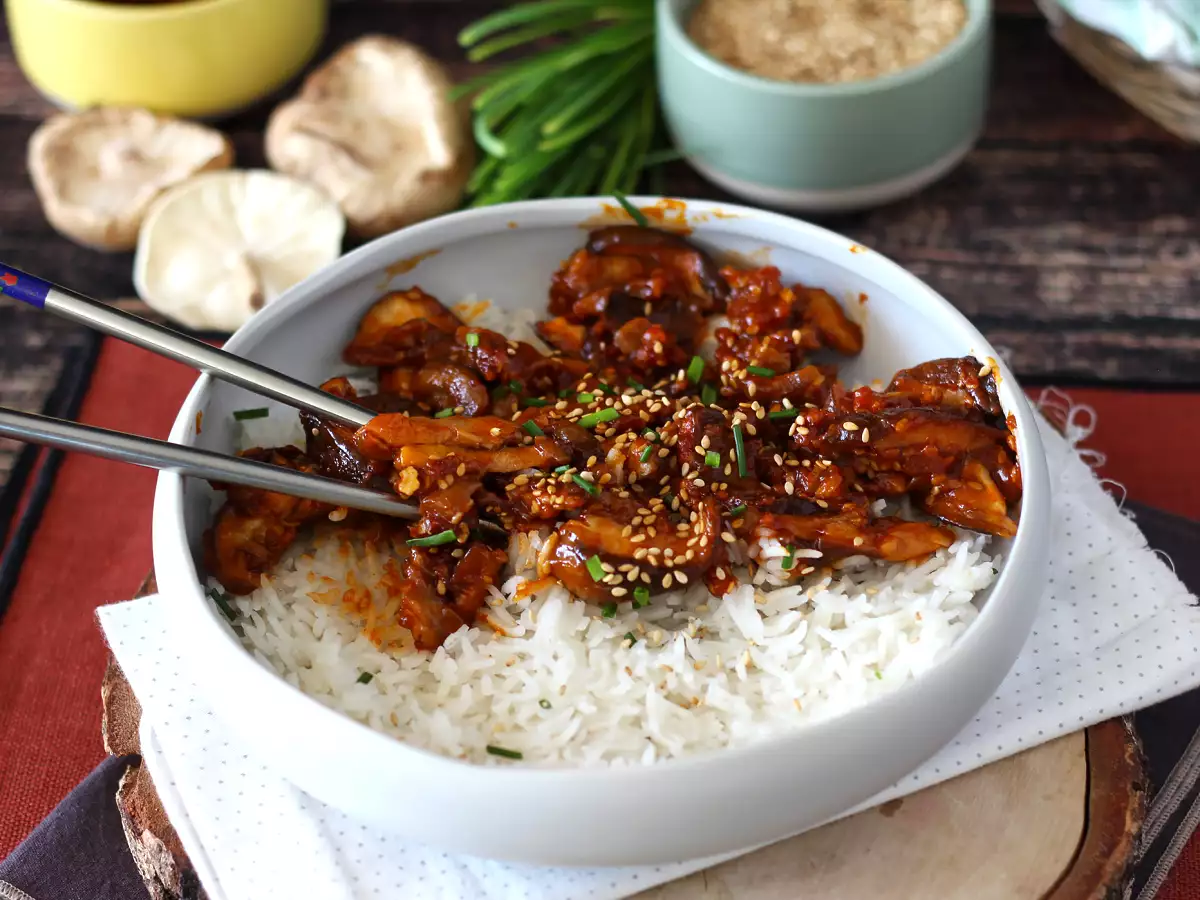
Looking for an alternative to traditional bibimbap , a classic Korean dish? Try our flavorful Korean-style mushrooms . Tender and juicy shiitake mushrooms pair perfectly with gochujang sauce , creating a perfect balance of sweetness and heat. This...
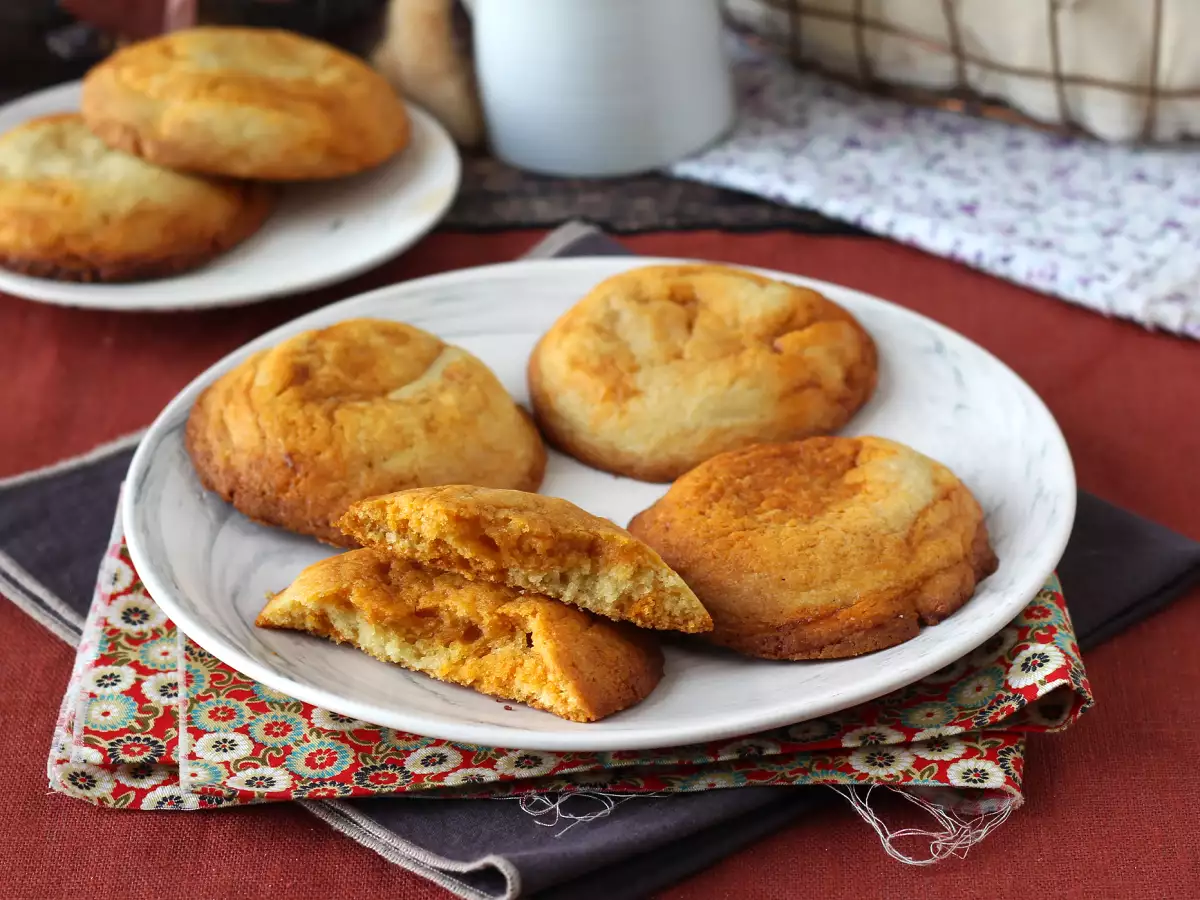
If you love spicy AND sweet and salty flavors, you’ll definitely love these gochujang cookies ! This Korean chili paste is the star ingredient in many dishes and sauces , but today we’ve decided to use it in a sweet recipe with spicy cookies...
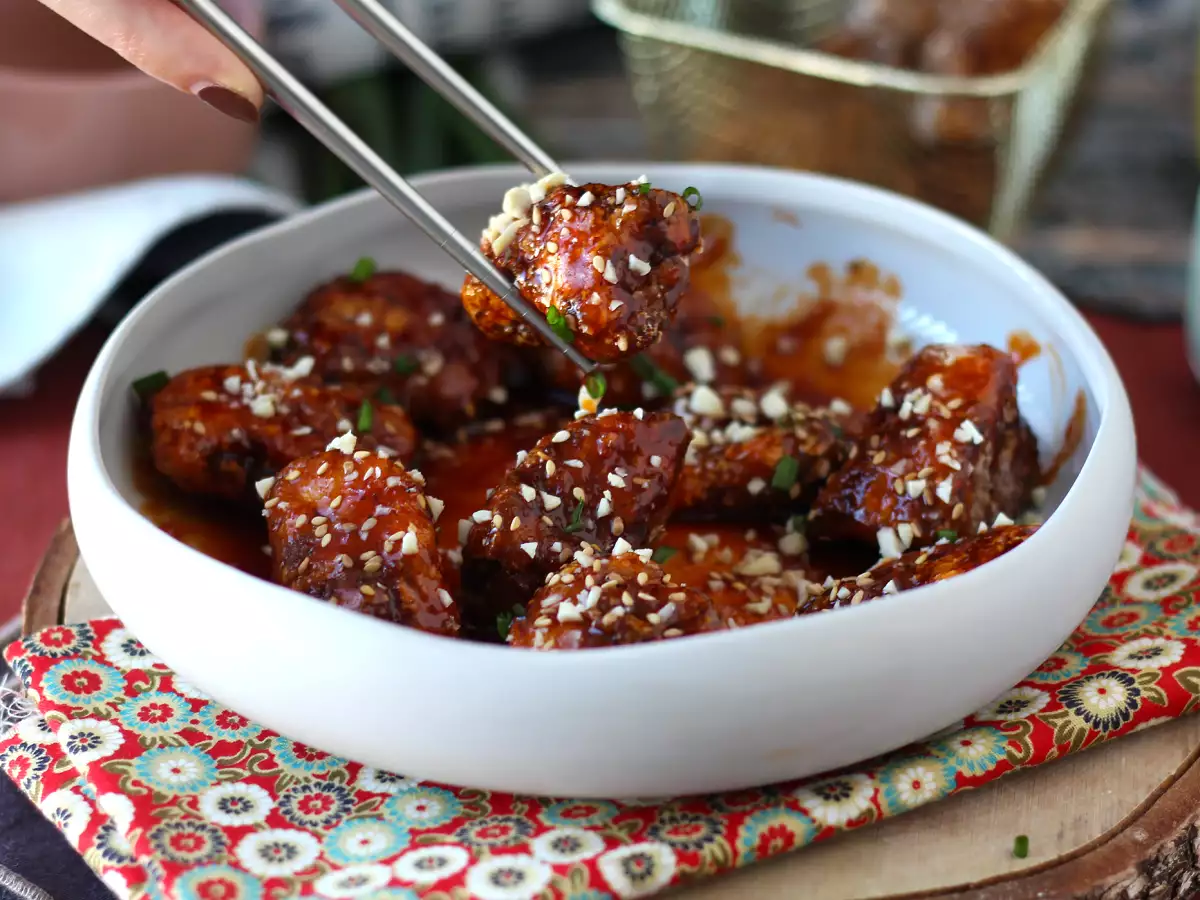
Lovers of sweet and savory flavors and spicy food, this recipe is for you! We love the flavors of Asian cuisine and the crunch of these bite-sized Dakgangjeong chicken pieces . Gochujang will warm your heart and take you on a trip to Korea ,...
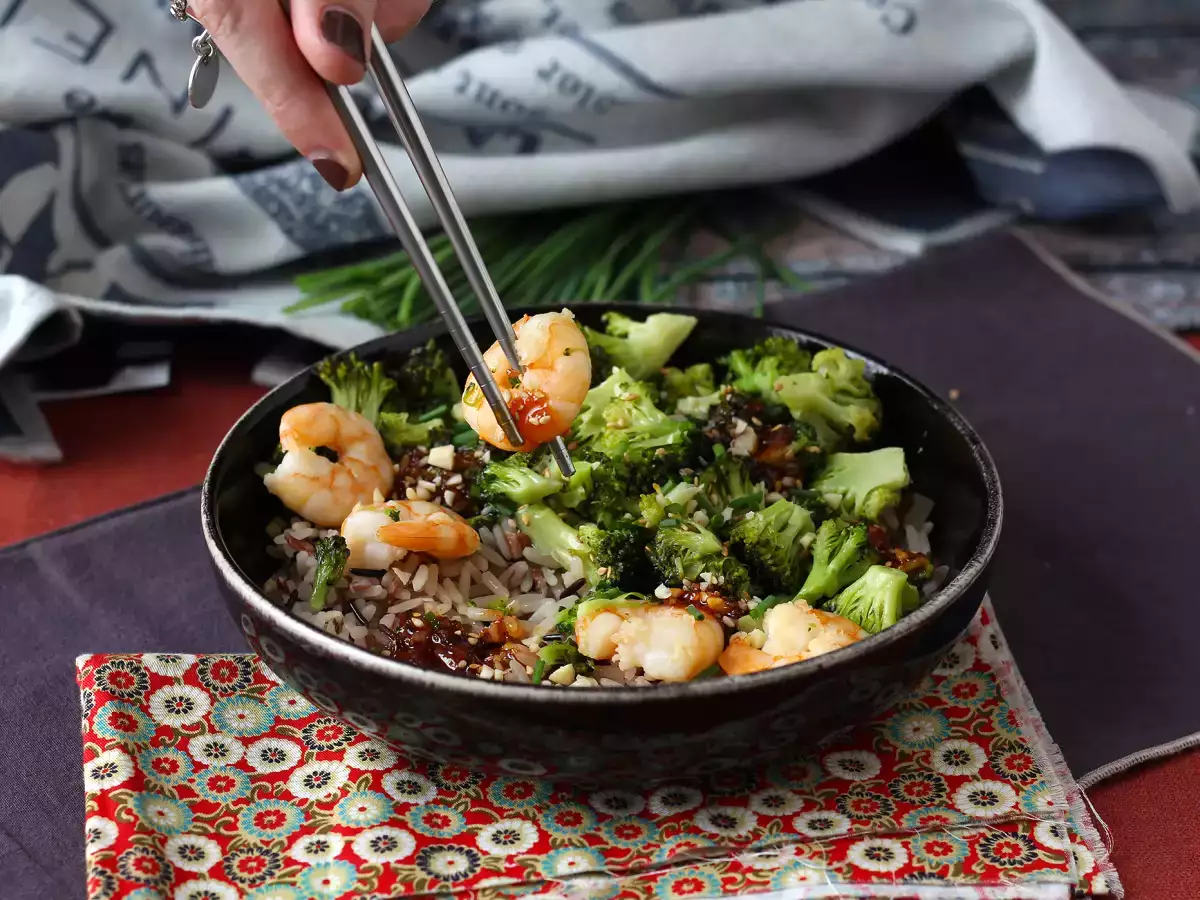
Were you looking for a healthy , delicious, balanced dish with a spicy kick ? Well, you've come to the right place! We simply love composed bowls for their simplicity and how easy they are to take anywhere :-) Today, we're offering a recipe with...
 Patricia González
Comments