Ricotta, the cheese that fixes food with what's in the fridge. 13 recipes and ideas for using it
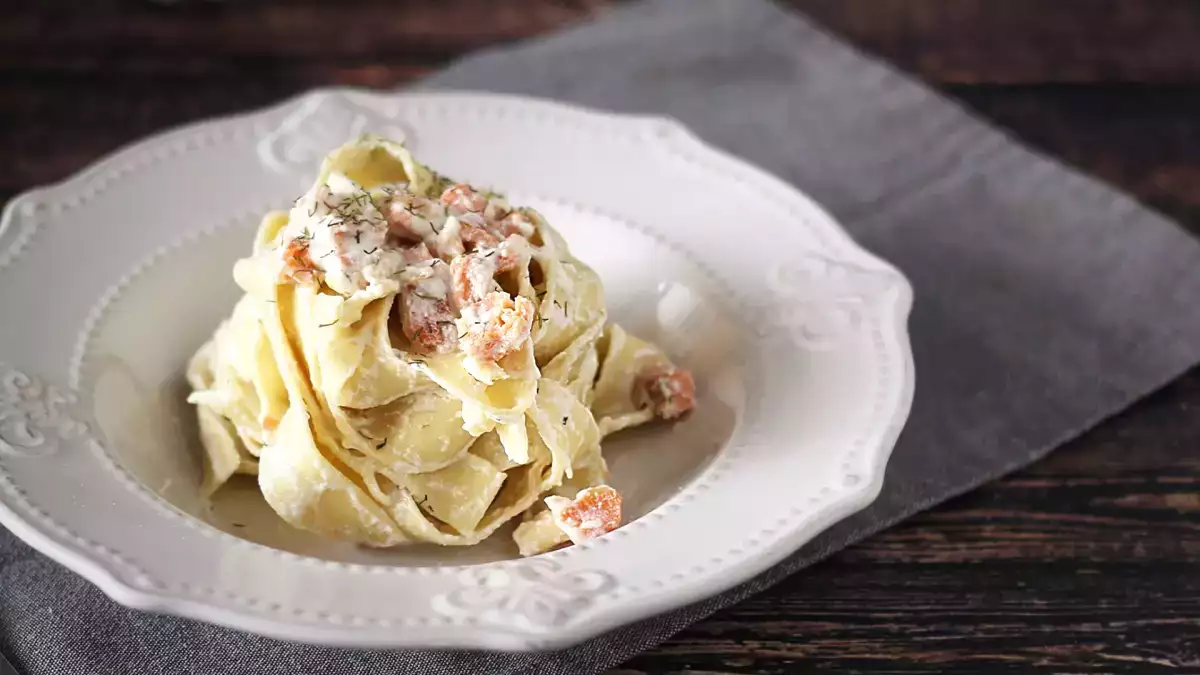
You won't be surprised by this image: you open the fridge and look up and down at what's inside. There's a half-used container, a bag of spinach, a couple of eggs... You're not sure what to do with it, but you have to do something: you have to eat. And, suddenly, an inherited survival instinct emerges: you cook with what you have. And that's it.
In Italy, many meals start the same way. Four good ingredients that, combined with grace (and respect), taste great. But they have an ace up their sleeve to solve more than one of these equations: ricotta. A cheese that tidies up the dish and gives it structure.
Una ricotta, per favore
Today, you'll go into your local supermarket, the one you've always gone to, the one with the small decisions. You walk past the dairy section and, without knowing why, you pick up the ricotta. You'll put it in the basket next to the usual, from there to the fridge and, for a few hours (or even days), you'll forget it exists. Until you need it to round off a dish.
An Italian cheese that crosses borders
It is not surprising that ricotta appears in so many dishes of the transalpine cuisine and that, for some time now, it has conquered other cuisines.
It works here for the same reason it works there: because its softness allows other flavors to take over. Tomato, anchovy, mushrooms, spinach, herbs, pepper. You put the accent; it does the background work.
This is not a cheese from which you should expect a resounding flavor or a strong presence. It is discreet - which does not mean faint-hearted - and its strength lies precisely in that. It serves as a base, a filling, an ingredient that binds and amalgamates. To use it as a mere neutral spread is to relegate it to a role that is too small for it. It does it very well, yes, but it is made for more than just "accompanying".
Unwritten instructions
Before mixing it with anything, it is important to understand it: if it releases whey, it is not a defect. Drain it for ten minutes in a colander (or on a clean cloth). It gains body, loses that watery sheen that can ruin sauces and fillings.
Then season, as you would with a béchamel sauce or with a puree: salt, pepper and a small contrast of lemon zest, nutmeg, herbs..... With that you have the ricotta in place: ready to hold, bind, round.
Finally, choose the role it will play in your dish: on toast, as a cream; in pasta, as a quick sauce; in the oven, as a filling that sets and gains firmness...
If you need ideas, here are 13 savory recipes with ricotta to get you started without having to make too many decisions:
Dishes with ricotta
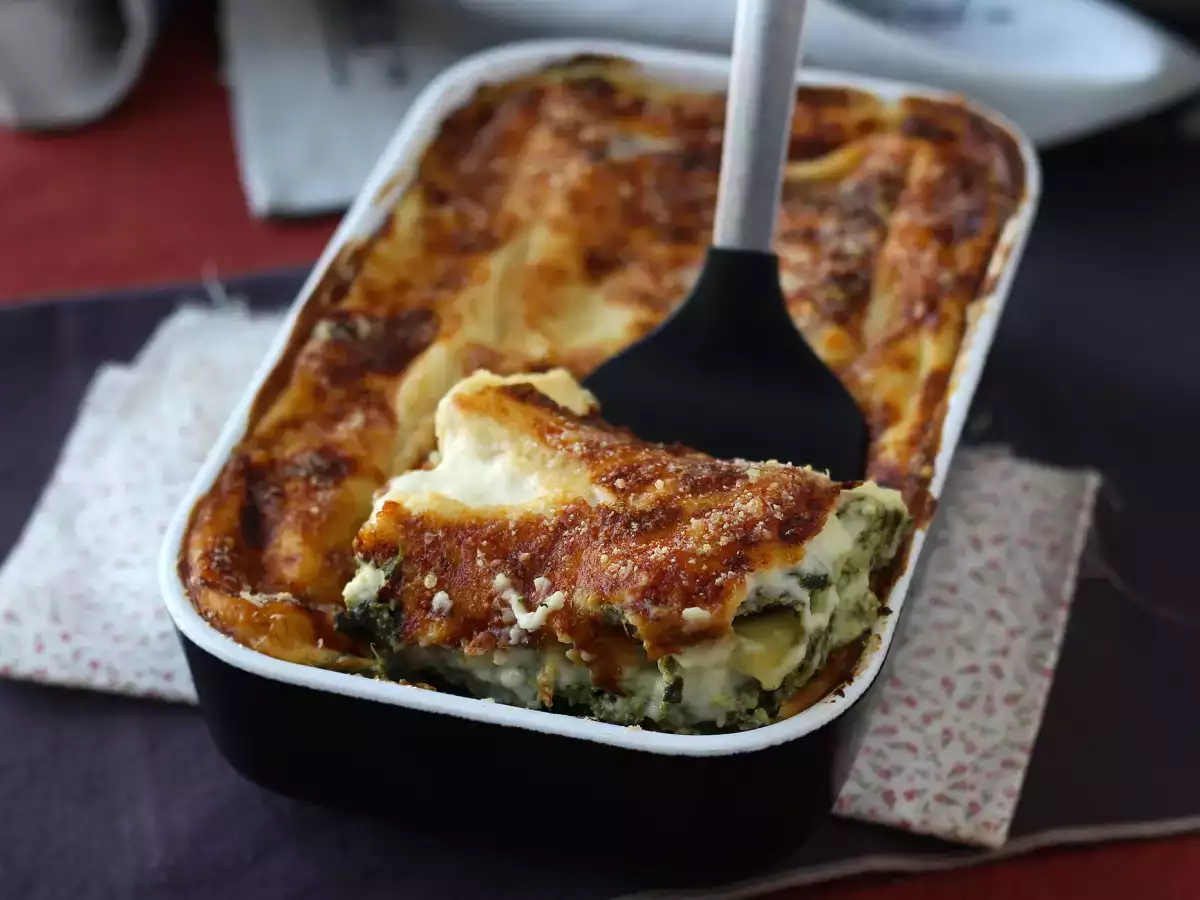
Let's make the best comfort food of all time: Lasagna! It is for sure the best meal and here we made a creamy combo of spinach, ricotta, Italian cheeses and bechamel sauce. Awaken the Garfield in you and follow our step by step recipe below ↓
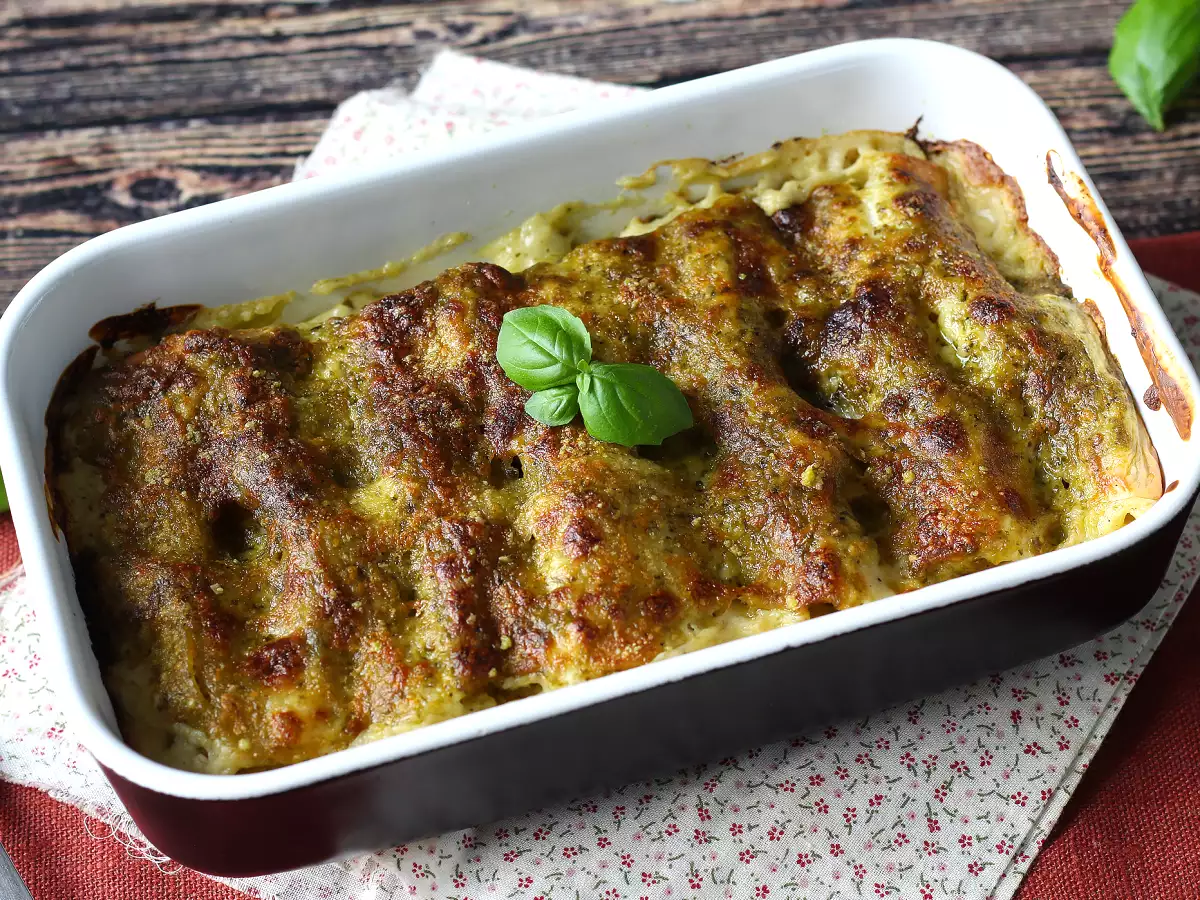
Pesto cannelloni are a rich, comforting pasta dish, perfect for anyone who loves bold flavors and soft textures. The creamy filling , made with ricotta, Parmigiano Reggiano, and basil pesto, is bursting with flavor, enhanced by a velvety béchamel...
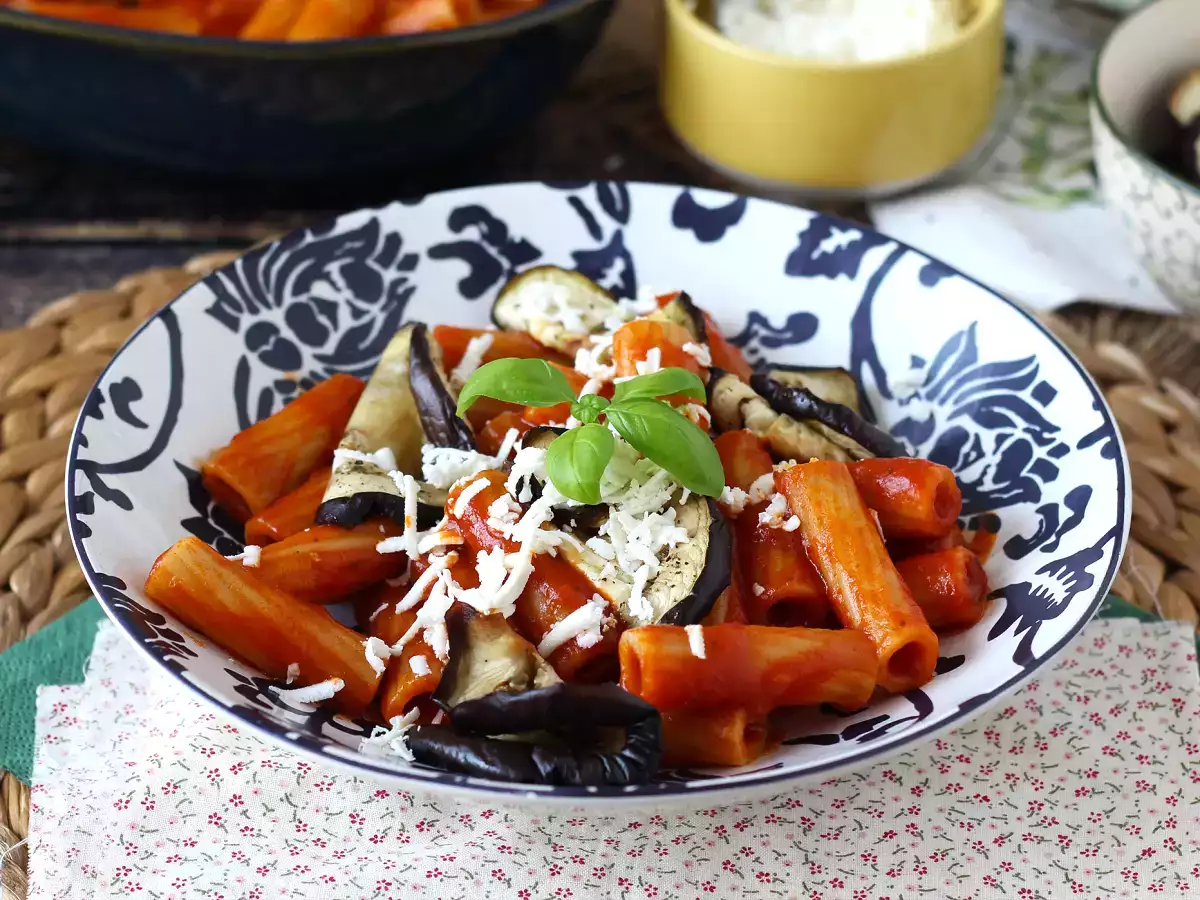
Let's travel straight to Catania in Sicily , where the delicate notes of grilled eggplant , juicy tomatoes and melting ricotta combine to create an easy and inexpensive summertime pasta dish! This recipe for " Pasta alla Norma " is both easy to...
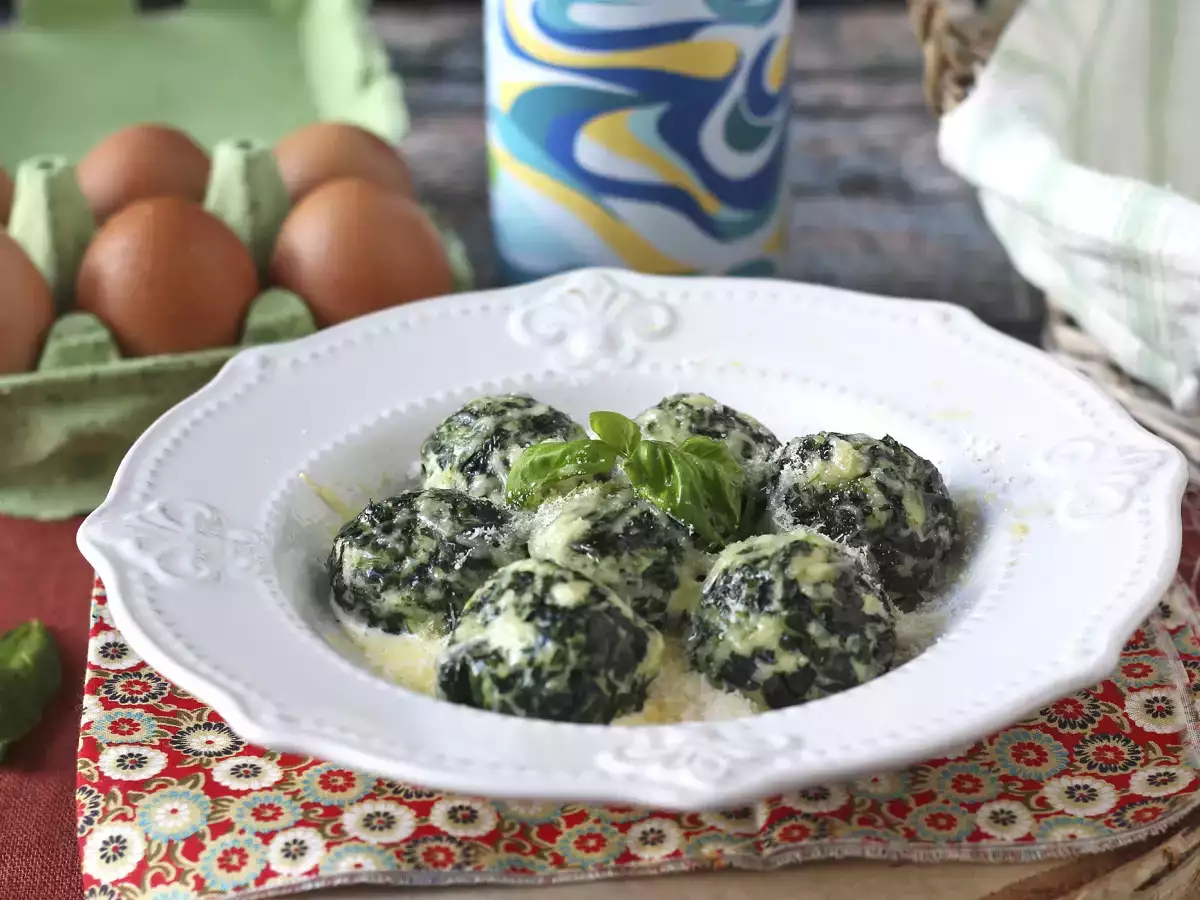
If you've ever wanted to make homemade pasta but the idea of kneading intimidates you, malfatti are the answer you've been waiting for. These little Italian bites, similar to gnocchis , are a real no-fuss treat. Their name literally means "badly...
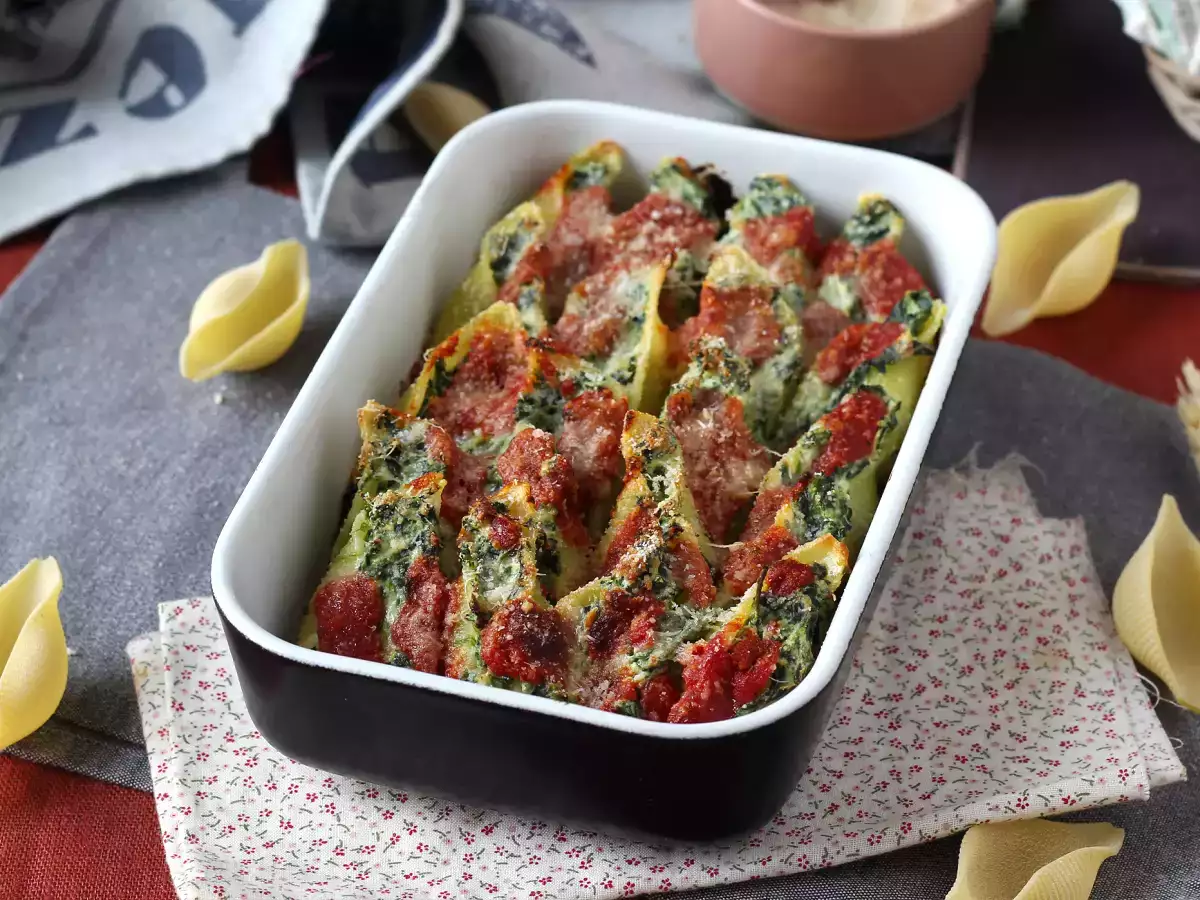
We're delving into traditional Italian recipes with these conchiglioni stuffed with ricotta and spinach , very often served at Easter or Christmas in Italy, a complete dish that appeals to the whole family! And the recipe isn't that complicated,...
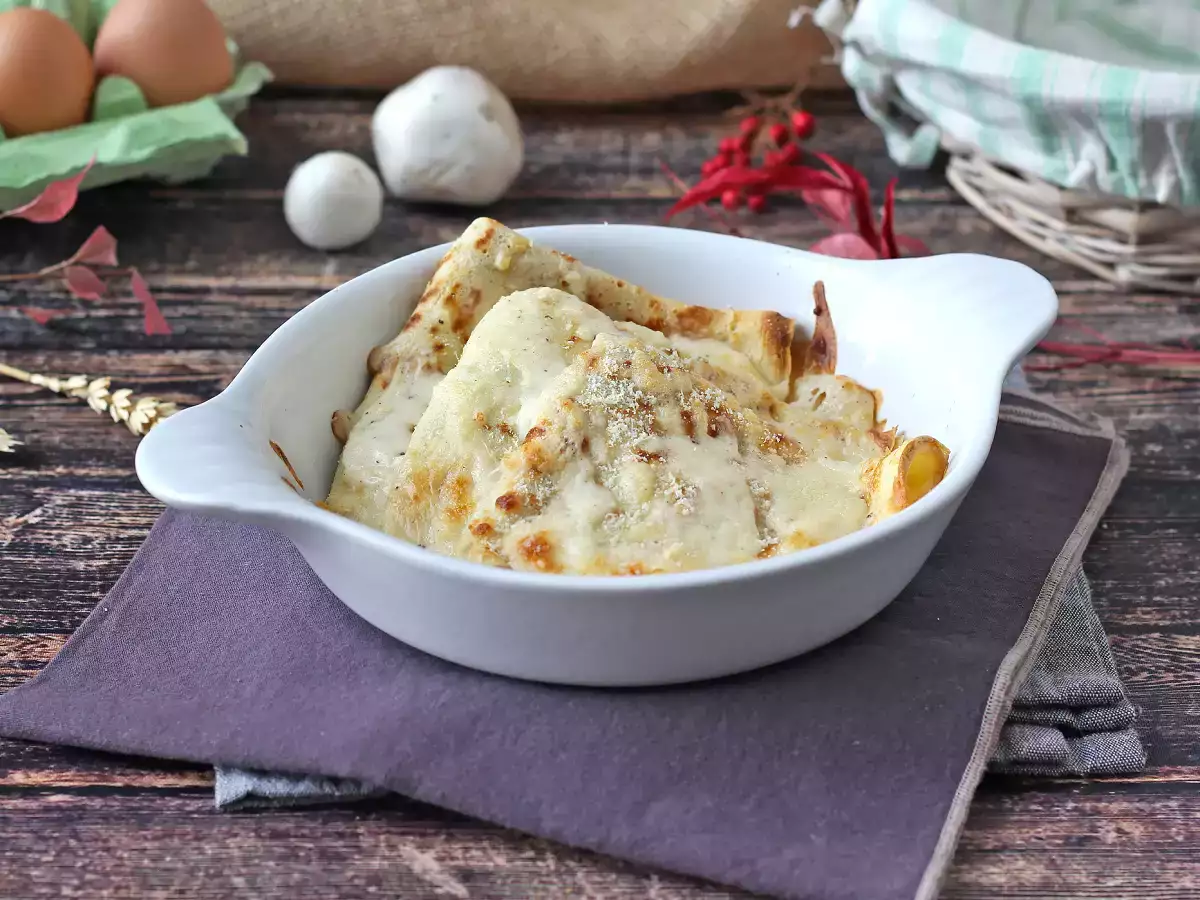
Ricotta and mushroom crepes are an elegant, ultra-creamy dish that’s perfect for anyone who loves comforting flavors and vegetarian cooking without giving up richness. The crepes start with a smooth, silky batter of flour, eggs, milk, and butter,...
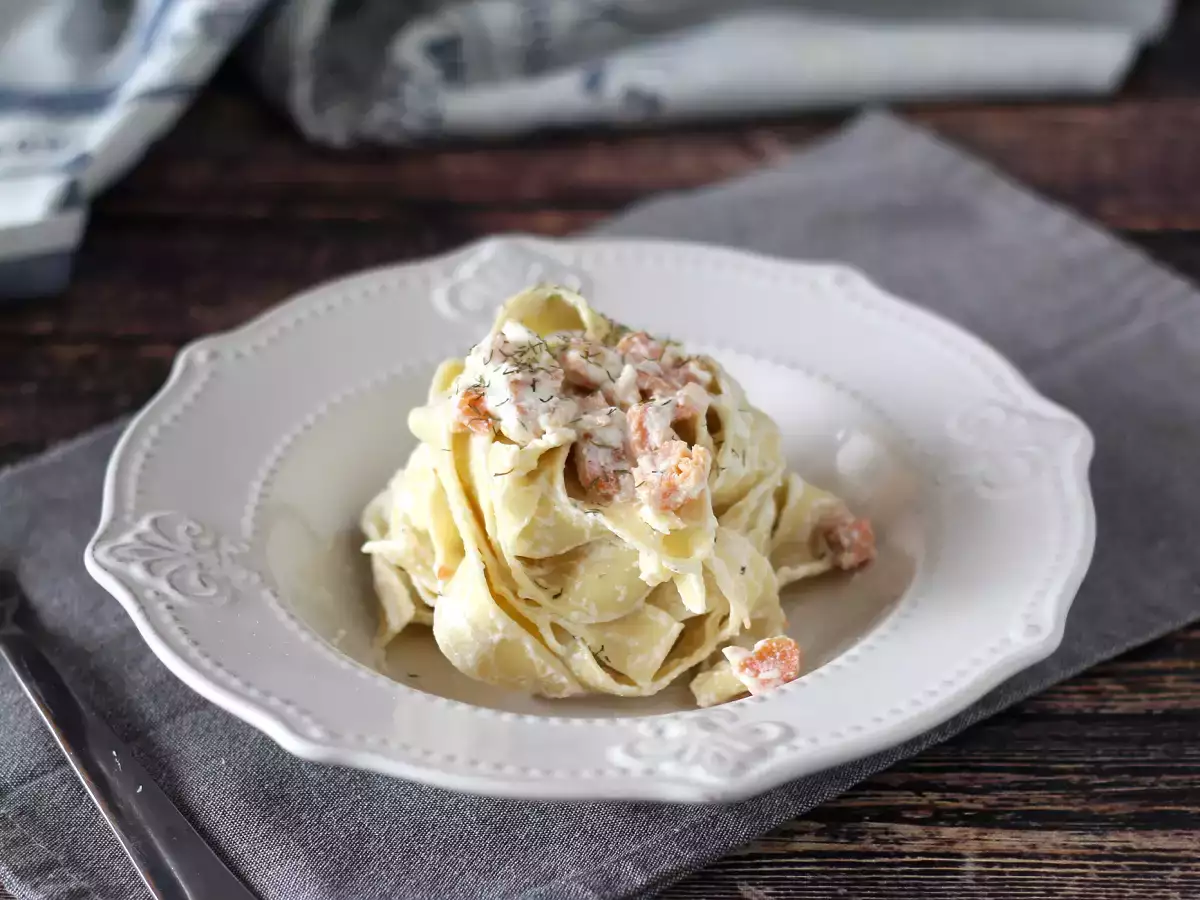
Creamy Smoked Salmon Ricotta Pasta is a recipe you should always consider when you’re running out of time but want to bring a tasty dish to the table! Salmon pasta is usually made with Philadelphia cream or cheese, but combining with ricotta and...
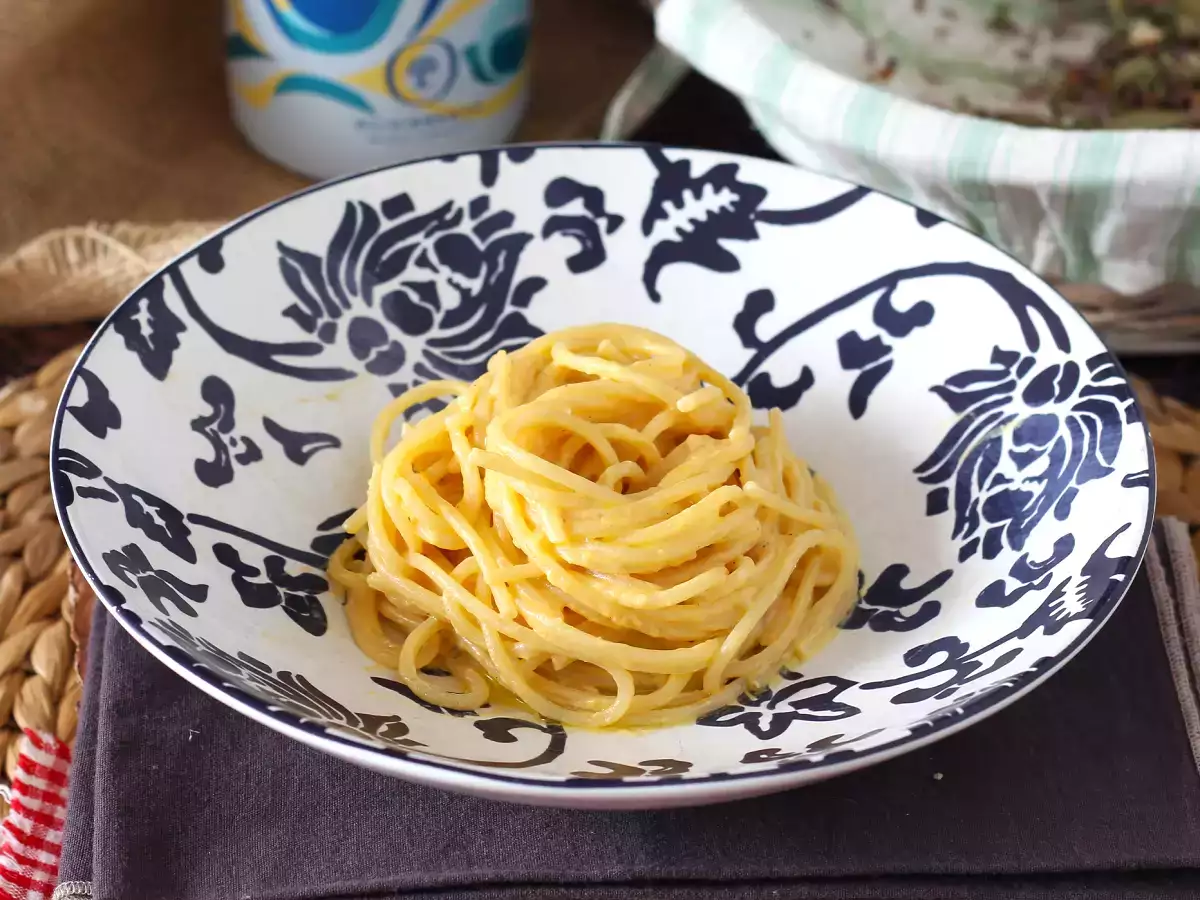
Looking for a new recipe to make with your pumpkin squash? Here is a filling that should not leave you indifferent, especially to accompany your pasta dish ;-) Combined with ricotta, your squash will be both sweet and creamy. A real fall/ winter meal...
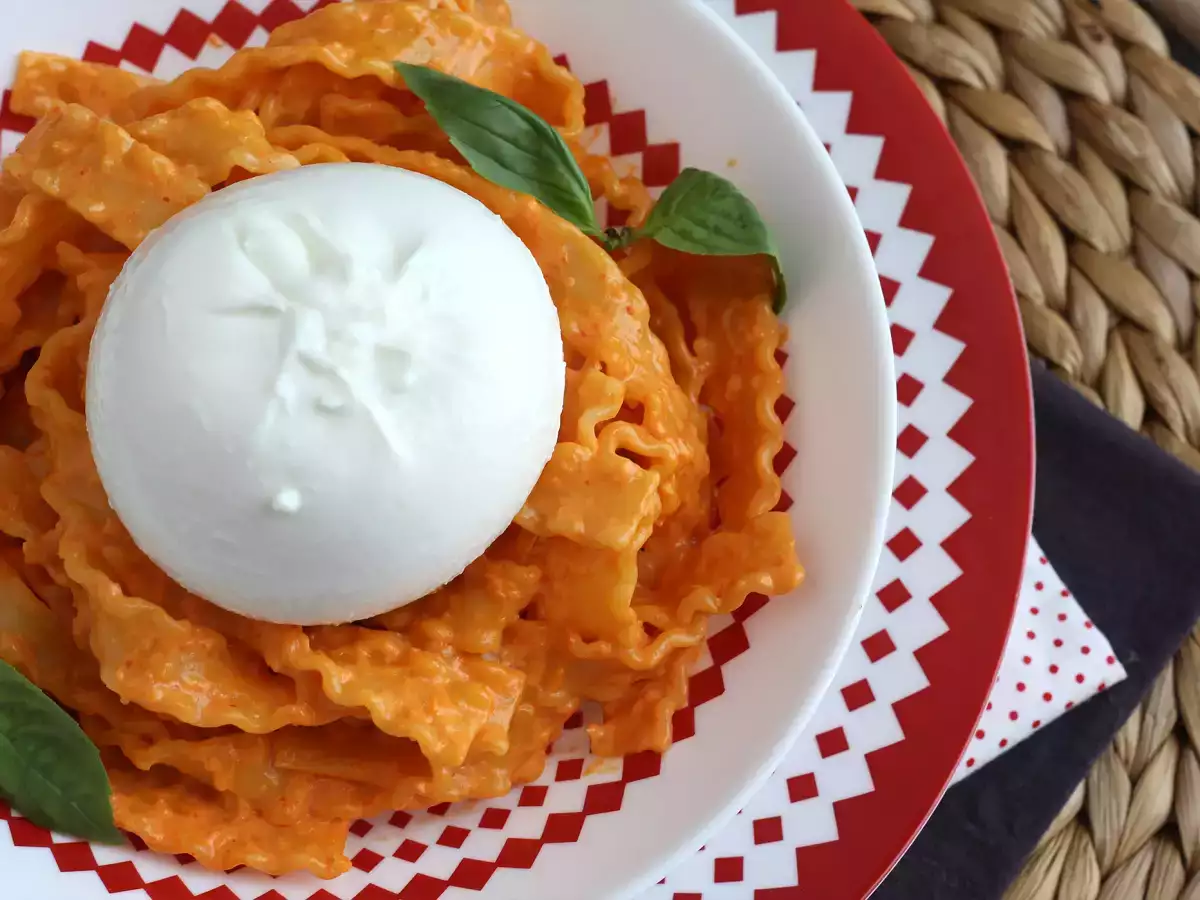
If you know classic basil pesto, let yourself be tempted by Calabrian pesto! A delight made from bell pepper and ricotta, not to mention a lot of love and Italian sunshine. It's a treat to accompany your pasta, topped with extra creamy burrata. Follow...
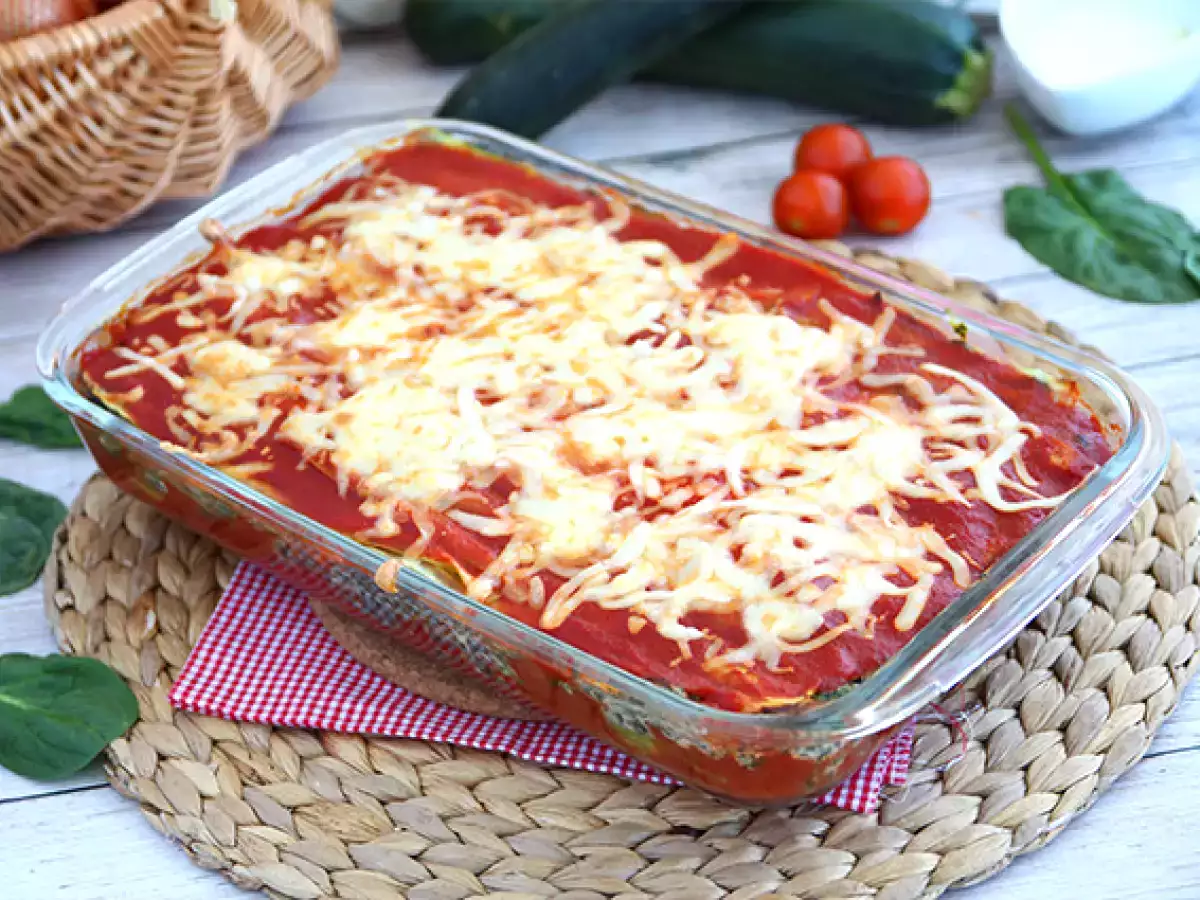
For an ultra-comforting family dish that is easy to make, opt for lasagna! But today, we are not offering just any recipe: this one is gluten-free! Indeed, the pasta will be replaced by slices of zucchini! A great opportunity to get the whole family to...
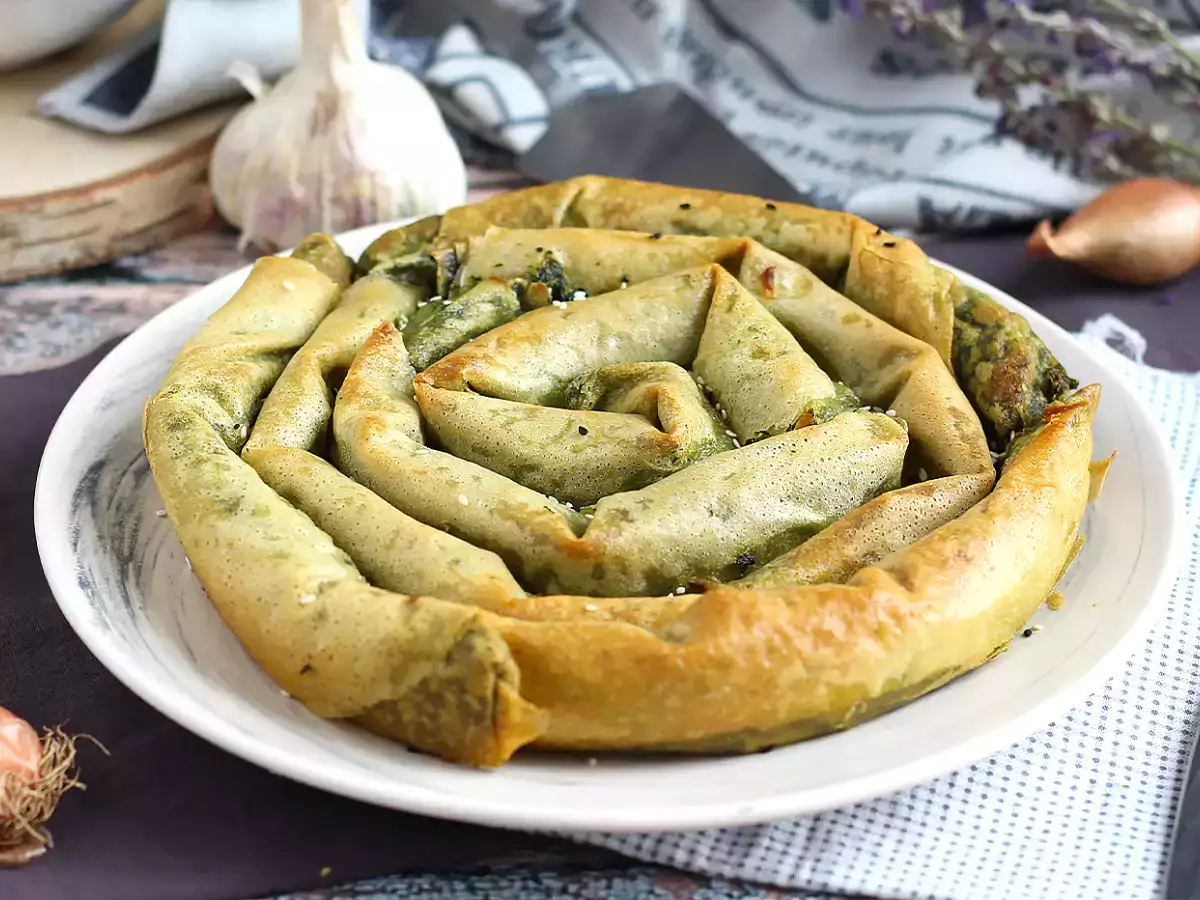
Explore the culinary treasures of the Middle East with this delicious Börek recipe! A crispy filo pastry filled with juicy spinach and feta cheese, perfect for a vegetarian meal. This easy recipe can be adapted to your taste. Follow our detailed...
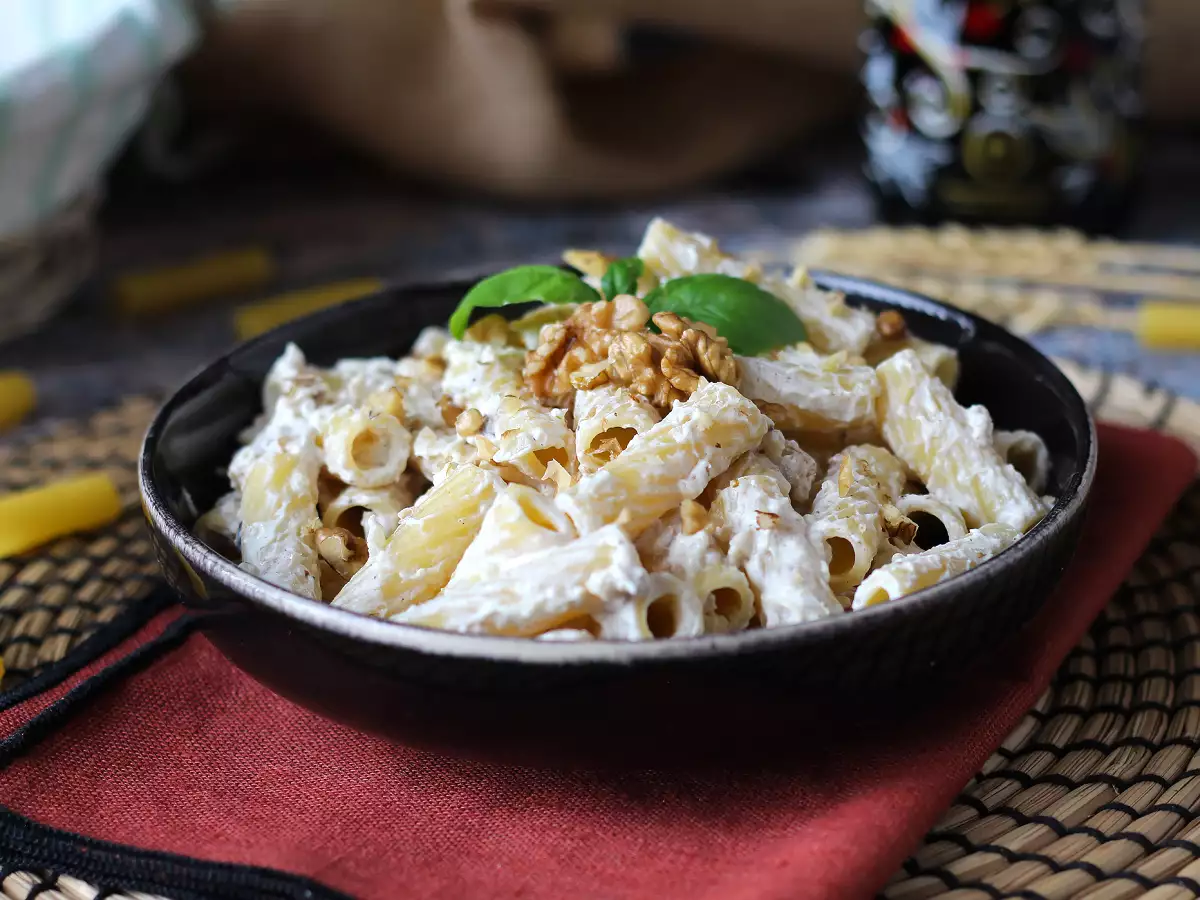
A timeless classic, pasta with ricotta and walnuts is a meal course that, in its simplicity, encompasses surprising versatility . The creaminess of ricotta, meets the crunchiness of walnuts, creating an irresistible contrast of textures . The...
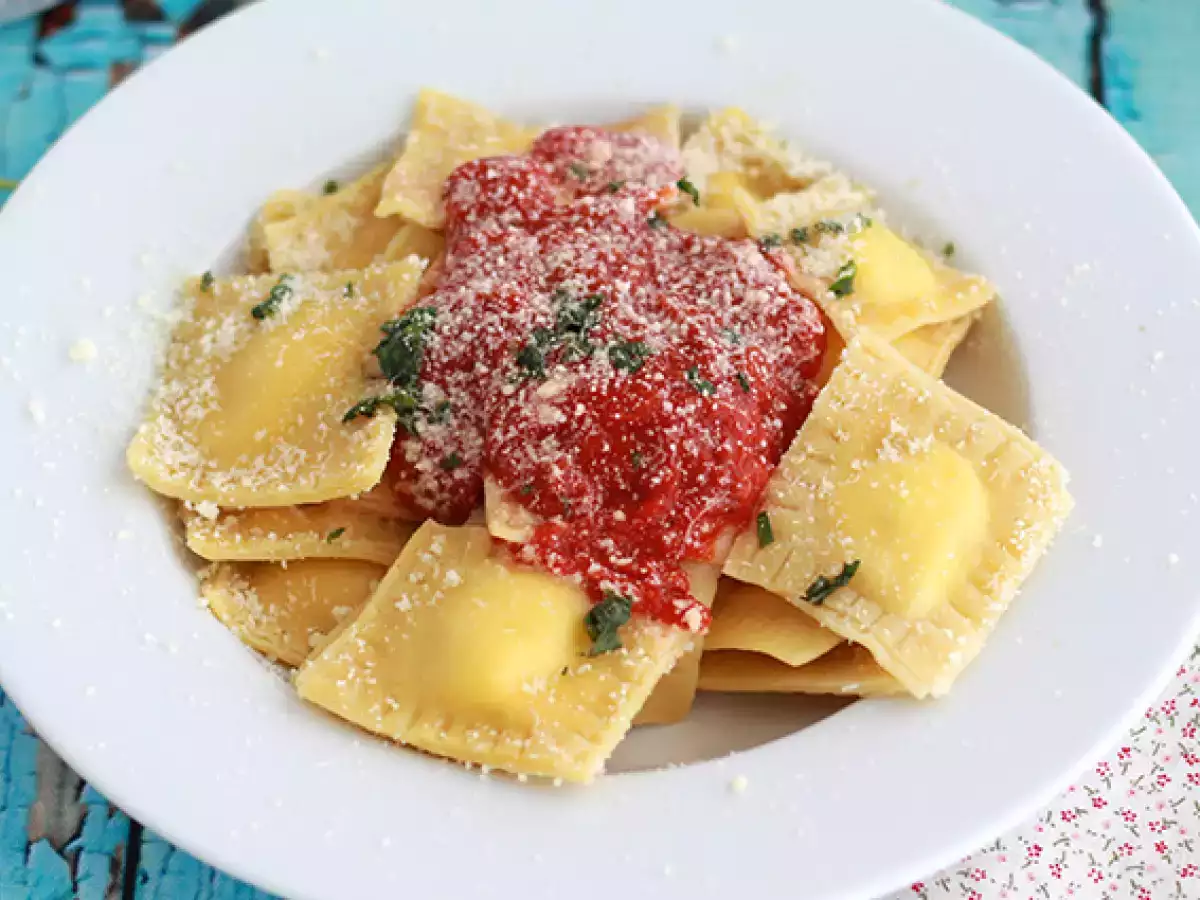
Homemade ravioli like in Italy is possible! This foolproof recipe is explained step by step. From the dough to the filling, it's all easy. What's better? This recipe can be adapted in many ways. Here we offer a vegetarian version, but feel free to add...
Back to the present
As you may have noticed, ricotta is not an "Italian" ingredient that you adopt to play at being an Italian nonna. It's a sensible resource that fits your real way of cooking.
And in the end it happens to be just what you were looking for: something tasty with the four ingredients you had in the fridge, which suddenly fit together when you hold them with this cheese. You close the fridge. It's time to eat.
 Patricia González
Comments