Still hesitating between basmati and jasmine rice? Choose the right one by aroma, texture and dish
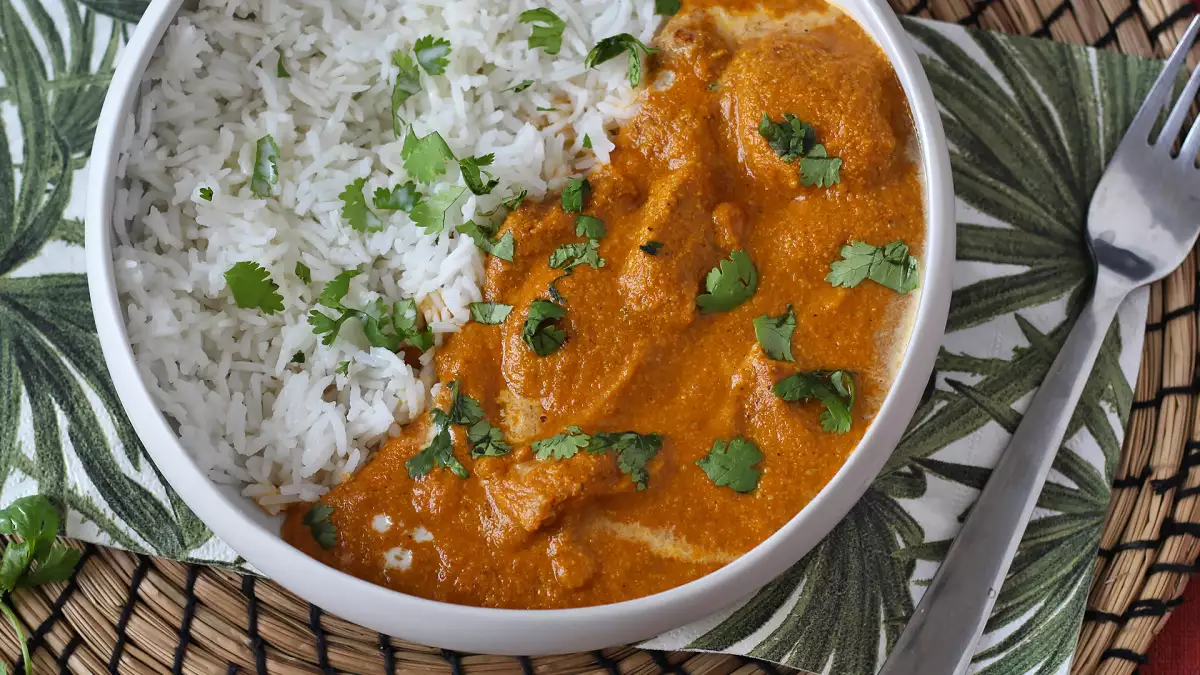
The good news is that there is no complicated rule to memorize. Think of basmati as the rice for light, separate, elegant grains, and jasmine as the rice for softer, slightly clingy, aromatic spoonfuls. Once you match the rice to the dish, everything feels easier: curries taste more balanced, stir-fries hold together better, and even a plain bowl of rice feels intentional.
The quick difference: floral jasmine, nutty basmati
Basmati rice has a more delicate, nutty aroma and a drier, fluffier texture. The grains stay longer and more separate, which is exactly what you want when the rice needs to feel light rather than sticky.
Choose basmati when you want fluffy, separate grains
Basmati also works well when you want a side dish that feels elegant with very little effort. A touch of butter or oil, a pinch of salt, and perhaps a bay leaf or cardamom pod can make it feel special.
Choose jasmine when you want fragrance and softness
Because jasmine rice is naturally more tender and slightly sticky, it gathers sauce nicely without becoming gluey. That makes it especially useful for casual dinners where you want every bite to feel fragrant and comforting.
The dish decides the rice
For desserts such as mango sticky rice, do not swap in basmati. The soft, clingy character is part of the pleasure. For a light grain bowl or side salad, basmati will usually give the cleanest result.
Cooking tip: rinse, rest and do not stir too much
With basmati, this resting step helps the grains stay long and separate. With jasmine, it helps the moisture settle evenly, giving a tender texture without a wet bottom.
Dishes to serve with rice next
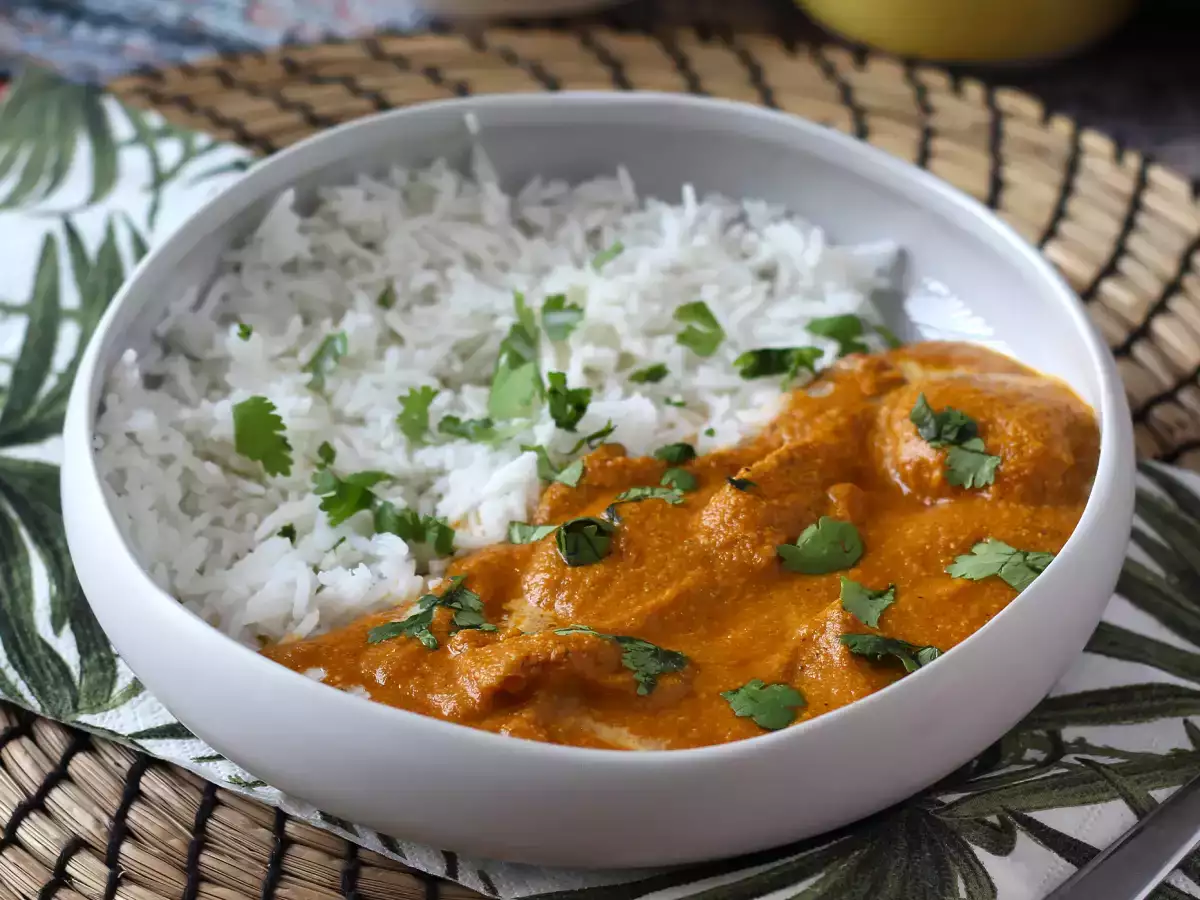
Today, head to India without leaving your kitchen with this delicious, super comforting sauce dish : Butter chicken ! Very tender pieces of chicken cooked in a creamy sauce made with tomatoes, cream, butter and a whole bunch of spices that will take...
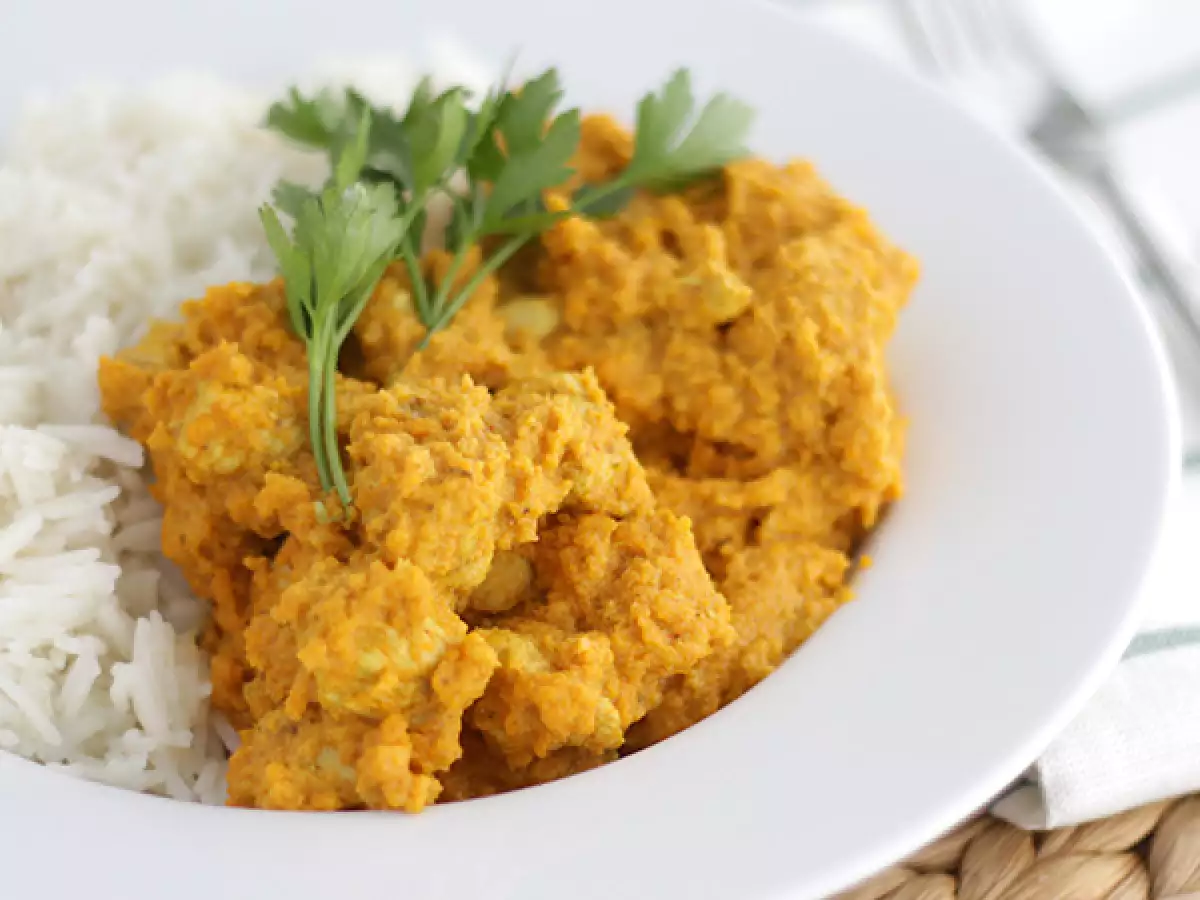
What's best to make your tastes travel than a chicken curry, with the sweetness of coconut milk?
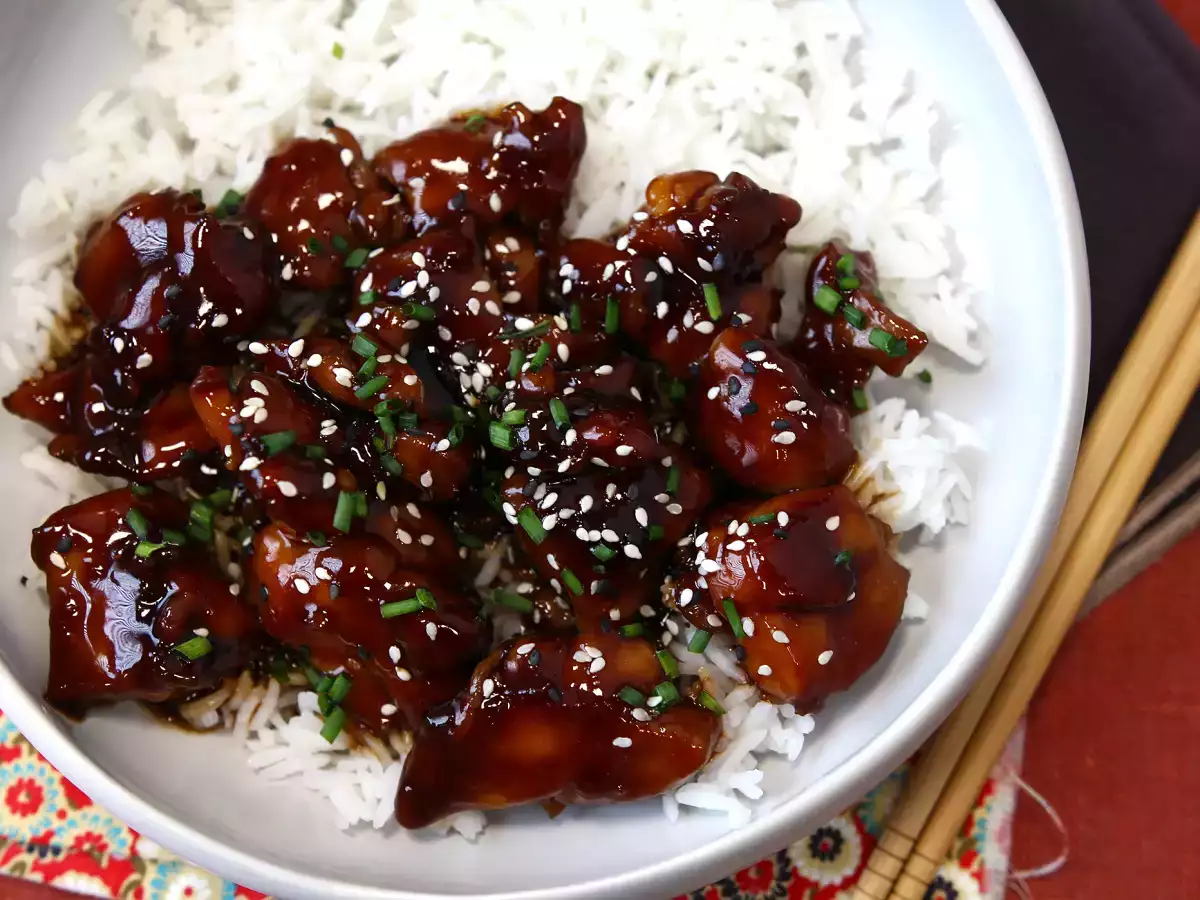
To make your chicken even more irresistible at lunchtime, make a teriyaki sauce ! A clever sweet/salty blend that will give a “come back” taste. And for the accompaniment, simply opt for rice and/or a handful of sautéed vegetables to guarantee you a...
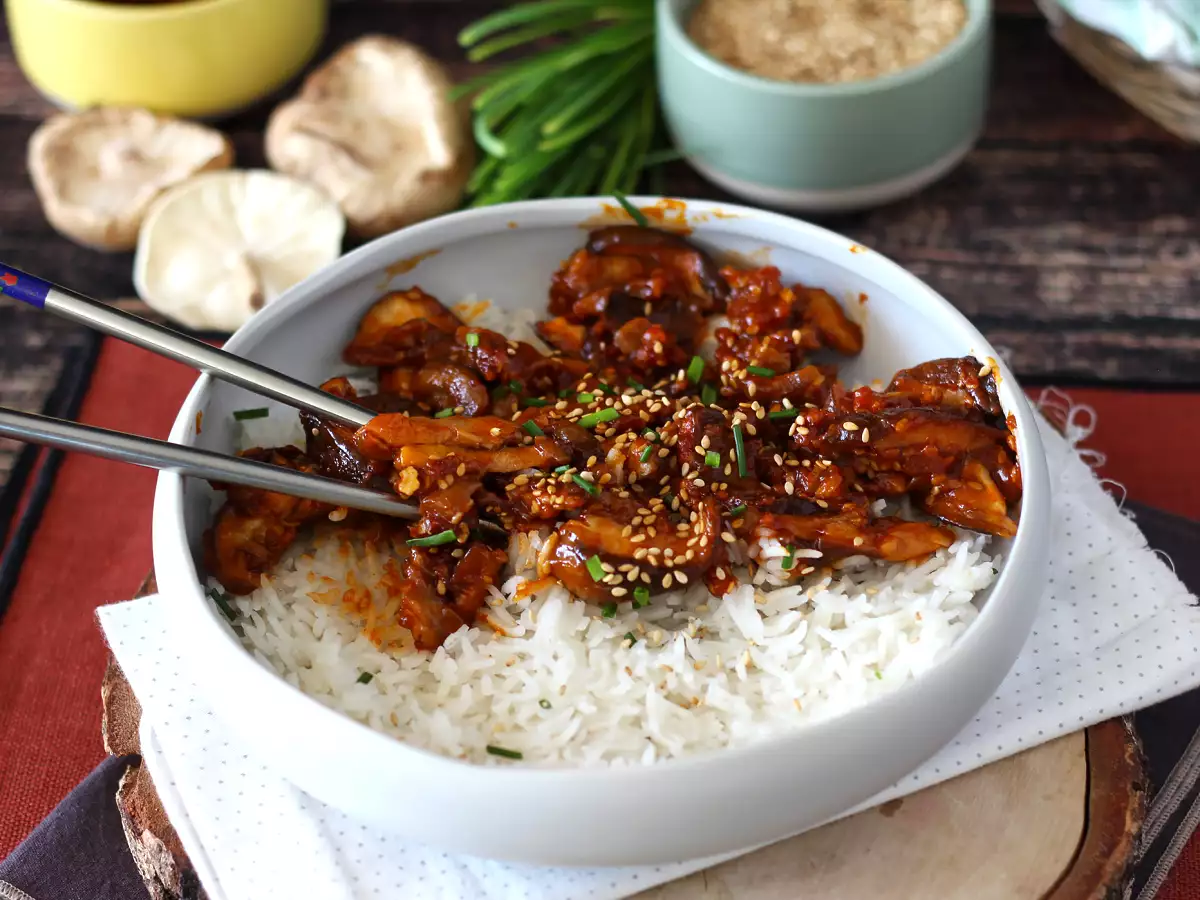
Discover our recipe full of flavors of Korean mushrooms. If you love traditionnal Korean cuisine such as the Bibimbap, you'll love this recipe! The tender and juicy shiitake mushrooms go perfectly with the gochujang sauce , offering perfect harmony...
 Juliette Hess
I love travelling and discovering new dishes, trying out new food trends and exploring new restaurants.
I’m a huge fan of pasta and noodles in all their forms ❤ from udon noodles to tagliatelle, I love cooking them and even making them from scratch!
I’m currently preparing, filming and photographing your next recipe, and I hope you’ll enjoy it!
Comments