The drink you pair with lentils can change how much iron you absorb: what to drink or avoid
Thursday 1 October 2026 10:00 - Adèle Peyches
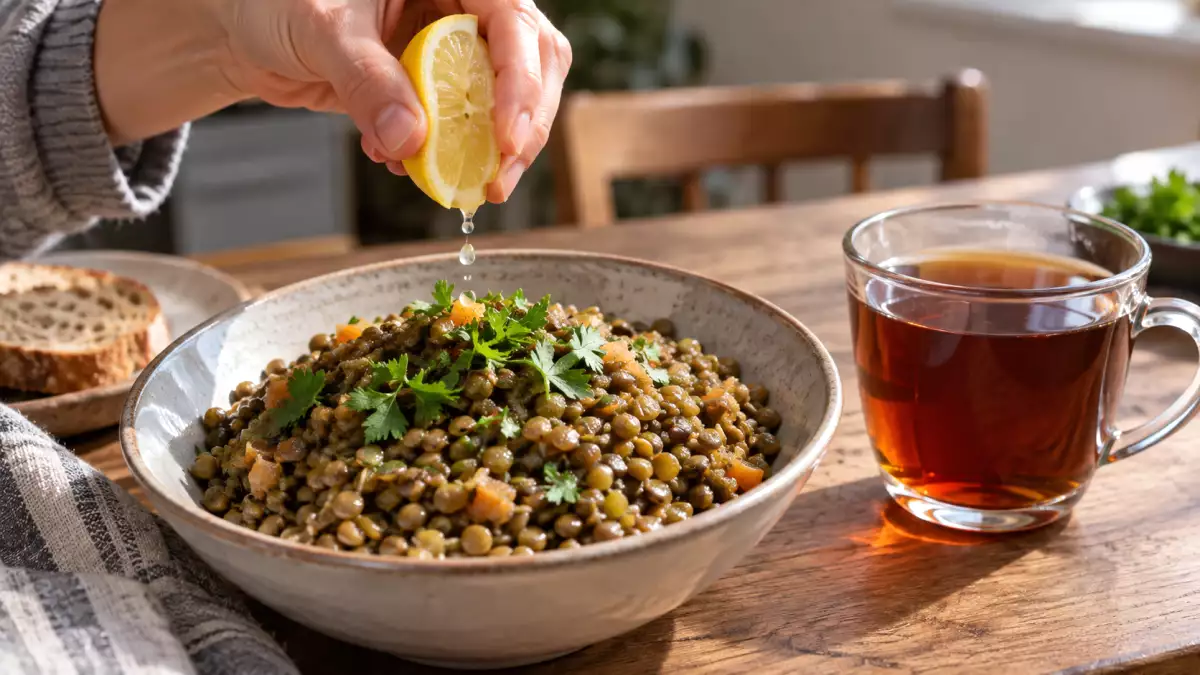
Plant-based iron isn’t absorbed in the same way as the heme iron found in animal meat. According to ANSES, its absorption varies depending on what you eat and drink at the same time.
This is where the composition of your meal becomes important: rather than just looking for “iron-rich” foods, you can consider what you pair them with.
The iron in lentils is not absorbed in the same way as the iron in meat
ANSES distinguishes between two forms of dietary iron. Heme iron is found in animal meat. Non-heme iron is found in many foods, particularly plant-based foods, including lentils.
In its report on dietary reference values, the Agency notes that heme iron is generally better absorbed. It also points out that the absorption of non-heme iron is more sensitive to the composition of the meal.
In other words, a plate of lentils can provide iron, but the context of the meal also matters.
In its report on dietary reference values, the Agency notes that heme iron is generally better absorbed. It also points out that the absorption of non-heme iron is more sensitive to the composition of the meal.
In other words, a plate of lentils can provide iron, but the context of the meal also matters.
Why Add Vitamin C to the Same Meal?
Among the factors that promote the absorption of non-heme iron, ANSES cites vitamin C.
You don’t need dietary supplements to apply this principle at mealtime. Simply include foods that naturally contain vitamin C in the same meal: bell peppers, parsley, cabbage, citrus fruits, kiwi, strawberries, or other seasonal fruits and vegetables.
A squeeze of lemon on a lentil salad, raw bell peppers on the plate, or fresh fruit for dessert are therefore simple and effective combinations.
You don’t need dietary supplements to apply this principle at mealtime. Simply include foods that naturally contain vitamin C in the same meal: bell peppers, parsley, cabbage, citrus fruits, kiwi, strawberries, or other seasonal fruits and vegetables.
A squeeze of lemon on a lentil salad, raw bell peppers on the plate, or fresh fruit for dessert are therefore simple and effective combinations.
And what about tea?
Tea contains tannins, compounds that can reduce the absorption of non-heme iron. This point is highlighted by ANSES in its research on iron.
This does not mean you should stop drinking tea. Instead, the simplest thing to do is to avoid drinking it with meals that are based on plant-based sources of iron.
Research by the Agency shows that the inhibitory effect on non-heme iron absorption is weaker when polyphenol-rich beverages, such as tea, are consumed between meals.
In practice, save your tea for another break later in the day.
This does not mean you should stop drinking tea. Instead, the simplest thing to do is to avoid drinking it with meals that are based on plant-based sources of iron.
Research by the Agency shows that the inhibitory effect on non-heme iron absorption is weaker when polyphenol-rich beverages, such as tea, are consumed between meals.
In practice, save your tea for another break later in the day.
Dish 1: lentils, bell pepper, parsley, and lemon
This is probably the easiest combination to remember. Make a lentil salad with raw bell pepper, parsley, a little onion, and a lemon vinaigrette.
The bell pepper and parsley provide vitamin C, while the lemon rounds out the seasoning without overcomplicating the meal.
You can start with a classic lentil salad and then add these ingredients just before serving. A handful of arugula or a few tomatoes can also round out the plate.
The bell pepper and parsley provide vitamin C, while the lemon rounds out the seasoning without overcomplicating the meal.
You can start with a classic lentil salad and then add these ingredients just before serving. A handful of arugula or a few tomatoes can also round out the plate.
Lentil salad with queijo coalho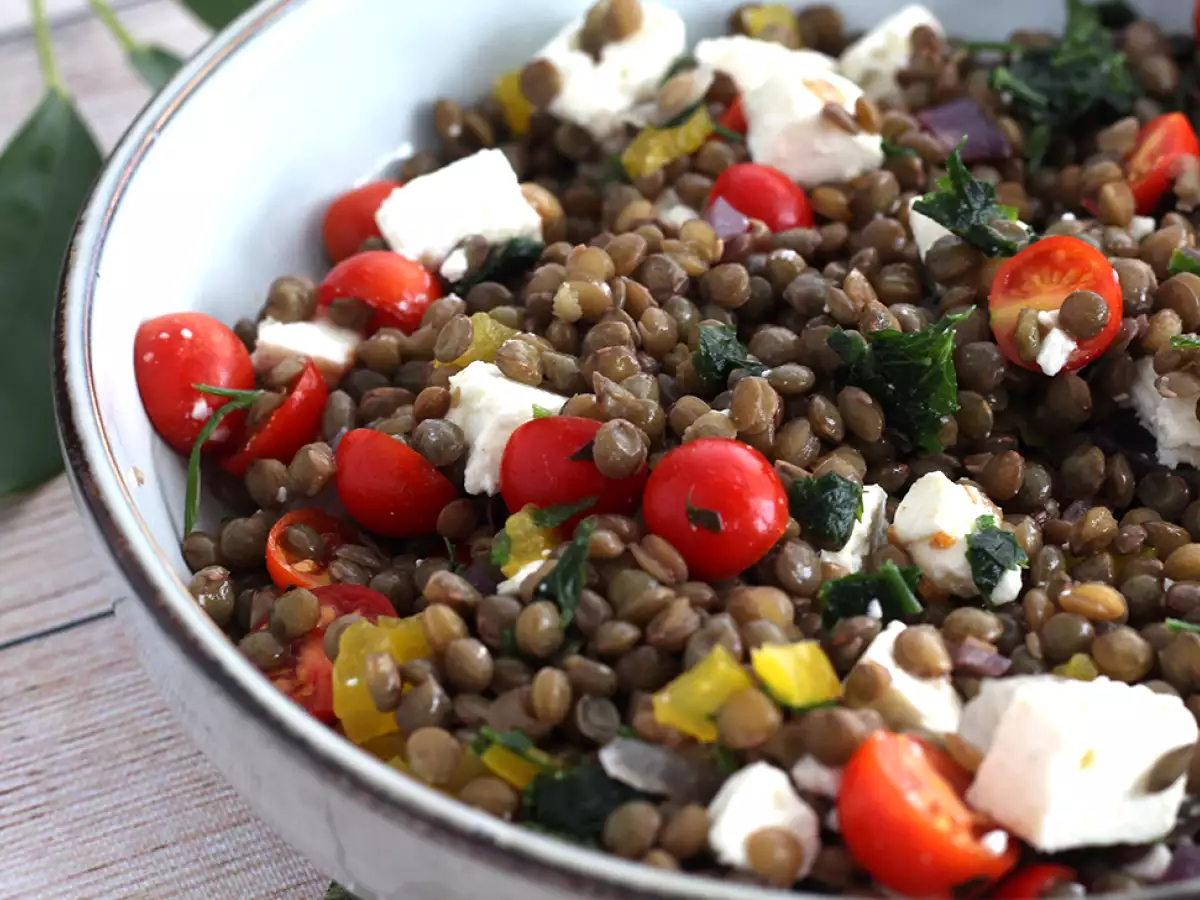
If you're looking for a healthy, protein-rich diet, try this lentil salad with queijo coalho. Easy to prepare, it can be served as a starter or as a light meal on warmer days. Don't forget to add your own special touch—the more colorful it is, the...
Dish 2: lentils, red cabbage, beets, and lots of parsley
For a more fall-inspired version, lentils pair very well with red cabbage, beets, butternut squash, and fresh parsley.
The principle remains the same: include a source of vitamin C in the meal, particularly through the cabbage and fresh herbs.
You can finish with a lemon vinaigrette or serve a kiwi, a clementine, or an orange for dessert, depending on the season.
The principle remains the same: include a source of vitamin C in the meal, particularly through the cabbage and fresh herbs.
You can finish with a lemon vinaigrette or serve a kiwi, a clementine, or an orange for dessert, depending on the season.
Lentil, butternut, red cabbage, beet and parsley salad (perfect for fall/winter)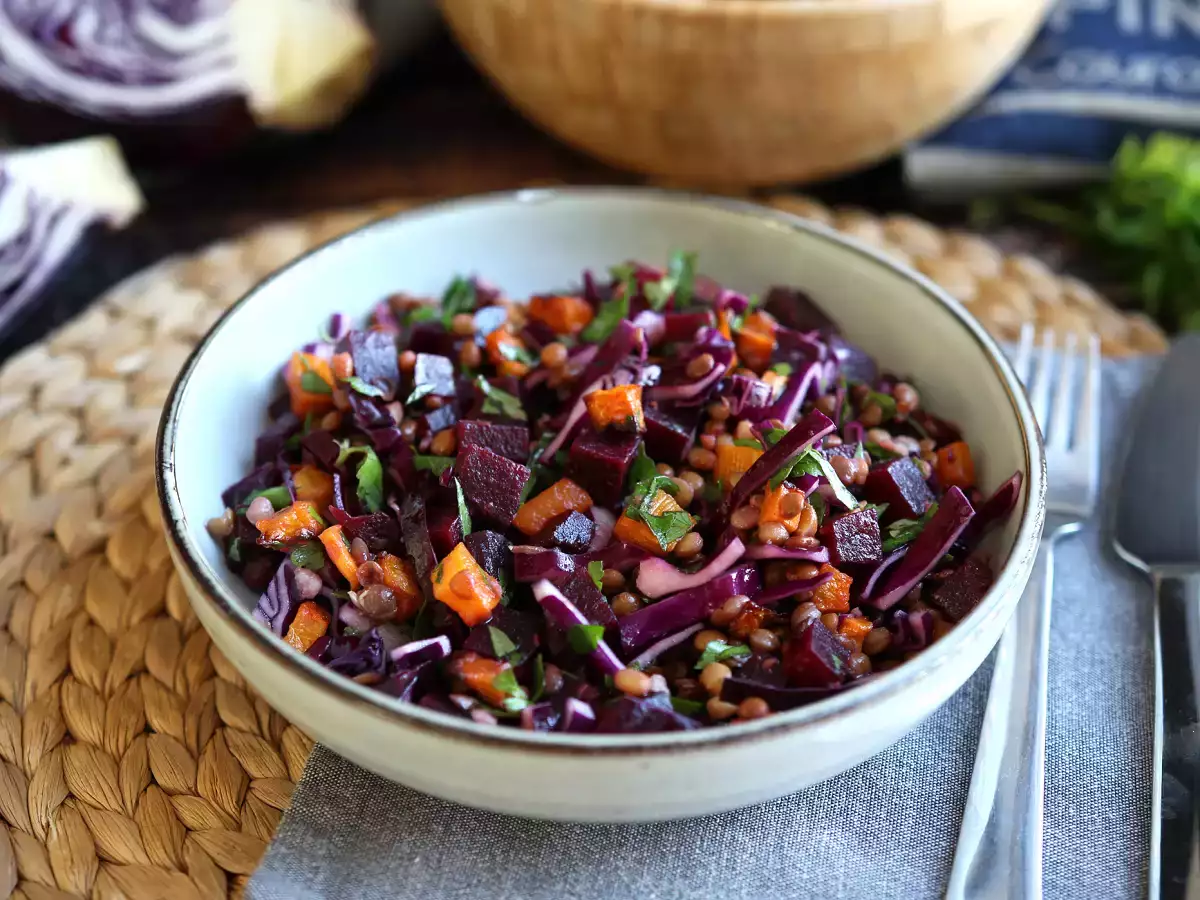
We love salads so much at Ptitchef that there’s no way we’re giving them up in fall and winter. So we swap raw vegetables for seasonal vegetables , combining red cabbage, beet and butternut squash with lentils and parsley. An easy, quick and...
Course 3: Red lentil dahl with fresh fruit
A red lentil dahl can also fit into this approach. Serve it with fresh cilantro and a splash of lemon or lime juice if the recipe calls for it, then add a piece of fresh fruit for dessert.
An orange, a kiwi, or a few berries provide vitamin C without having to completely change the main course.
And if you like to drink tea after a spicy meal, just save it for later.
An orange, a kiwi, or a few berries provide vitamin C without having to completely change the main course.
And if you like to drink tea after a spicy meal, just save it for later.
Easy red lentil dahl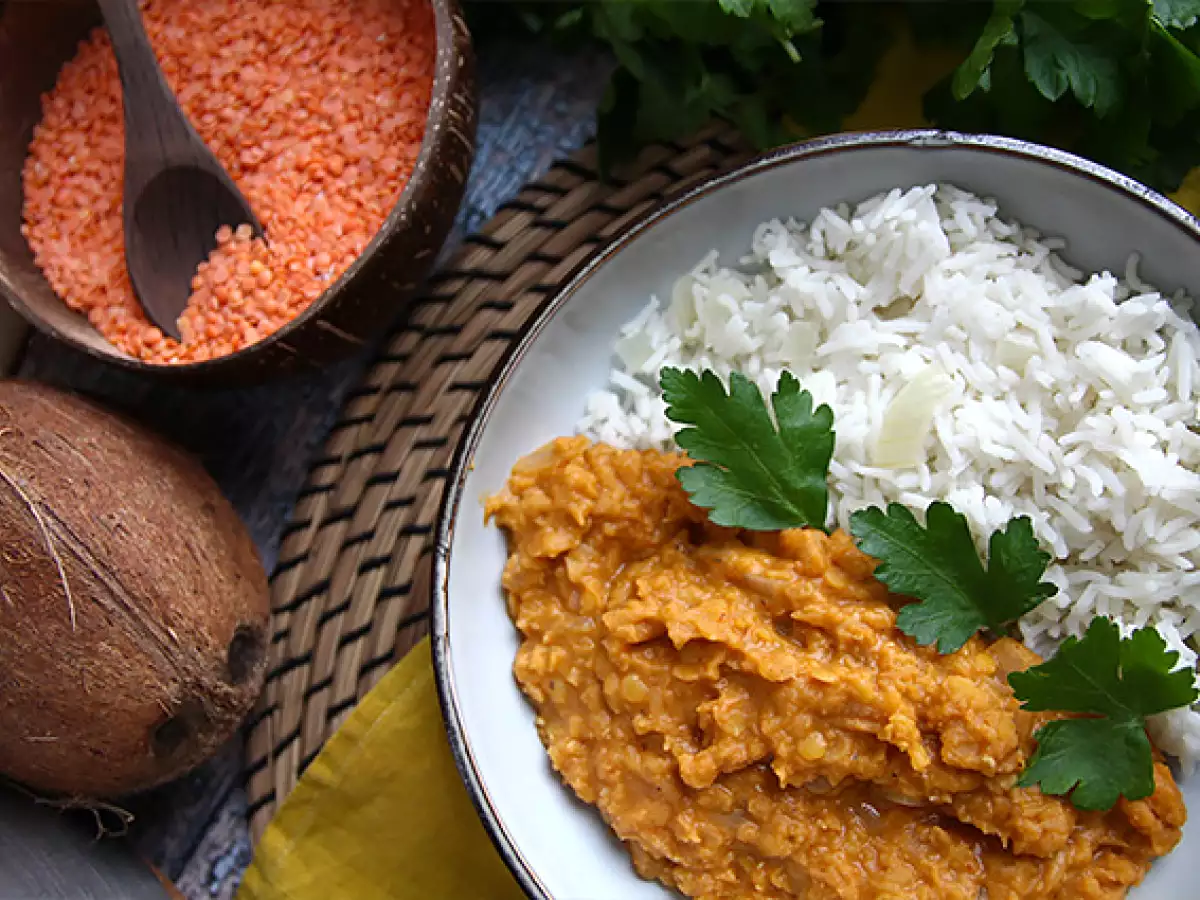
In the category of comforting and original recipes, we love this red lentil dahl! Not only does it introduce this legume to the whole family, but this dish is also vegetarian. A great way to diversify your menus while enjoying yourself :-) Flavored...
Lemon on lentils is helpful, but it's not a magic formula
Adding lemon to a lentil salad is a good habit because it helps provide vitamin C. But it doesn’t automatically turn all the iron on your plate into absorbed iron.
Absorption also depends on the body’s stores, the overall diet, and the presence of other compounds in the meal.
It’s therefore better to consider the entire plate rather than a single ingredient touted as a miracle cure.
Absorption also depends on the body’s stores, the overall diet, and the presence of other compounds in the meal.
It’s therefore better to consider the entire plate rather than a single ingredient touted as a miracle cure.
Raw or cooked bell peppers: Which should you choose?
Vitamin C is sensitive to heat. To retain a good portion of the vitamin C found in bell peppers or herbs, a simple solution is to include some raw or lightly cooked ingredients in the meal.
For example, you can serve the lentils hot with a small salad of raw bell pepper and parsley, or add the herbs at the last minute.
The whole plate doesn’t have to be raw—the idea is simply to include a fresh source of vitamin C alongside the lentils.
For example, you can serve the lentils hot with a small salad of raw bell pepper and parsley, or add the herbs at the last minute.
The whole plate doesn’t have to be raw—the idea is simply to include a fresh source of vitamin C alongside the lentils.
Fruit for dessert may be the simplest solution
Not everyone wants to add lemon or bell pepper to their lentils. In that case, dessert can do the trick.
An orange, a clementine, a kiwi, strawberries, or another vitamin C-rich fruit can help you get this vitamin in the same meal.
It’s often easier to incorporate into your daily routine: just stick with your usual lentil recipe and change up the side dish.
An orange, a clementine, a kiwi, strawberries, or another vitamin C-rich fruit can help you get this vitamin in the same meal.
It’s often easier to incorporate into your daily routine: just stick with your usual lentil recipe and change up the side dish.
There's no need to give up tea
The point isn’t to portray tea as a bad food. It’s simply a matter of timing when trying to optimize the absorption of plant-based iron.
If your meal is based on lentils, chickpeas, or beans, drinking tea at a different time helps avoid consuming non-heme iron and tannins—which reduce its absorption—at the same time.
Coffee and certain other drinks rich in polyphenols can also affect iron absorption. Here, the advice is intentionally simple: tea can wait until your next break.
If your meal is based on lentils, chickpeas, or beans, drinking tea at a different time helps avoid consuming non-heme iron and tannins—which reduce its absorption—at the same time.
Coffee and certain other drinks rich in polyphenols can also affect iron absorption. Here, the advice is intentionally simple: tea can wait until your next break.
These supplements do not treat iron deficiency
These tips are intended to help you plan your meals more effectively. They are not intended to diagnose or treat iron deficiency or anemia.
Persistent fatigue, unusual shortness of breath, or a deficiency confirmed by a blood test should be discussed with a healthcare professional. The decision to take iron supplements should not be based solely on a meal plan.
Diet remains important, but it is no substitute for a proper diagnosis and appropriate medical care when the issue is medical in nature.
Persistent fatigue, unusual shortness of breath, or a deficiency confirmed by a blood test should be discussed with a healthcare professional. The decision to take iron supplements should not be based solely on a meal plan.
Diet remains important, but it is no substitute for a proper diagnosis and appropriate medical care when the issue is medical in nature.
Three easy changes to make at your next meal
With a lentil salad, add bell peppers, parsley, and lemon. With a hot dish, serve raw vegetables or a vitamin C-rich fruit on the side. With a dahl, add fresh herbs, citrus, or fruit at the end of the meal.
And if you’re used to having tea with your meal, simply have your cup of tea at a different time.
These are small changes to the composition of your meal, without having to completely overhaul the recipes you already eat.
And if you’re used to having tea with your meal, simply have your cup of tea at a different time.
These are small changes to the composition of your meal, without having to completely overhaul the recipes you already eat.
 Adèle Peyches
Editorial manager who just can't wait for winter to enjoy fondue! Passionate about gastronomy and always on the lookout for new culinary gems, I first studied law before returning to my first love: the taste of good products and the joy of sharing around the table :)
Comments