Toasting Italian style: from spritz to limoncello, the drinks that explain the aperitif and after-dinner drink in Italy

Italy can also be understood in a glass, as is the case with so many cocktails around the world. cocktails around the world that tell something of the place where they were born. Here it does so in the bitterness of a negroni, in the bubbles of a spritz, in the smoothness of a Bellini or in a limoncello served chilled at the end of a meal. Each drink has its moment, its gesture and almost its own little ritual. One does not drink the same before dinner as after dinner, nor toast the same on a Venetian terrace as at the end of a long meal in the south.
That is why talking about Italian cocktails and liqueurs is not just about reviewing recipes. It is to look at a way of being at the table: the aperitif as a pause before eating, the light drink that whets the appetite, the more intense drink that calls for conversation and the digestive liqueurs that lengthen the end of the meal.
From the most popular spritz to the most unknown nocino, these are some of the Italian drinks that best tell the story of this unhurried way of toasting.
Spritz with Aperol, the Italian aperitif that conquered half the world
Aperol Spritz is, for many, the first image that comes to mind when thinking of an Italian aperitif: a large glass, ice, bubbles, orange and that orange color that is already part of the landscape of many terraces.
It is prepared with Prosecco, Aperol and sparkling water; if you want to better adjust the balance of the glass, it is advisable to choose between brut, dry or extra dry, because the sweetness of the sparkling wine changes the final result.
It is a drink designed to whet the appetite, not to close the evening. That is where much of its charm lies: in its lightness, in its bubbles and in that very Italian way of turning a simple glass into a small ritual.
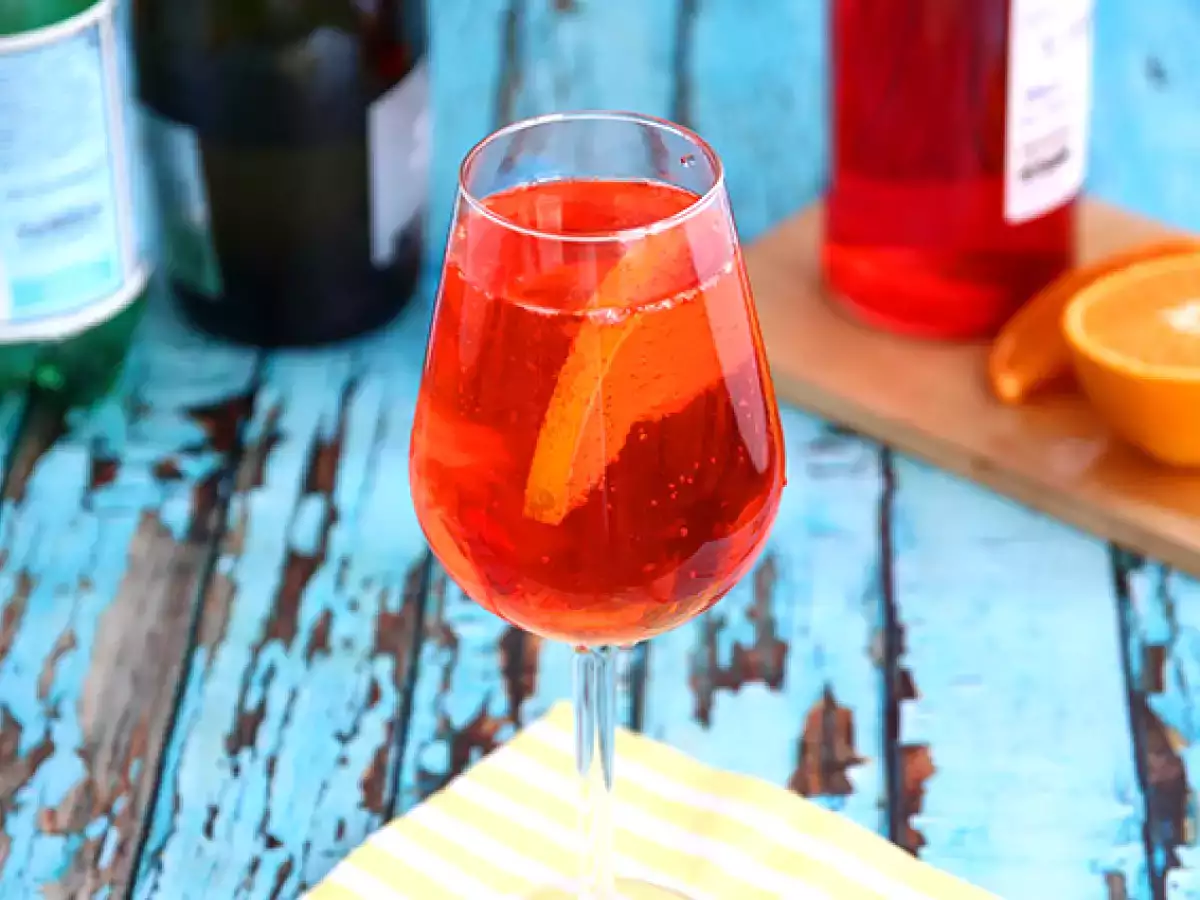
A good homemade cocktail for an aperitif, how about it? Try our Spritz recipe, a drink popular throughout Italy! Made with Prosecco (sparkling white wine), sparkling water, and Aperol, all you need is a slice of orange to perfect this cocktail....
Venetian Spritz, the glass that was born before fashion
Before becoming an international phenomenon, the spritz was already a custom closely linked to Venice and northeastern Italy. Its formula may vary, but the idea remains the same: sparkling wine, soda and a bitter, served over ice and without much ceremony.
The Venetian spritz is something of a convivial drink. It is drunk before lunch or dinner, often with olives, chips, small bites or that Italian bar snack. Italian bar aperitif that accompanies it without stealing the limelight. It does not seek to be a sophisticated cocktail, but a fresh drink, bitter in its right measure and designed for conversation.
Its strength lies in this balance between simplicity and character. Because the spritz does not need great adornments to do what it does best: announce that lunch, or dinner, is approaching.
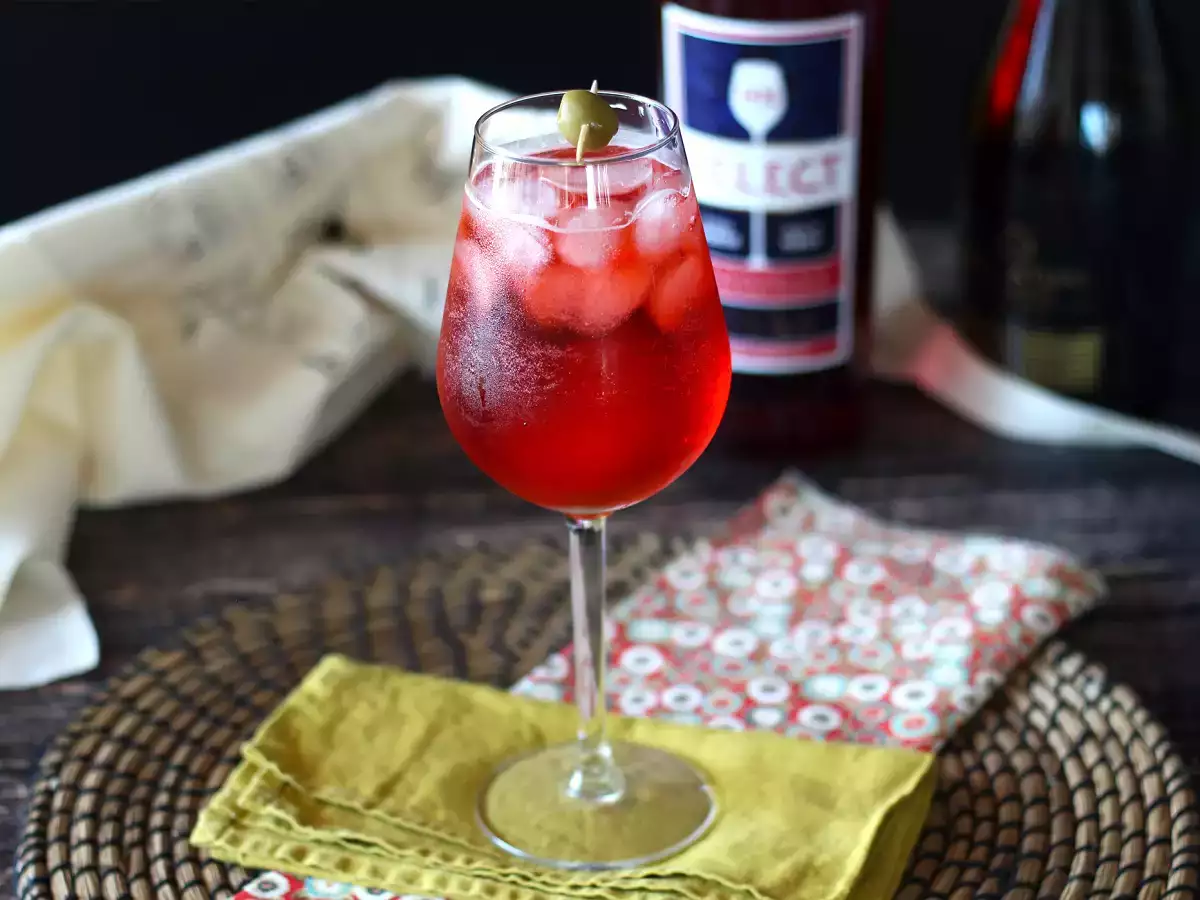
For many years, the Spritz has been a real trend, becoming one of the most popular drinks for aperitivo both in Italy and around the world. Aperol Spritz and Campari Spritz are the most common, but the real Spritz , the Venetian one, is made with...
Hugo Spritz, the floral side of the aperitif
The Hugo Spritz was born in South Tyrol and has carved a niche for itself among those looking for a softer, more aromatic aperitif. Swap the bitterness of Aperol for elderflower, add Prosecco, soda, mint and lime or lemon, and the result is a light, fragrant and very easy to drink glass.
It is fresh, delicate and somewhat sweeter than other Italian aperitifs, but without losing that structure that links it to the world of spritz: bubbles, ice, fresh herbs and served in a glass designed for leisurely drinking.
It may not have the history of the negroni or the fame of the Aperol Spritz, but it has found its place precisely for that reason: because it offers a gentler, more floral and luminous version of the Italian aperitif.
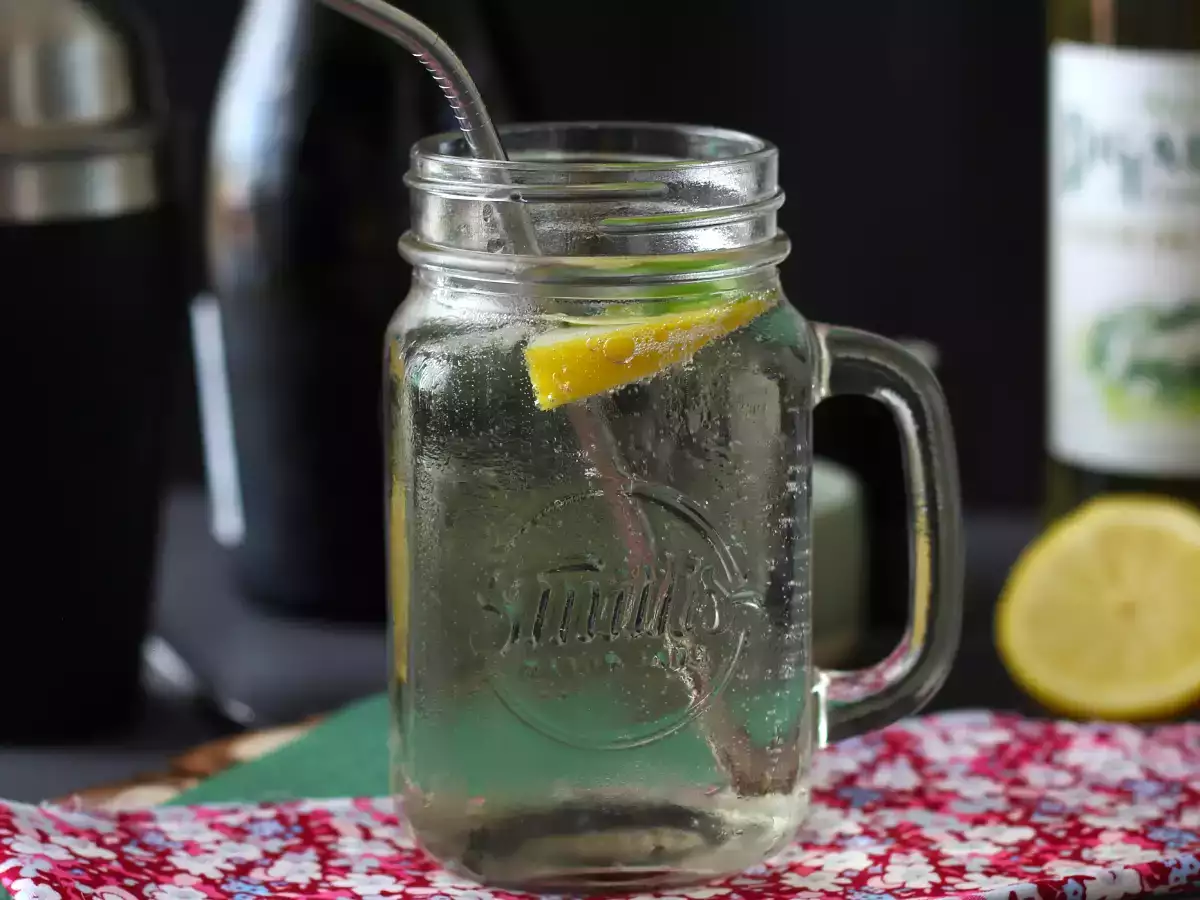
For summer, there's nothing like a delicious, refreshing, fruity, and tangy cocktail! Discover the cousin of the St-Germain Spritz, the Hugo Spritz :-) This cocktail is perfect for your summer evenings, as an alternative to the traditional Moscow...
Limoncello Spritz, the citrus twist of the south
The Limoncello Spritz is one of those variations that seem to be made for those who prefer less bitter cocktails. It keeps the bubbles of the Prosecco and the structure of the spritz, but changes the bitter for limoncello, that lemon liqueur so linked to southern Italy.
The result is more citrusy, sweeter and very easy to imagine in an after-dinner drink that slowly moves into the evening. It has the freshness of lemon, the lightness of sparkling wine and that festive touch that turns a simple recipe into a very appetizing drink.
It is not the most classic spritz, but it is one of the most accessible. And it has a clear advantage: it preserves the Italian spirit of the aperitif, although it takes it to a sunnier, more aromatic and somewhat less bitter terrain.
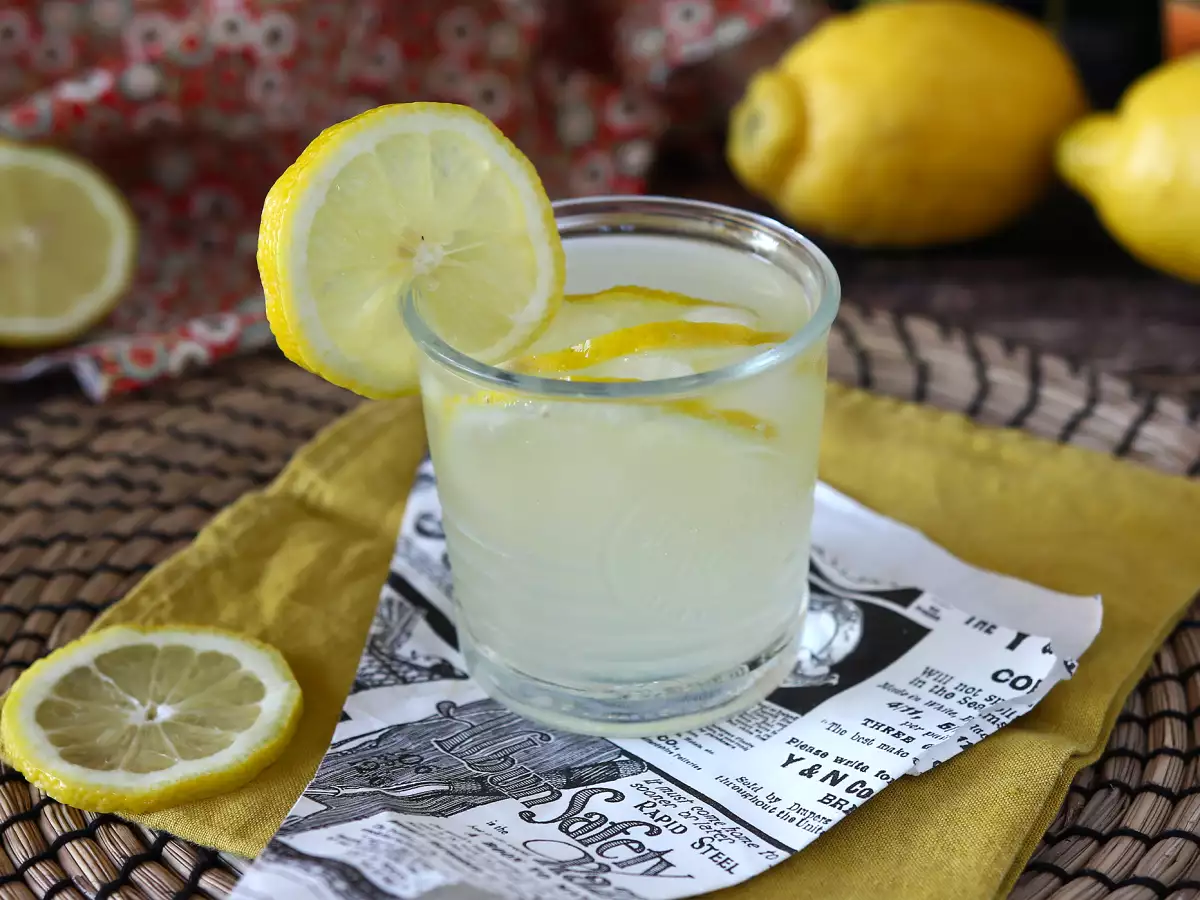
Hear that? It's the clinking of ice cubes in our cocktail glasses ;-) Aperitifs for everyone! And of course, these limoncello-flavored Spritzes bring freshness, sunshine, and originality. That touch of tartness will win you over ;-)
Bellini, the most delicate Venetian cocktail
The Bellini has another cadence. It was born in Venice, at Harry's Bar, and its formula could not be shorter: Prosecco and peach pulp. Its charm lies precisely there, in that smooth, fruity and uncontrived blend.
Compared to the bitterness of the spritz or the intensity of the negroni, the Bellini plays in another league: that of festive cocktails with sparkling wine. festive cocktails with sparkling wine, elegant, light and easy to drink.The Bellini is elegant, light and easy to serve when you feel like something special without overloading the glass. It is a friendly drink, with bubbles, pale color and ripe fruit flavor.
It is also a good example of how Italian cocktails can be simple without being flat. Sometimes all it takes is two well-chosen ingredients to make a drink with personality.
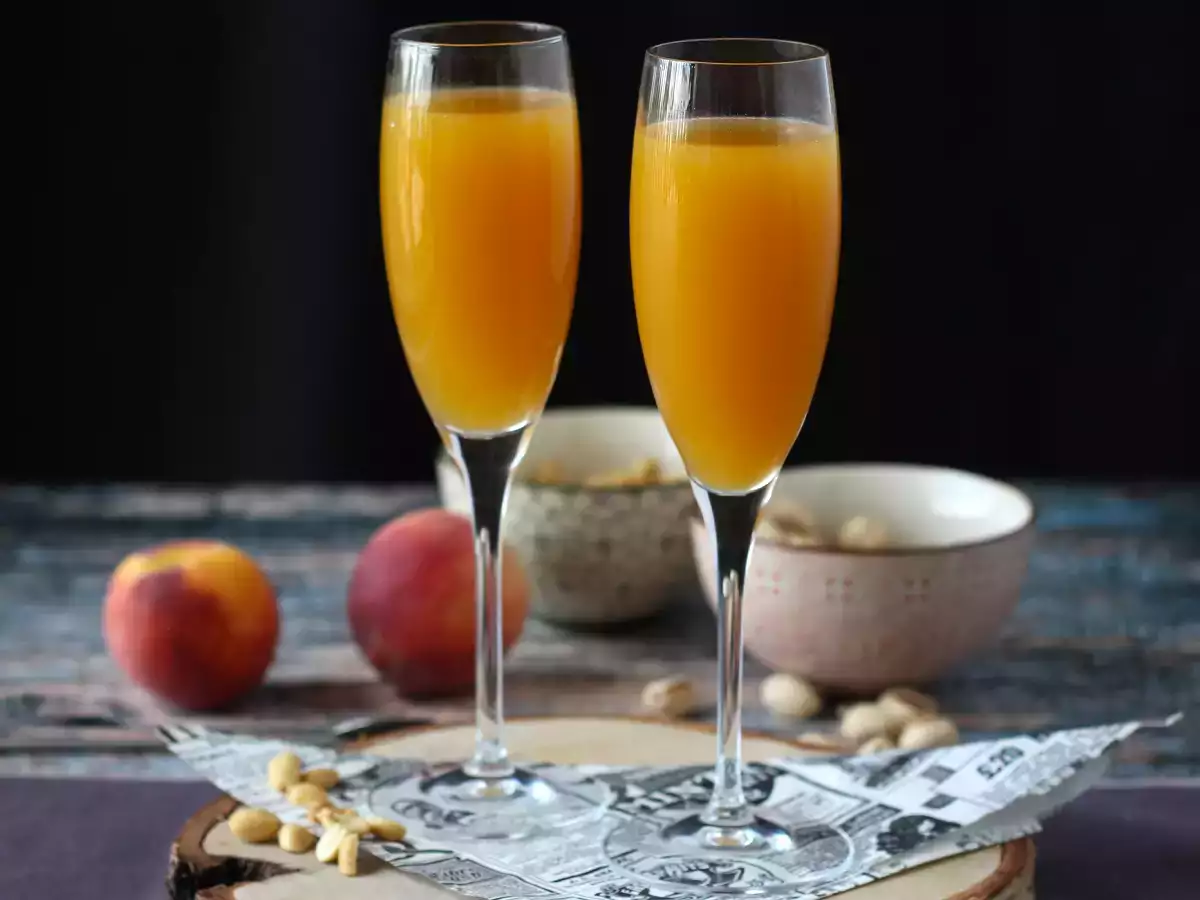
Looking for a refreshing cocktail that's easy to make for your aperitif? Try the Bellini , the Italian peach cocktail! This sparkling blend of peach juice (or peach purée) and prosecco is sure to make a "wow" impression at your next gathering! A...
Negroni, the Italian aperitif for those who love bitterness
The Negroni is the Italian cocktail for those who are not afraid of bitterness. Gin, red vermouth and Campari in equal parts: three ingredients and a very marked personality.
Born in Florence, it is associated with the aperitif, although it has more depth than lightness. It is not a drink to drink without thinking, nor a cocktail that seeks to please everyone at the first sip. It has character, an intense color and a very recognizable balance between sweetness, alcohol and bitterness.
Maybe that's why it has become a classic. Because when you like it, it tends to stick around. The Negroni does not have the carefree freshness of the spritz or the smoothness of the Bellini, but it has its own place: that of the dry, adult glass with the air of an old bar.
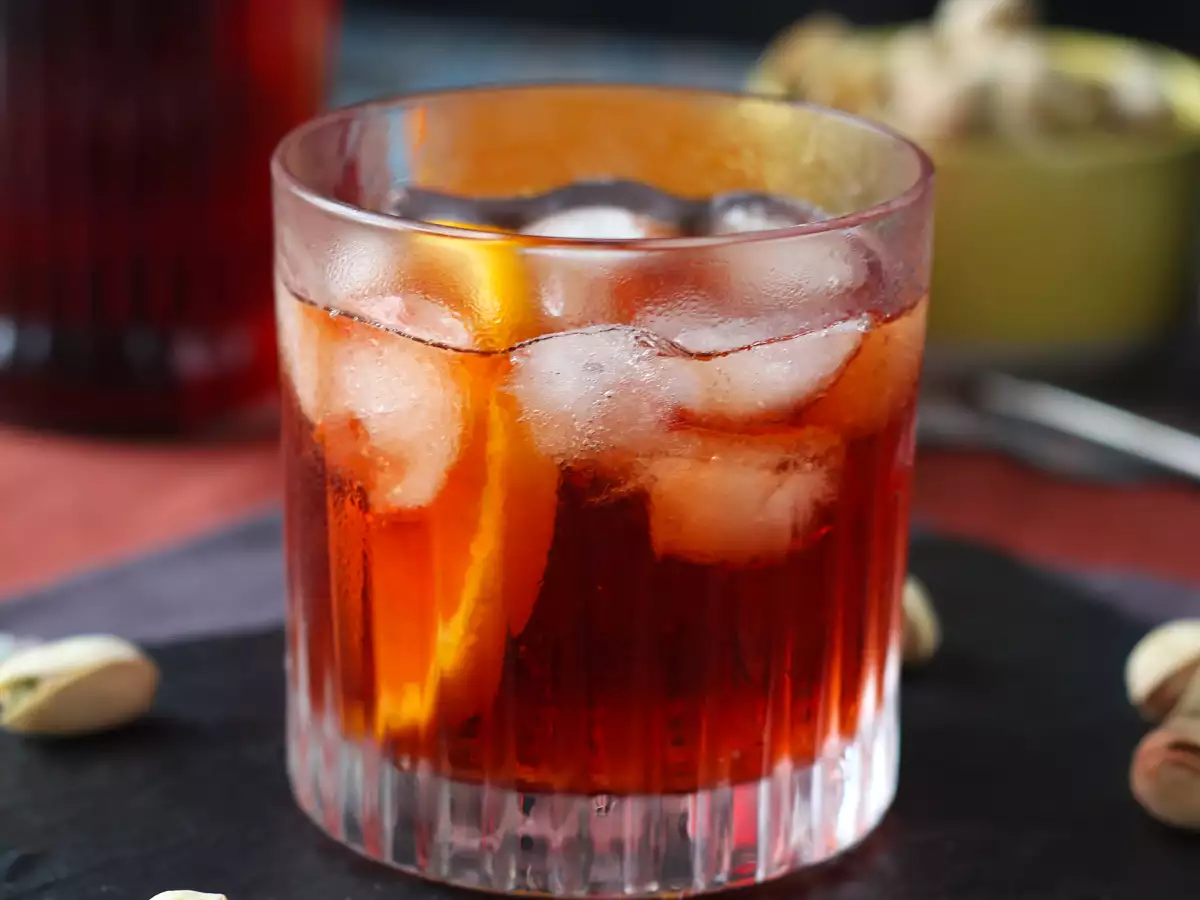
The Negroni was created in Florence in 1919 and takes its name from its founder, Count Camillo Negroni . Tired of always drinking the same Americano , Count Negroni decided to have gin added, giving rise to one of the most popular Italian...
Homemade Limoncello, the liqueur that closes the meal
Limoncello belongs to another time of the day. It is not drunk as an aperitif, but chilled, at the end of the meal, when the table begins to empty but no one is in a hurry to get up.
It is made with lemon peel, alcohol, water and sugar, and its grace lies in capturing the scent of citrus without turning it into a simple syrup. It is sweet, intense and very Italian in its way of closing a meal.
In Spain we know it mainly as a digestive liqueur, but in Italy it is part of an after-dinner culture in which the end of the meal also has its own language. A small glass, very cold, served quietly. Enough to extend the conversation a little longer.
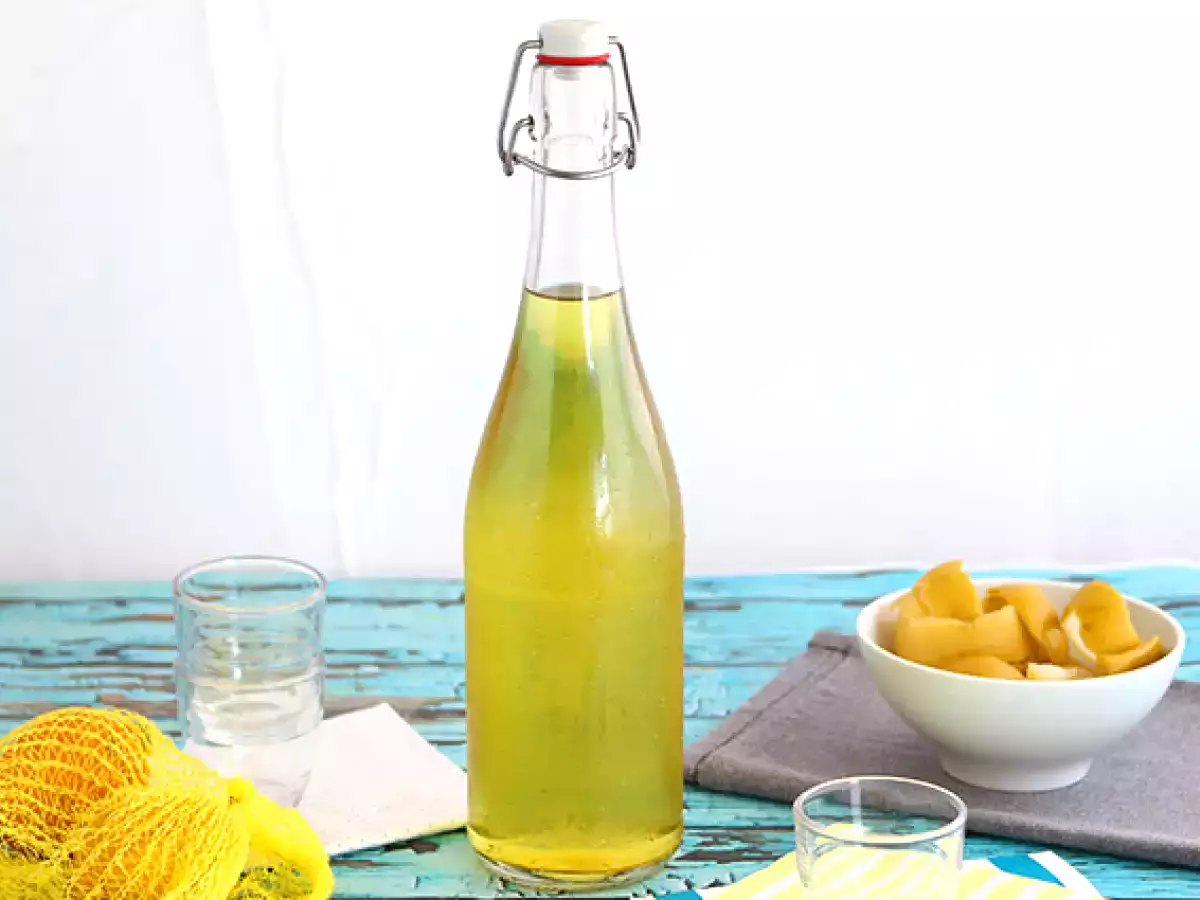
A homemade liqueur to end a meal on a high note—how about that? Try our limoncello recipe! An Italian drink with a delightful lemon flavor, it's irresistible ;-) Easy to make, it should be stored in the refrigerator for the freshest tasting...
Nocino, the Italian walnut liqueur that deserves more fame
Less well known outside Italy than limoncello, nocino has something of an ancient liqueur. It is prepared with green walnuts macerated in alcohol and is often associated with Emilia-Romagna, especially Modena.
It is dark, aromatic, with a bitter and spicy touch, and is drunk as a digestif. It does not have the lightness of the spritz or the sunny color of limoncello, but precisely for that reason it brings a different closure: more sober, deeper and with a lot of character.
The nocino does not seek to be an easy drink in the same sense as a Bellini or a Hugo Spritz. Its appeal lies elsewhere: in the intensity of the walnut, in the maceration, in that air of a traditional recipe that seems designed to be kept in a bottle and taken out at the end of a good meal.
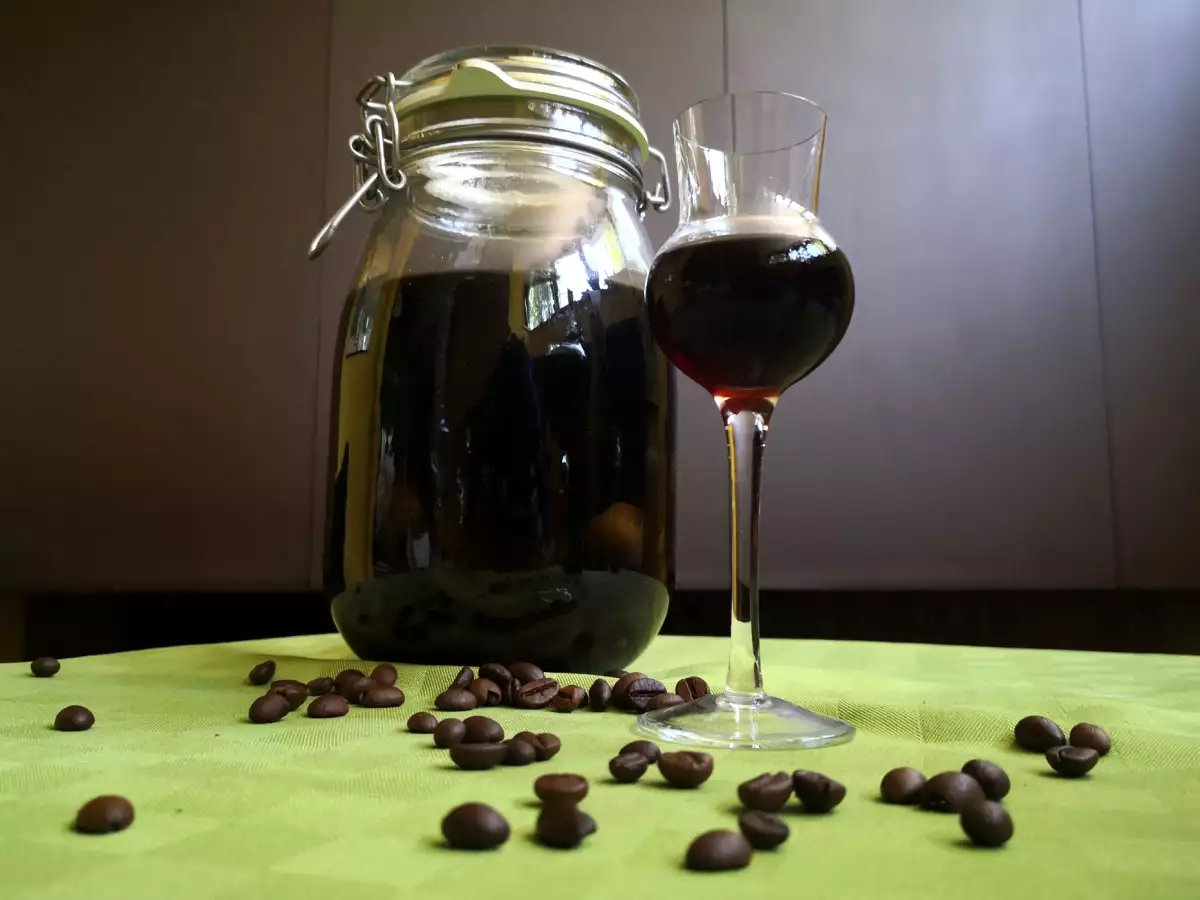
A walnut liqueur with a distinctive, intense flavor, typical of Italian tradition. Nocino is a digestif made by using walnuts with their green husks , harvested in the second half of June (traditionally, they should be picked on St. John’s Day ,...
A glass for every moment
Toasting Italian style does not mean always choosing the same drink. It can be a spritz at the beginning of the evening, a Bellini when you feel like something softer, a Negroni if you are looking for a glass with more character or a chilled limoncello to close the meal.
The interesting thing is precisely this variety. Italy has not only built its liquid culture around great wines, but also aperitifs, bitters, homemade liqueurs and cocktails that have managed to find their moment at the table.
Because there are drinks that whet the appetite, others that accompany the conversation and some that serve not to end the after-dinner conversation too soon. And there, between bubbles, citrus, herbs, nuts and bitters, Italy knows how to toast very well.
 Patricia González
Comments