Why does peeling a quince feel so difficult? Here's the trick that makes all the difference
Wednesday 7 October 2026 21:00 - Christelle Gary
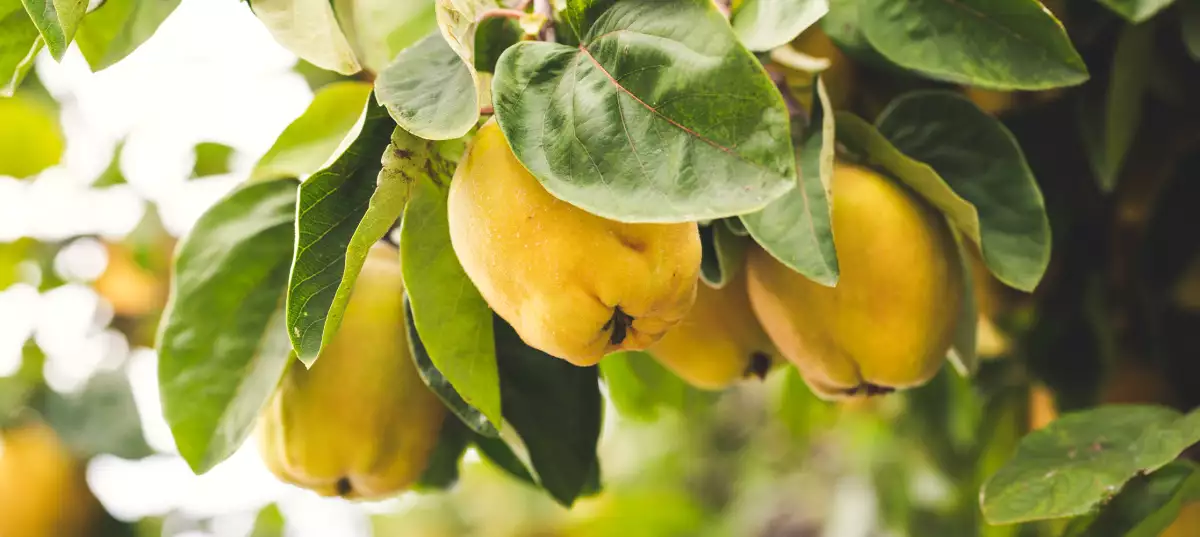
When raw, the quince is particularly firm, irregularly shaped, and difficult to work with. Its core is tough, and its skin can make preparation downright tedious.
The good news is that you don’t have to start there. The trick that simplifies everything is to cook the quince whole before cutting it up. Once poached and cooled, it becomes much easier to cut open, core, and, if desired, peel.
Why raw quince is so hard to prepare
At first glance, a quince looks like a large, slightly dented pear. However, as soon as you try to cut it, the comparison quickly ends.
Its flesh is much firmer than that of an apple or a pear; its core resists the knife, and its irregular shape makes it even harder to peel with a peeler.
The result: you have to use more force, you waste time, and you also run the risk of the knife slipping.
The problem, therefore, does not stem from the fruit itself, but rather from the order in which you try to prepare it.
Its flesh is much firmer than that of an apple or a pear; its core resists the knife, and its irregular shape makes it even harder to peel with a peeler.
The result: you have to use more force, you waste time, and you also run the risk of the knife slipping.
The problem, therefore, does not stem from the fruit itself, but rather from the order in which you try to prepare it.
The tip that makes all the difference: cook first, then cut
Start by washing the quinces thoroughly and removing any fuzz that may still be on their skin.
Then place them whole and unpeeled in a large saucepan, cover them with liquid, and let them poach gently until their flesh has softened.
The best way to tell isn’t necessarily by the clock: pierce the fruit with the tip of a knife. When the knife goes in much more easily, the quince is ready.
Let it cool slightly before handling it. You’ll then be able to cut it, remove the core, and scoop out the flesh without having to struggle with a very hard, raw fruit.
Then place them whole and unpeeled in a large saucepan, cover them with liquid, and let them poach gently until their flesh has softened.
The best way to tell isn’t necessarily by the clock: pierce the fruit with the tip of a knife. When the knife goes in much more easily, the quince is ready.
Let it cool slightly before handling it. You’ll then be able to cut it, remove the core, and scoop out the flesh without having to struggle with a very hard, raw fruit.
Do you really need to remove the skin after cooking?
Not necessarily.
It all depends on the recipe and the desired texture. For a pureed dish or a dish that requires long cooking, the skin can sometimes be left on after careful cleaning.
For a dessert where you want very smooth flesh or clean, defined pieces, you can remove the skin once the fruit has been poached and cooled.
The key is to understand that peeling raw fruit is not a mandatory step.
It all depends on the recipe and the desired texture. For a pureed dish or a dish that requires long cooking, the skin can sometimes be left on after careful cleaning.
For a dessert where you want very smooth flesh or clean, defined pieces, you can remove the skin once the fruit has been poached and cooled.
The key is to understand that peeling raw fruit is not a mandatory step.
After poaching, the quince becomes much easier to cook with
Once softened, quince flesh behaves completely differently in the kitchen.
It can be cut into pieces for a tart or crumble, mashed for a compote, or pureed for a smoother texture.
Cooking also gradually brings out the quince’s very distinctive aroma and can cause its color to shift toward more pinkish hues.
It is at this point that this fruit, often considered difficult to work with, ultimately becomes very easy to incorporate into a dessert.
It can be cut into pieces for a tart or crumble, mashed for a compote, or pureed for a smoother texture.
Cooking also gradually brings out the quince’s very distinctive aroma and can cause its color to shift toward more pinkish hues.
It is at this point that this fruit, often considered difficult to work with, ultimately becomes very easy to incorporate into a dessert.
Turn your poached quinces into a quince-pear crumble
Once your quinces have been poached and softened, a crumble is a great way to use them without complicating the rest of the recipe.
Pair quince pieces with pear: the pear adds a moist texture and natural sweetness that balances the quince’s more intense flavor very well.
For the topping, prepare a plant-based crumble topping with rolled oats, flour, margarine, and chopped hazelnuts. This creates a delightful contrast between the melt-in-your-mouth fruit and the crispy topping.
If you like this type of dessert, this Ptitchef recipe can also serve as a good base for the crumble topping:
Pair quince pieces with pear: the pear adds a moist texture and natural sweetness that balances the quince’s more intense flavor very well.
For the topping, prepare a plant-based crumble topping with rolled oats, flour, margarine, and chopped hazelnuts. This creates a delightful contrast between the melt-in-your-mouth fruit and the crispy topping.
If you like this type of dessert, this Ptitchef recipe can also serve as a good base for the crumble topping:
Vegan and gluten-free apple crumble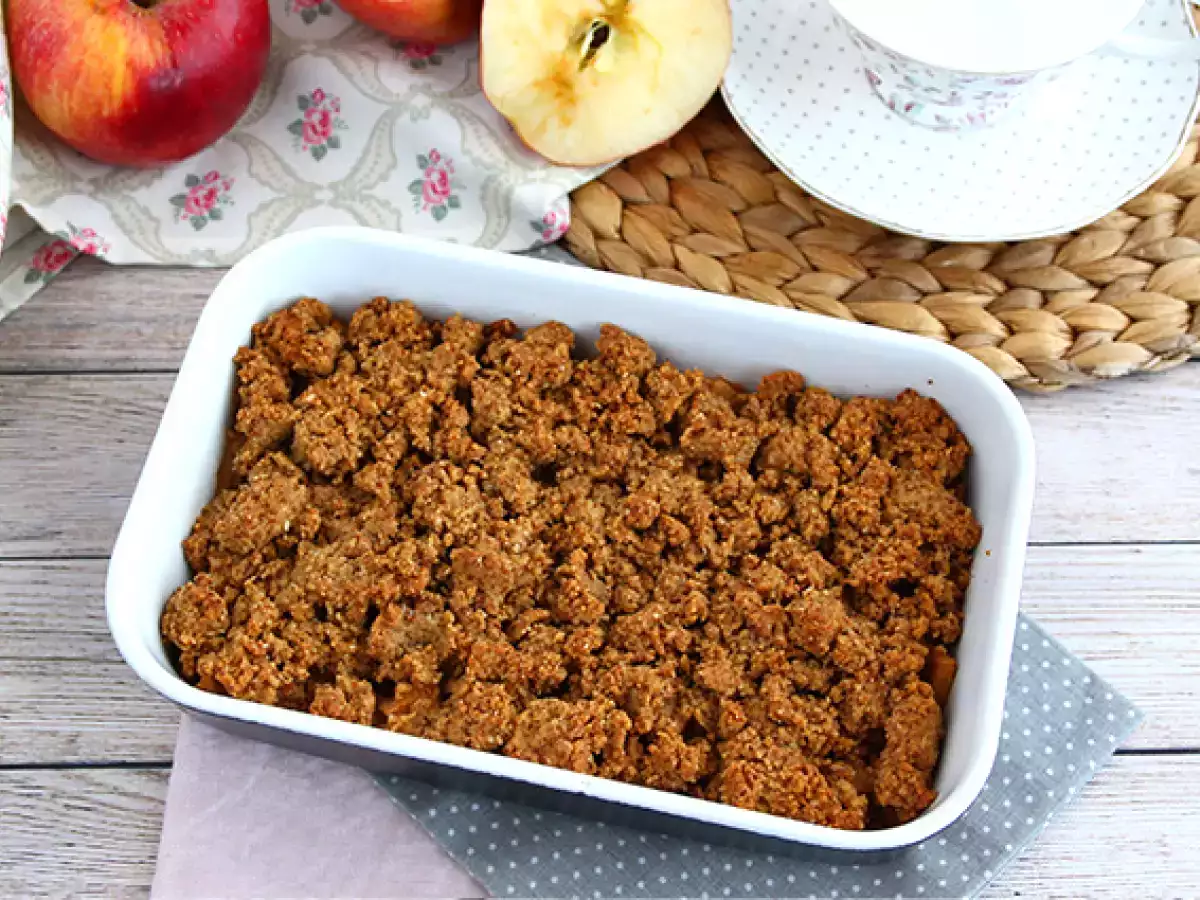
Nothing is easier and more delicious than an apple crumble, right? The perfect dessert when you want to cook your apples without complicating things too much. In addition to being delicious, this recipe is very simple to make in a vegan and gluten-free...
Why the quince-pear combination works so well
Quince has a very distinct aroma and a flesh that remains denser than that of many other fruits, even after cooking.
Pears, on the other hand, offer a softer, juicier texture. Together, the two fruits create a more balanced dessert: the quince remains recognizable without completely dominating the dish.
To explore the idea of pears further, this Ptitchef almond tart clearly demonstrates how well they pair with melt-in-your-mouth, indulgent textures:
Pears, on the other hand, offer a softer, juicier texture. Together, the two fruits create a more balanced dessert: the quince remains recognizable without completely dominating the dish.
To explore the idea of pears further, this Ptitchef almond tart clearly demonstrates how well they pair with melt-in-your-mouth, indulgent textures:
Almond pear tart, or the famous bourdaloue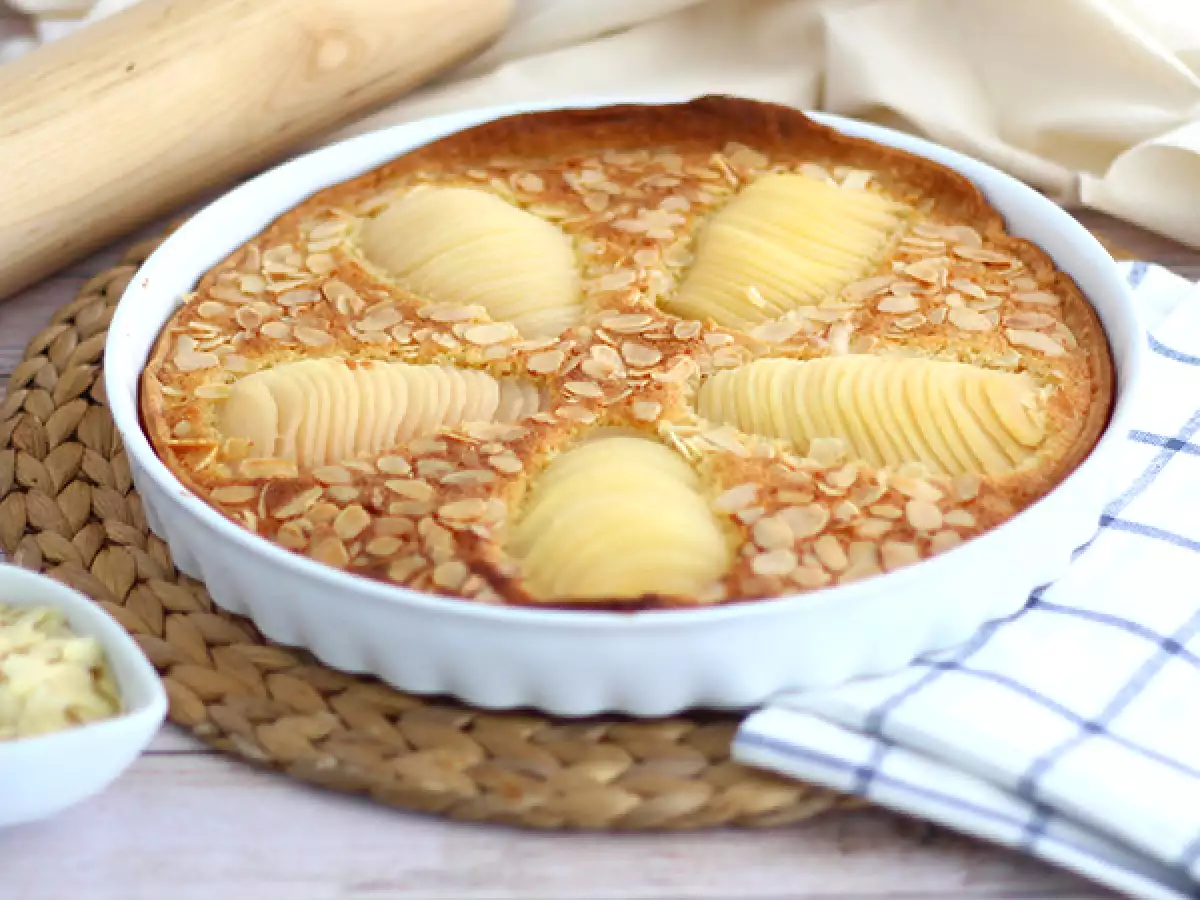
If you love pears, you surely haven't missed one of the most classic recipes in French pastry: the Bourdaloue tart! The addition of pears will allow you to finish your meal on a note that is both indulgent and fruity. A way to avoid feeling weighed...
What if you still have some pears left to use?
An autumn basket rarely gets emptied with just one recipe. If you still have pears left after making your crumble, you can easily put them to another use.
Chocolate pairs especially well with their soft, juicy texture. Here’s another Ptitchef recipe to keep on hand:
Chocolate pairs especially well with their soft, juicy texture. Here’s another Ptitchef recipe to keep on hand:
Chocolate pear cake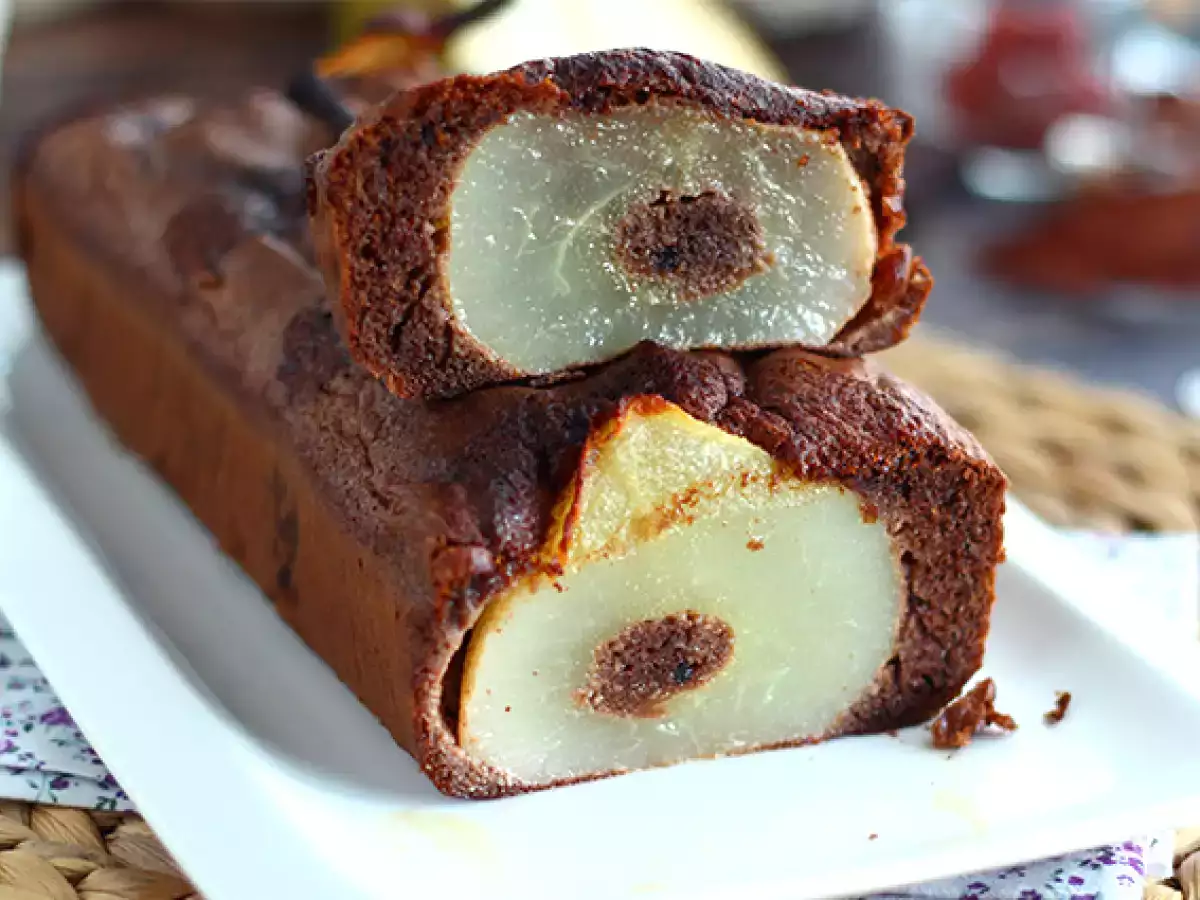
For a snack, prepare a delicious and fruity cake: chocolate + pears! Moist and melting, you will love this easy-to-make dessert with the kids! Step by step, follow the instructions to make this 100% homemade sweet cake!
Don't necessarily throw away the poaching liquid
While cooking, the liquid absorbs some of the quince’s aroma.
Instead of discarding it right away, you can strain it and then reduce it to make a fragrant syrup to serve with dessert, yogurt, or a scoop of ice cream.
If you added vanilla, cinnamon, or star anise while poaching, the result will be even more aromatic.
Instead of discarding it right away, you can strain it and then reduce it to make a fragrant syrup to serve with dessert, yogurt, or a scoop of ice cream.
If you added vanilla, cinnamon, or star anise while poaching, the result will be even more aromatic.
In short: When using quince, simply change the order of the steps
If you’re put off by quinces because they seem almost impossible to peel when raw, don’t start with a vegetable peeler.
Wash it, poach it whole, let it cool, then remove the core and prepare the flesh according to your chosen recipe.
This simple change makes the fruit much easier to work with and finally makes you want to enjoy the quince season to the fullest.
Wash it, poach it whole, let it cool, then remove the core and prepare the flesh according to your chosen recipe.
This simple change makes the fruit much easier to work with and finally makes you want to enjoy the quince season to the fullest.
 Christelle Gary
As a fitness enthusiast and vegetarian, I love taking on a challenge: making plant-based meals that are packed with protein—without breaking the bank! My mission at Ptitchef? To prove that legumes can be delicious, creative, and truly irresistible. Chickpeas, lentils, and beans better watch out!
Comments