Why eggs sit unrefrigerated in supermarkets but should be chilled at home, especially in summer
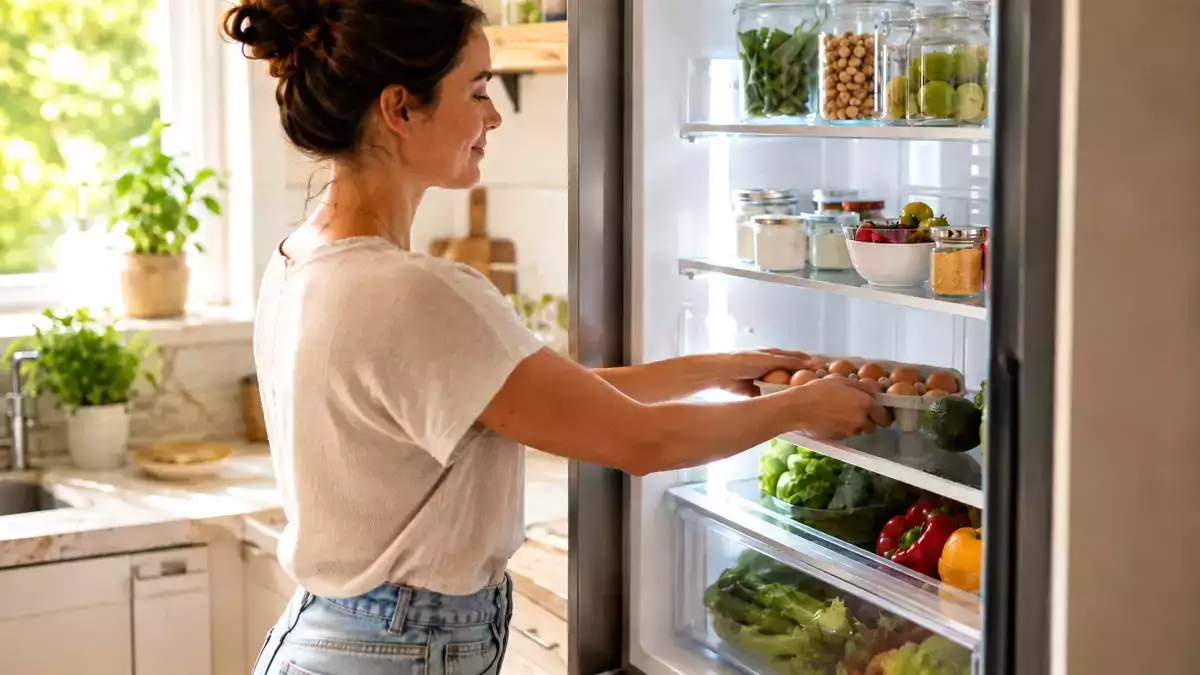
You walk into the supermarket in the middle of summer, look for a dozen eggs, and find them where they’re always kept: on a shelf, unrefrigerated, far from the yogurt, meat, or fish. Then the inevitable question arises: if they aren’t refrigerated there, why do almost all of us end up putting them in the fridge at home?
The answer isn’t as intuitive as it seems, because the problem isn’t just the temperature, but what happens when the egg moves from one environment to another.
A contradiction in name only
Until they’re sold, eggs must be kept clean, dry, protected from impact, away from strong odors and direct sunlight, at an appropriate and preferably constant temperature. That’s why many supermarkets don’t store them in refrigerated display cases: if a cold egg is then moved to a warm, humid environment, condensation can form on the shell. This “sweat” causes the surface to become damp, which is undesirable for a porous food covered by a protective cuticle.
Why store eggs in the refrigerator at home
Storing eggs in the refrigerator helps slow down their aging process. Over time, eggs lose water and carbon dioxide through the shell; the air cell expands, the egg white becomes more liquid, and their culinary quality declines. Cold temperatures don’t turn an old egg into a fresh one, but they do help preserve its properties better.
It also enhances safety. Salmonella isn’t present in all eggs, but the risk associated with raw or undercooked eggs isn’t zero. That’s why it’s best to combine responsible purchasing, refrigeration, hygiene, and thorough cooking whenever the recipe allows.
Eggs on the fridge door: better not
The best option is to store them in their original carton on an interior shelf. The carton protects them from bumps, reduces odor absorption (the shell is porous), and keeps important information—such as the best-by date or lot number—close at hand. If you want to be extra careful, place them with the pointed end down to keep the air chamber at the top.
Another helpful tip: take out only the eggs you’re going to use and don’t leave the whole carton on the counter while you’re cooking.
Washing eggs: a good intention with poor results
If an egg is very dirty, it’s best not to use it for delicate dishes. If it has a small spot, you can wipe it off with a dry cloth. If you do wash it, do so right before using it, not before storing it. After handling raw eggs or eggshells, wash your hands and clean any utensils that have come into contact with them.
It’s also best to crack the egg onto a flat surface rather than on the edge of the bowl where you’ll be beating it, to minimize shell fragments falling into the mixture.
Storing eggs in the summer
The rule of thumb is simple: buy eggs with intact shells, follow the best-by date, bring them home quickly, and store them in the refrigerator. For pregnant women, young children, the elderly, or immunocompromised individuals, avoid dishes made with raw or undercooked eggs. In these cases, pasteurized eggs are a safer alternative.
If you have leftover egg-based dishes, refrigerate them as soon as possible in a clean, covered container.
Cooking ideas where the egg is cooked just right
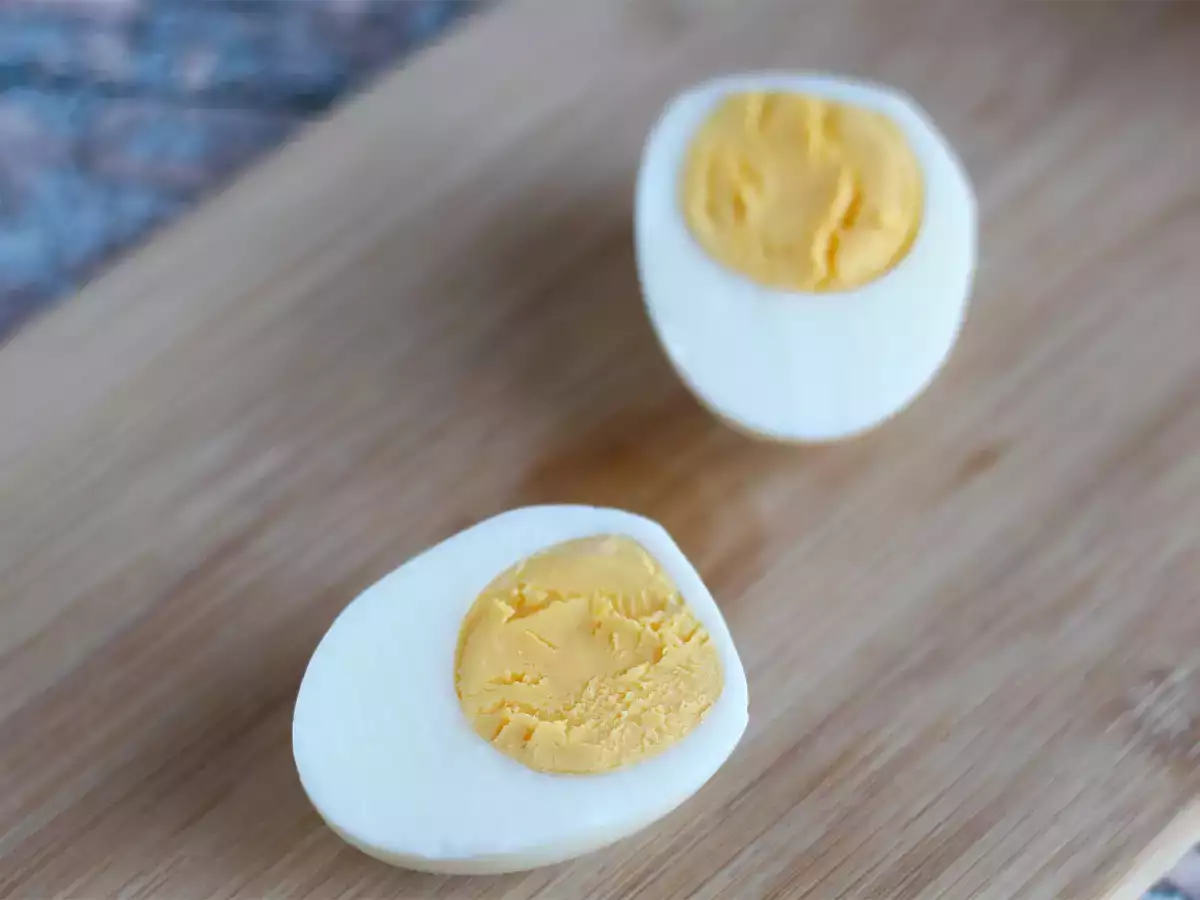
The easiest way to cook an egg. Perfect for eating with a salad or for a picnic. Don't forget to make some mayonnaise to go with it—it's one of those classics you'll never get tired of :-)
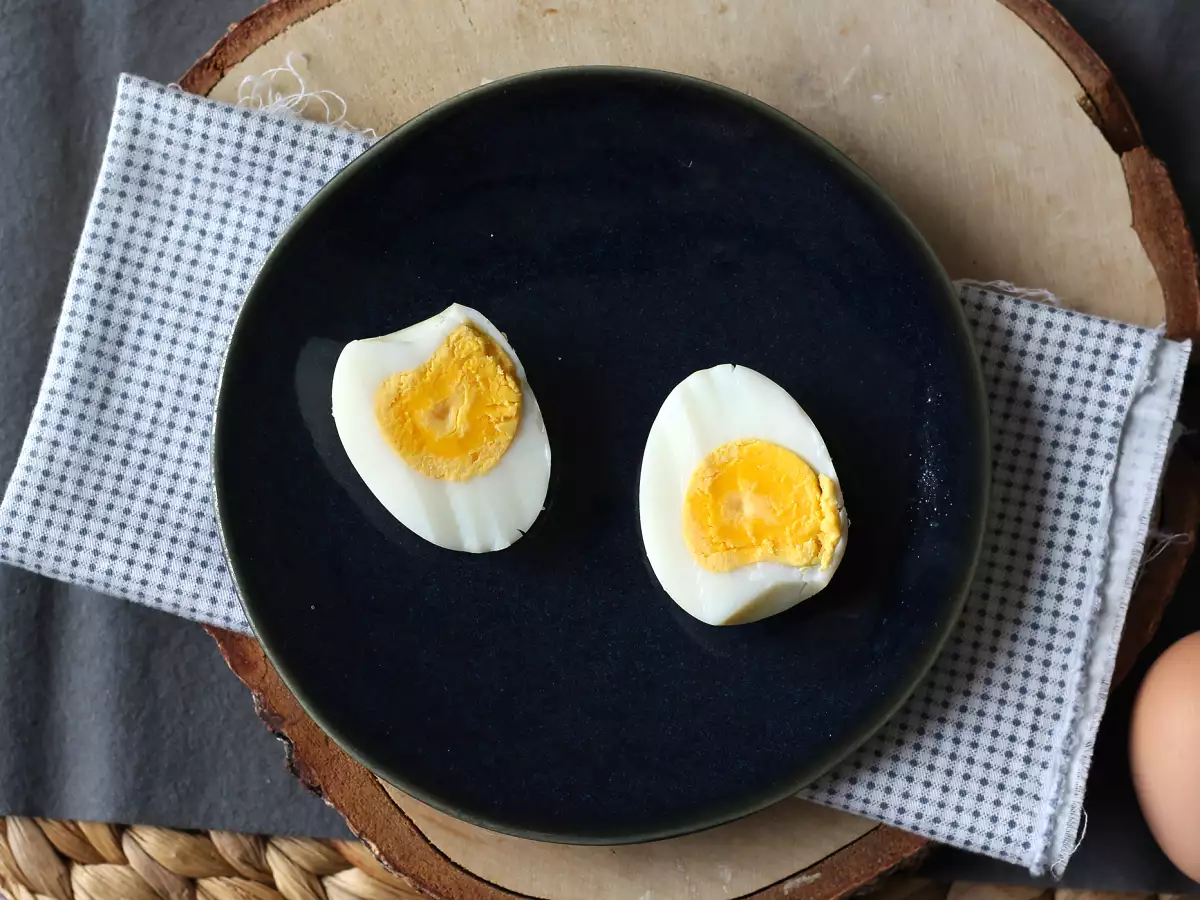
To garnish salads , sandwiches or wraps , there's nothing like hard-boiled eggs ! To avoid overcooked eggs and timer problems, the Air Fryer has clearly become our best ally :-) With this method, eggs are cooked to perfection in no time. Simply...

If you love savory breakfasts, try our scrambled eggs. This recipe is super easy to make and wonderfully creamy, allowing you to wake up gently while filling up on energy! Feel free to serve these scrambled eggs on toasted bread or English muffins!
Avoid sudden changes
Don’t store them in the door, don’t wash them before storing them, and keep them in their original packaging. This isn’t about causing alarm, but about understanding how this porous and delicate food item works. With a few simple steps, eggs will keep better, maintain higher quality, and reduce unnecessary risks.
 Patricia González
Comments