Without a plating ring and with guests: the trick that saves the presentation of your dishes (with something you already have at home)
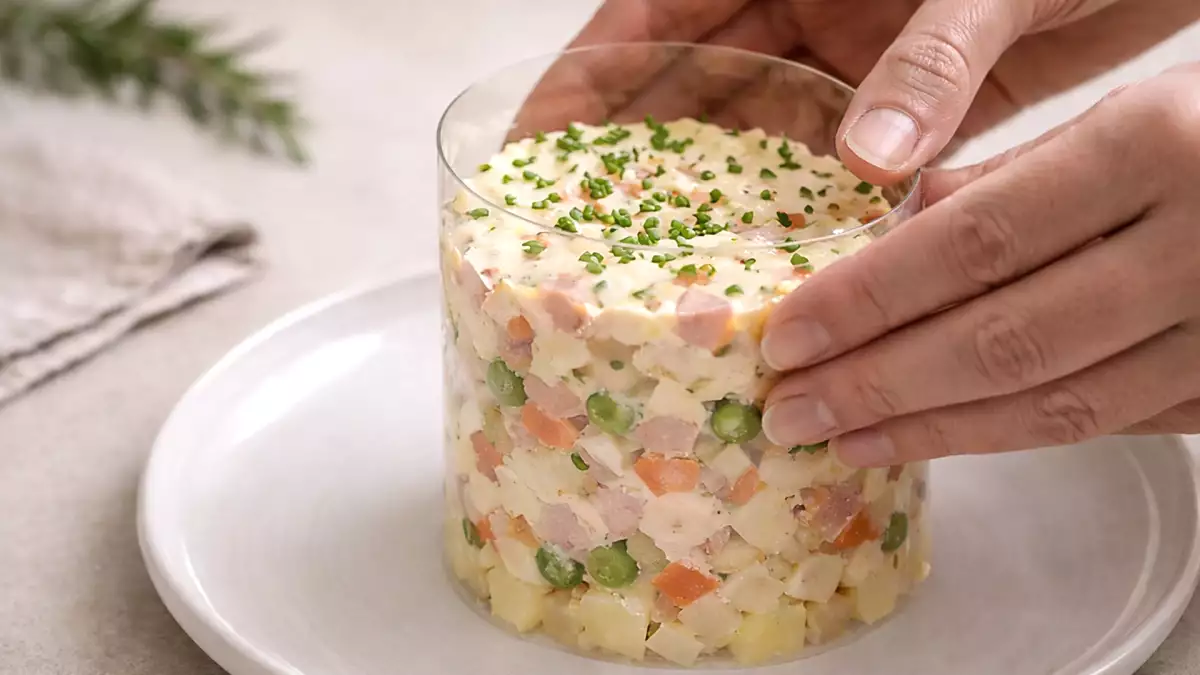
There are some kitchen tools you only miss when it’s too late. The plating ring is one of them. Not because you use it every day (nobody uses a plating ring every day unless they live inside a cooking show), but because it’s exactly what you wish you had the day you decide to play MasterChef at home.
You’re fine. The potato salad is fine. The tartare is fine. The creamy rice is perfect. And then you decide you want to plate it nicely. You open the utensil drawer with the hopeful energy of someone looking for a key they don’t remember losing… and the drawer answers with a simple truth: you don’t own a plating ring. Or you don’t have it today. Which is the worst way of not having it. The problem isn’t just aesthetic. It’s mental. You’d already pictured that plate in your head. Suddenly you’re trying to “shape it with a spoon,” which is basically the culinary equivalent of trying to iron a shirt with shower steam: something you do with hope, but no guarantees.
So I did what everyone does when the solution is not buying another gadget: I leaned on domestic creativity. And yes, a plastic bottle (used properly) can be exactly what you need.
What is a plating ring used for?
A plating ring doesn’t cook a thing. It doesn’t sear, it doesn’t thicken, it doesn’t fix a broken sauce. But it does something very useful when it’s time to serve: it sets boundaries.
In professional kitchens, it’s almost part of the basic toolkit. At home, not so much… until the day you want that sardine potato salad or that sausage tartare to stop being “a tasty pile on a plate” and become a neat little tower with clean edges, height, and a bit of restaurant drama. At the end of the day, a plating ring is just a temporary mold: it contains, compacts, and lets you pull away the wall at the last second so everything inside looks tidy and appetizing.
Practical translation: if you can get yourself a firm cylinder, smooth on the inside and with a reasonable diameter, you’ve basically got the job half done.
How to make your own plating ring with a plastic bottle
What kind of bottle to use
- A large water or soda bottle (around 1.5 liters) that isn’t super flimsy and keeps its shape when you handle it.
- Ideally with minimal grooves so the inside is as smooth as possible.
- And important: use a food-safe container (water or soda bottle). That plastic is designed to be in contact with food/drink. Skip random non-food containers.
How to cut it
- Wash the bottle well inside and out. Dry it.
- Using a utility knife or very sharp knife (and lots of caution), cut a ring from the straight section of the bottle. Think of a band about 1½–2½ inches (4–6 cm) tall.
- Trim the edges so the top and bottom are as even as possible.
- If you want to play it extra safe, line the inside with plastic wrap. It makes unmolding easier and prevents food from touching a freshly cut edge.
Note: when you cut the bottle, the edge can be a bit rough. Go back and clean it up with small snips, and take your time.
Discover the recipes in which to use a plating ring
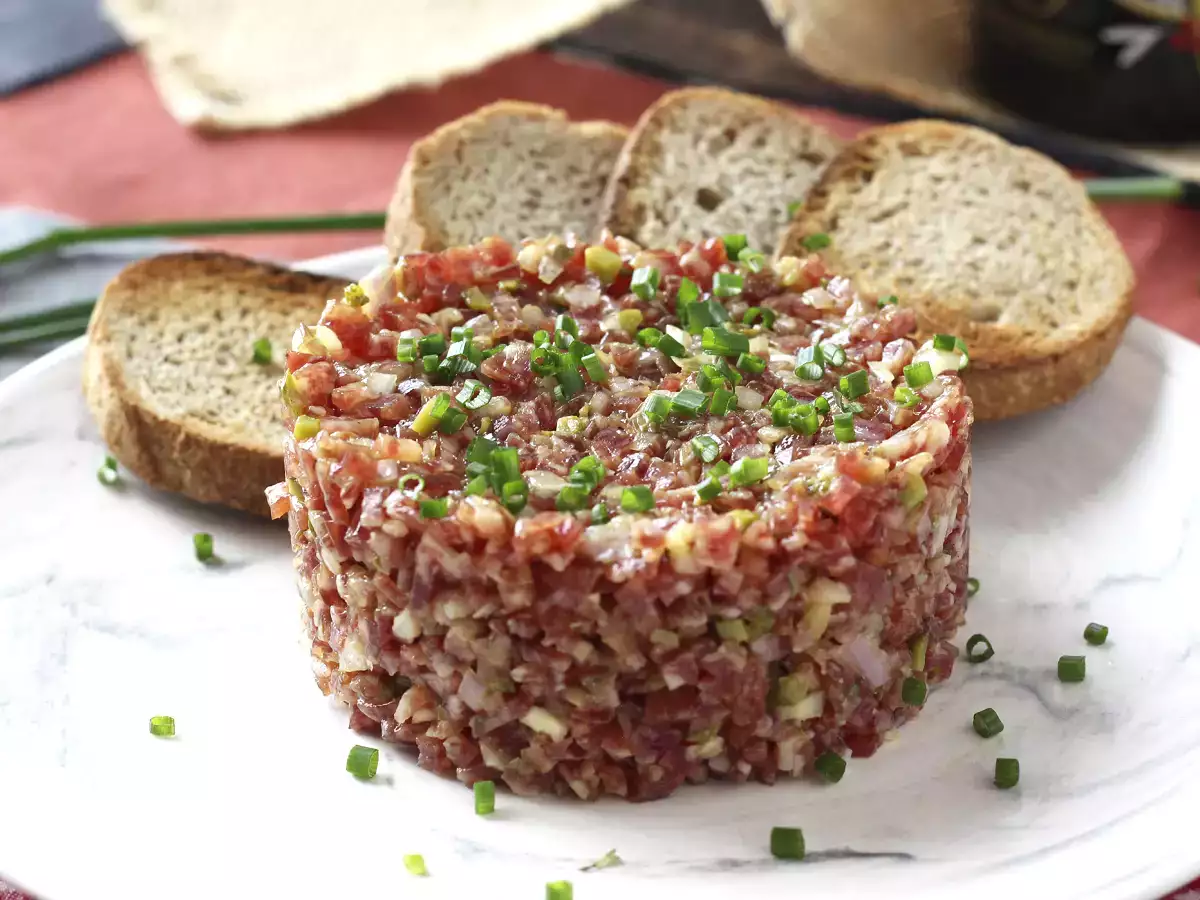
Fuet tartare is not a traditional dish, but it could be: it has the boldness of a bar snack , the elegance of a thoughtfully prepared starter and just the right irreverence of someone who dares to finely chop a traditional cured sausage and dress...
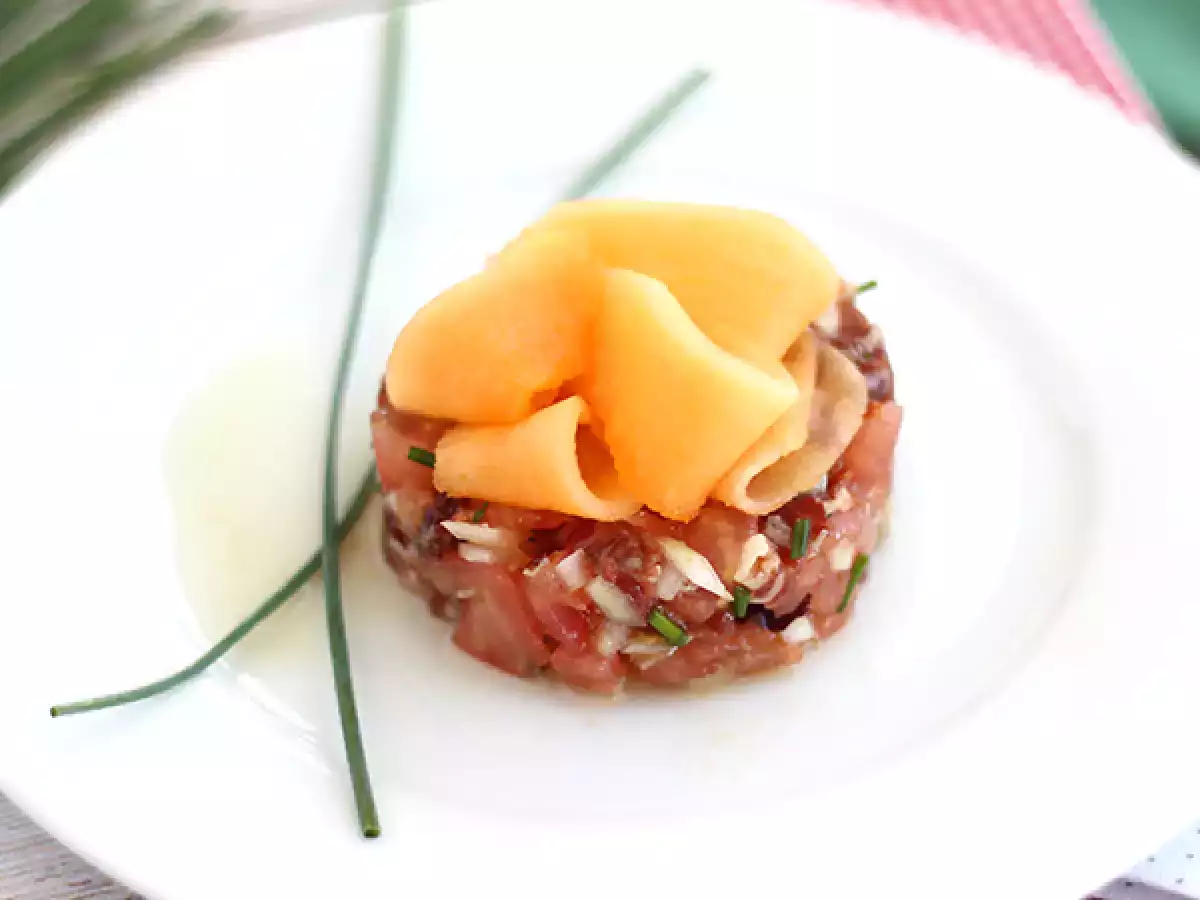
In the category of no-cook recipes, tartares stand out! The kind of fresh, quick recipe we all look for in summer :-) An appetizer made with prosciutto, melon, and tomato to change things up from traditional beef or fish tartares (salmon/tuna). A sweet...
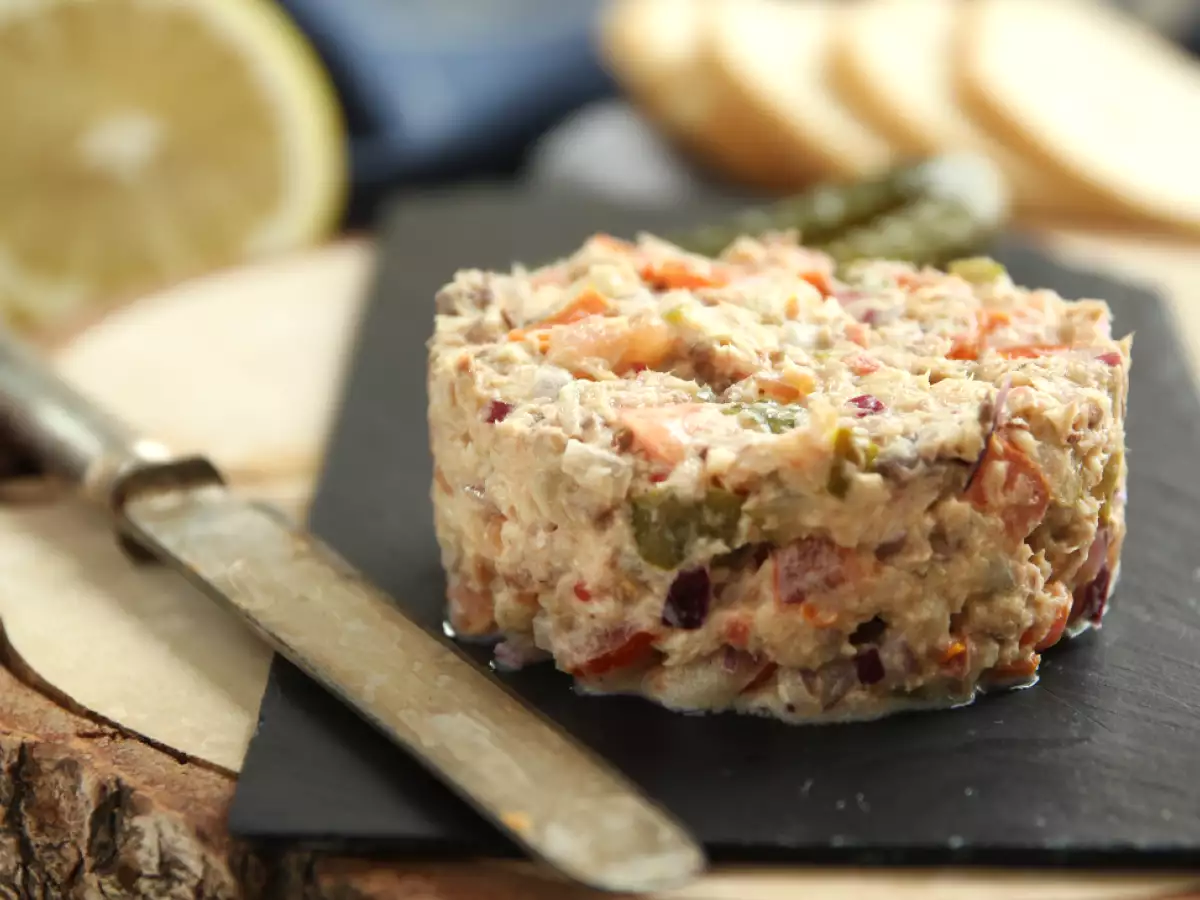
This sardine salad is not only super quick to make, but can also be prepared with ingredients that everyone has at home. It is a perfect appetizer for a snack with friends or any other type of celebration, as it can be served on crispy toast. An...
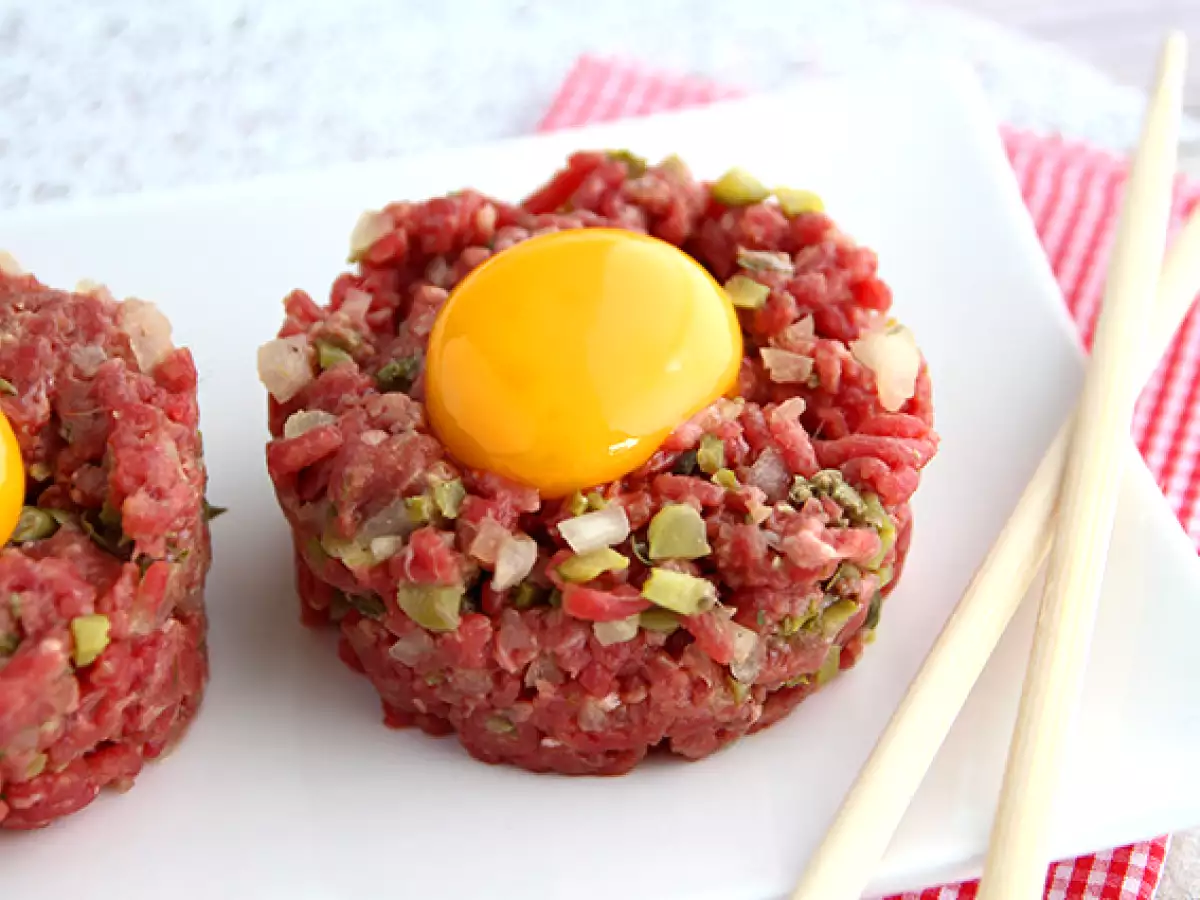
Often ordered at restaurants, you can now make your steak tartare at home! This ultra-easy and quick recipe requires no cooking time :-) It's an even better dish when homemade and served with crispy, fluffy baked fries. Follow our step-by-step written...
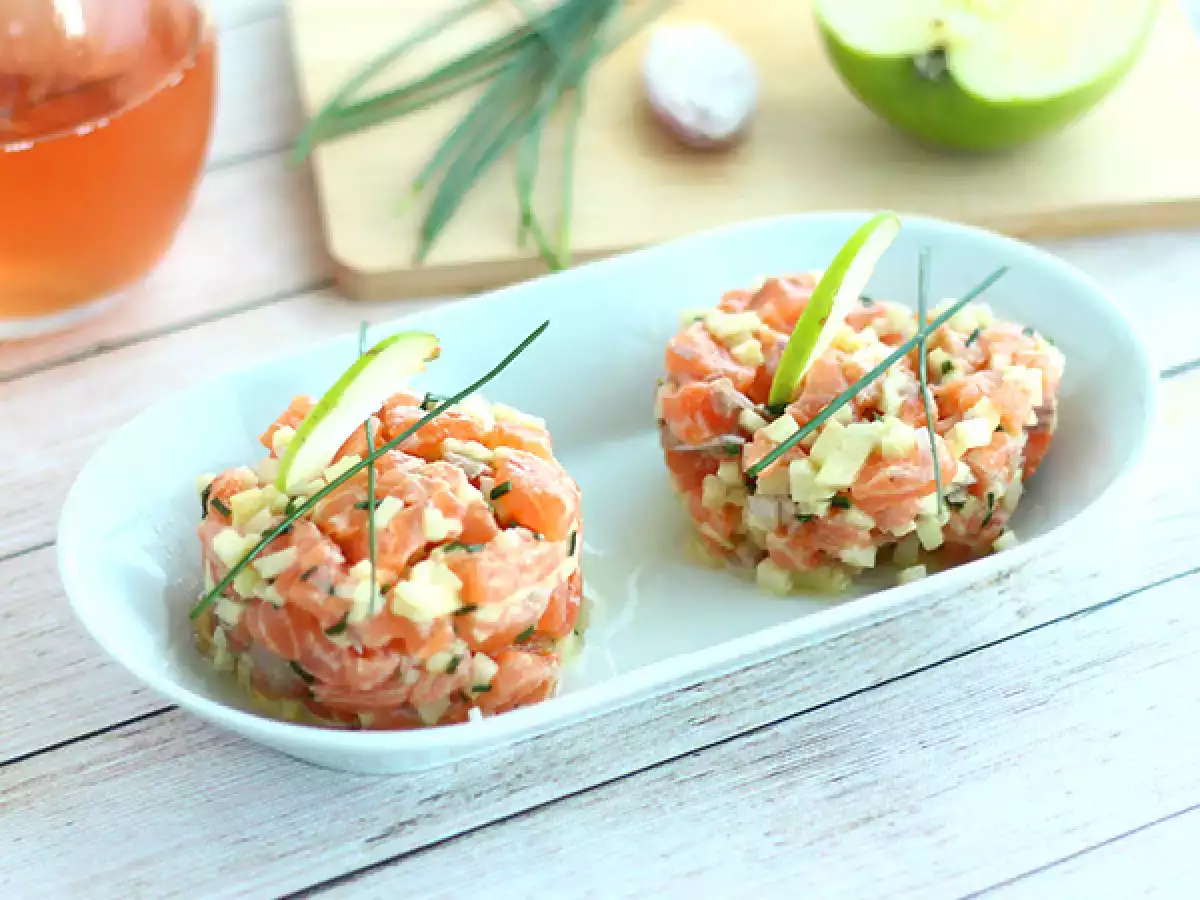
A no-cook recipe that never gets old, especially when it's easy to make! For your salmon and green apple tartare, all you need to do is chop the ingredients, mix them, and you're done! A fresh and quick recipe, perfect for summer when it's hot.
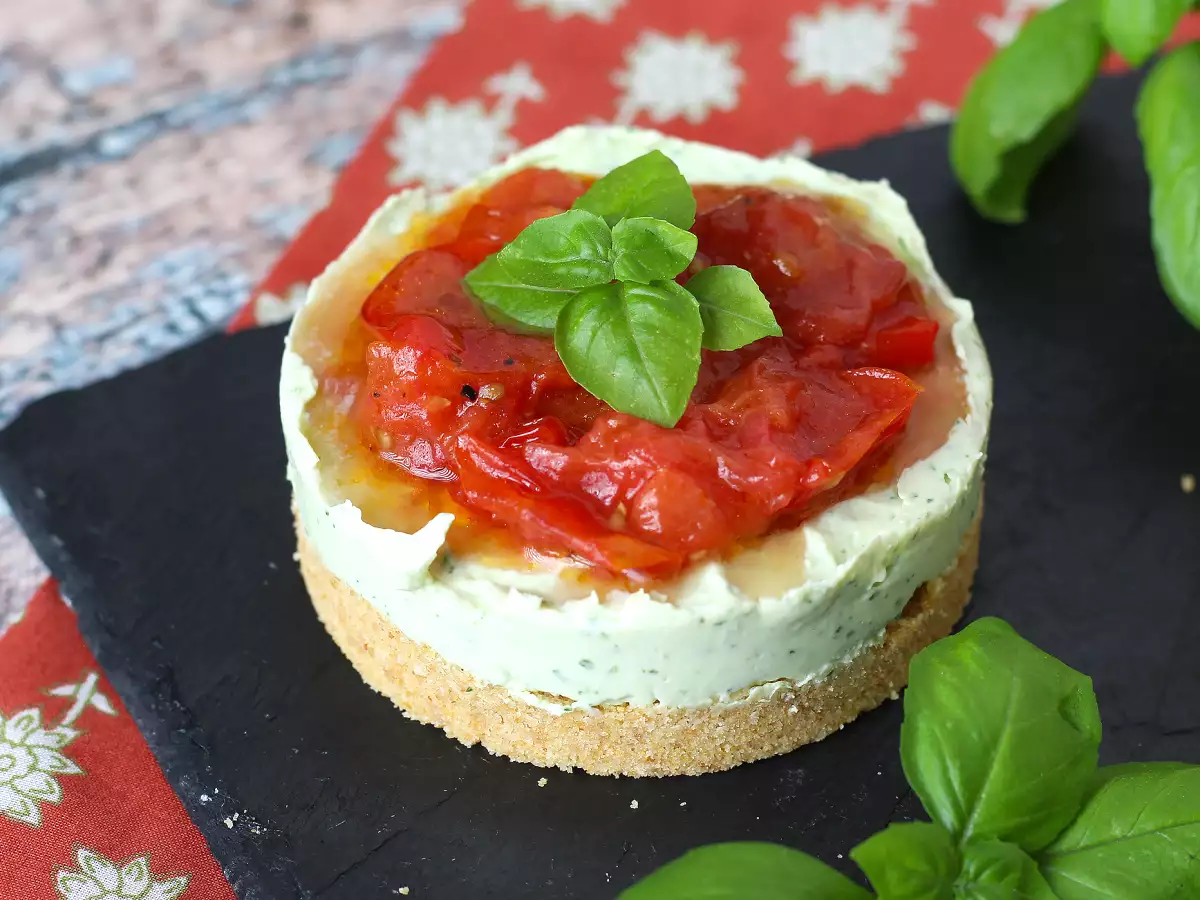
These single-serving savory cheesecakes with cherry tomatoes and basil are a tasty, versatile idea, perfect as a cold appetizer , summer finger food, or an option for a buffet . The crunchy cracker-and-butter base supports a velvety cream made...
Tricks for using a DIY plating ring
- Fill in two layers: add half the mixture, press gently with the back of a spoon, then add the second half.
- Smooth the top: level the surface before you remove the ring. That last millimeter is what makes it look “restaurant-style.”
- Unmold calmly: hold the ring with one hand and lift it straight up. If you feel resistance, rotate it just a few millimeters, like you’re carefully peeling off a sticker.
A few finishing tips
- Chilled plate: if you’re serving tartare or salad, pop the plate in the fridge for 10 minutes. It helps the shape hold a bit longer.
- Tiny bit of oil inside: if you’re not using plastic wrap, rub the inside of the ring with a very thin film of oil to help it release.
- Moderate height: super tall towers look great… right up until they collapse. Better to aim for 4–5 cm / 1½–2 inches and keep it clean.
- Minimal garnish: a small herb, a drizzle of sauce, a tiny pop of color. Not to hide flaws—just to make the plate look finished.
A 10/10 presentation (without buying anything)
A thoughtful, clean presentation is a big part of how a dish feels. And in that sense, an improvised ring made from a bottle isn’t a hack-job - it’s a creative solution to a minor problem.
The nice thing about these little tricks is that they’re not chasing perfection. They’re chasing timing. The goal is a plate that looks polished, appetizing, and stable for its minute of fame; a plate that makes it seem (at least a little bit) like you had everything under control all along.
And you, what other everyday trick has saved your plating at the last minute?
 Patricia González
Comments