Are beans and lentils enough for protein? Here's what you really get in a serving
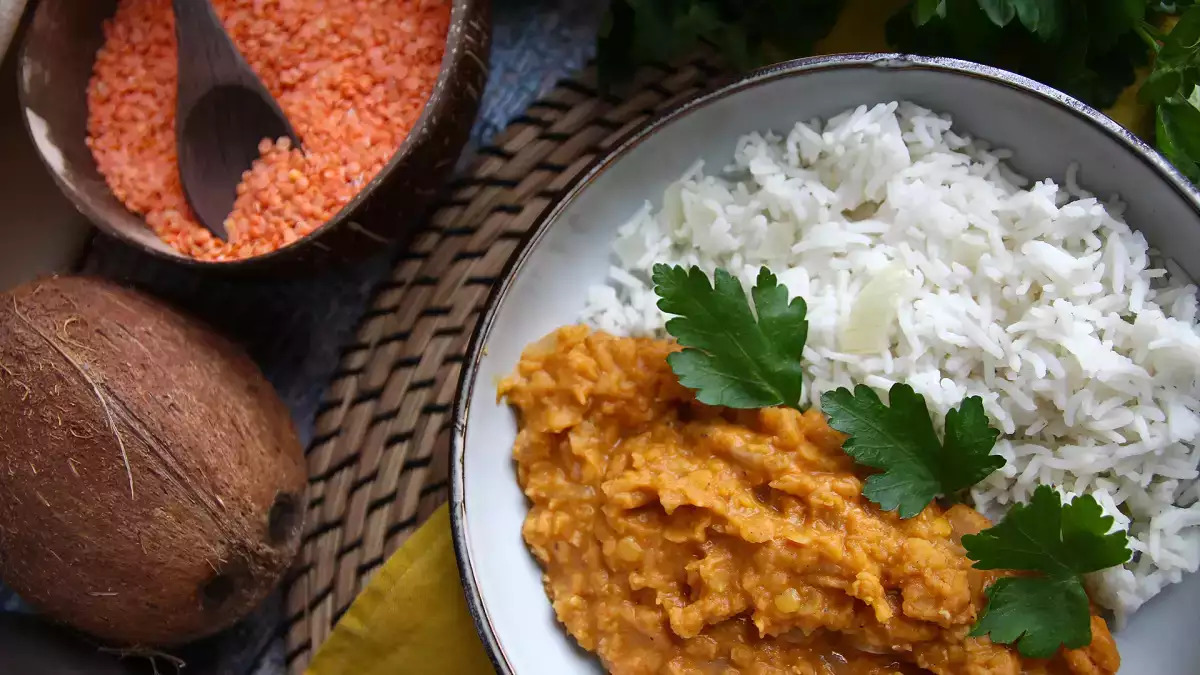
The good news is that legumes bring more than protein. They also provide fiber, complex carbohydrates and nutrients such as iron and folate. Understanding their protein content helps you build meals that feel satisfying without expecting a small side dish to do the work of an entire main course.
How much protein is in a serving of lentils or beans?
½ cup cooked lentils: about 9 g protein.
1 cup cooked lentils: about 18 g protein.
½ cup cooked black beans: about 7 g protein.
1 cup cooked black beans: about 14 g protein.
Other varieties, including kidney beans, white beans and chickpeas, also contribute meaningful protein, although exact amounts differ. These are approximate values, not promises for every brand or recipe. For canned beans, check the drained serving size on the label.
Why half a cup and a full cup tell different stories
Think about the entire plate. A vegetable soup with a few spoonfuls of beans is different from a hearty lentil stew or a bean burger served with whole grains and vegetables. The second kind of meal gives legumes a central role.
What beans offer besides protein
For context, 1 cup of cooked lentils contains roughly 15 g of fiber as well as about 18 g of protein. That combination is very different from getting protein alone from a supplement or isolated ingredient. It is one reason legumes work so well in soups, stews, curries and grain bowls.
Do you need to combine beans with rice to get complete protein?
Rice, whole-wheat bread, quinoa, nuts, seeds, tofu and other foods can all contribute to the overall protein in your diet. For a satisfying meal, pair legumes with vegetables and a grain or another complementary ingredient—but do it for flavor and balance, not because every meal needs a perfect formula.
Can lentils and beans replace meat at dinner?
Try a generous bowl of red lentil dal, a bean-based chili, a lentil taco filling or a chickpea curry. These dishes put legumes in the center rather than scattering a few over the top.
How to make bean and lentil meals more practical
To make these foods easier to digest, begin with smaller portions if you're not used to eating much fiber, increase gradually and drink enough water. Soak and thoroughly cook dried beans according to the package instructions; never eat undercooked kidney beans. Spices, aromatics, tomatoes and lemon juice can help make legume-heavy meals taste bright and satisfying.
A simple way to plan a protein-focused plant-based plate
For example, a bowl of lentil dal over rice offers a different nutritional balance from rice with just a spoonful of dal. Similarly, a bean burger built mostly from beans delivers a different protein contribution from a vegetable burger with only a small amount of legumes. Read the recipe and consider the actual portion you will eat.
Bean and lentil recipes to make them the star of dinner
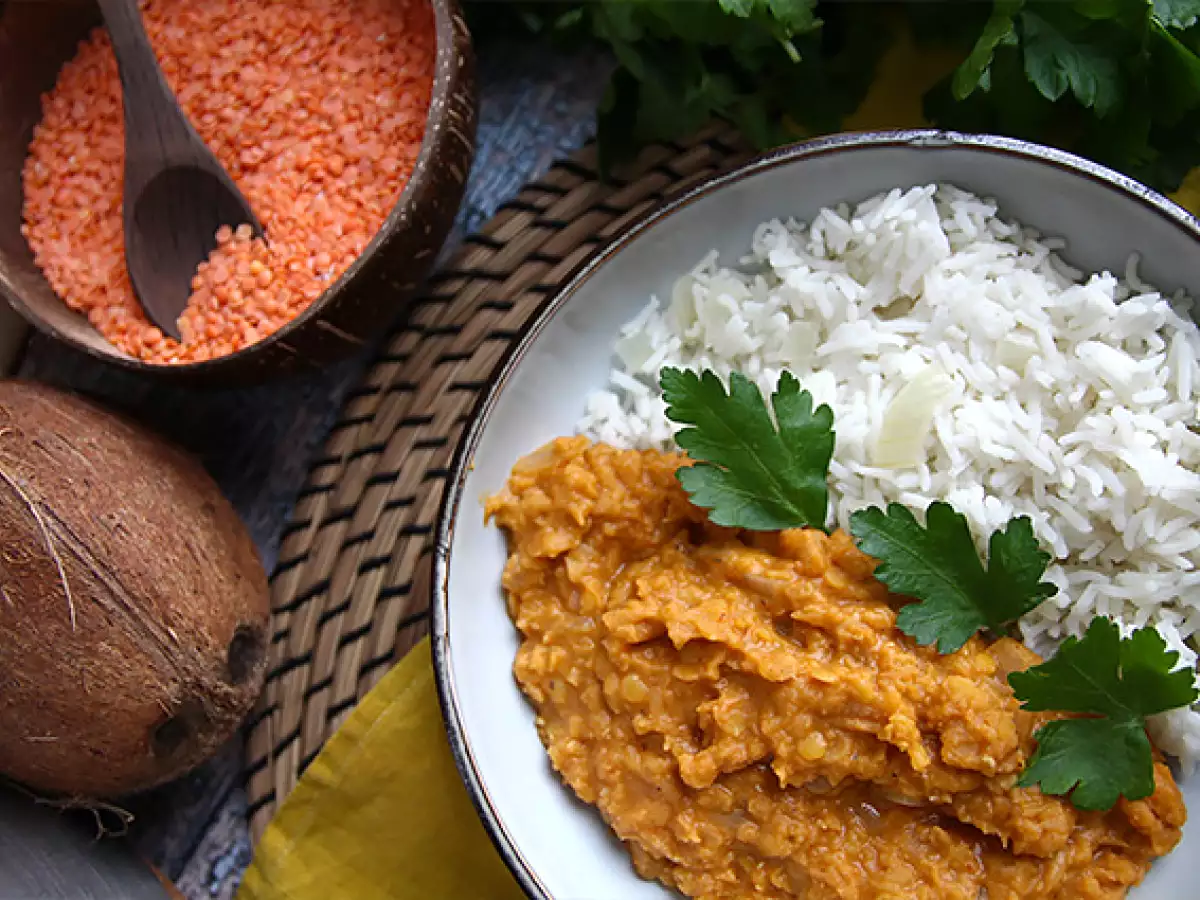
In the category of comforting and original recipes, we love this red lentil dahl! Not only does it introduce this legume to the whole family, but this dish is also vegetarian. A great way to diversify your menus while enjoying yourself :-) Flavored...
For a meat-free lentil taco dinner:
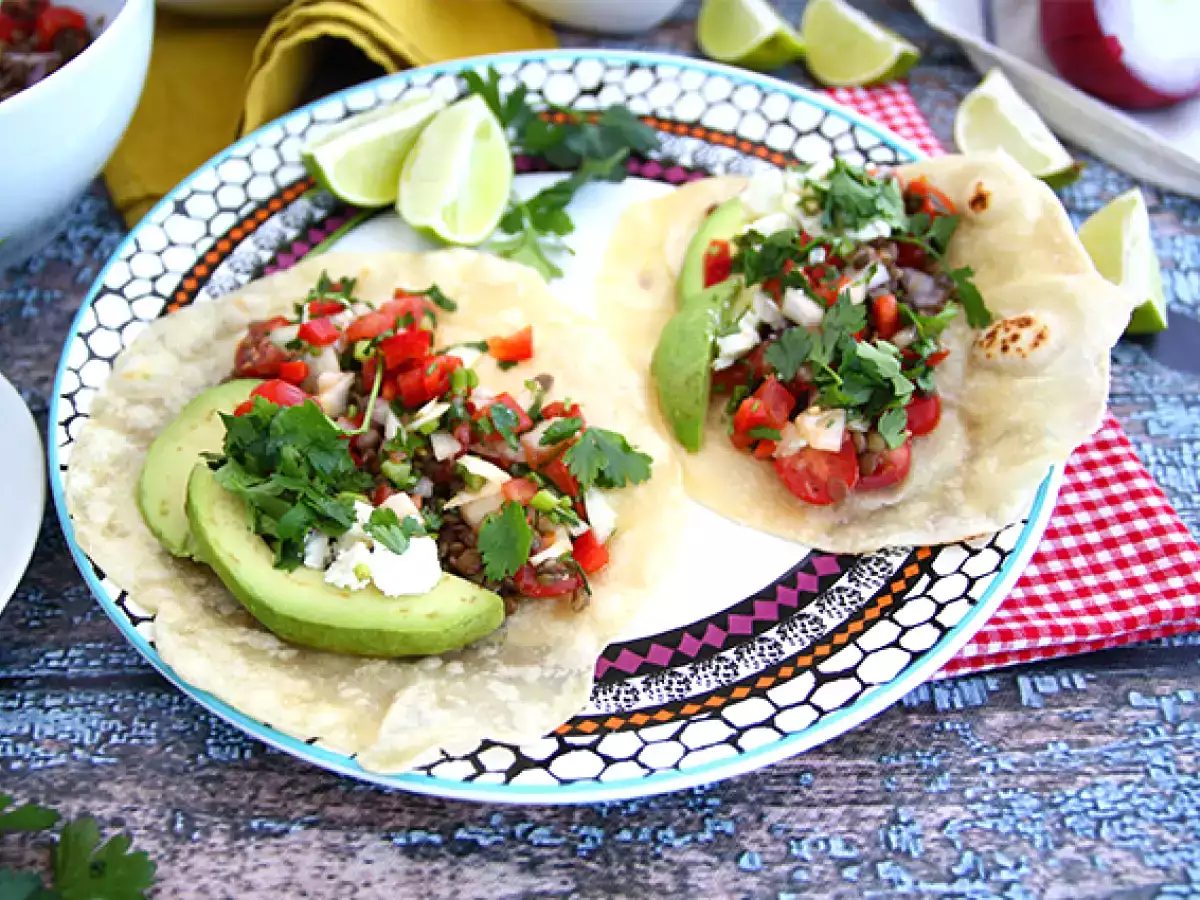
For a fresh and colorful meal, try our tacos! Homemade wheat tortillas to fill as you like ;-) Here we suggest a vegetarian filling packed with flavor. The ideal meal (to enjoy with your fingers, of course!) for a night in front of the TV or dinner...
For a bean-based burger:

What if we turned our burger into a vegetarian version? Don't worry, you can still enjoy a great patty, but without a trace of meat in it ;-) Find out more below ↓
For a comforting chickpea curry where legumes are the main ingredient:
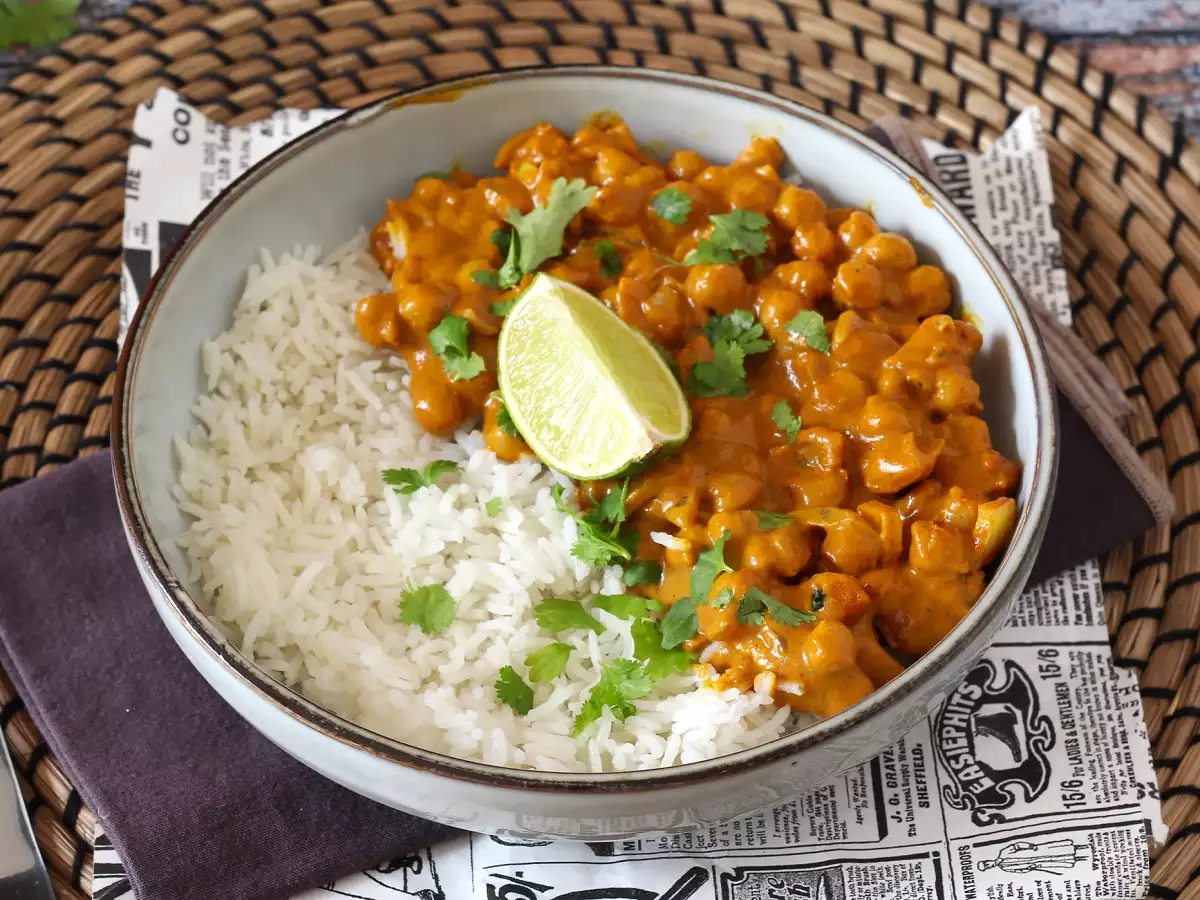
When it comes to comfort food , we're always happy to make room for chickpea curry ! Served with rice, this fragrant dish will take your taste buds on a journey and warm you up :-) Think we're exaggerating? Give it a try and you'll soon be won over...
For a filling chickpea and spinach soup:
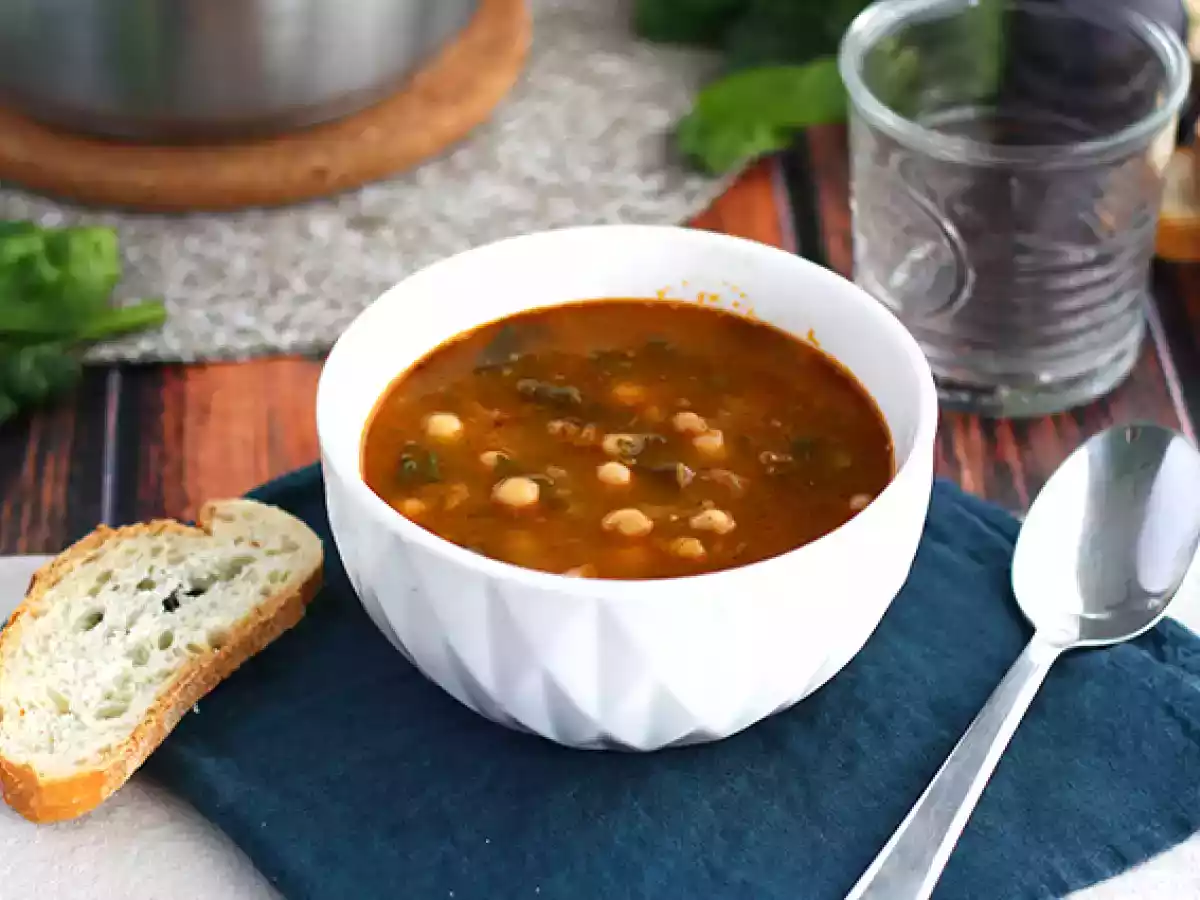
For an easy-to-make recipe that warms you up on chilly days, choose this soup! With the addition of chickpeas and spinach, it will be hearty and balanced while still being simple! A great tip for getting kids (or adults ;-) ) to eat their veggies!
For a satisfying pasta-and-bean meal:

A traditional peasant recipe : pasta and beans is an inexpensive, comforting, creamy first course that’s perfect to prepare in autumn and winter. To make creamy pasta and beans , you’ll need just one pot, because the pasta cooks directly in...
 Juliette Hess
I love travelling and discovering new dishes, trying out new food trends and exploring new restaurants.
I’m a huge fan of pasta and noodles in all their forms ❤ from udon noodles to tagliatelle, I love cooking them and even making them from scratch!
I’m currently preparing, filming and photographing your next recipe, and I hope you’ll enjoy it!
Comments