How much protein and fibre do lentils, beans, chickpeas and edamame actually give per portion?
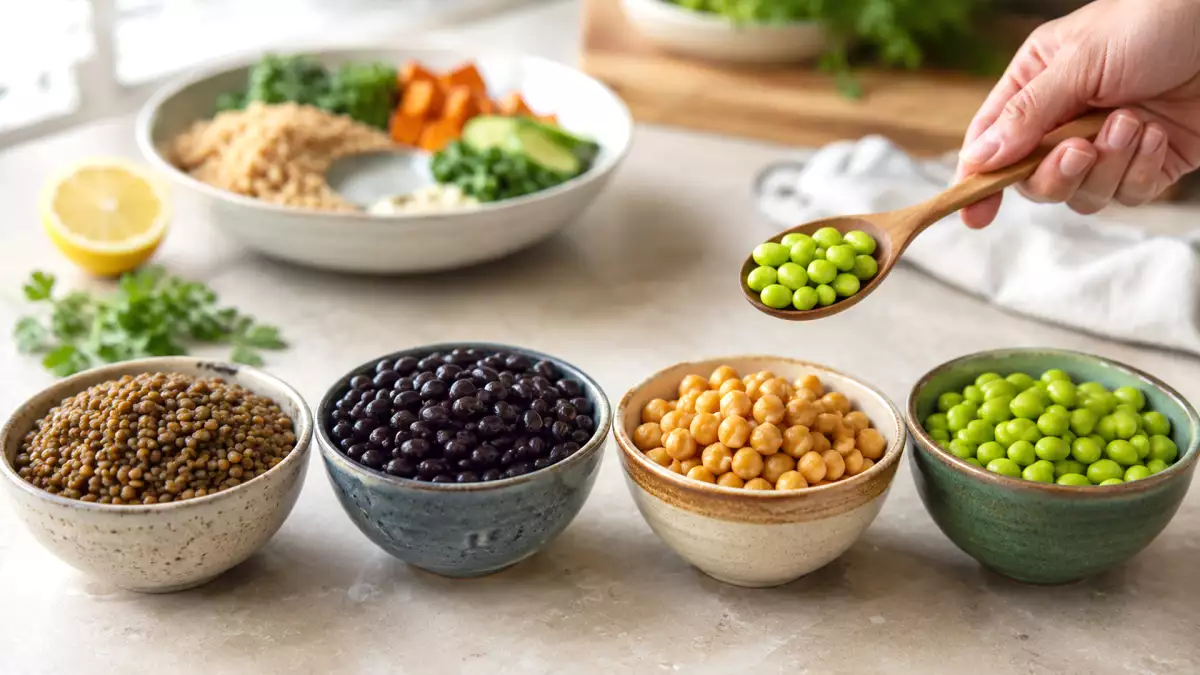
The quick comparison
That means none of them is a weak choice. If you want the most protein in this group, edamame usually wins. If you want fibre, beans and lentils are excellent. If you want something creamy, versatile and easy to toss into almost anything, chickpeas are hard to beat.
Think of them as a team rather than rivals. Your best option is often to rotate them through the week.
Lentils: small, fast and surprisingly powerful
Lentils are the busy cook’s best friend. They cook faster than many dried beans, they do not usually need soaking, and they work in soups, dahls, salads, stews, bolognese-style sauces and grain bowls. Nutritionally, cooked lentils are impressive: about 9g of protein and nearly 8g of fibre per 100g.
Their texture depends on the type. Red lentils soften and collapse, which makes them perfect for creamy soups and curries. Green and brown lentils hold their shape better, making them ideal for salads or meal-prep bowls. Black lentils are firm, elegant and very good at pretending the weeknight dinner took more effort than it did.
Lentils are also easy to season. They love garlic, cumin, lemon, herbs, tomato, coconut milk, mustard, vinegar and roasted vegetables. If you are trying to add more pulses without overthinking it, start with lentils.
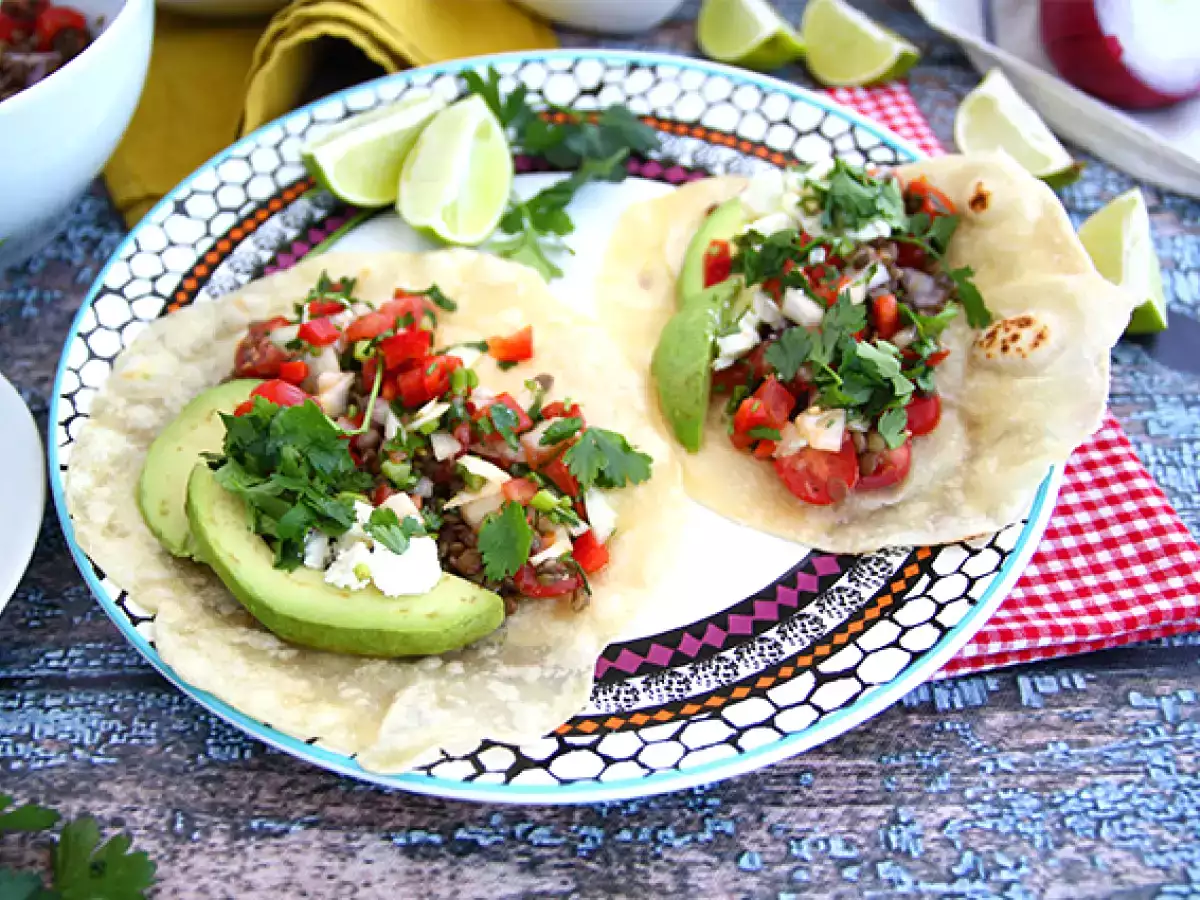
For a fresh and colorful meal, try our tacos! Homemade wheat tortillas to fill as you like ;-) Here we suggest a vegetarian filling packed with flavor. The ideal meal (to enjoy with your fingers, of course!) for a night in front of the TV or dinner...
Beans: fibre heroes with comfort-food energy
Beans are the cosy overachievers of the pulse world. Black beans, kidney beans, cannellini beans, pinto beans and haricot beans all bring protein and fibre, but their real superpower is how satisfying they make meals feel. Cooked black beans, for example, provide about 8.9g protein and around 8.3g fibre per 100g.
That fibre number matters because beans can turn a simple meal into something much more filling. Add them to chilli, soups, tacos, salads, rice bowls, pasta, dips or baked dishes and suddenly the meal has more texture, more body and more staying power.
Canned beans are a brilliant shortcut. Rinse them if you want to reduce some of the saltiness and improve the flavour, then add them near the end of cooking so they do not become mushy. Convenient, filling and budget-friendly is a very good combination.
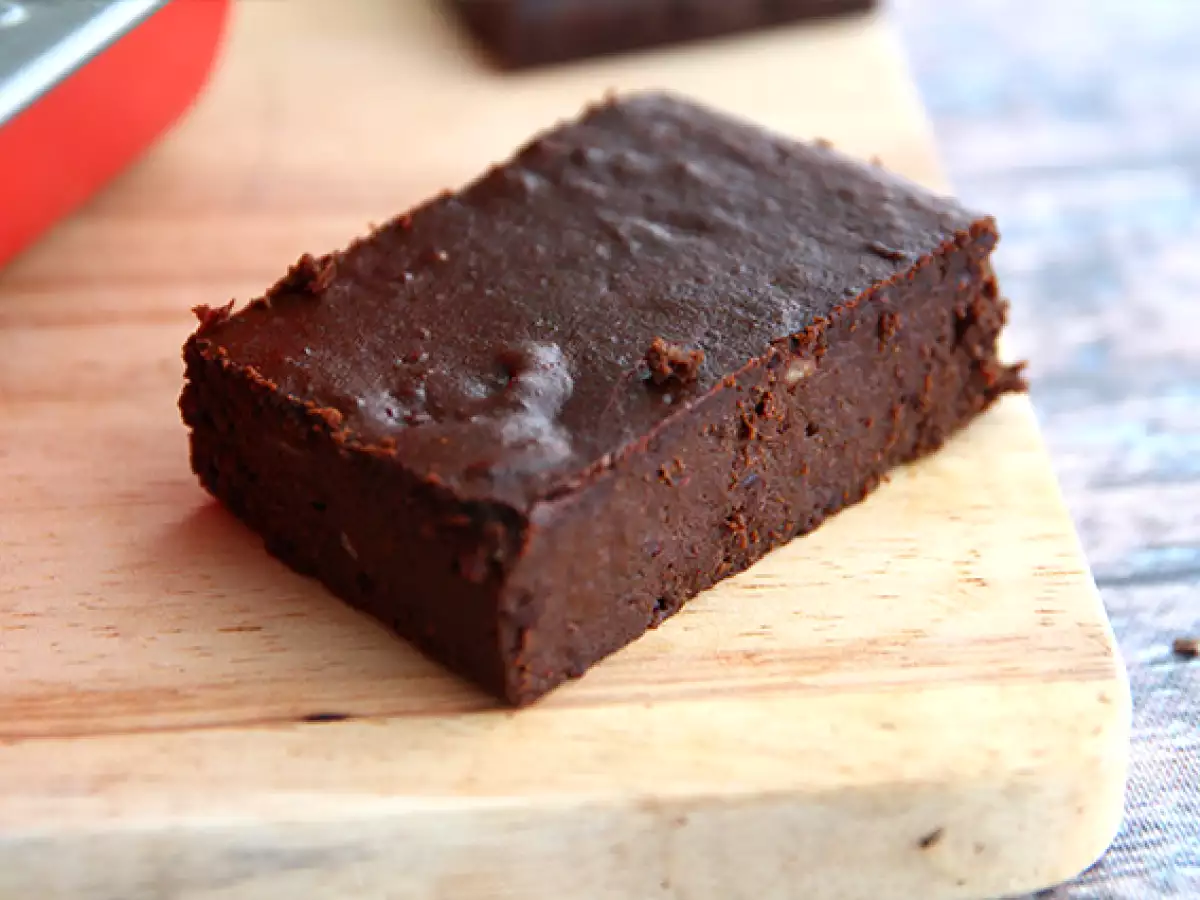
For a high-protein and healthy dessert, choose this chocolate fondant with red beans! Indeed, beans are packed with plant-based protein! Whether you're an athlete or not, feel free to use them in your pre-workout snacks or afternoon treats. Rest...
Chickpeas: the all-rounder everyone likes
Chickpeas are popular for a reason. They are mild, nutty, creamy and sturdy enough to work in both hot and cold meals. Per 100g cooked, they provide around 8.9g protein and 7.6g fibre, which makes them a strong all-round choice.
They can be blended into hummus, roasted until crisp, tossed into salads, stirred into curries, added to traybakes or mashed into sandwich fillings. They are also friendly to bold flavours: lemon, tahini, paprika, cumin, garlic, parsley, tomato, olive oil and chilli all love chickpeas.
If you are trying to eat more plant-based meals, chickpeas are one of the easiest ingredients to keep around. A tin can become lunch in five minutes, and a tray of roasted chickpeas can turn soup or salad into something much more exciting.
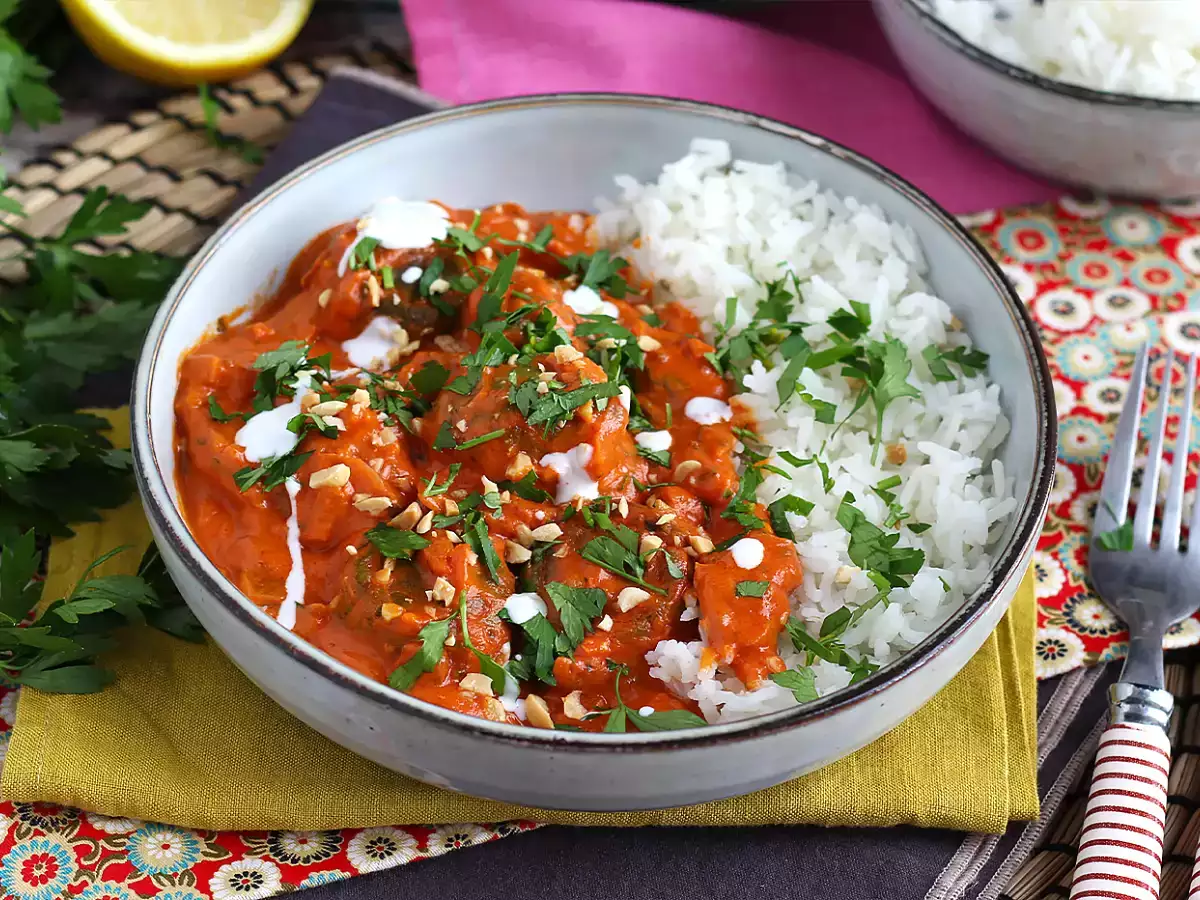
Today we’re bringing you a vegan version of one of India’s most popular dishes: Malai Kofta (meatballs in sauce). Since we sometimes struggle to eat legumes, at Petitchef we try to cook them in every way possible. These chickpea and spinach balls,...
Edamame: the protein winner of the group
Edamame are young soybeans, often sold frozen and already shelled or still in their pods. Compared with lentils, beans and chickpeas, they usually provide more protein per 100g. Prepared frozen edamame offers about 11.9g protein and 5.2g fibre per 100g.
That makes edamame especially useful when you want a quick plant-protein boost without opening a can or simmering a pot. Add the beans to noodle bowls, rice bowls, salads, omelettes, stir-fries or snack plates. They are also great simply warmed and sprinkled with a little salt, chilli or sesame.
Because edamame is soybean-based, it has a slightly different nutritional profile from many other pulses. It is still cheerful, practical and freezer-friendly, which is why it deserves a regular place in the kitchen.
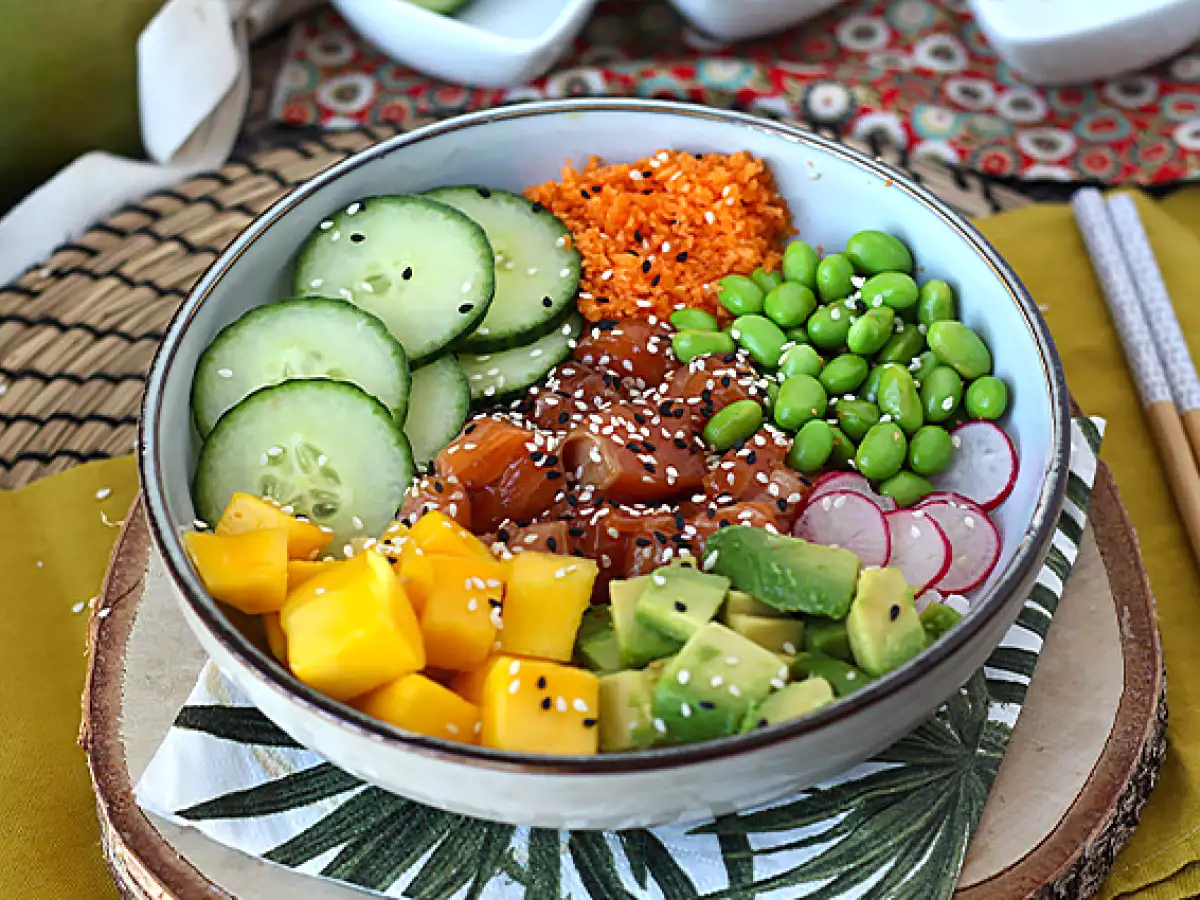
Travel to Hawaii with this colorful and fresh salmon poke bowl! An easy and balanced dish that will brighten your day. Here, we present a marinated salmon version accompanied by mango pieces for an exotic and sweet touch. Try our recipe with...
So which one should you choose?
Of course, real meals do not need to follow a spreadsheet. You can mix them. Lentils and beans make a great chilli. Chickpeas and edamame work well together in salads. Beans can bulk out soups, while lentils thicken sauces. The best pulse is often the one you will actually eat regularly.
From a practical point of view, keeping a mix of canned beans, canned chickpeas, dried lentils and frozen edamame gives you a very flexible protein-and-fibre toolkit.
How much should you serve?
For example, a 150g portion of cooked lentils can provide roughly 13.5g of protein and almost 12g of fibre. A 150g portion of edamame can provide close to 18g of protein. That is why these foods are so useful in vegetarian, flexitarian and budget-conscious meals.
If you are not used to eating much fibre, increase portions gradually. Your digestive system may appreciate a gentle introduction rather than a sudden heroic mountain of beans.
How to make pulses easier to digest
Herbs and spices can make pulse-based meals more enjoyable too. Try ginger, cumin, fennel, bay leaves, coriander, turmeric, garlic, lemon and fresh herbs. Texture also helps: pair soft lentils with crunchy seeds, creamy chickpeas with crisp vegetables, or edamame with noodles and a bright dressing.
The point is not to force yourself through a bowl of plain beans. The point is to make them taste good enough that they become part of your normal cooking.
Easy ways to add more protein and fibre
You can also use pulses to stretch meat dishes. Add lentils to mince, beans to tacos, chickpeas to chicken stews or edamame to noodle bowls. You get more fibre, more volume and often a lower cost per portion. That is not boring health food; that is clever cooking.
The takeaway
The happiest approach is variety. Use lentils for quick comfort, beans for hearty fibre, chickpeas for creamy versatility and edamame for a freezer-friendly protein boost. Add flavour, keep portions realistic and let these humble ingredients do what they do best: make meals more filling, more nutritious and much more satisfying.
Pantry staples? Absolutely. Quiet nutritional heroes? Even more so.
 Juliette Hess
I love travelling and discovering new dishes, trying out new food trends and exploring new restaurants.
I’m a huge fan of pasta and noodles in all their forms ❤ from udon noodles to tagliatelle, I love cooking them and even making them from scratch!
I’m currently preparing, filming and photographing your next recipe, and I hope you’ll enjoy it!
Comments