Do you really have to wash chicken before cooking it? The truth that mom and grandma never told you
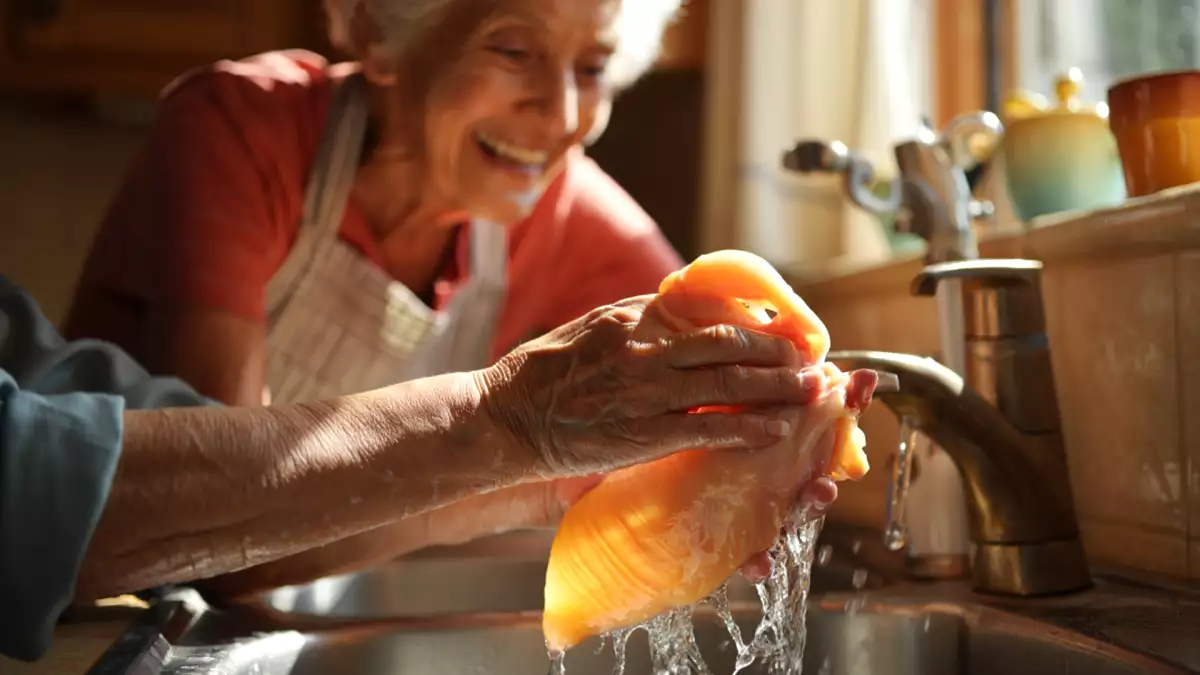
There are gestures in the kitchen that you learn without even realizing it. For me, one of them has always been washing the chicken before cooking it. I remember my mother doing it naturally, and before that my grandmother, with that confidence that left no room for doubt. It was simply "the right thing to do."
For years I continued like that, no questions asked. Then, as I delved deeper into the topic of food safety, I discovered something that completely changed my perspective. And no, it is not one of those trivial pieces of information that you find everywhere.
Why did mother and grandmother always wash the chicken?
If we go back a few decades, the choice made definite sense. Meat was not processed and packaged as it is today, and often had visible residues. Washing it was a way to feel more comfortable and ensure a "cleaner" preparation.
It was a gesture related to the context of the time, the availability of food and also the domestic culture. It was not wrong at all, it was simply appropriate for another reality. Today, however, things have changed. And continuing to do the same gesture without adapting it to new knowledge can lead us astray.
What are the experts really saying today?
Here comes the part that surprises many.
Organizations such as the Ministry of Health, the British Food Standards Agency and the U.S. CDC are very clear on this point: raw chicken should not be washed.
Water does not eliminate the bacteria on the meat. On the contrary, it can help spread them in the kitchen environment. We are talking about microorganisms such as Salmonella and Campylobacter, among the main causes of food infections.
When chicken is placed under running water, tiny droplets can reach surfaces, utensils and other foods. Even if they cannot be seen, they can contaminate everything nearby.
The real method of making chicken safe
What really makes a difference is cooking. Heat is the only element that can eliminate bacteria effectively. No intermediate step with water is needed.
For safe preparation, it is important to:
- cook the chicken until it reaches at least 167°F/75°C at the core
- check that the meat is no longer pink inside
- check that the juices turn out clear
These are simple, but essential steps to bring a safe dish to the table.
How to replace this habit without disrupting everything
This is not to disown what we have learned as a family, but to do a little updating. When I prepare chicken today, I skip the water step completely. I blot it with paper towels if necessary, then focus on cleaning my hands and utensils.
Here are some good practices that I always use:
- wash hands thoroughly after touching raw chicken
- clean knives and cutting boards immediately after use
- avoid contact between raw chicken and other foods
- use dedicated surfaces whenever possible
These are small gestures that, overall, really improve safety in the kitchen.
The taste changes if you don't wash the chicken
One of the most frequently asked questions is about taste.
The answer is simple: nothing changes. The taste of chicken depends on completely different factors, such as the quality of the meat, marinating and cooking method. Eliminating the washing does not affect the final result in the dish. On the contrary, it allows you to focus on what really matters to achieve a good dish.
Ideas and recipes for cooking chicken at its best
Now that this doubt has been cleared up, it is time to move on to the more practical part. Chicken remains one of the most versatile ingredients in the kitchen, perfect for simple dishes but also for more elaborate preparations. With the right techniques it can really become a protagonist.
Below you can discover a selection of recipes and ideas for cooking it at its best, valuing both tradition and the most up-to-date tips.
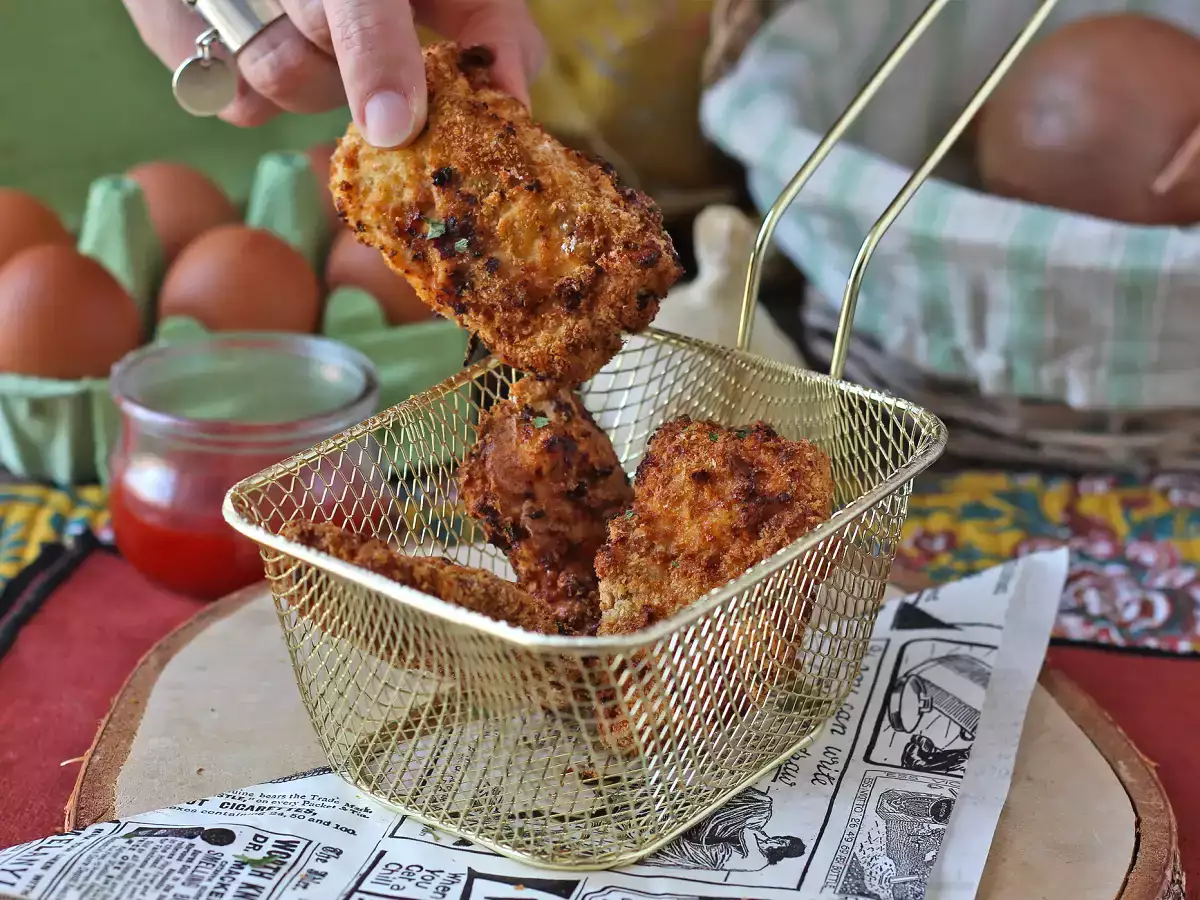
You know that breaded chicken cooked in the air fryer that's crispy on the outside and super juicy on the inside? Well, we made it, and it turned out perfectly! No deep-frying, no mess, and ready in no time: in less than 20 minutes, you'll have...
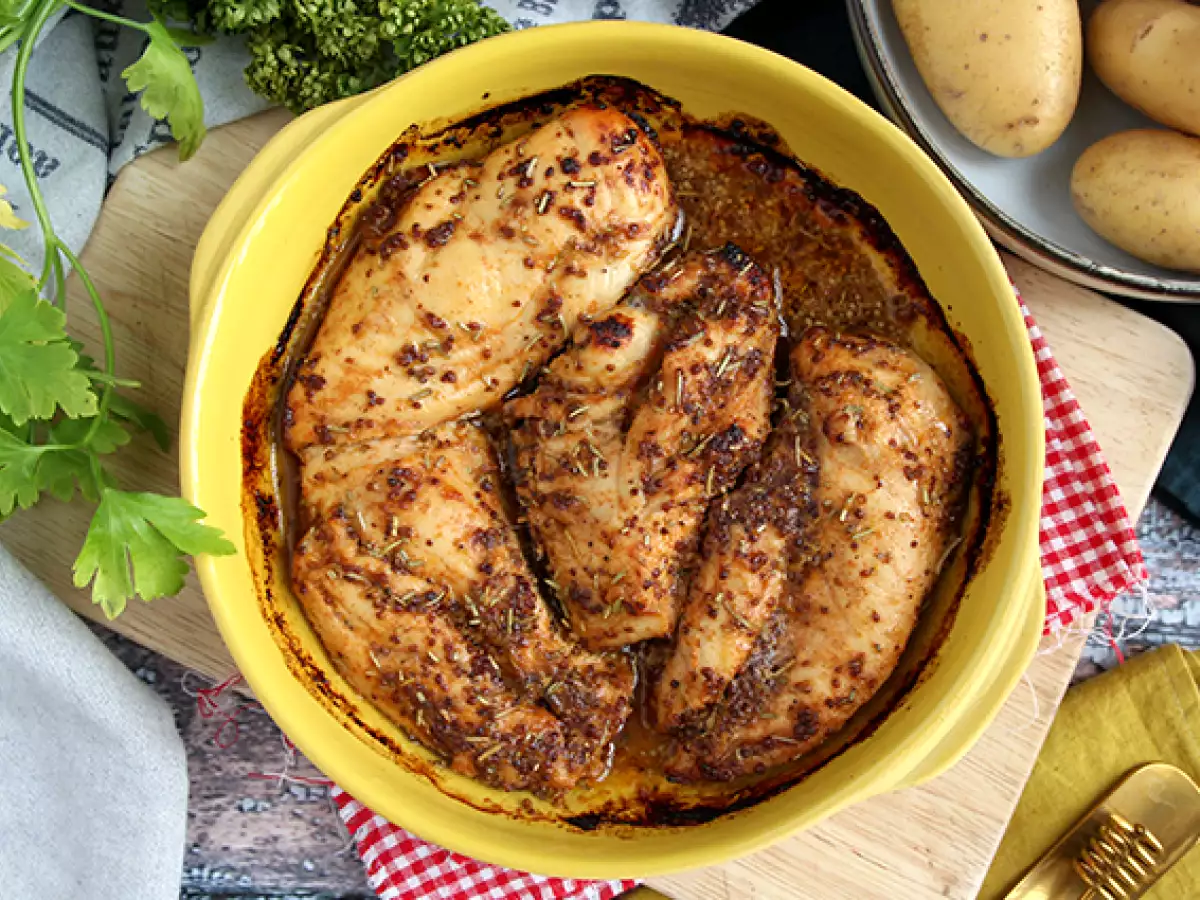
This is one of those easy, quick, and delicious recipes you can make without even making a mess in the kitchen. You can add as many chicken breasts as you need, depending on how many people you’re serving :) You’ll love these chicken breasts with their...
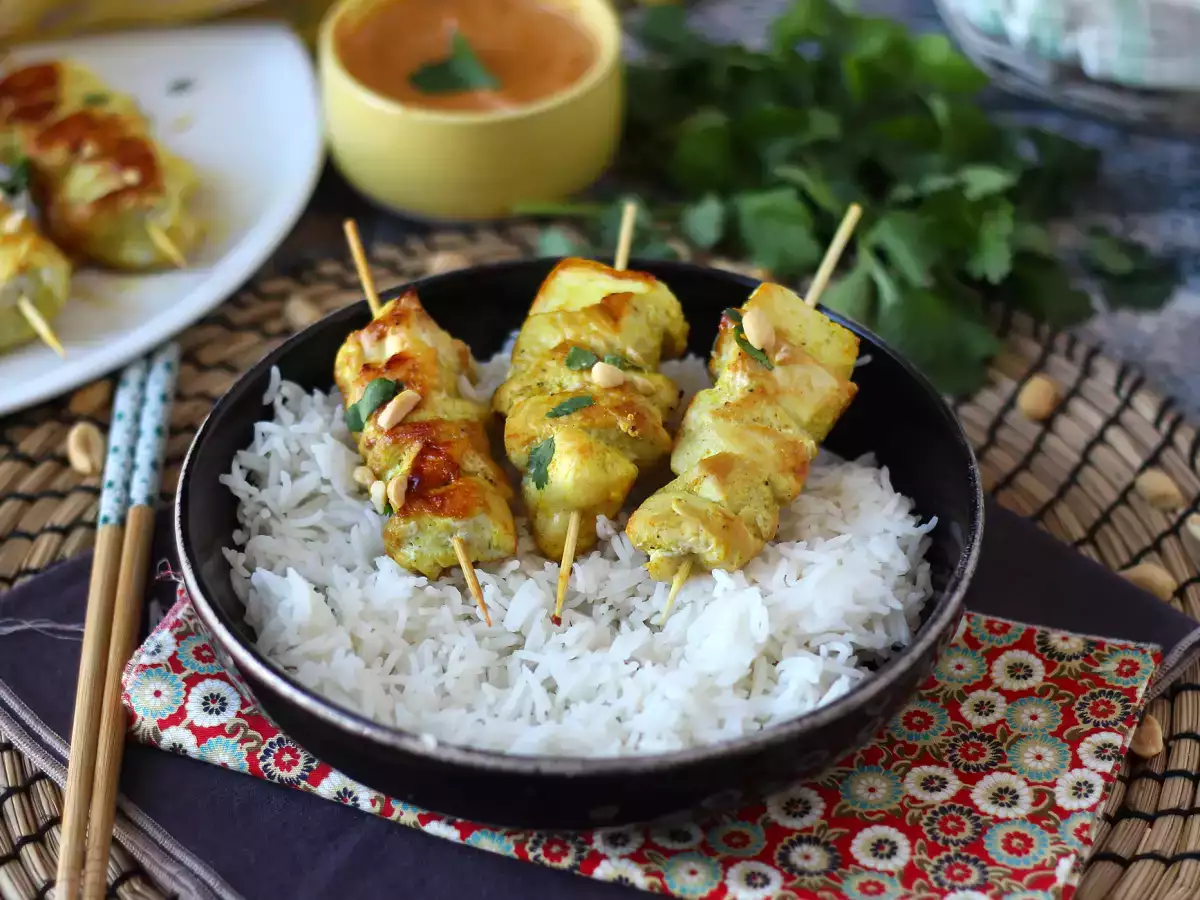
Ready to travel without leaving your kitchen? These chicken skewers with satay sauce are just what you need! Tender chicken, marinated in a blend of spices that makes your mouth water just thinking about it, then grilled to perfection :) And...
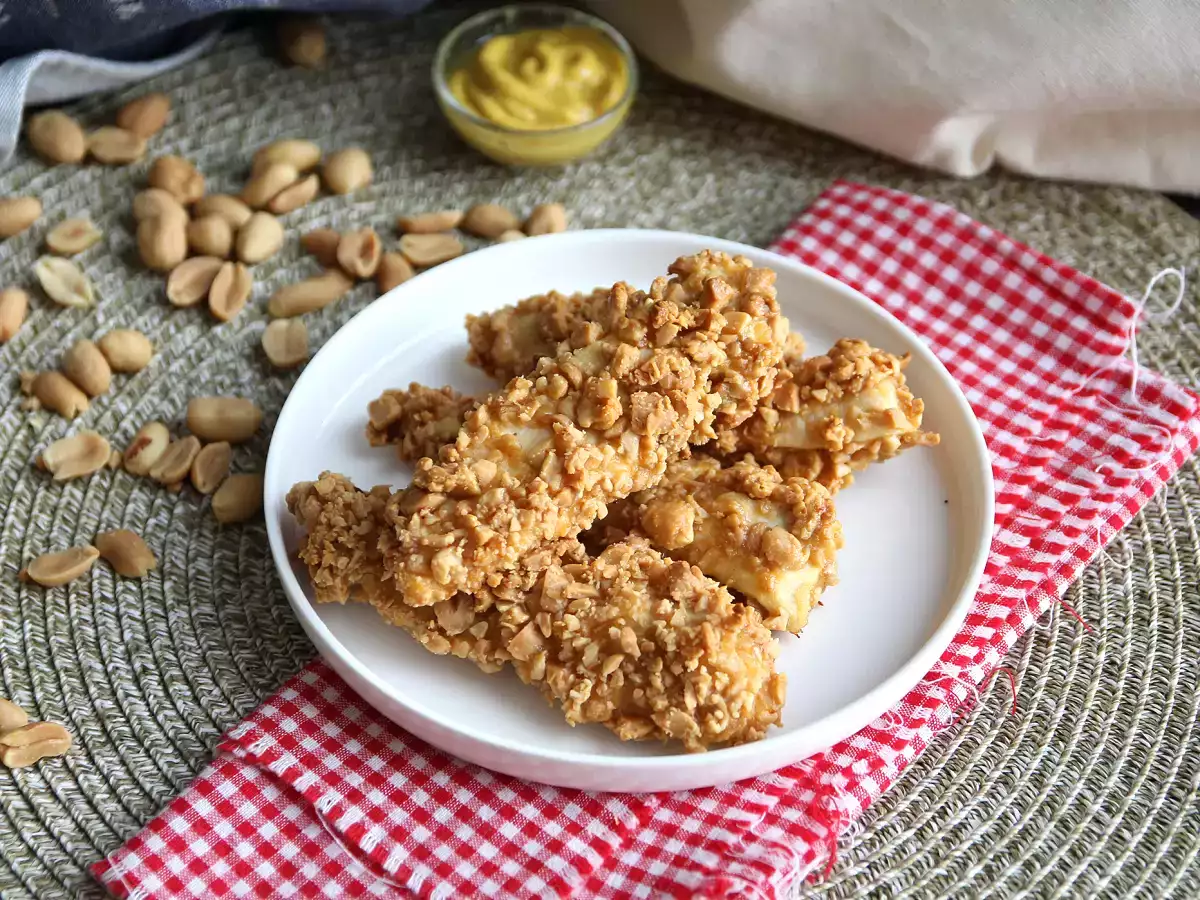
Replace your usual breadcrumb coating with... crushed peanuts! It’s a great way to add extra flavor to your baked chicken (yum!). Eat it with your fingers, of course, and serve it with a barbecue, mustard, or ketchup-style sauce for pure enjoyment ;-)...
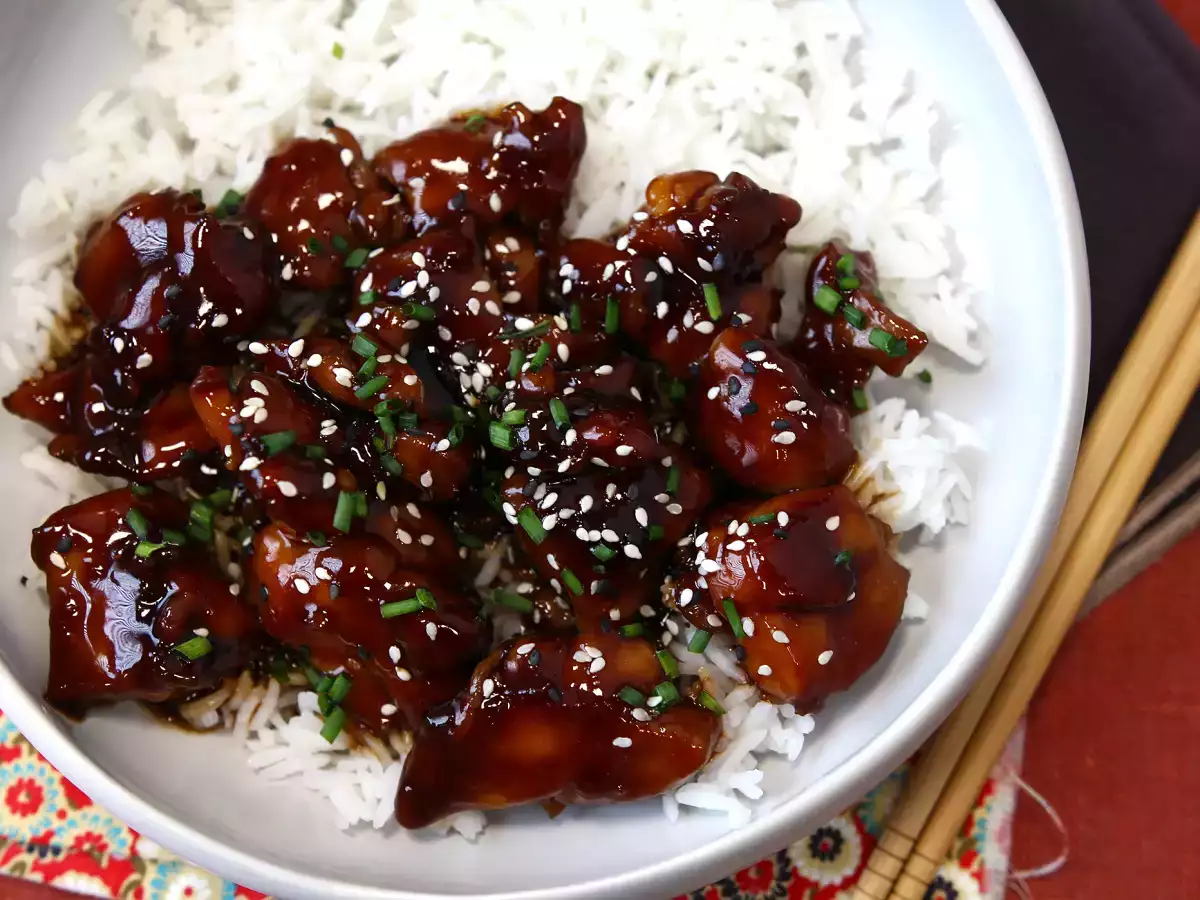
To make your chicken even more irresistible at lunchtime, dress it up with teriyaki sauce ! This clever sweet-and-savory blend will leave you wanting more. For a side, simply opt for rice and/or a handful of sautéed vegetables to ensure you have a...
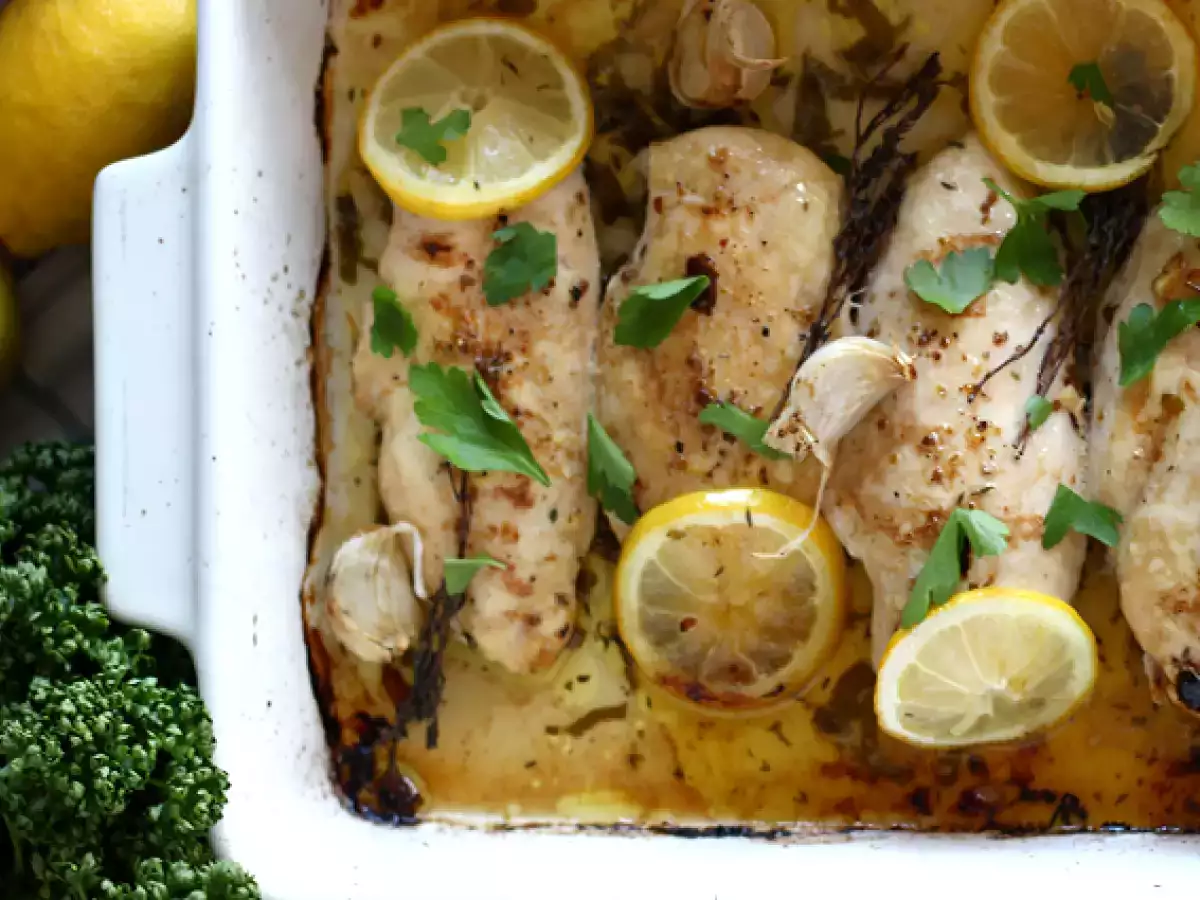
This is a very simple, quick, and convenient recipe for a family meal. It takes no time to prepare, and it cooks in the oven without making a mess in the kitchen. Your meal will be ready in half an hour! You can serve these lemon chicken breasts with...
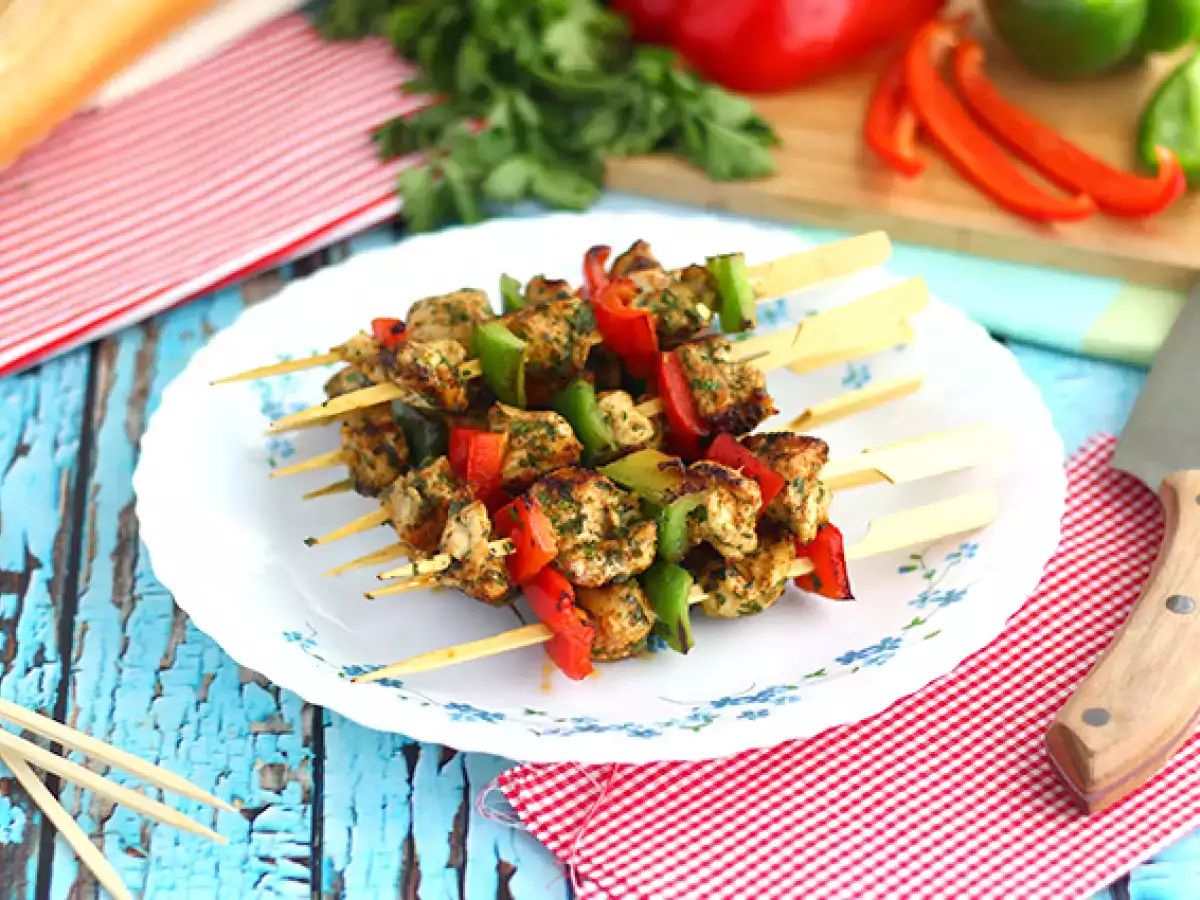
For an easy recipe that smells like summer, prepare these chicken skewers with bell peppers! In a "mini" version, they'll fit perfectly on your plate and are also great as appetizers :-) A flavorful recipe to eat with your fingers, of course! Follow...
The act I stopped doing (and why you should too)
Washing chicken is a habit from a different context, handed down over time and becoming almost automatic. Today, however, we know that it is not necessary and can be avoided without any risk, indeed with greater safety. Updating this small gesture means improving the way we cook every day.
And perhaps the most authentic way to respect what mother and grandmother taught us is just that: to continue cooking with the same care, but with an extra awareness.
 Daniele Mainieri
Comments