How a pinch of salt, a squeeze of lemon, or a dash of spices unlocks summer fruits' flavor
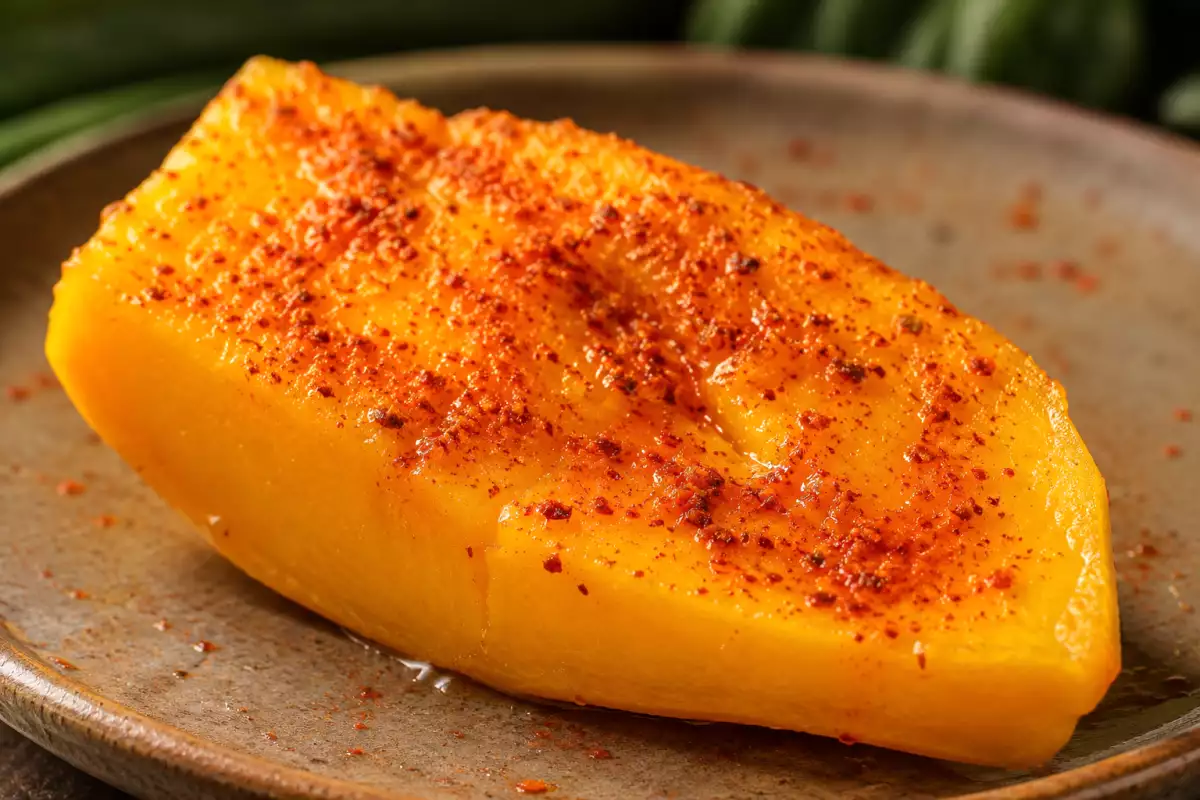
And yet, sometimes all it takes is the tiniest bit to make them even more irresistible: a pinch of salt, a squeeze of lemon, a little chili pepper, pepper, mint, or basil. Put that way, it might sound surprising. Salt on watermelon? Pepper on strawberries? Chili on mango? Yes, yes—and we promise it’s not just to make it look pretty on Instagram ;)
In the kitchen, the goal isn’t to mask the fruit’s flavor. On the contrary: these small additions mainly serve to bring out its aroma, balance the sweetness, and add more depth to every bite. Let’s explore together why this works so well—and, most importantly, how to do it without turning your fruit salad into a science experiment.
Salt: that tiny pinch that brings out the sweetness
With summer fruits, the idea is certainly not to leave a salty taste in your mouth. We’re really talking about a micro-pinch, almost invisible. It helps bring out the juice, awaken the aromas, and make the fruit seem more intense. Watermelon tastes fresher, melon more fragrant, peaches rounder, and tomatoes fruitier too—even though they’re often considered savory.
The right approach? Sprinkle it on, wait a minute or two, then taste. If you taste mostly salt, you’ve used too much. Salt should be just a little boost—it shouldn’t become the main ingredient.
Try it with: watermelon + feta + mint, cantaloupe + prosciutto, peach + burrata, strawberries + basil, or even mango + lime + mild chili pepper. Keep it simple, but every bite will instantly take on a whole new dimension.
Note: More salt doesn't mean more flavor
The official recommendation remains to limit salty foods and salt intake. Manger Bouger reminds us that adults should not exceed 5 g of salt per day. So here, we’re talking about a precise culinary touch: a pinch, not a shower of salt on the plate.
It’s best to choose a salt that also adds a bit of texture: fleur de sel, flaked salt, or fine salt used sparingly. On watermelon, fleur de sel provides a very pleasant contrast because it has a slight crunch. On a fruit salad, however, it’s best to use it very sparingly; or even avoid it altogether if the fruit is already quite flavorful.
Lemon: the perfect wake-up call!
Do you have a watermelon that’s a bit bland? A very sweet melon that lacks flavor? Ripe peaches that are a bit flat? A splash of lemon or lime juice can liven everything up. The acidity cuts through the excessive sweetness, adds freshness, and makes the fruit come alive on the palate.
That’s exactly what we love about summer desserts: something fresh, juicy, and light; but not cloying. Lemon helps achieve this balance without adding sugar.
Spices: the little twist that transforms a fruit plate
Black pepper on strawberries, mild chili on mango, cinnamon on roasted peaches, ginger with pineapple, smoked paprika with watermelon, vanilla with apricot… Each pairing changes the mood of the plate.
Pepper isn’t just for heat—it adds depth. Chili pepper, used sparingly, highlights the sweetness and juiciness of tropical fruits. Cinnamon and vanilla add a comforting, dessert-like quality. Ginger, on the other hand, provides a fresh and invigorating sensation, perfect with very juicy fruits.
The golden rule: start small. Summer fruits are delicate. You want to highlight them, not steal the show. Add a pinch, taste, then adjust. It’s much easier to add more than to try to salvage a fruit salad that’s too spicy ;)
Fruit + Fresh Herbs: The Combination That Smells Like Vacation
Mint pairs wonderfully with watermelon, cantaloupe, strawberries, and pineapple. Basil works very well with strawberries, peaches, tomatoes, and mozzarella. Cilantro can be a surprising pairing with mango, lime, and a little chili pepper. Rosemary, on the other hand, pairs wonderfully with roasted apricots and peaches.
Here, too, the secret is not to turn the fruit into a bouquet garni. Chop the herbs finely, add them at the last minute, then mix gently. Fresh herbs are delicate: if they sit in the fruit juice for too long, they can turn black or lose their aroma.
Our Petitchef ideas for trying something new without making a mistake
For an ultra-fresh appetizer, watermelon with feta, avocado, and cucumber checks all the boxes: juiciness, crunch, creaminess, and a hint of saltiness that keeps you coming back for more.

Calling all fans of fresh food: here's a recipe that will quickly make it into your top three! It's so delicious that Kate Middleton, the Duchess of Cambridge herself, has made it one of her favorite recipes! It's also very high in water, helping you...
In the same vein, the watermelon, feta, and arugula sandwich fully embraces the sweet-and-salty combination. It’s simple, fresh, original, and perfect when it’s too hot to spend a long time cooking.
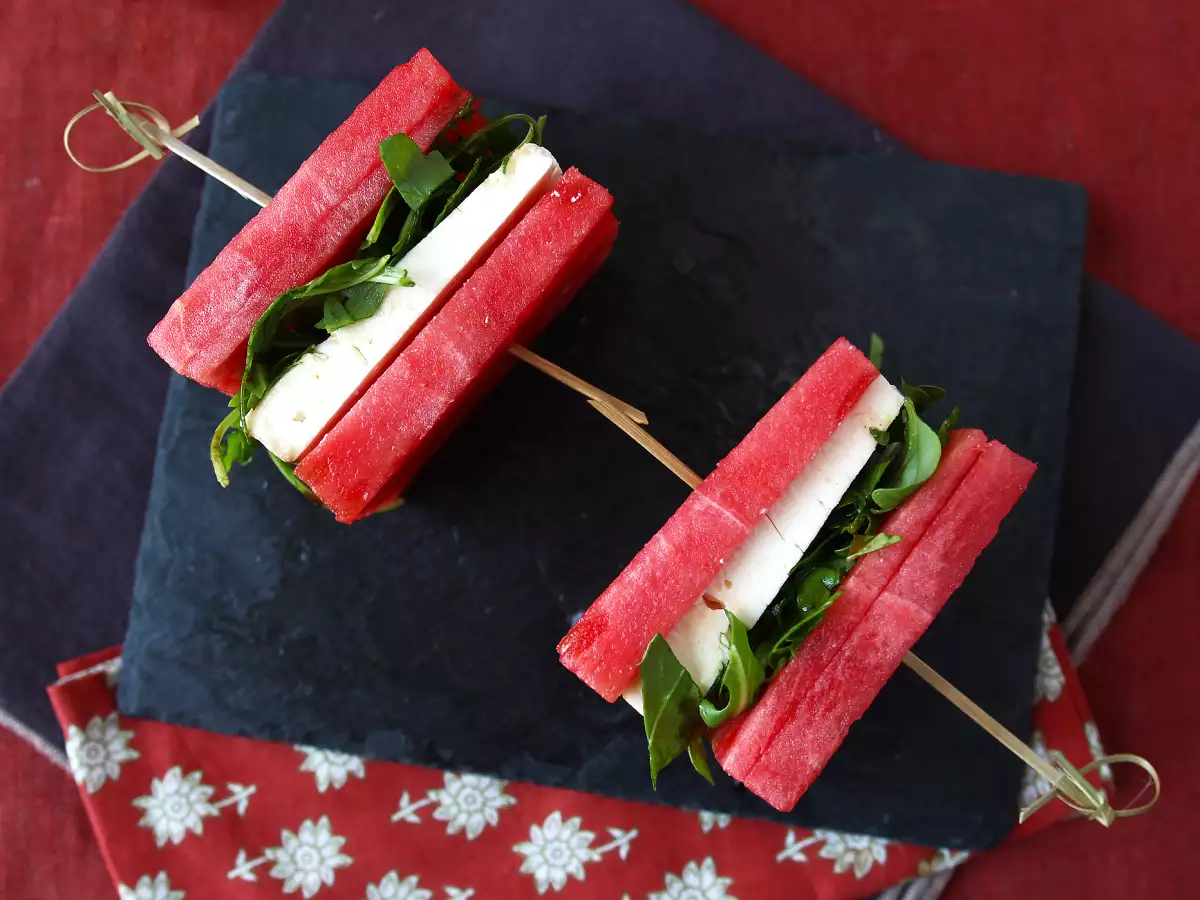
Fancy an ultra-fresh, original sandwich? This watermelon , feta and arugula sandwich replaces bread with juicy slices of watermelon for a totally summery version :) It's the viral recipe that's taking social media by storm, and it's easy to see...
Roasted peaches also love contrasts. Paired with arugula and burrata, they go from dessert to a light meal in just a few minutes. A pinch of salt, a drizzle of olive oil, a little pepper… and voilà, summer is on your plate.
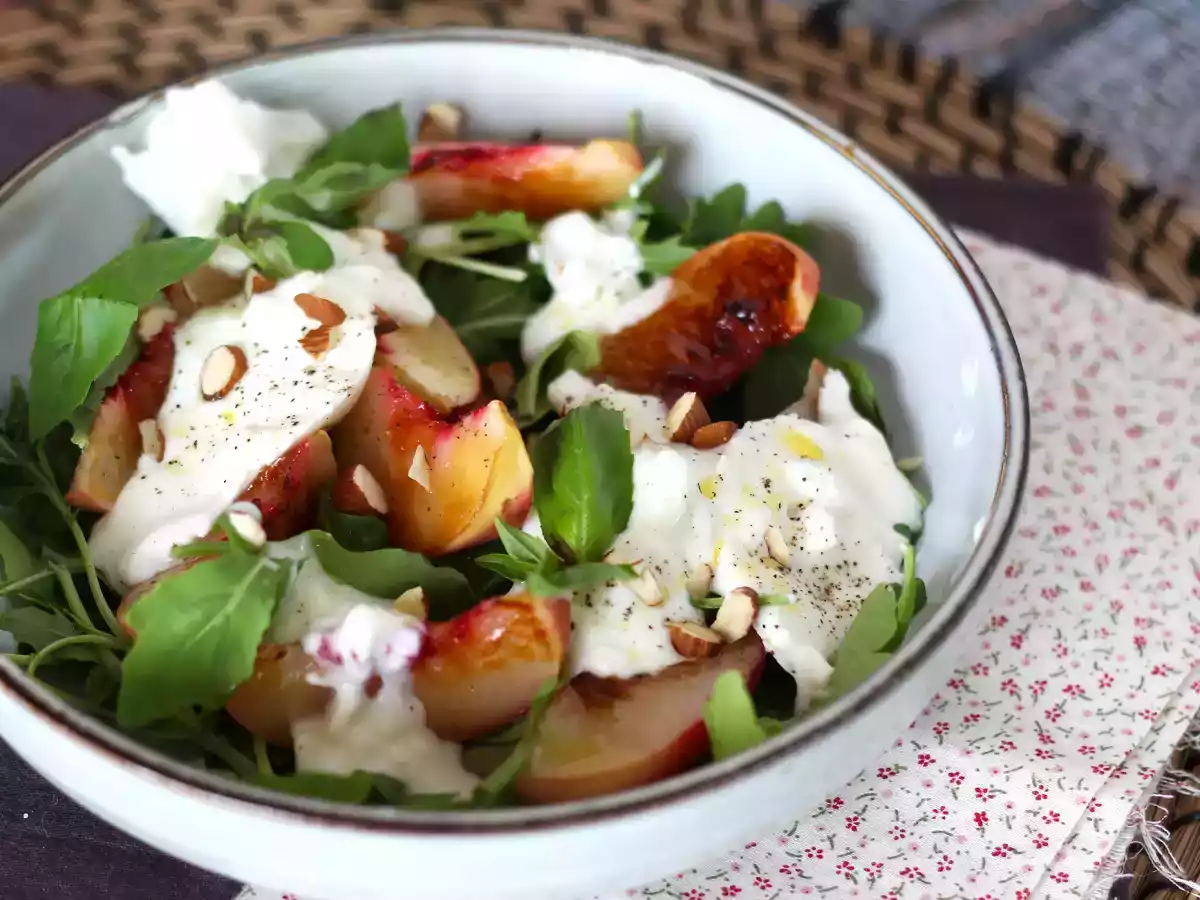
Fruit in a savory salad ? Yes, really! We can assure you that this combination of flavors will win you over ♥ At first, we were just as unsure as you might be about adding roasted peaches to our salad. Then came the tasting—and what a revelation!...
The same goes for roasted apricots: their tangy flavor becomes even more indulgent when paired with fresh cheese, arugula, or a few salty notes.
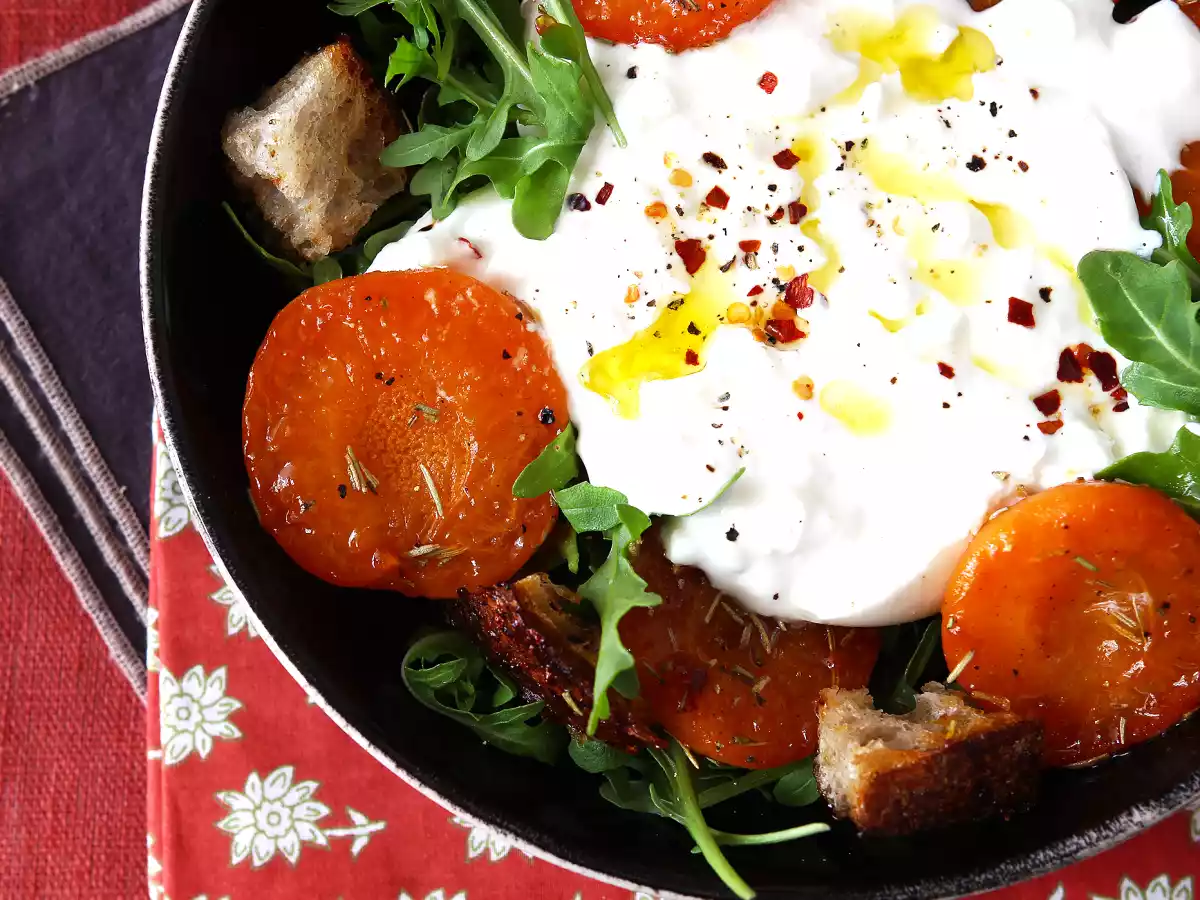
Looking for a fresh, fruity, indulgent salad with a twist? Try this salad of roasted apricots, arugula and burrata : a perfectly balanced sweet-and-savory combination! The apricots, lightly caramelized with honey and rosemary, add a soft, fragrant...
And if you’d rather stick with dessert, a fruit salad with peaches, apricots, and raspberries can easily be spiced up with a splash of lime juice, a few mint leaves, or a hint of vanilla.
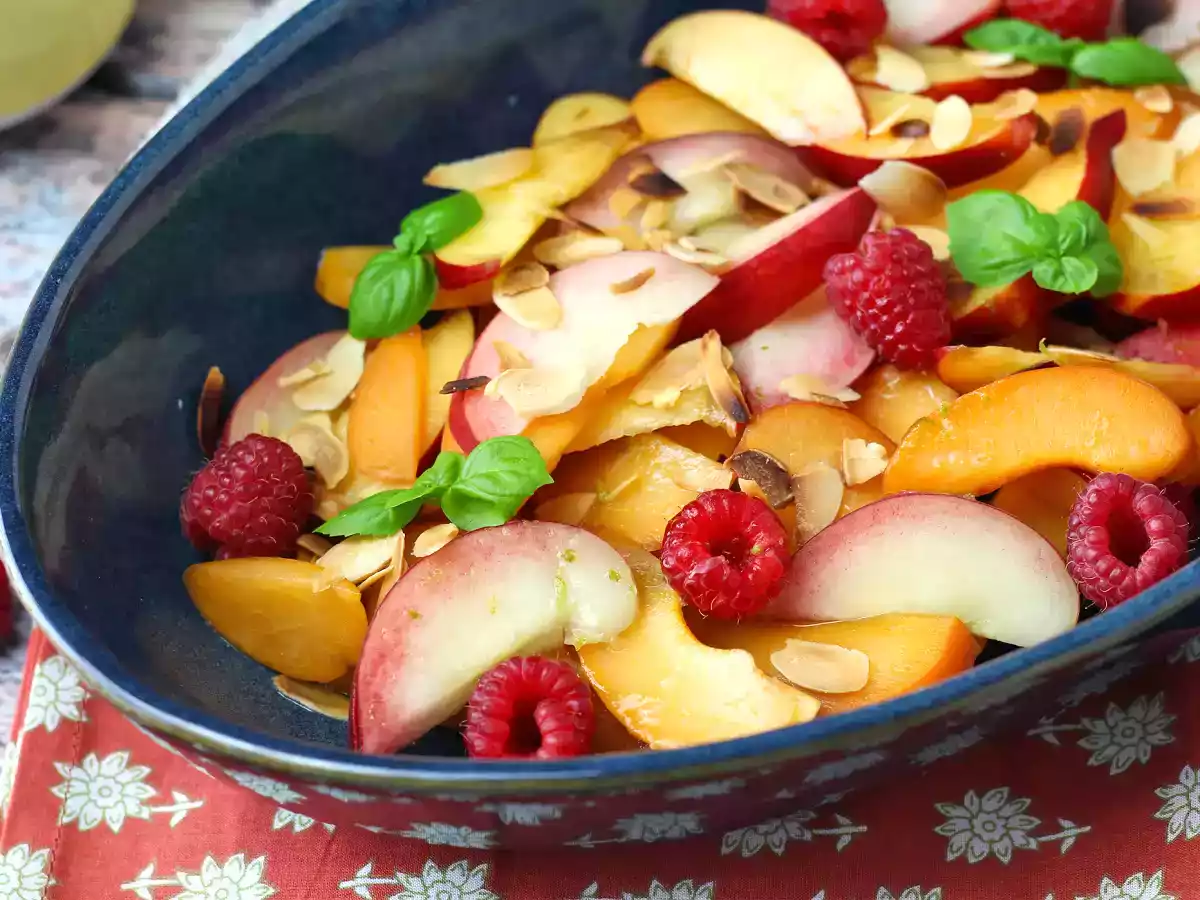
Here's a summer fruit salad that's as simple as it is delicious! With peaches, apricots, raspberries and a little lime, you get a juicy, fragrant and wonderfully indulgent mix. And for a crunchy touch? Toasted slivered almonds , sprinkled just...
Which Fruits Go with Which Seasonings? A Quick Guide
Melon: fleur de sel, cured ham, basil, pepper, lemon.
Peach: pepper, rosemary, burrata, lemon, light honey.
Apricot: thyme, rosemary, vanilla, almonds, fresh cheese.
Strawberry: basil, black pepper, lemon, a hint of balsamic vinegar.
Mango: lime, chili pepper, cilantro, ginger.
Pineapple: lime, ginger, cinnamon, mild chili pepper.
The idea isn’t to put everything in at once. Choose one fruit, one ingredient to add a kick, and one ingredient to balance it out—that’s already great. For example: watermelon + lime + mint, or peach + burrata + pepper, or mango + lime + chili pepper.
So, why does it work so well?
Salt brings out the sweetness. Lemon adds freshness. Spices add depth. Fresh herbs add an immediate burst of aroma. The result: a dish that’s more vibrant, more balanced, and often much more memorable.
The next time you cut up a watermelon, a peach, or a cantaloupe, keep this simple formula in mind: a ripe piece of fruit + a touch to liven it up + a touch to add fragrance. That’s all it takes to turn a simple fruit plate into a little taste of summer :)
 Adèle Peyches
Comments