How to tell if a melon isn't good: simple checks you can use at home before slicing or eating it
When it comes to summer fruits that we love to serve nice and cold, we’re talking about… melon!
As an appetizer with prosciutto, in a salad, cut into balls with mozzarella, or simply sliced for dessert, it’s one of those little pleasures that evokes meals enjoyed in the sunshine :-)
But here’s the thing: a melon can sometimes be a letdown. Too hard, too ripe, fermented, mealy, or just plain not good anymore… And once it’s cut open, you don’t always want to play guessing games over the cutting board.
So, how can you tell if a melon is still good to eat or if it’s better to throw it away? It’s simple: just check it out.
Before opening it, take a look at its appearance
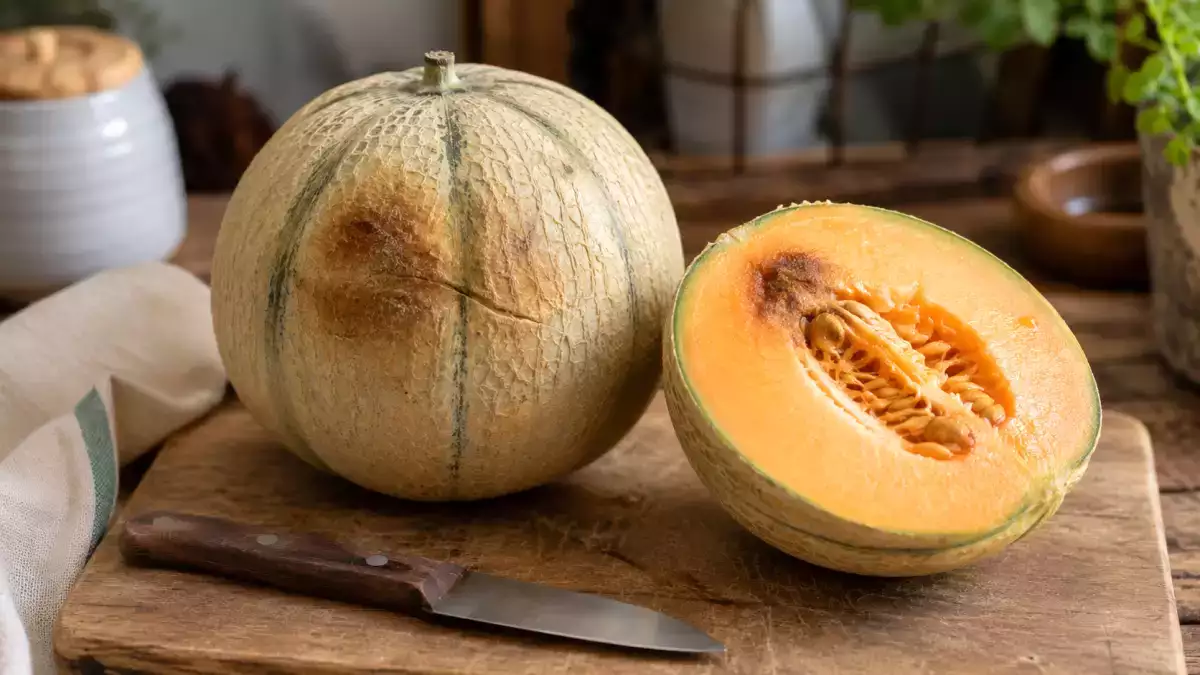
A whole melon should be firm, heavy for its size, and have a rind without large soft spots, deep cracks, or signs of mold.
If it’s slightly soft near the stem, that’s not necessarily a bad sign; it may even mean it’s ripe. However, if it’s soft in several places, sunken, sticky, or damaged, it’s best to be cautious.
Pick it up and hold it in your hands. A melon that feels very light, very soft, or “worn out” may have passed its prime.
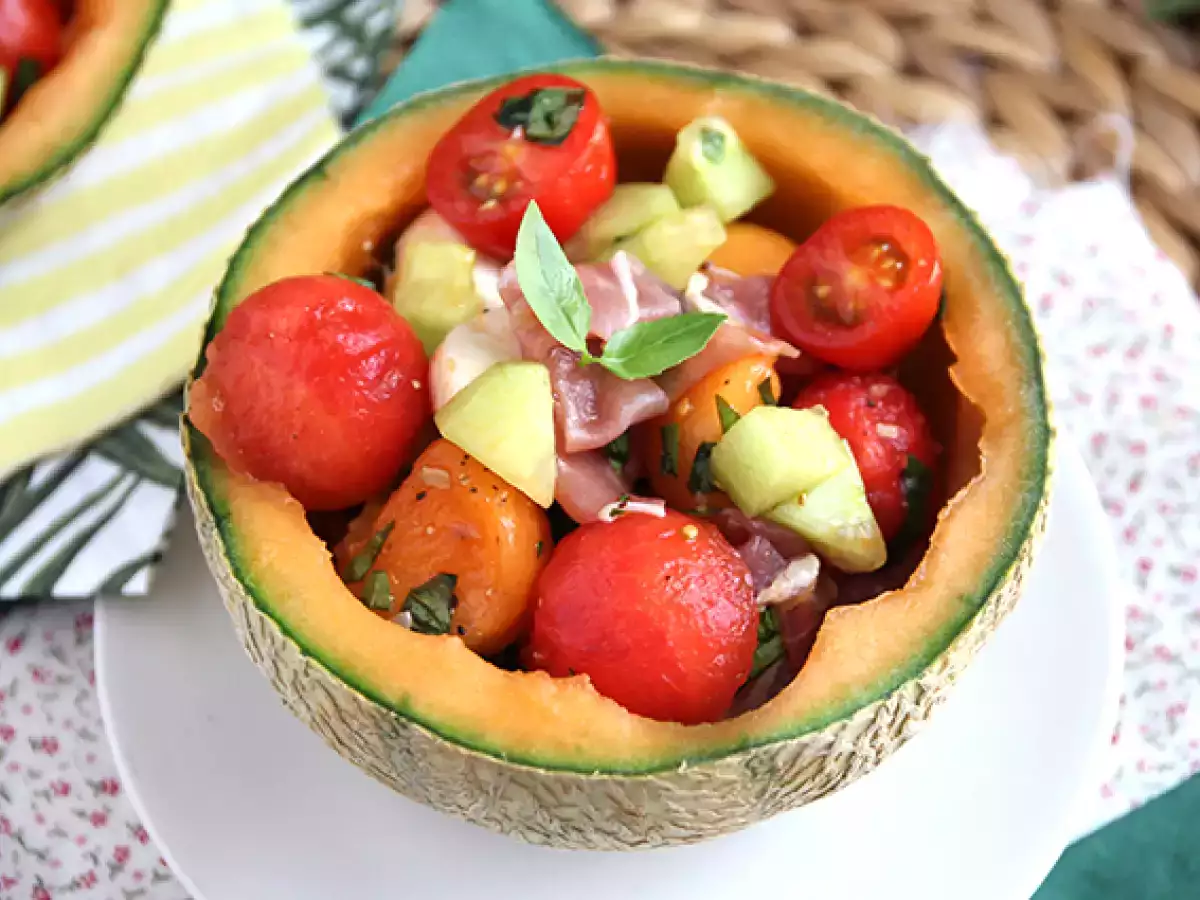
For hot days, a refreshing salad is perfect. This time, we’re putting cantaloupe in the spotlight, but you can use whichever fruit you like best. Serve it in the cantaloupe for a more unique touch :)

In the category of no-cook recipes, tartares stand out! The kind of fresh, quick recipe we all look for in summer :-) An appetizer made with prosciutto, melon, and tomato to change things up from traditional beef or fish tartares (salmon/tuna). A sweet...
The scent should be pleasant, not overpowering
A good melon smells good. Its aroma is mild, fruity, and sweet; sometimes quite strong, depending on its ripeness.
But be careful: if the smell becomes very strong, sour, alcoholic, or fermented, that’s a different story. An overripe melon can start to ferment, especially if it’s been stored for too long or left at room temperature after being cut.
And in that case, don’t be tempted to try the famous “I’ll just taste it anyway to see.” If the smell makes you recoil, it’s rarely a good sign ;-)
The right thing to do: smell the melon before cutting it, then again after cutting it open. The outside may look fine, but the inside can sometimes tell a different story.
Is the flesh slimy or mushy? Best to avoid it!
Once cut open, the melon should have juicy, firm, and pleasant-tasting flesh. Depending on the variety, it may be more or less tender, but it should not be sticky, slimy, or overly soft.
If the flesh squishes on its own, becomes mushy, stringy, or sticky, or releases a cloudy liquid with a strange odor, it’s best not to eat it.
A melon that’s a little too ripe can still be used in a cold soup or smoothie if its smell, color, and texture remain normal. But if there’s any doubt about its freshness, don’t try to “save” it at all costs.

To accompany your aperitif, combine melon and ham in super-easy skewers. Speaking of skewers, forget the wooden sticks! Instead, opt for... rosemary sprigs. It's a great opportunity to add even more color, flavor, and greenery to this guaranteed...
Watch out for stains and mold
If you see mold on the flesh, on a cut surface, or around the seeds, throw it away.
The same goes if certain areas are brown, black, very soft, or look unusual. The melon should look appetizing: orange-colored flesh that’s clean, fresh, and free of strange odors or suspicious spots.
And even if the spot seems small, avoid simply cutting around it once the fruit is already cut open and moist. Mold and spoilage can be more widespread than they appear.
In short, when it comes to melons, follow this simple rule: if the appearance makes you hesitate for too long, it’s better not to take any chances.
A spicy, tart, or tangy taste? Stop
A melon can be very sweet, a little bland, or even lack aroma. This isn’t ideal, but it isn’t necessarily dangerous.
However, it shouldn’t sting your tongue or have an alcoholic, sour, fermented, or fizzy taste. That sensation could mean it’s starting to go bad.
In that case, stop eating it right away. Even if the first bite doesn’t seem “that bad,” it’s not a good idea to keep eating it.
Yes, it’s a shame. But honestly, a questionable melon isn’t worth ruining the dessert!
A cut melon should be kept refrigerated
Once cut, the melon becomes more perishable. Its flesh is no longer protected by the rind, and it can be contaminated by the knife, cutting board, hands, or simply the air around it.
It’s recommended to refrigerate cut fruit as soon as possible, or within 2 hours at most. If the temperature exceeds 89°F/32°C (such as during a picnic or in a hot car) this time limit drops to 1 hour.
To do it right, place it in an airtight container in the refrigerator, or wrap the cut surface tightly in plastic wrap. And avoid leaving it sitting on the table all afternoon “because we’ll surely have another slice.” That’s the classic trap ;)
Should you wash a melon before cutting it?
It may seem unnecessary, but the knife cuts through the skin before reaching the flesh. If the skin is dirty, germs can be transferred from the outside to the inside when you cut the produce.
It’s recommended to wash fruits and vegetables under running water before preparing them, including those whose skin or rind isn’t eaten. It’s also not recommended to use soap, detergent, or special fruit and vegetable wash products.
So keep it simple: rinse the melon under water, gently scrub the skin with a clean brush if needed, then pat it dry before cutting it.
To tell if a melon has gone bad, look for these signs above all else
A sour or fermented smell, slimy or pasty flesh, very soft spots, mold, an unusual color, or a pungent taste.
Conversely, a good melon should have a pleasant, fruity aroma, crisp, juicy, fresh flesh, and be irresistible from the very first slice.
And to avoid unpleasant surprises, wash it before cutting it, use a clean cutting board, put it in the fridge right away once it’s cut open, and store it well covered.
Now that you know all this, all that’s left is to pick a fragrant melon… and enjoy it before it ends up on the dark side of the crisper drawer ;)
 Adèle Peyches
Comments