Revitalize your spring menu: 8 fresh recipes featuring seasonal veggies
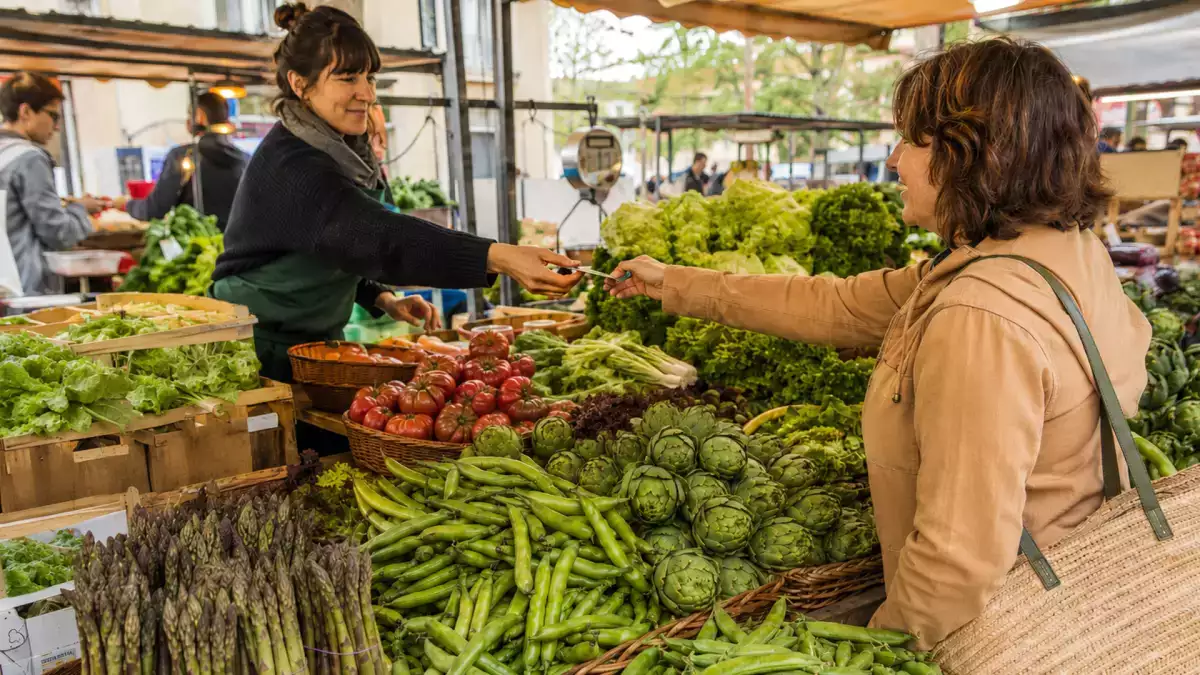
Spring is filling our grocery baskets with color again. And one shade seems to dominate the produce aisle more than any other: green.
The tender green of peas. The deeper green of spinach. The bright snap of green beans. The elegant green of asparagus. The earthy, almost sophisticated green of artichokes. Even more understated greens (like endives, herbs, or crisp lettuce) suddenly start looking incredibly appealing once the weather begins to warm up.
If fashion has colors that announce a new season, food does exactly the same thing. One quick look at the farmers market is enough to realize that our cravings start shifting too. After months of hearty stews, rich sauces, and heavier comfort foods, spring naturally pulls us toward meals that feel fresher, lighter, and more vibrant.
And honestly? Green vegetables are perfect for that transition.
Not every one of them is technically a “classic spring vegetable.” Some are finishing their winter season, while others are already hinting at summer. But together, they belong to that in-between style of cooking where meals become brighter, more vegetable-forward, and just a little less heavy.
Green foods feel like spring for a reason
There’s something almost instinctive about it. Green is associated with freshness, renewal, lightness, and energy; so it makes perfect sense that it becomes the dominant color on the plate this time of year.
That doesn’t mean spring eating has to turn into a sad pile of steamed vegetables, though ;)
The goal isn’t to “eat healthy” in the boring sense of the word. It’s about taking advantage of produce that genuinely tastes best right now and turning it into meals that actually feel exciting to eat. Because asparagus, peas, fava beans, artichokes, spinach, and green beans aren’t vegetables you suffer through. They’re vegetables with personality. They just need to be cooked in ways that let them shine.
The produce section becomes the real inspiration
This time of year, inspiration doesn’t come from recipe books alone.
It comes from:
- bundles of asparagus
- crates of fresh peas
- glossy artichokes
- delicate lettuce
- spring onions
- handfuls of herbs
- the last beautiful spinach of the season
Spring vegetables naturally push cooking toward something simpler and fresher. A soft asparagus omelet suddenly sounds better than a heavy casserole. A warm pea salad with herbs and lemon feels more appealing than another winter stew. Even basic dishes start changing naturally once these ingredients arrive.
The trick is not overcomplicating them
One of the biggest mistakes with spring vegetables is treating them like an obligation instead of actual ingredients. The best spring cooking is usually very simple. Because when produce is fresh, you don’t need to bury it under complicated sauces or endless seasoning.
A few good techniques already make a huge difference:
- cooking vegetables briefly so they stay vibrant
- adding acidity like lemon or vinaigrette
- using olive oil generously but thoughtfully
- combining textures
- letting freshness stay visible on the plate
Green vegetables lose their charm very quickly when they’re overcooked into softness.
Spring cooking works best when there’s still:
- crunch
- brightness
- freshness
- color
- life
Green vegetables work with almost everything
That’s part of what makes them so easy to love this time of year.
They slide naturally into:
- creamy risottos
- pasta dishes
- grain bowls
- frittatas
- soups
- warm salads
- roasted vegetable platters
- simple side dishes
And they pair beautifully with ingredients people already crave in spring:
- eggs
- fresh cheeses
- lemon
- herbs
- potatoes
- rice
- legumes
- grilled fish
- roasted chicken
The result feels balanced without feeling restrictive.
Spring cooking doesn’t have to feel “light” in a boring way
This is important. Eating more vegetables in spring shouldn’t feel like punishment after winter.
A great spring plate can still be:
- comforting
- satisfying
- rich in flavor
- deeply seasonal
It just carries that comfort differently. Instead of heaviness, you get freshness. Instead of richness alone, you get contrast. Instead of dense meals, you get dishes that feel alive. And honestly, after a long winter, that shift is part of the pleasure.
From the market to the plate: green recipes for spring
Here is a compilation of recipes in which the color green stands out and becomes appetizing.
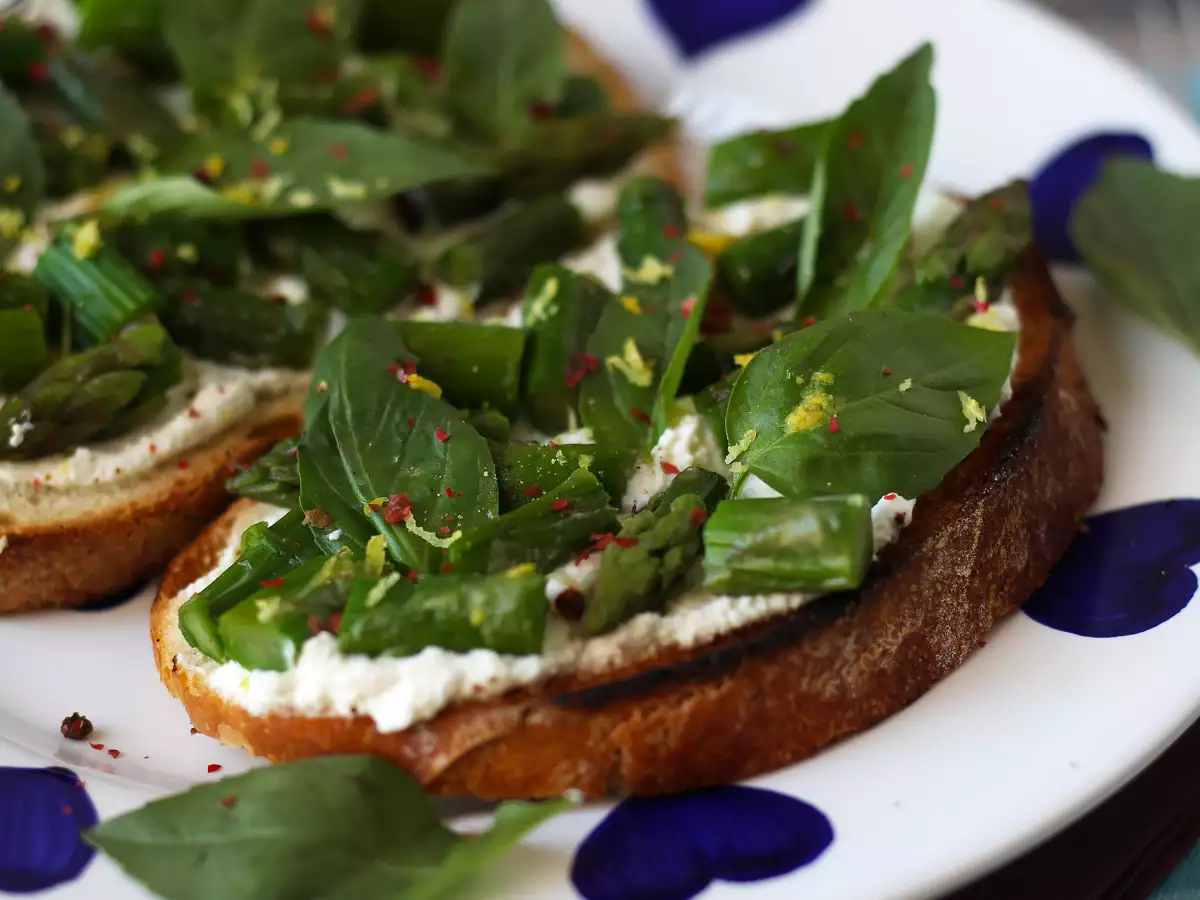
In the mood for a quick, easy and zesty recipe? These asparagus toasts tick all the boxes: crunchy, creamy, with that little touch of acidity that makes all the difference. Here, lightly browned asparagus meets gently lemony ricotta ,...
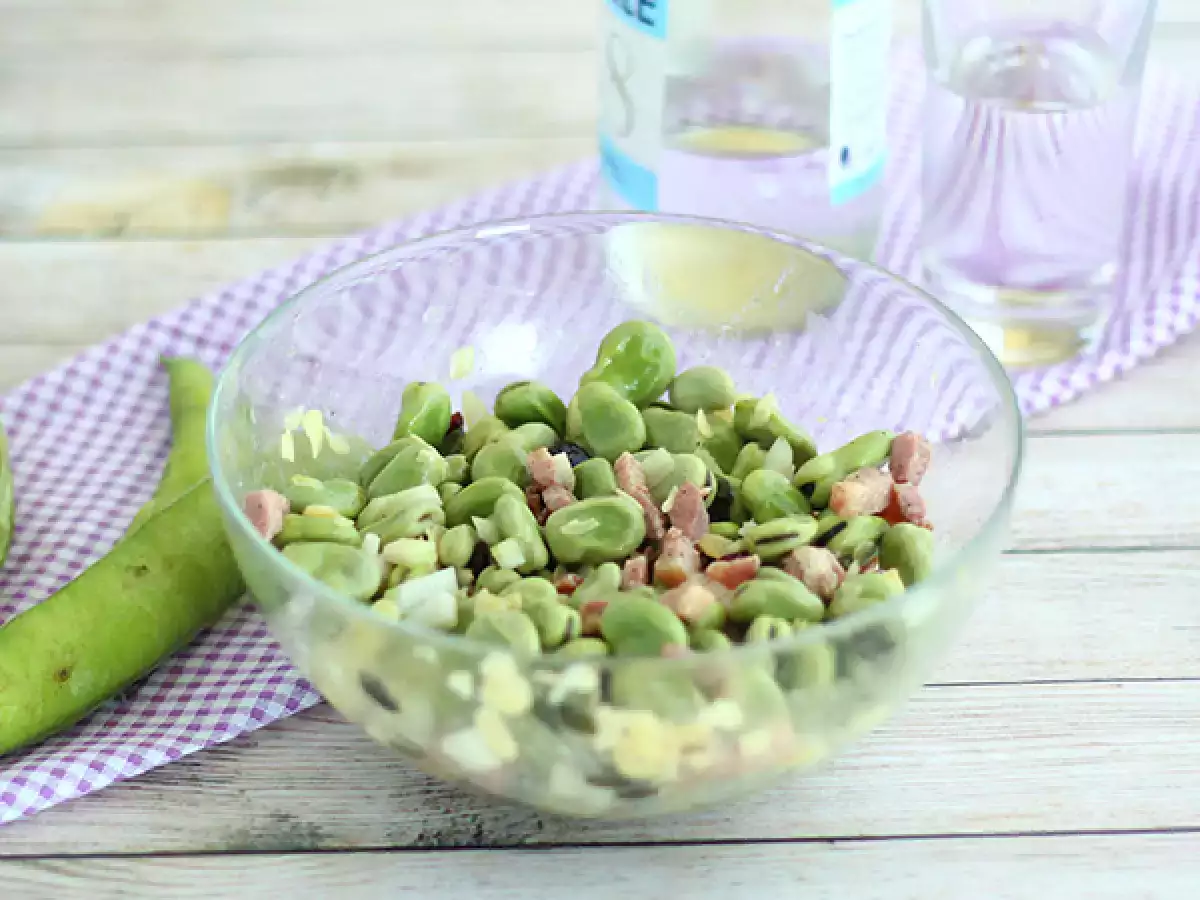
A simple salad that's a welcome change from the usual! Thanks to the fava beans, no more hunger pangs just two hours after lunch. Rich in protein, these little legumes are filling and help keep us going comfortably until the next meal. More broadly,...
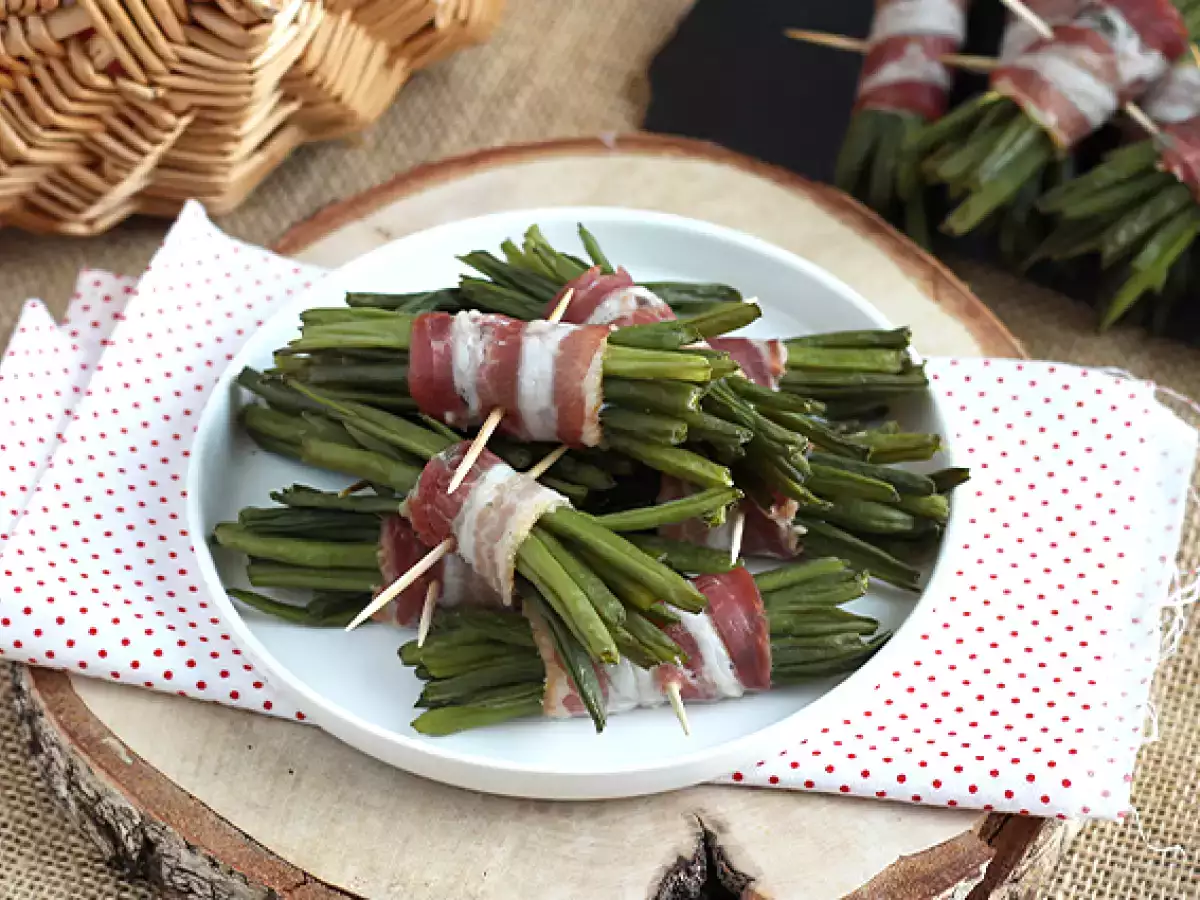
The perfect side dish for meat and fish! We used to buy them ready-made, but we quickly realized that these bundles are super easy to make! All you need are two ingredients: green beans and slices of bacon. For the rest, just follow the steps below ↓
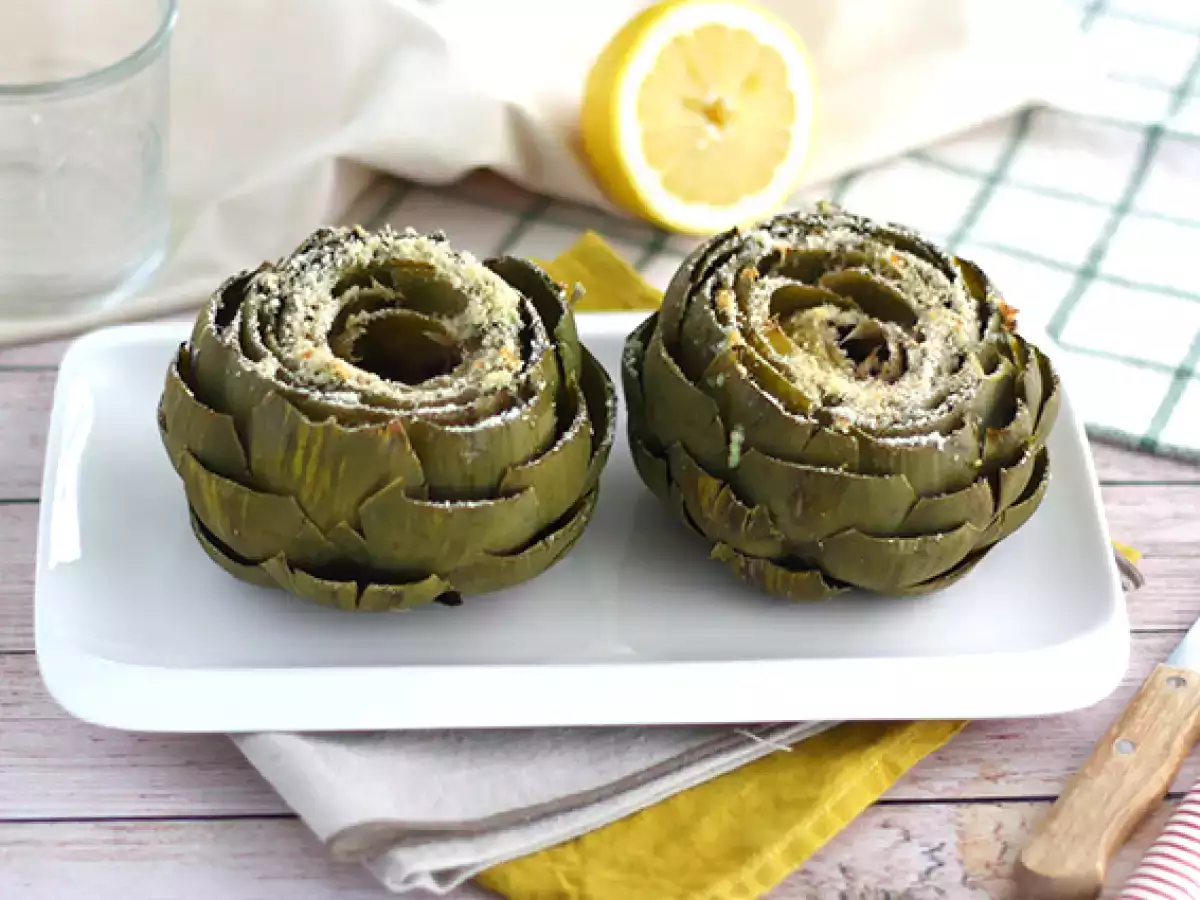
For a delicious appetizer to share or a simple, satisfying dinner, try our baked artichokes! This extra-delicious vegetarian recipe combines tender artichoke leaves with grated Parmesan and herbes de Provence. All that's left is to make a homemade...
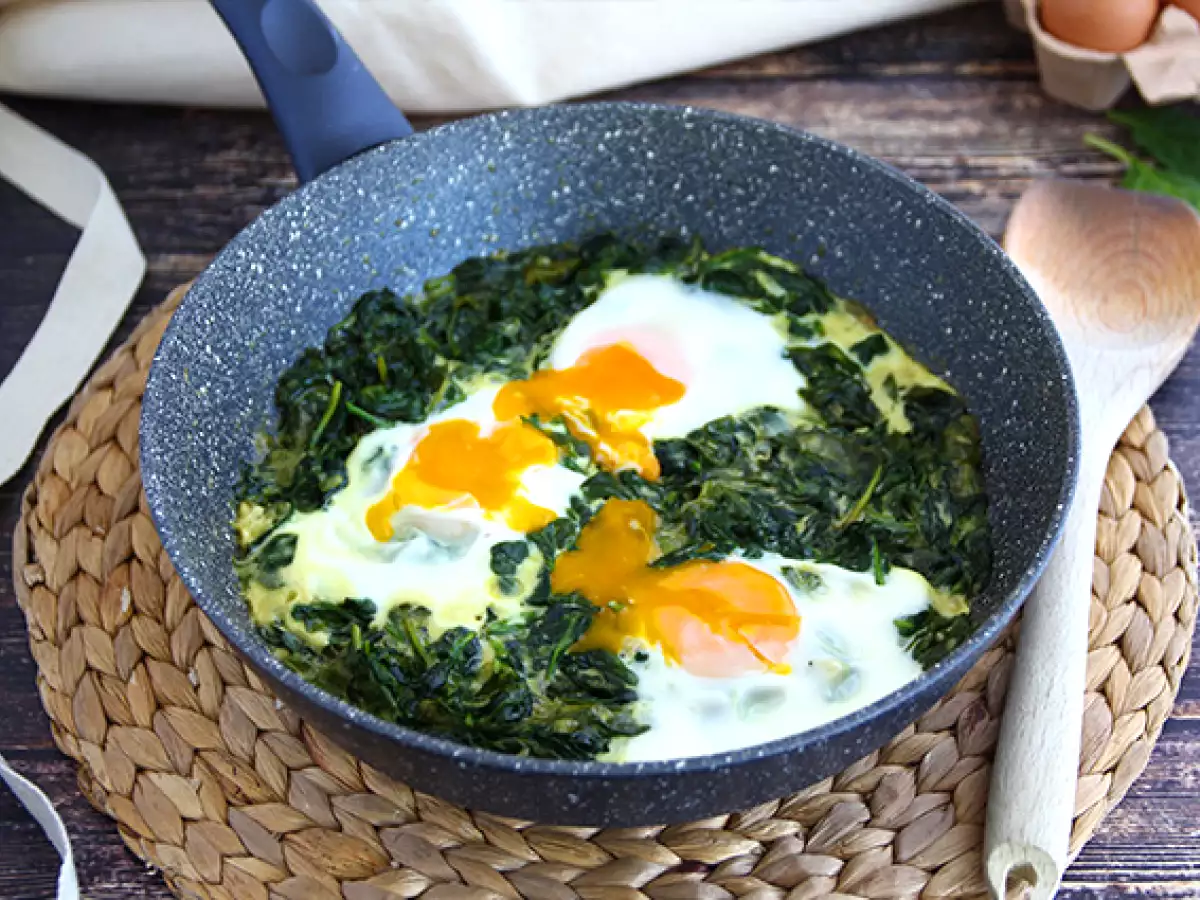
Cook your creamed spinach and add eggs for an extra creamy and flavorful result! Thanks to cooking in a covered skillet, you'll achieve soft egg whites and runny yolks. A true delight and an excellent way to introduce spinach to children! Easy to make,...

Simple ingredients, just a few minutes of preparation, and you’ll have a delicious dish to serve: pea, feta and mint meatballs cooked in an air fryer are a great vegetarian alternative to traditional meatballs . They are very versatile and can be...
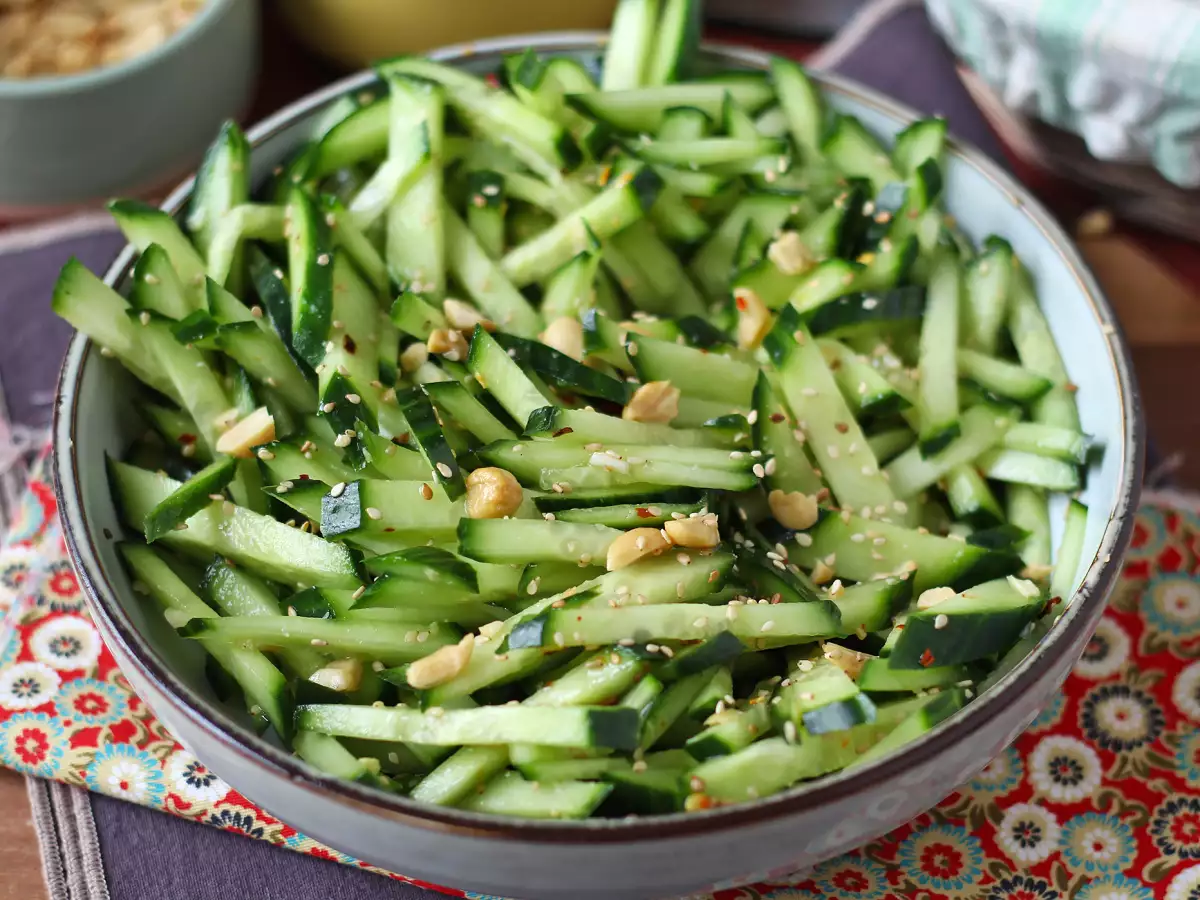
Looking for a cucumber salad that's a little different from the classic versions? This one's got everything you need to wake up your taste buds. Fresh, crunchy and just the right amount of spice, it's an ultra-addictive balance of flavors! The...
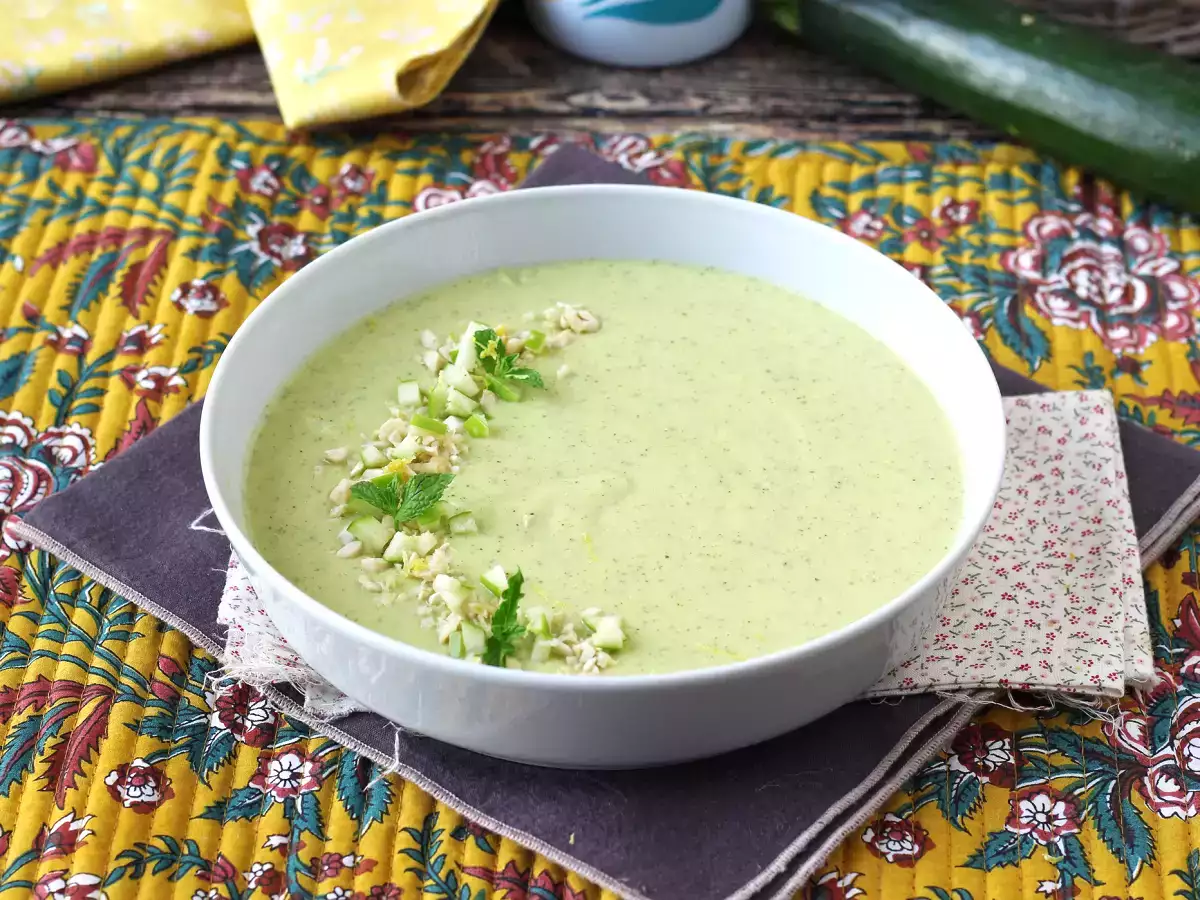
The zucchini rarely seeks the spotlight, but when it meets the fresh acidity of apple and the creaminess of yogurt , the story changes. Suddenly, the ordinary becomes an elegant, light dish full of nuances. This cream is not just a light soup: it is...
The easiest way to cook more seasonally
Sometimes seasonal cooking sounds more complicated than it really is. But often, it’s simply about noticing what suddenly looks good at the market and letting that guide dinner naturally. Right now, green vegetables are doing exactly that. They’re fresher, more flavorful, and easier to build meals around than almost anything else in the store. And once you start cooking with them regularly, spring itself somehow starts tasting different too ;) So if your kitchen has been craving something brighter lately, this is probably the perfect moment to lean into green; with recipes that feel fresh, vibrant, and genuinely enjoyable to eat.
 Patricia González
Comments