Sardines in oil or in water? Find out when each is the best choice
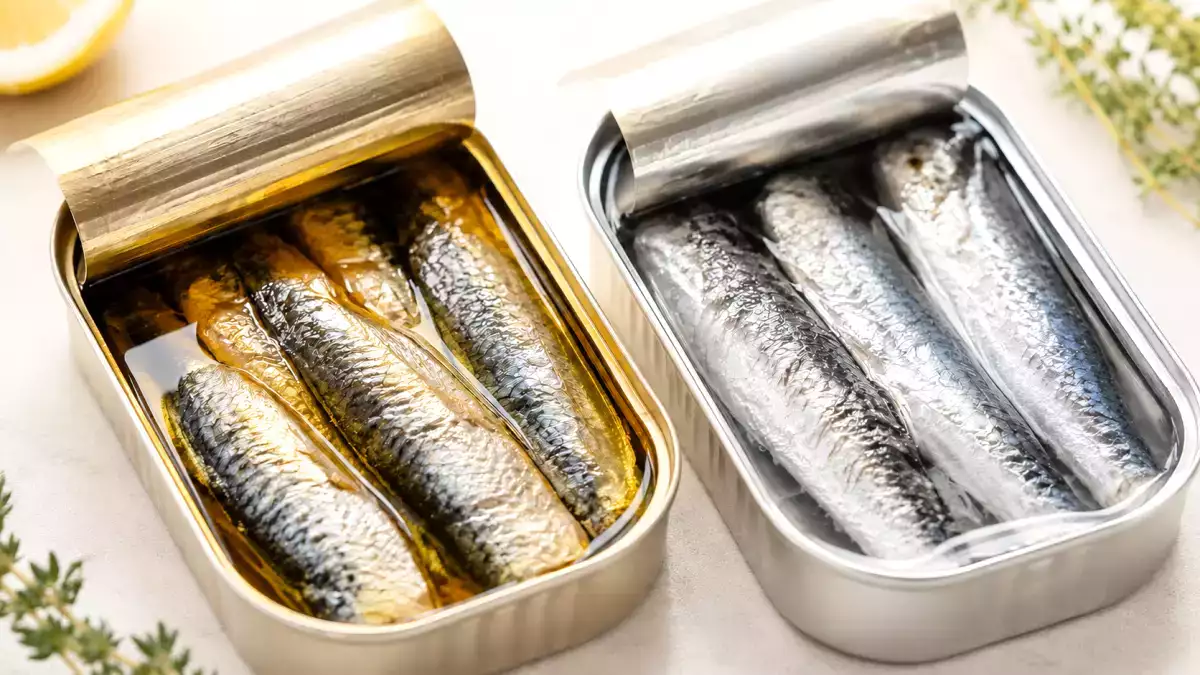
The answer depends on three things: the purpose of the meal, the recipe you choose, and what you do with the liquid from the can. Below, find out how to make the right choice every time and how to turn canned sardines into practical, economical, and flavorful dishes.
1. The short answer: it depends on the recipe
Sardines in oil also have their advantages. They tend to be more tender, more flavorful, and easier to use in pâtés, fillings, pies, and hot dishes. Instead of picking one as the clear winner, think about the final result you want on your plate.
2. When choosing sardines in water
This option is great for anyone looking to put together a cold dish, a protein-packed salad, or a fresher meal. The key is to drain them well and season them generously, since sardines packed in water can have a milder flavor.
3. When choosing sardines in oil
The secret is not to use all the oil right away. Taste it first. In some recipes, a portion of the oil helps sauté onions, garlic, or tomatoes. In others, it’s best to drain it off to keep the dish from becoming too heavy.
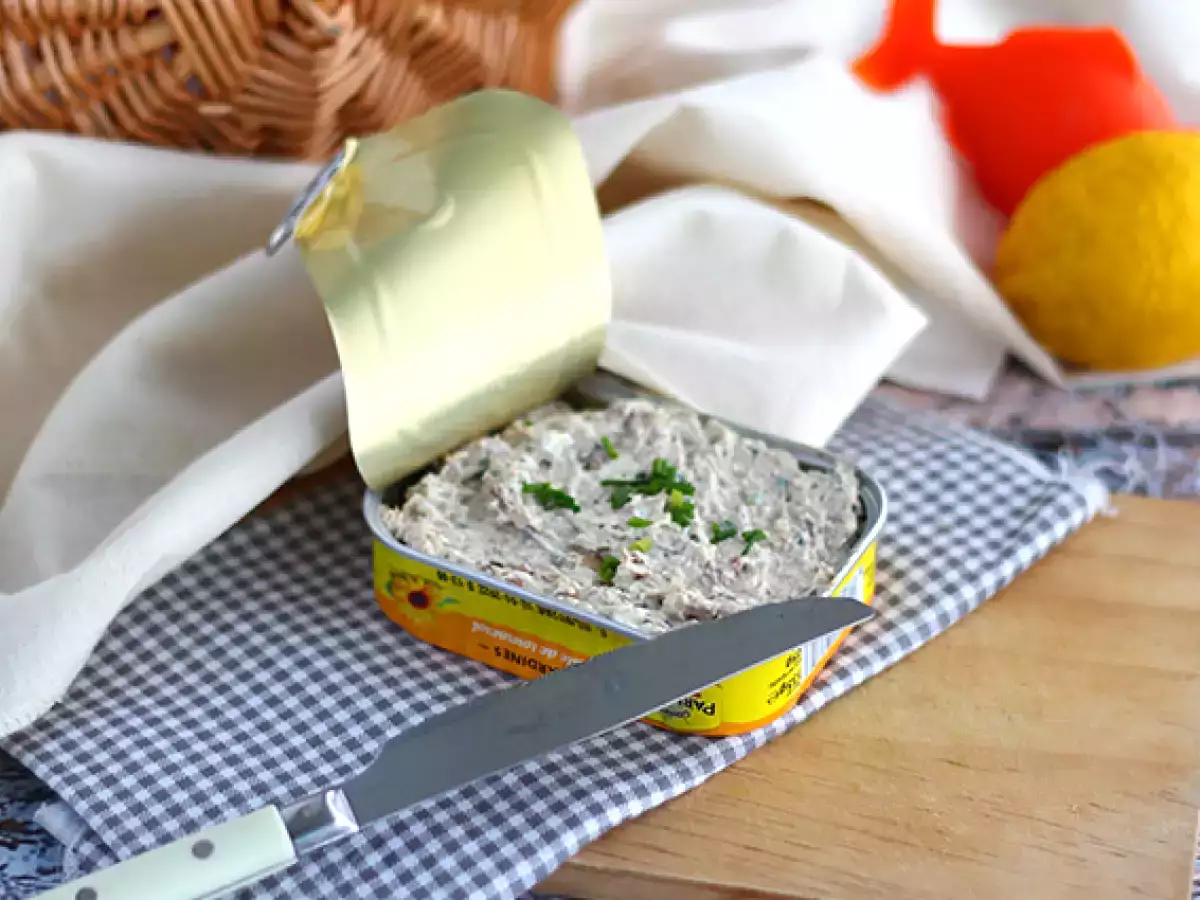
To accompany your aperitif or make an easy no-cook starter, try our sardine rillettes! This quick recipe requires you to mix just 4 ingredients together. Spread on toast or serve with vegetable sticks—here’s a great way to use your cans of sardines...
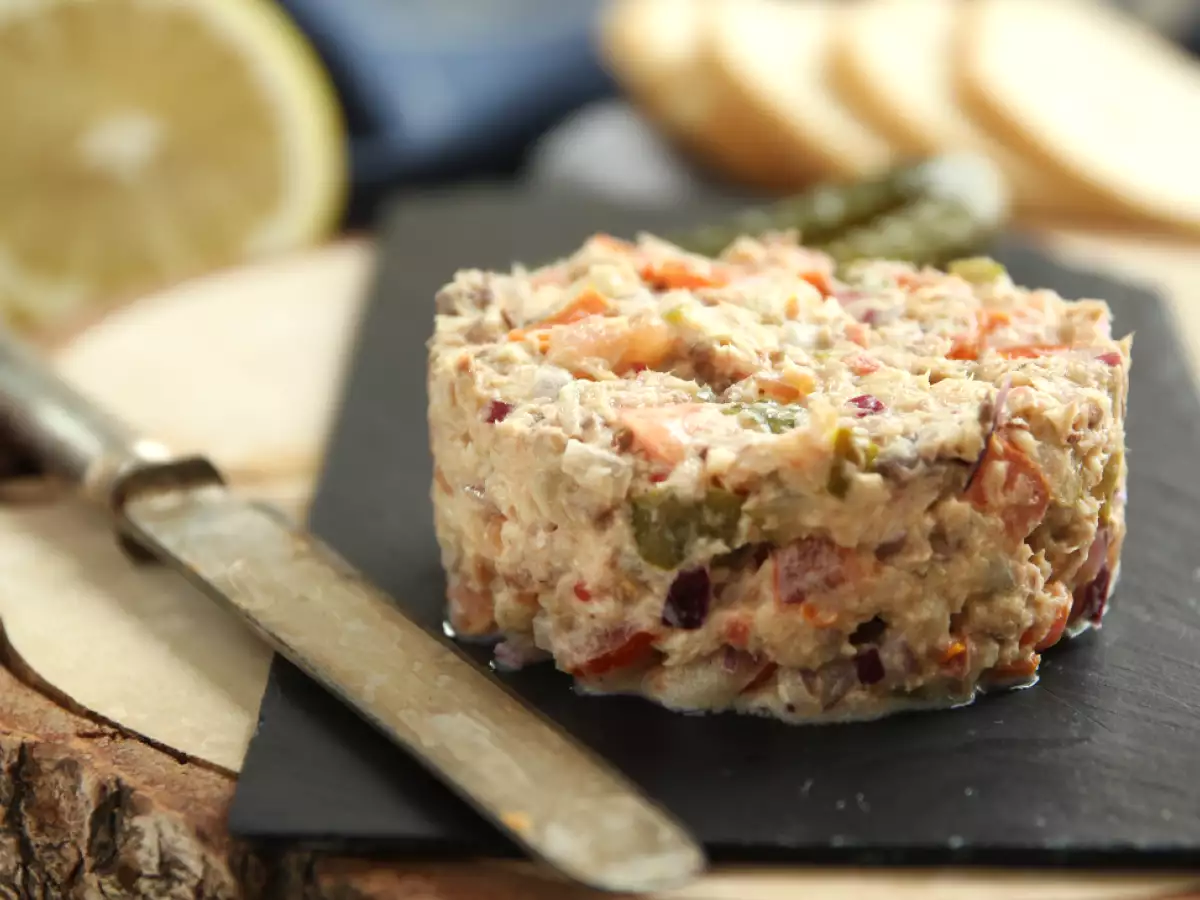
This sardine salad is not only super quick to make, but can also be prepared with ingredients that everyone has at home. It is a perfect appetizer for a snack with friends or any other type of celebration, as it can be served on crispy toast. An...
4. The mistake that changes everything: using the liquid from the can without thinking
If using sardines in water, draining them is also usually important to prevent the dish from becoming watery. Then, season with lemon, olive oil, herbs, and spices. The difference between a bland sardine dish and a delicious recipe often lies in this detail.
5. For pâtés and appetizers, the oil-based version usually stands out
Lemon, fresh cheese, yogurt, herbs, red onion, pickles, or chili peppers help cut through the fat and make the dish more refined. That’s why sardine pâtés and rolls work so well for entertaining guests or whipping up a quick appetizer.
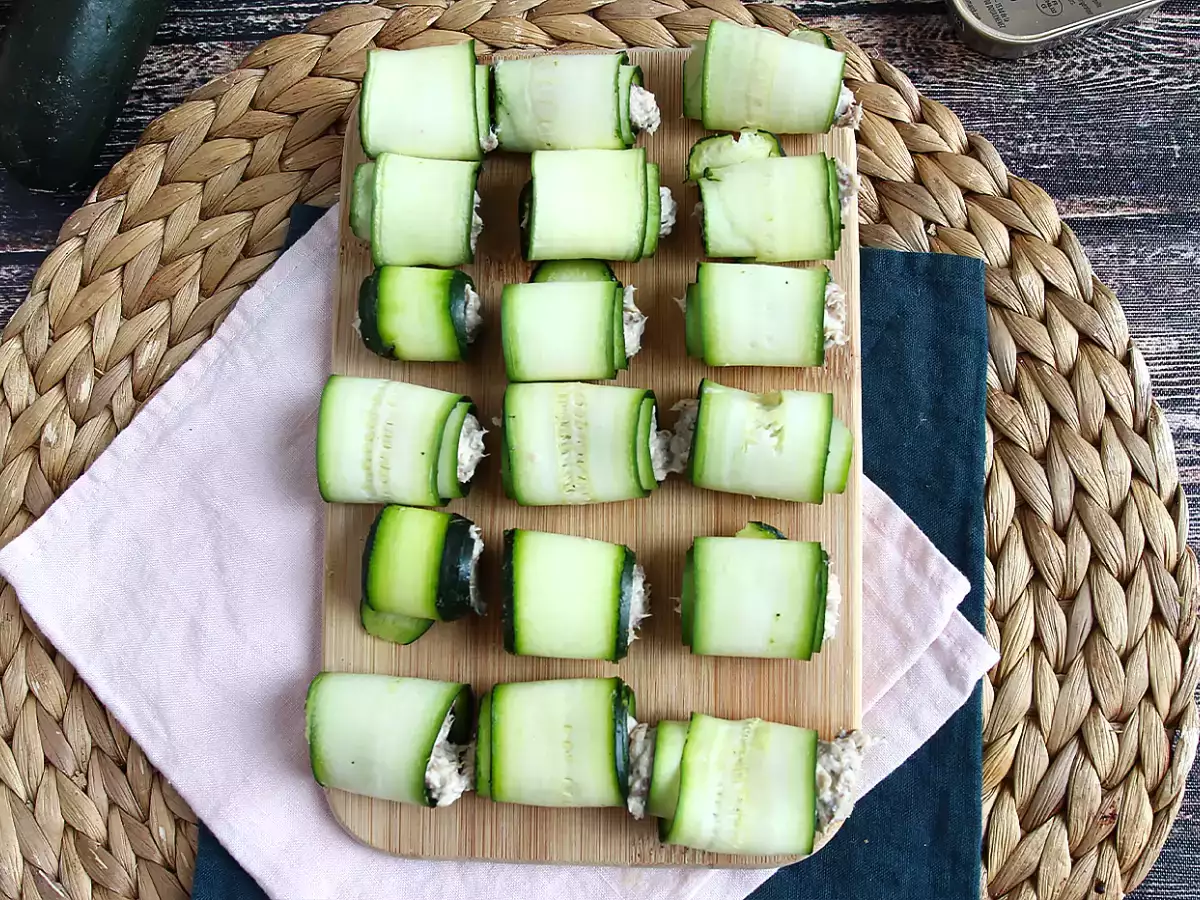
Here's another recipe to prove that zucchini has more than one trick up its sleeve! Perfect for an appetizer, this no-cook dish is super easy to make and, above all, quick ;-) It's so easy, in fact, that you should invite the kids to help make...
6. For hot dishes, consider the final texture
In oven-baked or stovetop recipes, sardines in oil can make the dish more succulent. Sardines in water, on the other hand, may work better when the dish already includes richer ingredients, such as cheese, eggs, pasta, or a creamy sauce.
If the recipe is baked, mix the sardines with moist ingredients to prevent them from drying out. If it’s a stovetop dish, add the sardines toward the end to keep them in one-piece chunks and prevent them from falling apart too much.
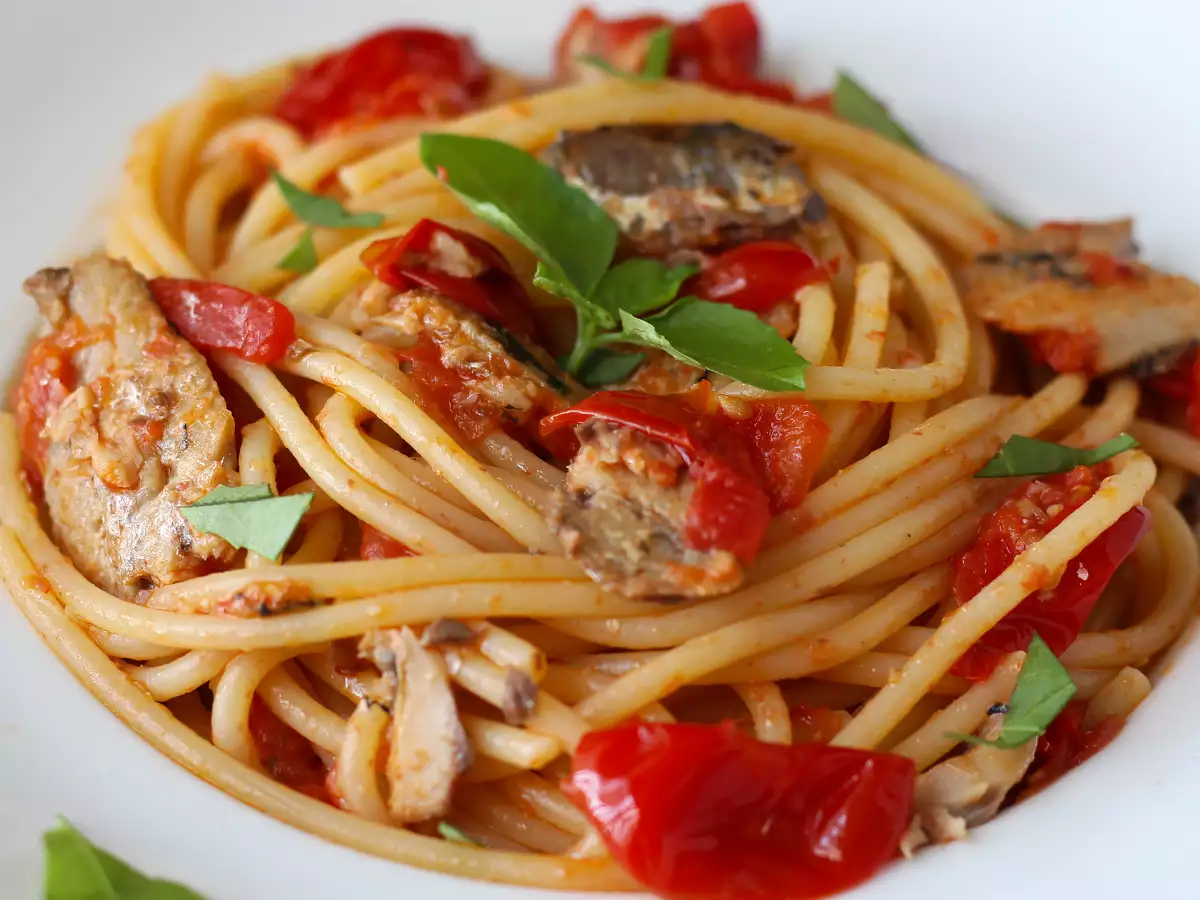
Learn how to make spaghetti with sardines , a simple, quick, economical, and very flavorful recipe that is ready in just a few minutes. Made with canned sardines, cherry tomatoes , garlic, and the oil from the can, this main course uses...

This easy, fluffy creamy pie with sardines , made in a blender , is one of those practical recipes that can save any meal. The light batter comes together quickly in the blender, and the flavorful filling is made with well-seasoned sardines. The...

Easy and quick to make, this sardine-stuffed zucchini recipe is a must if you're looking for a low-calorie, very healthy meal rich in vitamin C and omega-3. It serves 4 and takes just 30 minutes to prepare. Like the suggestion? Then follow our...
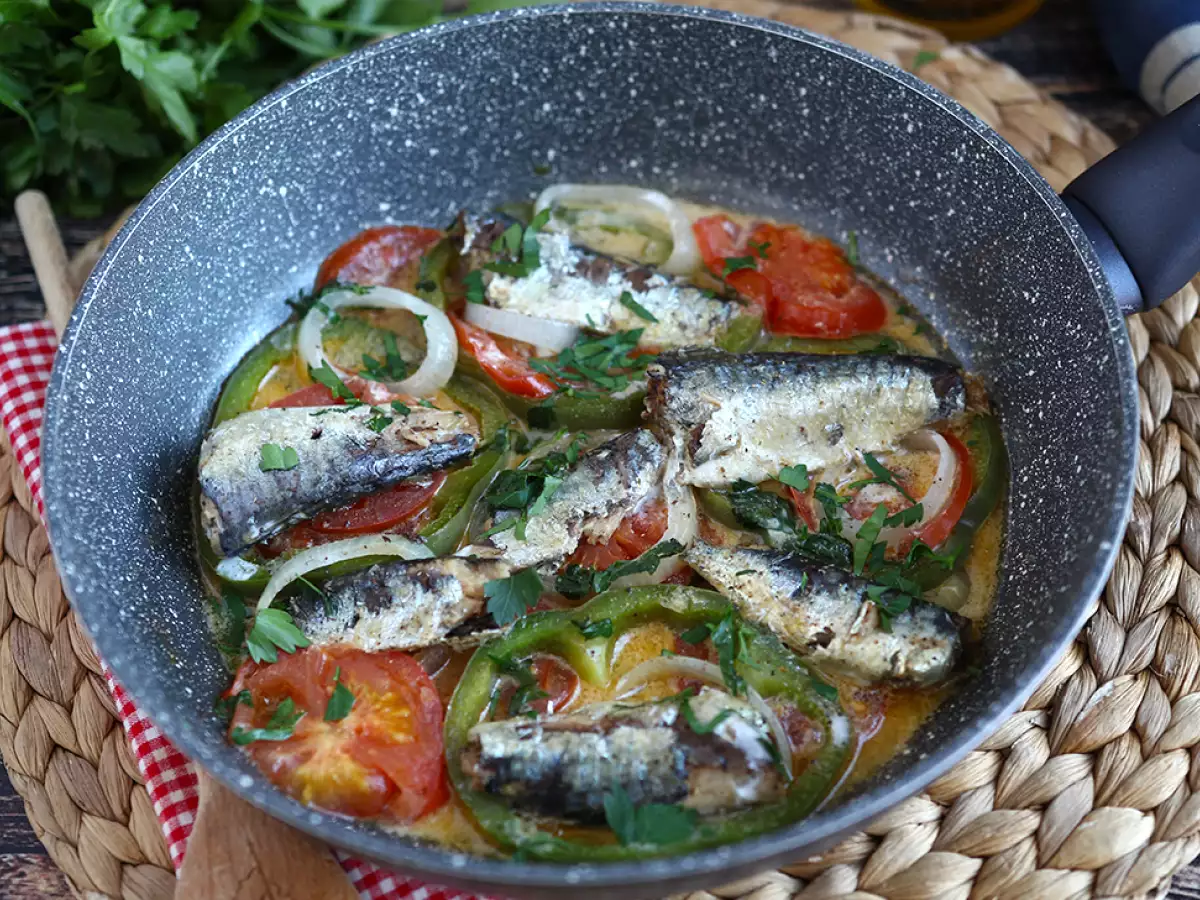
One of Brazil’s most traditional dishes, made easy and affordable. Got a can of sardines handy? Open it, because we’re going to use it to make a quick, healthy recipe for everyday meals: the much-loved moqueca with coconut milk and vegetables. Follow...
7. How to make any canned sardines taste better
Practical summary: choose sardines in water when you want a light, controlled flavor; choose sardines in oil when you want flavor and texture. The best option is the one that pairs well with the recipe.
 Mirella Mendonça
Comments