The oven-off trick chefs love: these 9 recipes finish cooking on their own and here’s why it works
Turning off the oven ahead of time may seem like a mistake, but it is actually one of the smartest and most underrated cooking techniques in the kitchen. The so-called oven-off paradox uses residual heat to complete cooking in a more gentle, even and controlled manner. The oven, pan, and food store heat energy and slowly release it even after it is turned off, allowing dishes to continue cooking without additional consumption.
This means better textures, less risk of food drying out, and more conscious energy management. It's a perfect strategy for people who want better-tasting dishes with less waste. If you really want to understand how it works, try the recipes below and experience for yourself how much of a difference the oven's residual heat can make.
Read also:
 These 7 low-effort bakes turn out so good, no one will believe how little you actually did
Discover 7easy and delicious baked recipes that almost cook themselves! Quick preparation, stress-free baking and amazing results-perfect for those who are short on time but don't want to sacrifice taste.
1. Baked chicken
What happens: the meat finishes cooking internally while remaining softer.
When to turn off: when the chicken is well browned on the outside and, piercing the thickest part with a fork, the juices come out almost transparent.
Why it works: the accumulated heat continues to slowly seep inward, completing the cooking process without drying out the surface. So the baked chicken remains juicy and tender even without a thermometer.
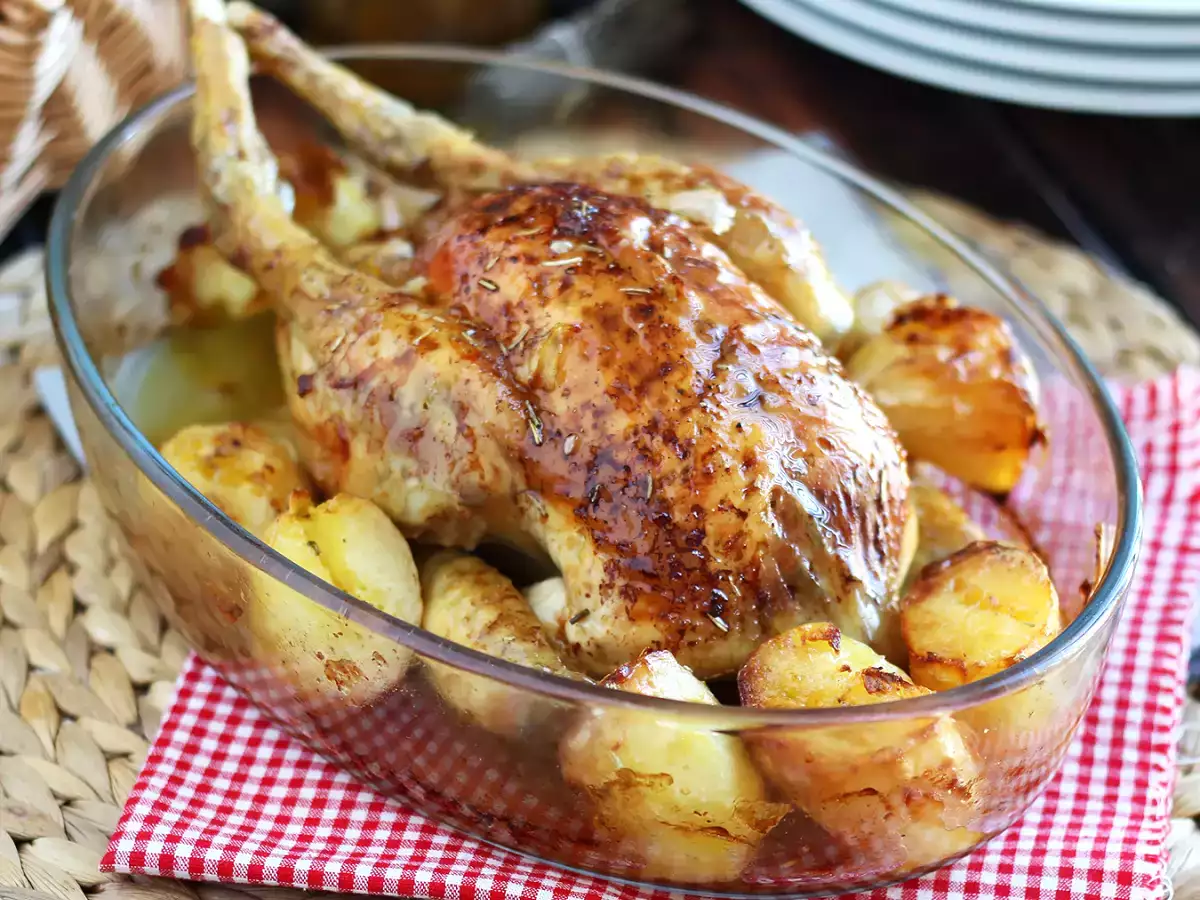
The perfect Sunday chicken that we love :-) Today, we show you how to prepare our roasted chicken in the oven. A simple recipe that is timeless! Follow the step-by-step instructions below with our photos and video.
2. Soft apple cake
What happens: the dough firms up while retaining moisture.
When to turn off: 5 minutes before the set time, when the surface is golden brown and the toothpick comes out almost dry.
Why it works: the mold retains heat and completes baking gently, preventing the cake from drying out too much.
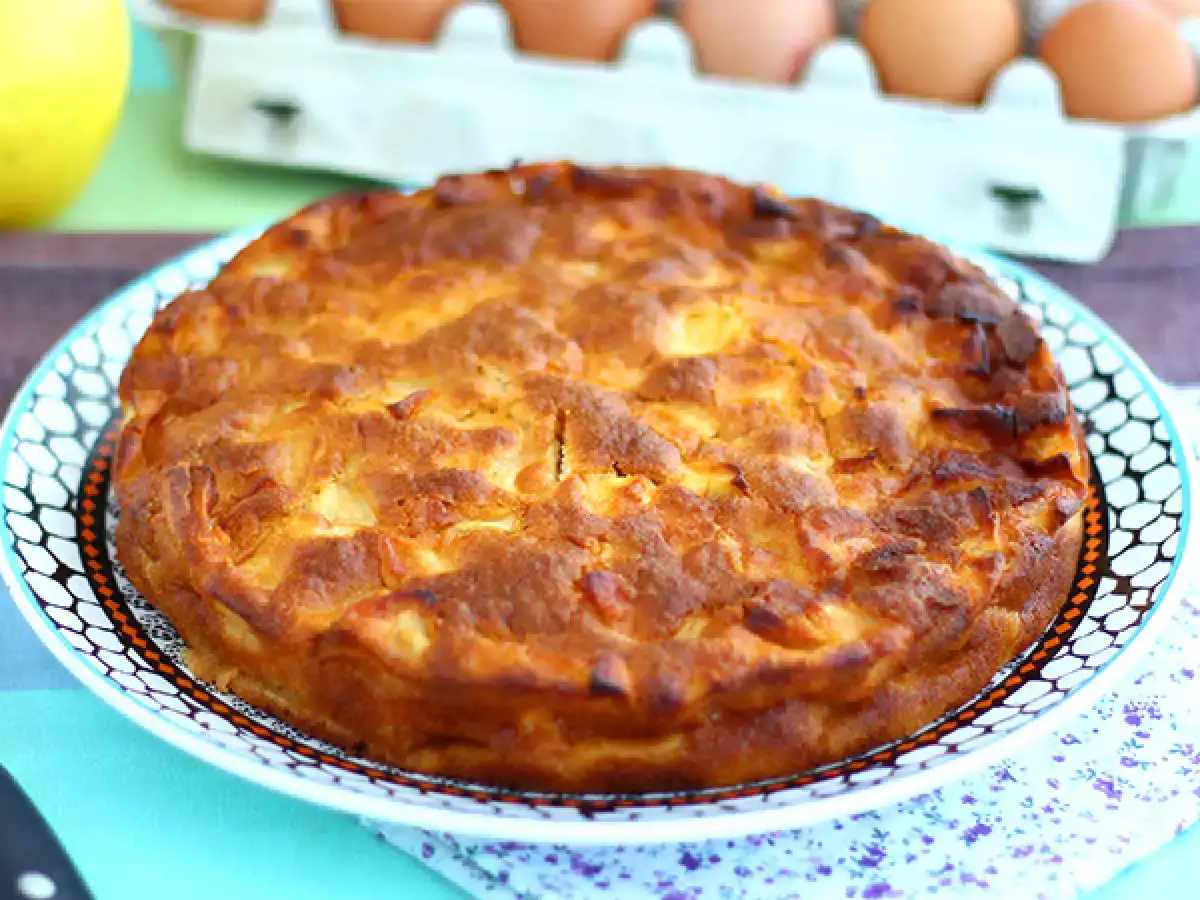
The easiest cakes are always the best ! Especially when you use seasonal fruits ! Here is our apple cake recipe .
3. Baked lasagna
What happens: the layers compact and the béchamel stabilizes.
When to turn off: 5 minutes before the indicated time, leaving the pan in the closed oven.
Why it works: the residual heat allows the starches to settle gradually. The result is a firm, creamy, well-defined slice.
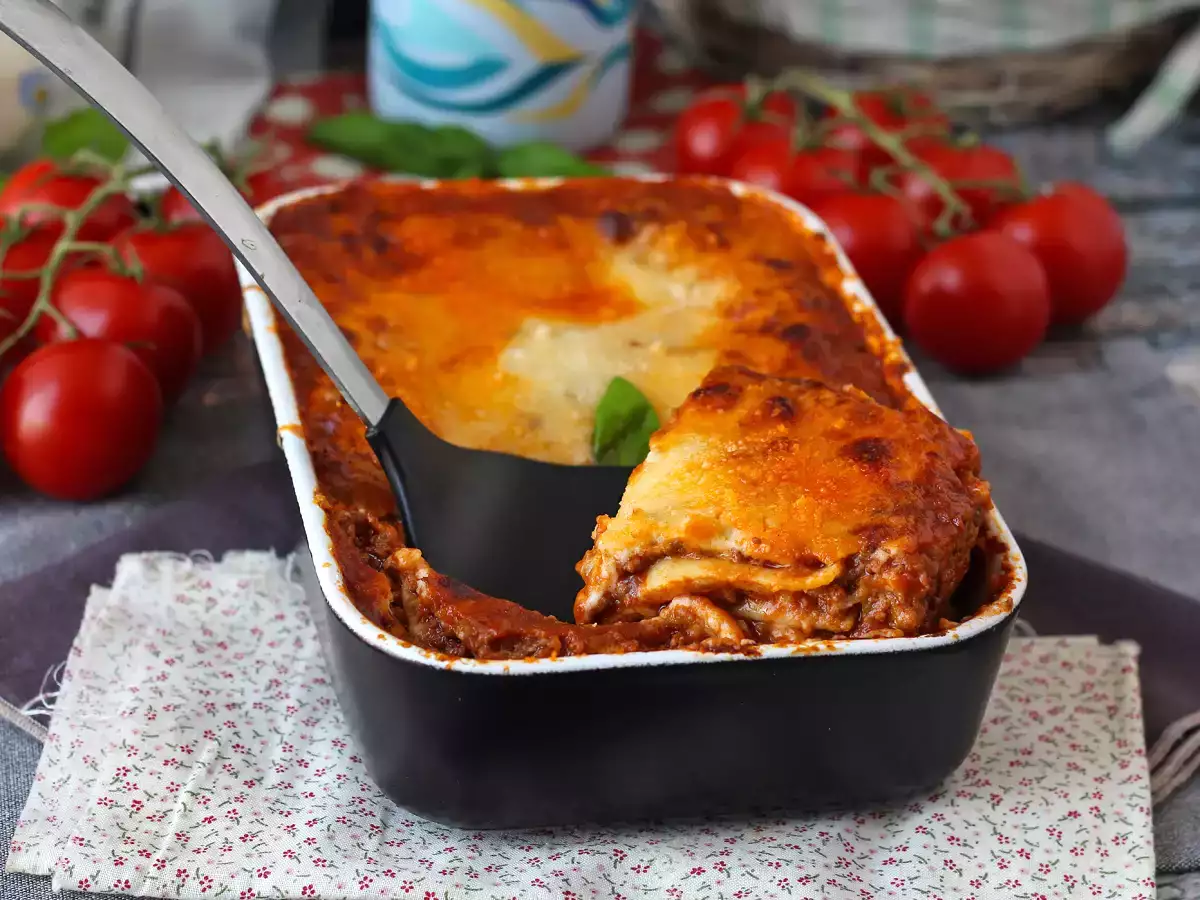
If we had to choose one dish that everyone agrees on, it would be lasagne bolognese ;) With its generous layers of pasta, long-simmered Bolognese sauce , creamy béchamel sauce and golden Parmesan gratin, it's the recipe par excellence for a...
4. Potato cups
What happens: the inner structure compacts better.
When to turn off: just before the surface is fully browned.
Why it works: resting in the hot oven allows the ingredients to bind, making the flan more stable when cut and creamy to the bite.

Who doesn't love a good mashed potato ? But wait, there's more! Get ready to discover the perfect accompaniment to sublimate your dish: mini mashed potato cups that are crispy on the outside and melt-in-your-mouth on the inside. With a blend of...
5. Baked eggplant (and other vegetables)
What happens: they soften while retaining flavor and color.
When to turn off: a few minutes before the end, when they are already well cooked but still slightly firm.
Why it works: the gentle heat continues to slowly cook the vegetable fibers, preventing them from becoming too soft or burned at the edges.
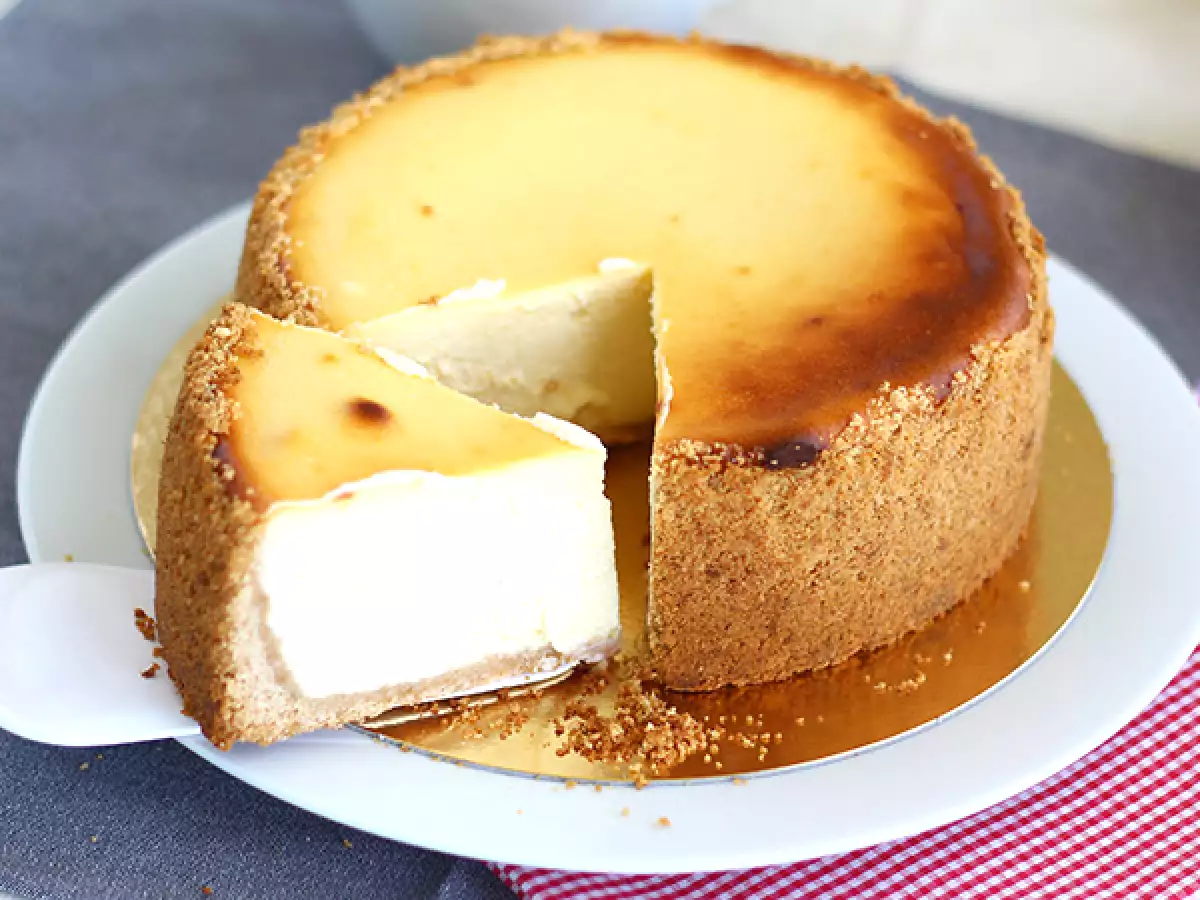
6. Baked cheesecake
What happens: the surface remains smooth and even.
When to turn off: when the center is still slightly flickering.
Why it works: gradual cooling prevents temperature changes that cause cracking. The cheesecake continues to firm up slowly.
7. Baked fish
What happens: the steam gently completes cooking.
When to turn off: when the fish is almost completely opaque but still soft in the center.
Why it works: the foil retains heat and moisture, allowing even cooking that keeps the fish tender and juicy.

For a healthy, quick, and easy meal, nothing beats cooking in parchment! Today, we offer you a recipe for salmon paired with carrots and leeks. This foolproof preparation comes with written explanations and photos, all step by step. You will achieve an...
8. Pasta or vegetable gratin
What happens: the inside settles while the crust remains crisp.
When to turn off: as soon as a nice browning forms on the surface.
Why it works: the accumulated heat continues to bind cheeses and starches, improving texture and firmness.

Use your pasta leftovers to make this delicious recipe! This easy-to-make dish will please the whole family. You don't need to be an experienced cook to feed your tribe with a smile. Step by step, we guide you through the preparation of this extra...
9. Brownies
What happens: the heart remains moist and melting.
When to turn off: when the toothpick comes out with moist crumbs but not raw dough.
Why it works: residual heat completes the texture without over-drying, giving intense, soft brownies.
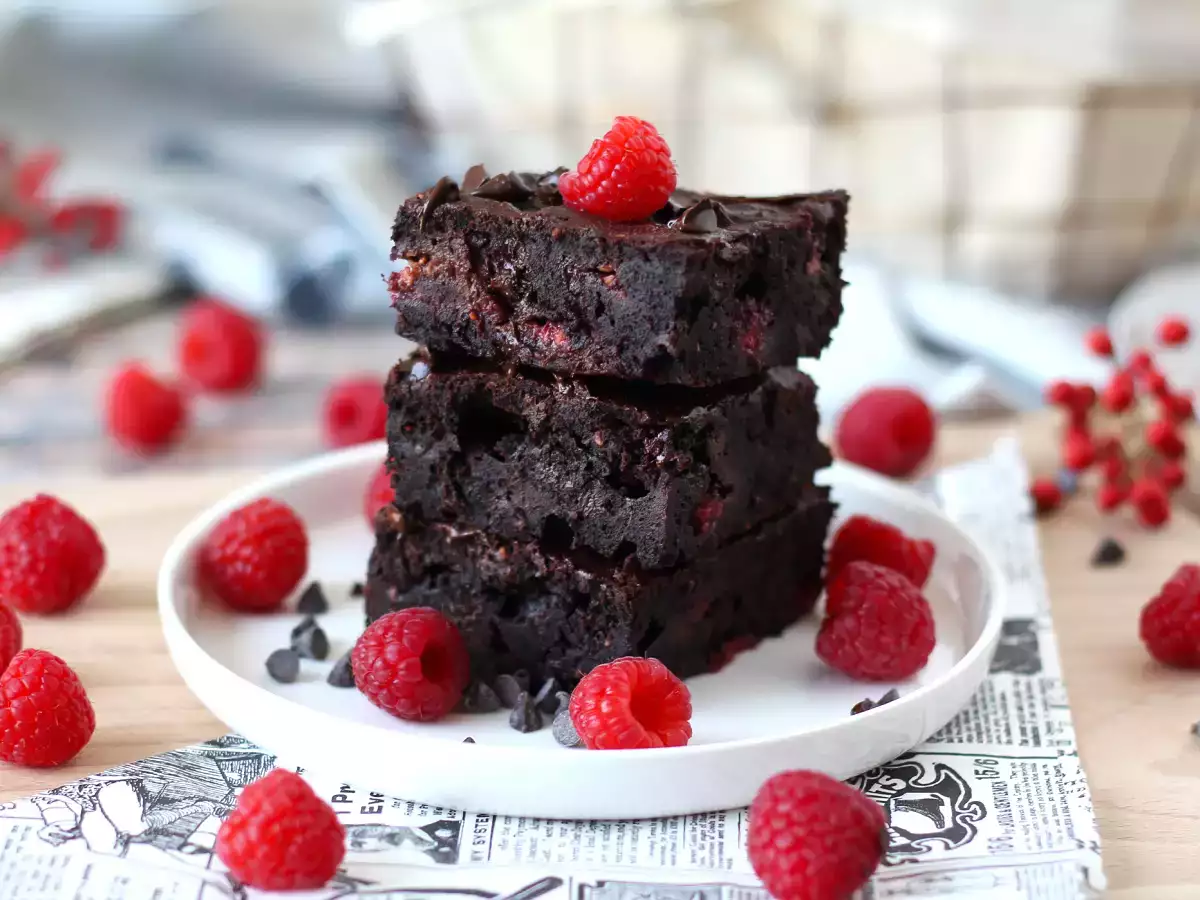
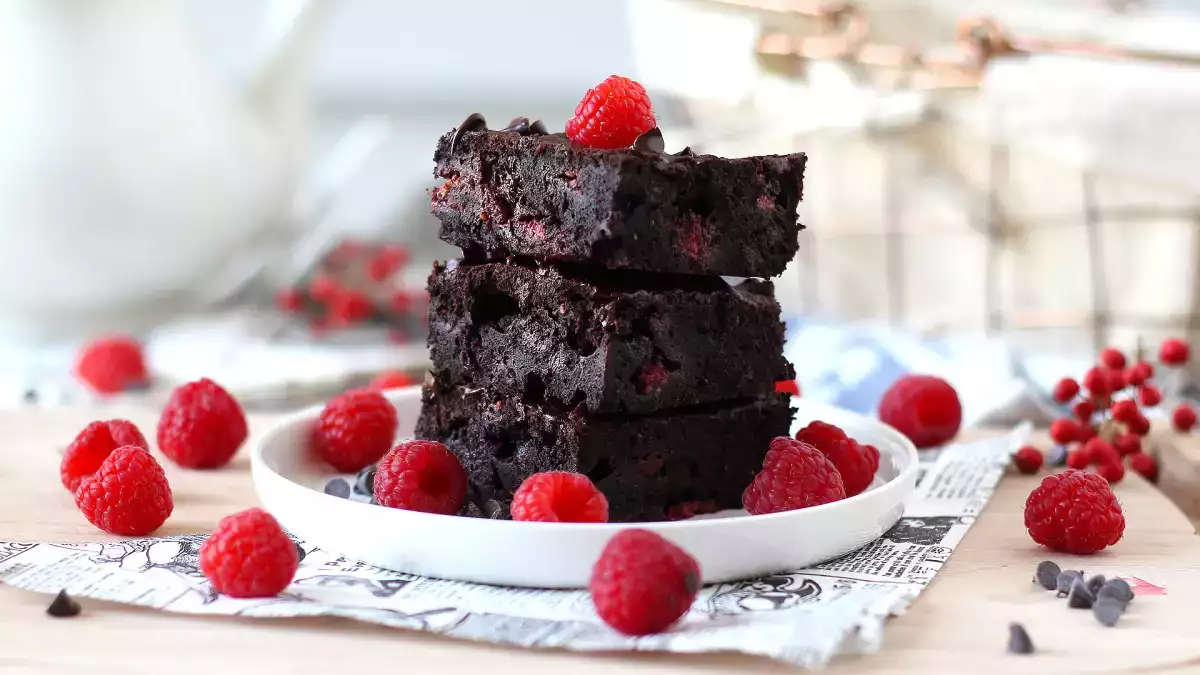
You loved our combination of cherries and chocolate in our blondie recipe , so we also tried the raspberry-chocolate combo in a brownies for an ultra-gourmet and regressive dessert . Imagine, pieces of tangy raspberries that come to mingle with...
Why the oven off improves home cooking
The secret is thermal inertia: the oven retains heat and releases it gradually. This makes cooking gentler and more controlled, ideal for those who cook at home without professional tools.
The benefits are concrete:
- Juicier dishes
- Softer desserts
- Lower risk of burns
- Better final texture
- Small energy savings
The oven-off paradox is a simple but powerful technique. Once tried, it becomes one of those tricks that change the way you cook every day.
 Daniele Mainieri
Comments