When lemon rules: 7 main dishes where it's not a "finishing touch"
Some chefs splash it over roast chicken, plenty of people can’t imagine fried fish without a wedge on the side, and in some regions lemon goes on everything from oysters to club soda; while others give you side-eye if you even suggest it. In American cooking, lemon is one of those ingredients whose presence almost never goes unnoticed.
Sometimes it sneaks in at the end, just a squeeze “to brighten things up.” And of course there are endless lemon desserts. But this article isn’t about that (or about its role as a cheerful sidekick), and it’s not about the sweet stuff either. Here, lemon is in charge.
In these recipes it works as a real tool in main dishes. In some, it marinates and changes the texture; in others, it roasts alongside the star ingredient to perfume it; in others it’s whisked with fat into a full-on sauce. The interesting part (and the real reason for this collection) starts when lemon stops being a garnish: when it’s not just there to “add a touch” at the end, but to lead the dish.
If you’re curious to see it in action, here are some ideas to try at home.
1) When the lemon has time, change the plate.
In a marinade, lemon is not for perfuming on top: its acidity starts to modify the outer layer of whatever you marinate (meat or fish). The acid denatures part of the proteins on the surface, and that is why two things change: how it feels when biting and how the marinade "grips".
- In meats, this work is mostly superficial, but useful: it helps the flavors to adhere and, with time, to integrate better. If the marinade contains yogurt, in addition to acidity, there is a dense base that sticks well and distributes spices and aromas more evenly.
- In fish, the effect is much more noticeable: the citrus can "curdle" them when cold (as in a ceviche). That is why the margin is narrow: if you spend too much time, the texture stops being juicy and can become dry and sandy.
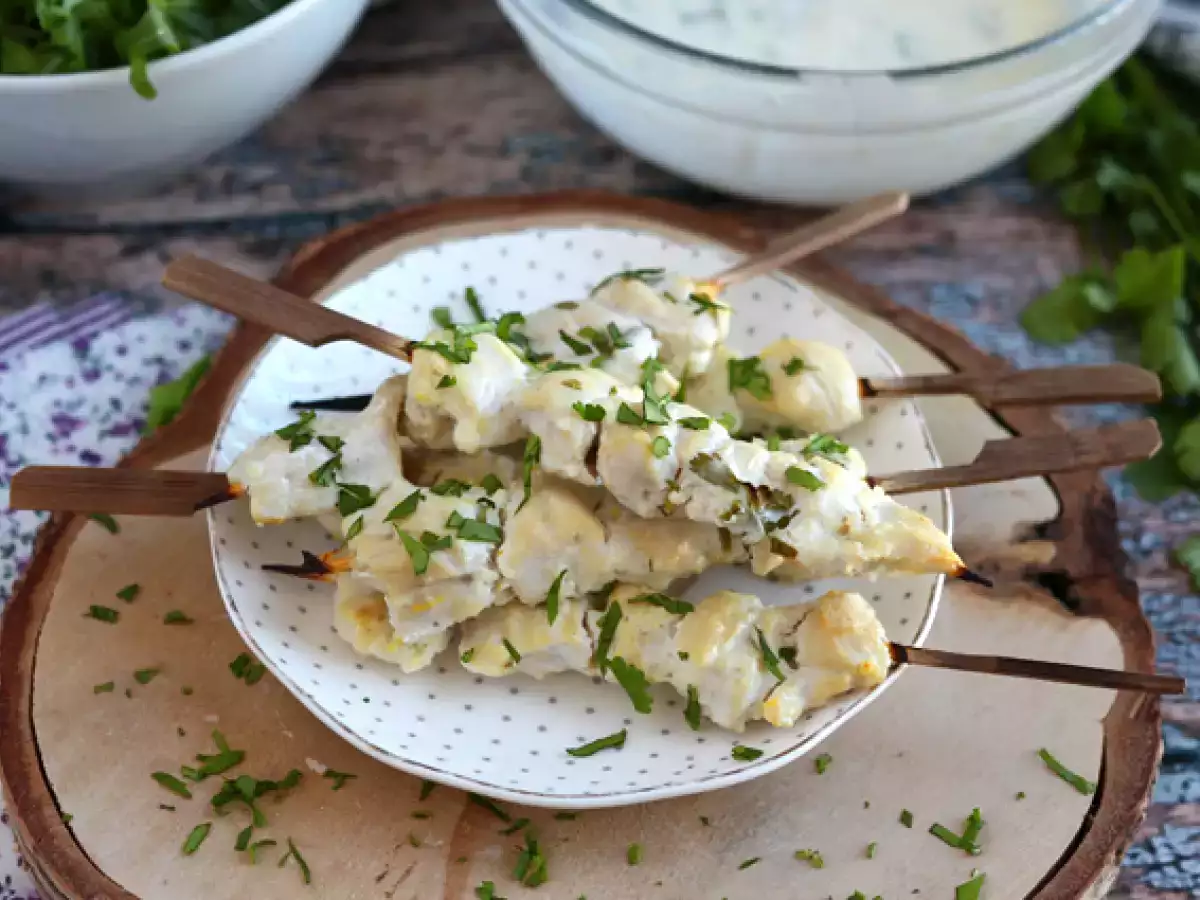
Do you have leftover yogurt in the fridge? Create a marinade for your chicken pieces! Mixed with lemon, garlic, and cilantro, just let it rest so the meat absorbs all these delicious flavors :-) Then, some skewers, cooking on the barbecue, in the...
2) Lemon on fire: oven and casseroles
With heat, lemon changes register: the acidity softens, the aroma is transformed and the flavor stops "poking" to integrate. In baking and stews, moreover, it gets along especially well with fat: oil, butter or the roast juices themselves mix with the lemon and leave you with a bright sauce (juices + fat + acidity) without having to reduce anything for hours.
The pickled lemon plays in another league: it is not to give acidity, but to provide a salty, citric and slightly acid taste, perfect with olives and spices in tajine-type dishes. Here the lemon is an ingredient, not a garnish.
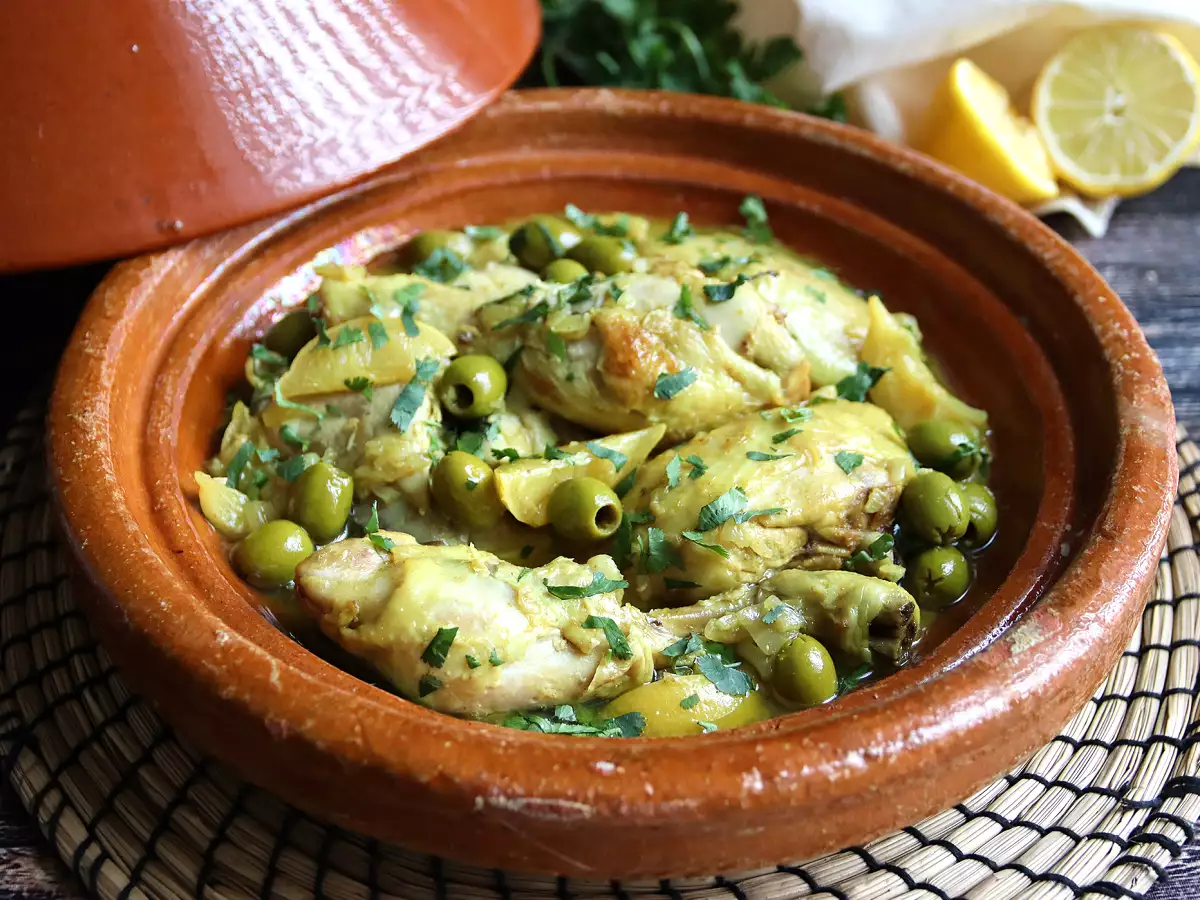
What better family dish than the tagine ?! Here, we suggest you combine the flavors of chicken , lemon and green olives . Without forgetting to sprinkle everything with fresh cilantro for those who are a fan of it ;-) With this, you can cook...
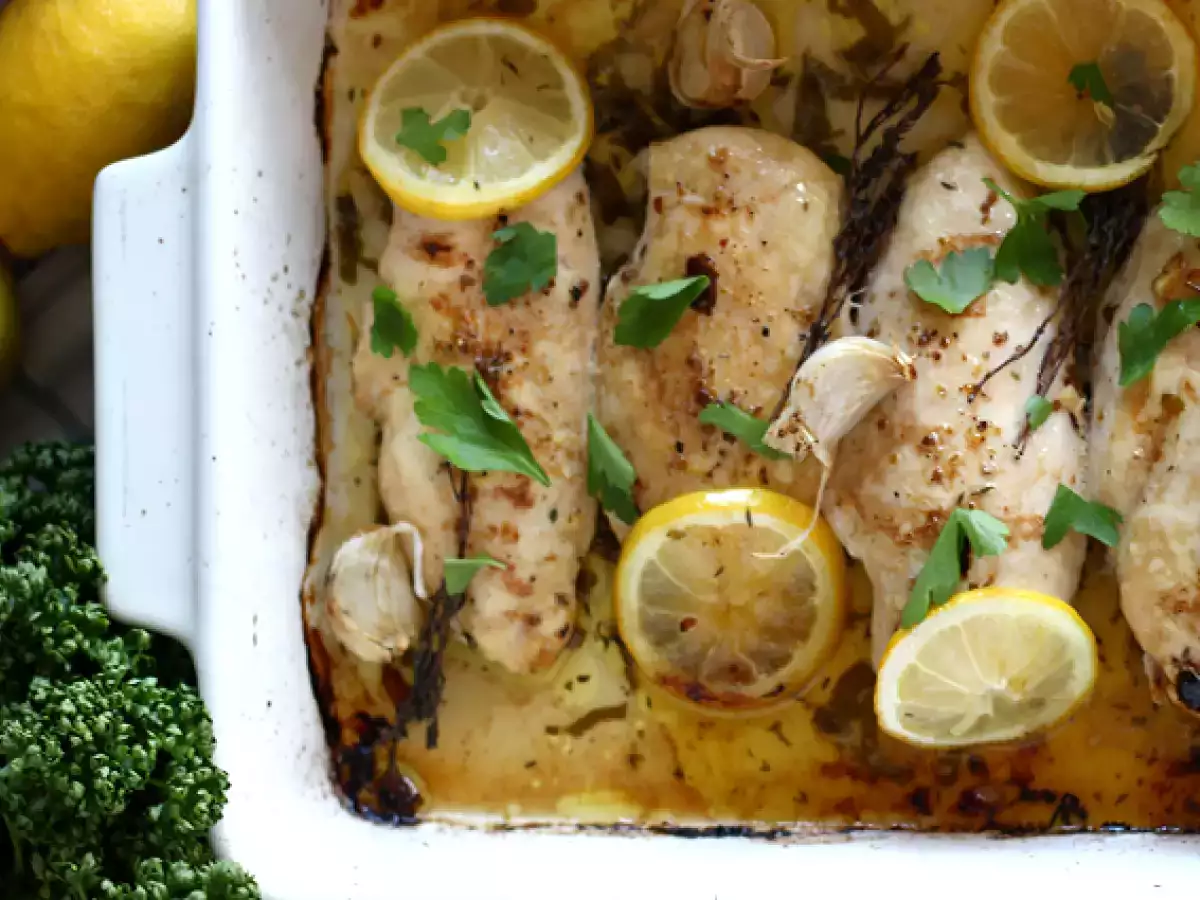
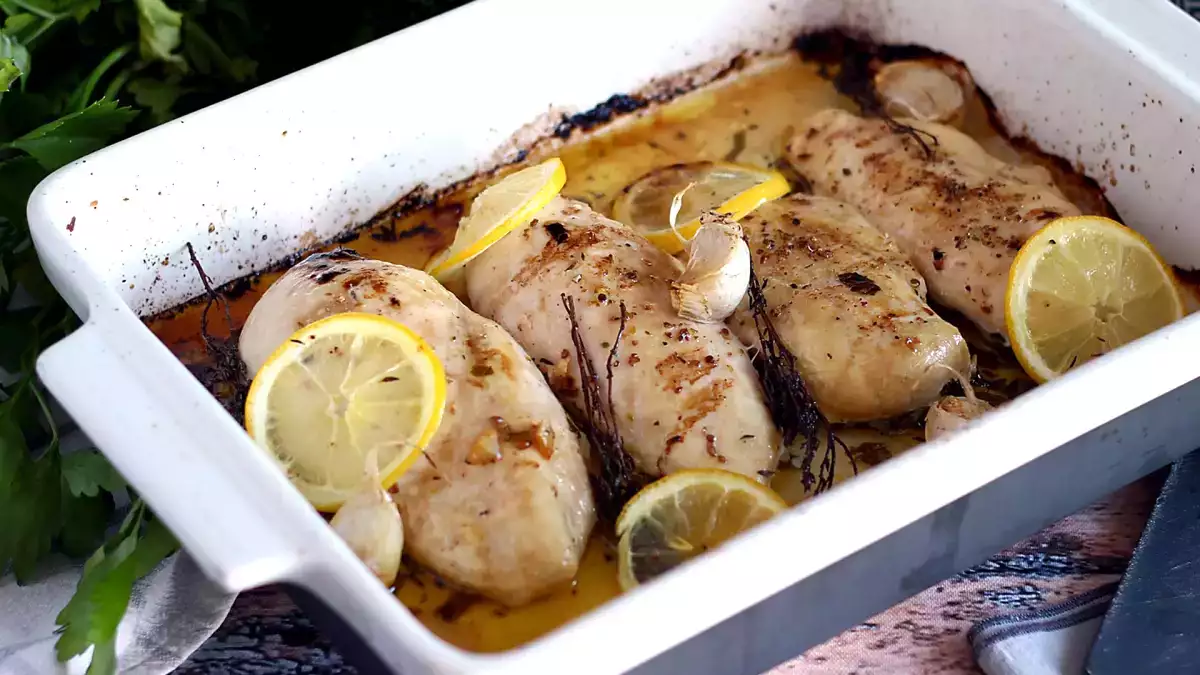
This is a very simple recipe to make, quick and convenient for family meals. It takes no time to prepare and cooks itself in the oven without dirtying the kitchen. In half an hour, your meal is ready! You can serve these lemon breasts with basmati...
3) Lemon binding: creamy sauces
Lemon in a risotto or in a creamy pasta? Yes, and used well it does not leave the dish acidic: it leaves it lighter, with a lively point.
The key is usually an emulsion: fat (oil or butter) + a little cooking water + movement. In pasta and risotto, moreover, the starch in the rice or cooking water comes into play, which helps everything to come together and not to be cut. In this context, lemon does two things: it brings balance and reinforces the flavor.
To make it work, it is advisable to separate roles: zest for the aroma (the oils from the peel) and juice to adjust the acidity and give structure to the whole.
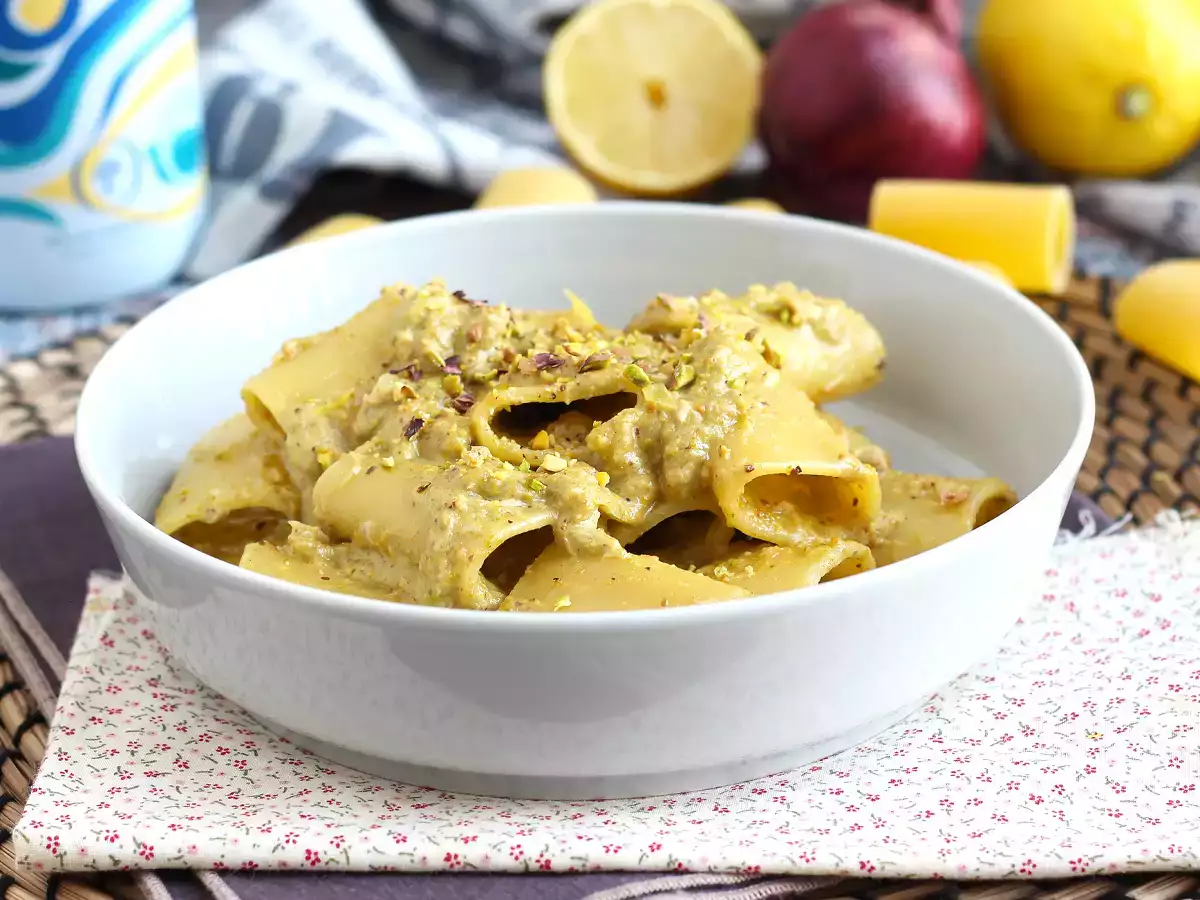
We're done with carbonara and bolognese sauce huh... We often want to change the sauce but we never know which ingredients to go for. Today we offer you a new association that you should like: tuna + pistachio + lemon. With maxi pasta where the...
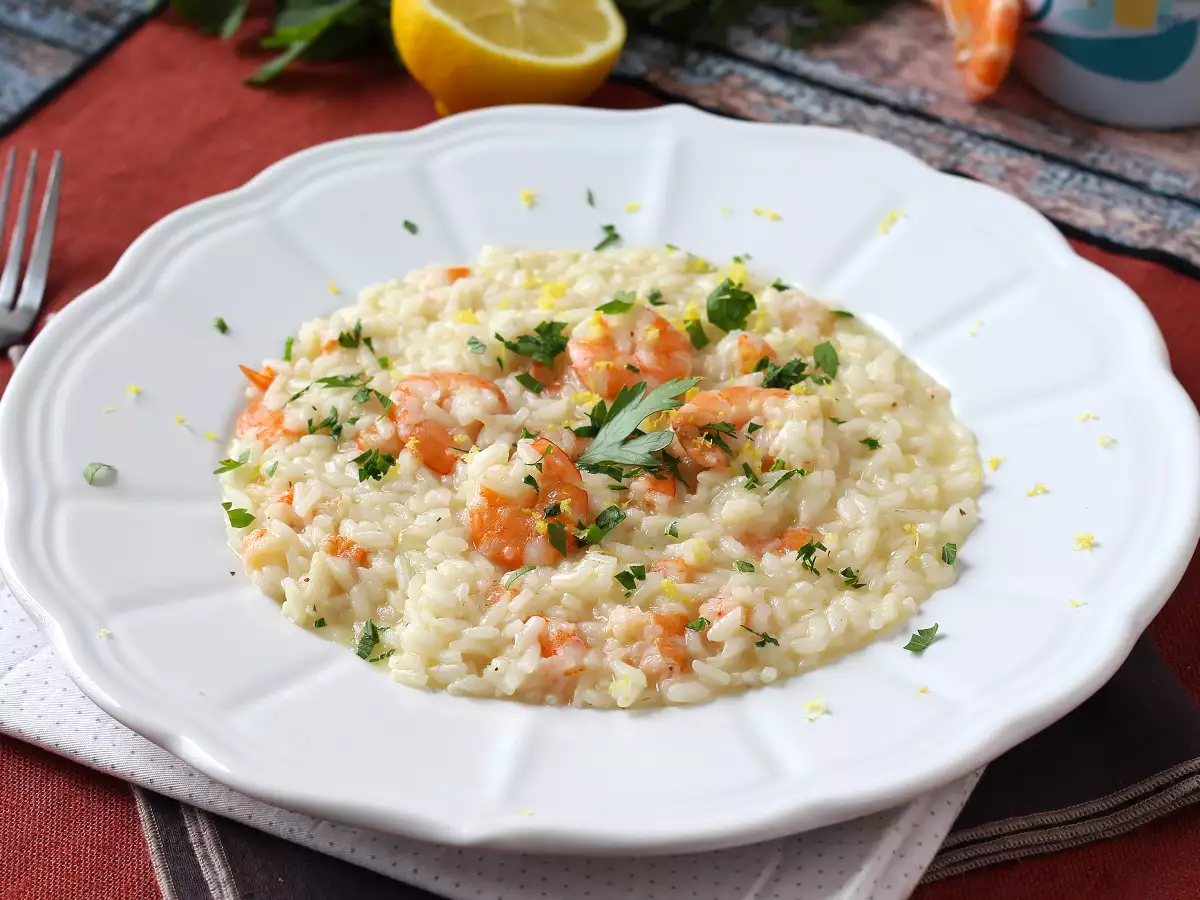
Shrimp and lemon risotto is an iconic dish of Italian cuisine , ideal for special occasions (even a romantic dinner ❤). Elegant and balanced in flavor, it combines the creaminess of the rice with the sweetness of the shrimp and the freshness of...
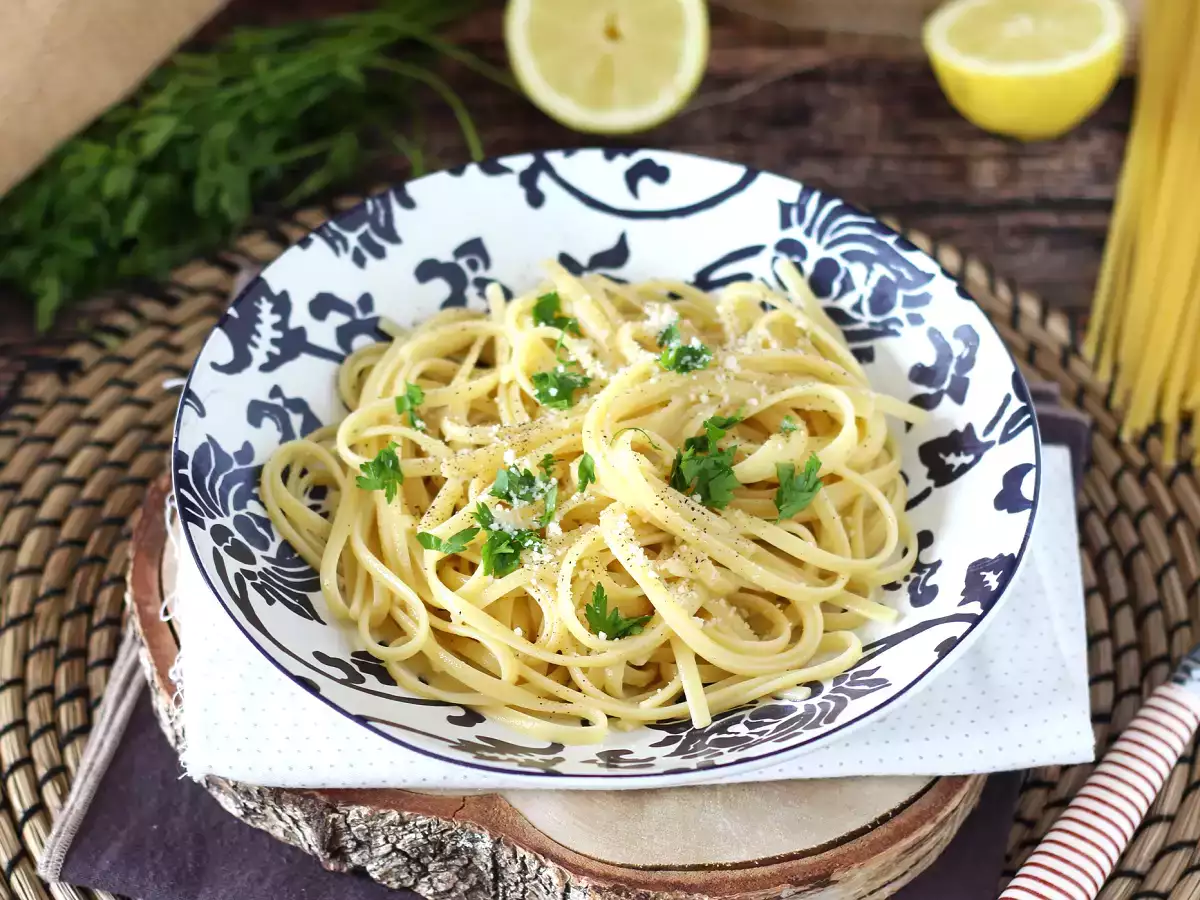
Let's travel to south of Italy, to the region of Campania, with this lemon pasta recipe !
 Patricia González
Comments