8 Desserts with chocolate and vanilla: a combination that is always appetizing
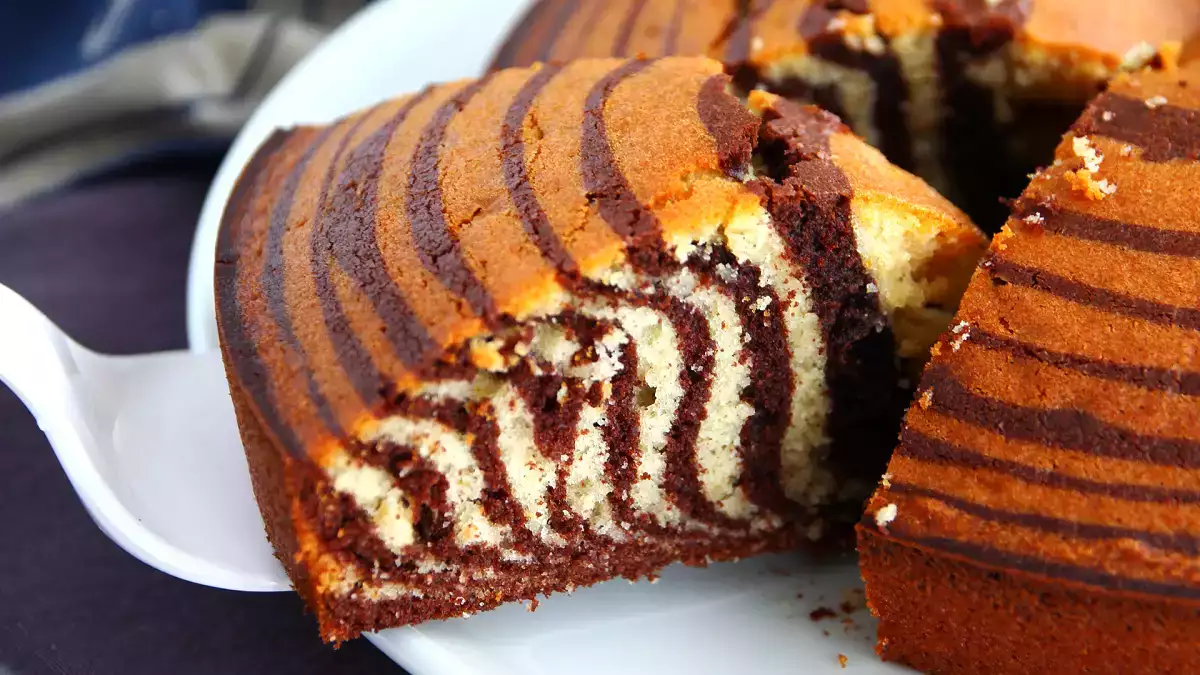
Chocolate and vanilla form one of those pairs that seem to be made to understand each other. They are in almost everyone's taste memory, they appear in homemade recipes and in great pastry classics, and they have the rare virtue of being familiar without becoming tiresome. It doesn't matter whether they are presented in a breakfast cake, a spoon cream or a celebration cake: together they work with a naturalness that is hard to match.
Chocolate brings depth, body and a range of nuances that can go from bitter to creamy, from roasted to milky. The vanilla, on the other hand, does not seek to impose itself, but to round off. Its aroma is warm, soft and persistent, capable of softening the most intense profiles and giving a fuller sensation to the mouthfeel. When combined, the result is not usually a sum of flavors, but a more harmonious, enveloping and gourmet blend.
A combination that works
Part of the success of this pair lies in its balance. The chocolate has character and presence; the vanilla, on the other hand, works in a more discreet and enveloping way. It does not steal the show, but it changes the result. It can make a chocolate dessert more aromatic, rounder and less flat. It also helps to bind ingredients such as cream, milk, butter or eggs, very present in pastry making.
That is why this mixture appears in many different preparations. It works in whipped batters, where vanilla perfumes and chocolate adds intensity; in creams and fillings, where both become softer; and also in cold desserts, where vanilla sustains the flavor when chocolate becomes denser or sweeter. There are more striking, more modern or more unexpected combinations, but few as reliable as this classic one.
Not all chocolates give the same result
When talking about chocolate in confectionery, it is necessary to pause for a moment to consider its different versions, because the result varies considerably depending on which one is chosen.
Dark chocolate offers a more intense profile, with bitterness, roasted notes and a stronger presence. It is the one that works best when looking for contrast and depth, especially in cakes, brownies, mousses or biscuits with more character.
Milk chocolate, on the other hand, gives softer and creamier desserts, with a more evident sweetness. It usually fits very well in fillings, toppings or doughs designed to please everyone.
White chocolate plays in another register: it does not bring the bitterness of cocoa, but a creamy texture and a sweet background that combines very well with vanilla in cheesecakes, creams, ganaches or cold desserts.
The choice, therefore, is not minor. Depending on the type of chocolate, vanilla acts differently: sometimes it balances, sometimes it accompanies and sometimes it enhances.
Vanilla, that aroma that changes it all
For a long time, vanilla has been reduced to a secondary role, as if it only served to "give scent" or to slightly sweeten a dessert, a pastry cream or a custard. But in reality it does much more than that. Used well, it adds aromatic depth, rounds out flavors and leaves a gentler mouthfeel. In many recipes, it is precisely what prevents the whole from being flat or excessively sweet.
It is also worth remembering that not all forms of vanilla are the same. The natural pod offers a cleaner and more complex perfume; the extract is practical and gives good results when it is well chosen; vanilla sugar can be used in simple preparations, although it tends to be less expressive. In any of its versions, its role is not to disguise the chocolate, but to accompany it so that it can express itself better.
Cakes, custards, tarts and spoon desserts
Few combinations adapt so well to so many different formats. Chocolate and vanilla can appear in a marbled sponge cake, cupcakes, custard, mousse, panna cotta, cookies or layer cake. They work just as well in simple everyday recipes as they do in desserts designed for sharing or celebrating.
They also have something important in their favor: they can be used in many different intensities. This flexibility explains why they are still present in traditional home baking as well as in more modern versions.
Chocolate and vanilla dessert recipes to enjoy at home
With that foundation, it's no wonder there are so many recipes in which this pair shines with particular ease. From tender sponge cakes and creamy tarts to cold, spoonable or snackable desserts, chocolate and vanilla adapt to almost any occasion.
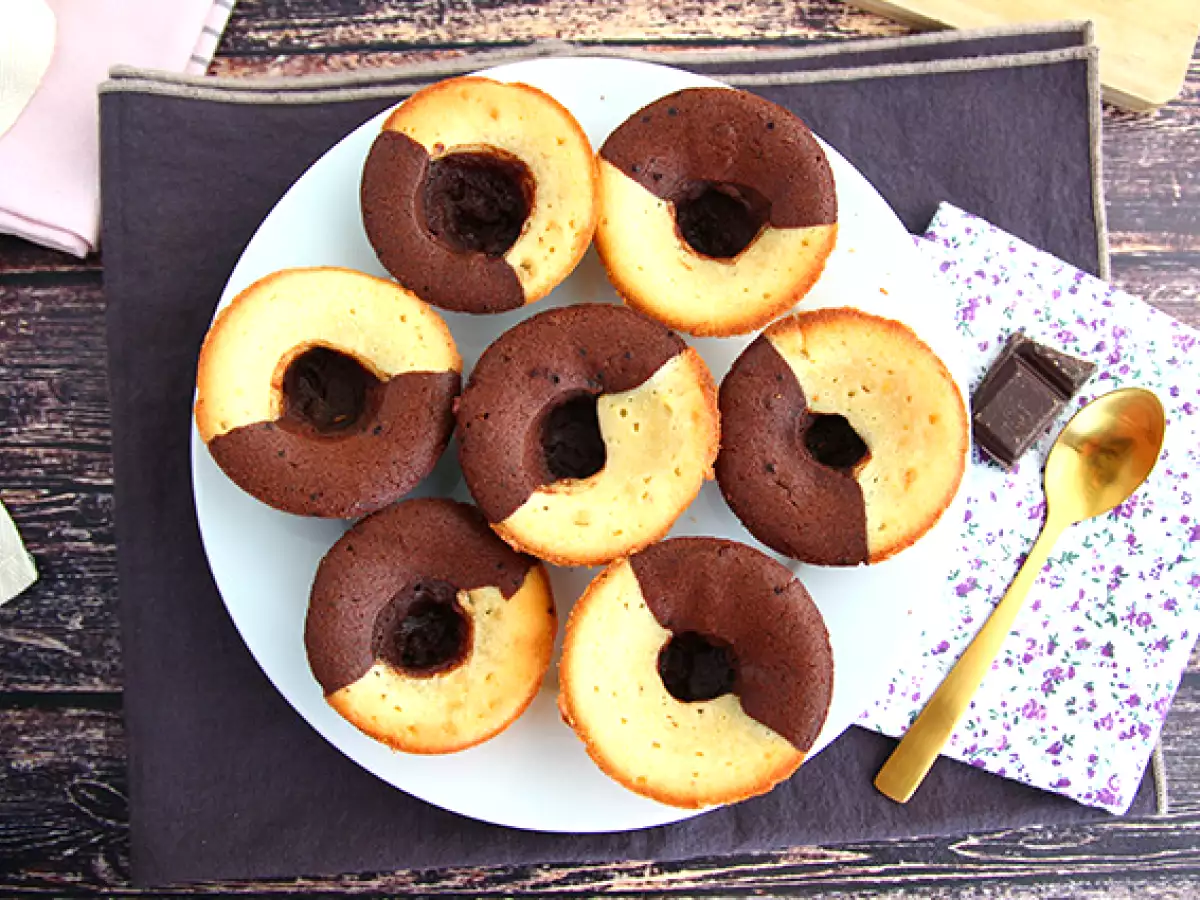
Can't decide between chocolate and vanilla for dessert? Don't worry! Mix both like in our two-tone muffin recipe :-) An easy treat to make that will please everyone :-) Feel free to involve your kids in making this recipe. We make it easy for you by...
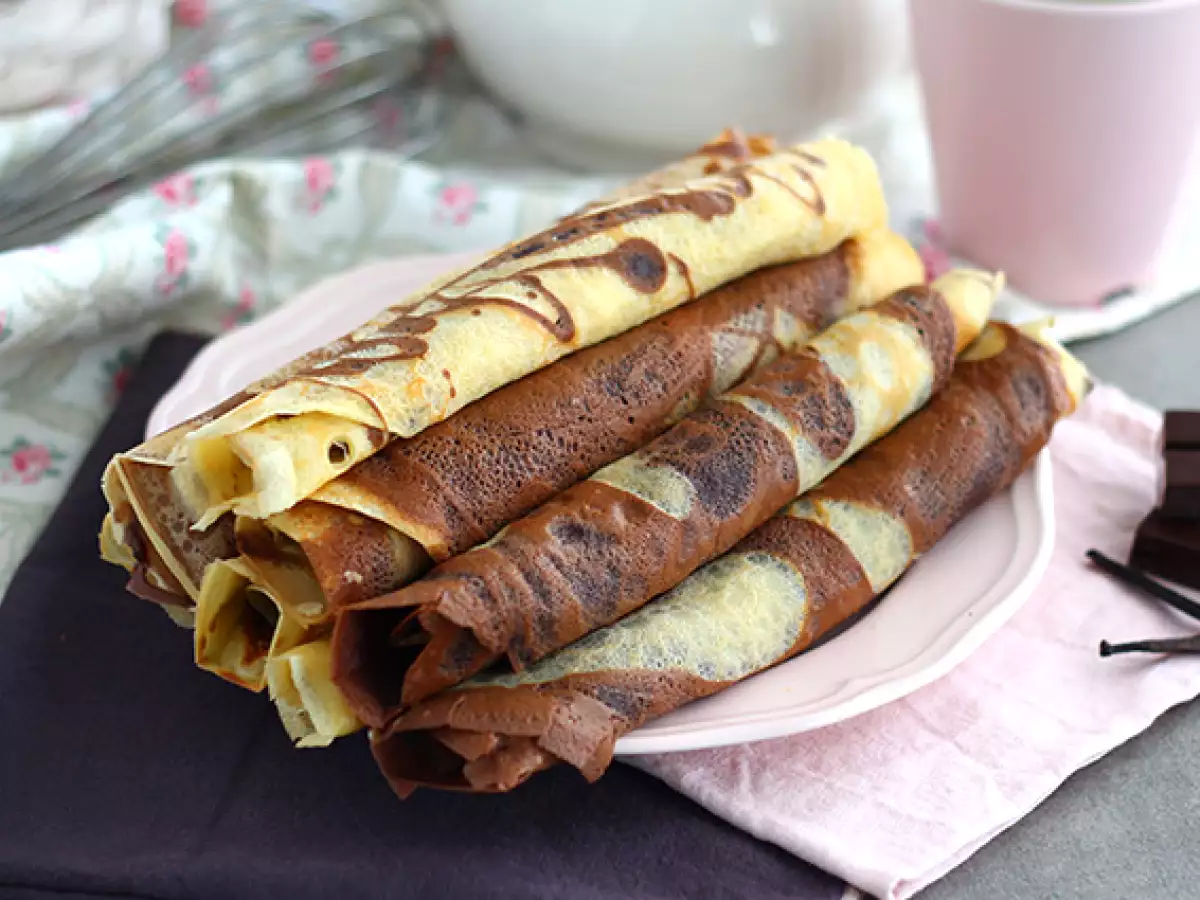
Discover the delightful marble crepes, a fun recipe to make with your kids! Easy and quick, these delicious marble crepes will add a unique touch to your celebrations this year. A family recipe that you can easily prepare with children before devouring...
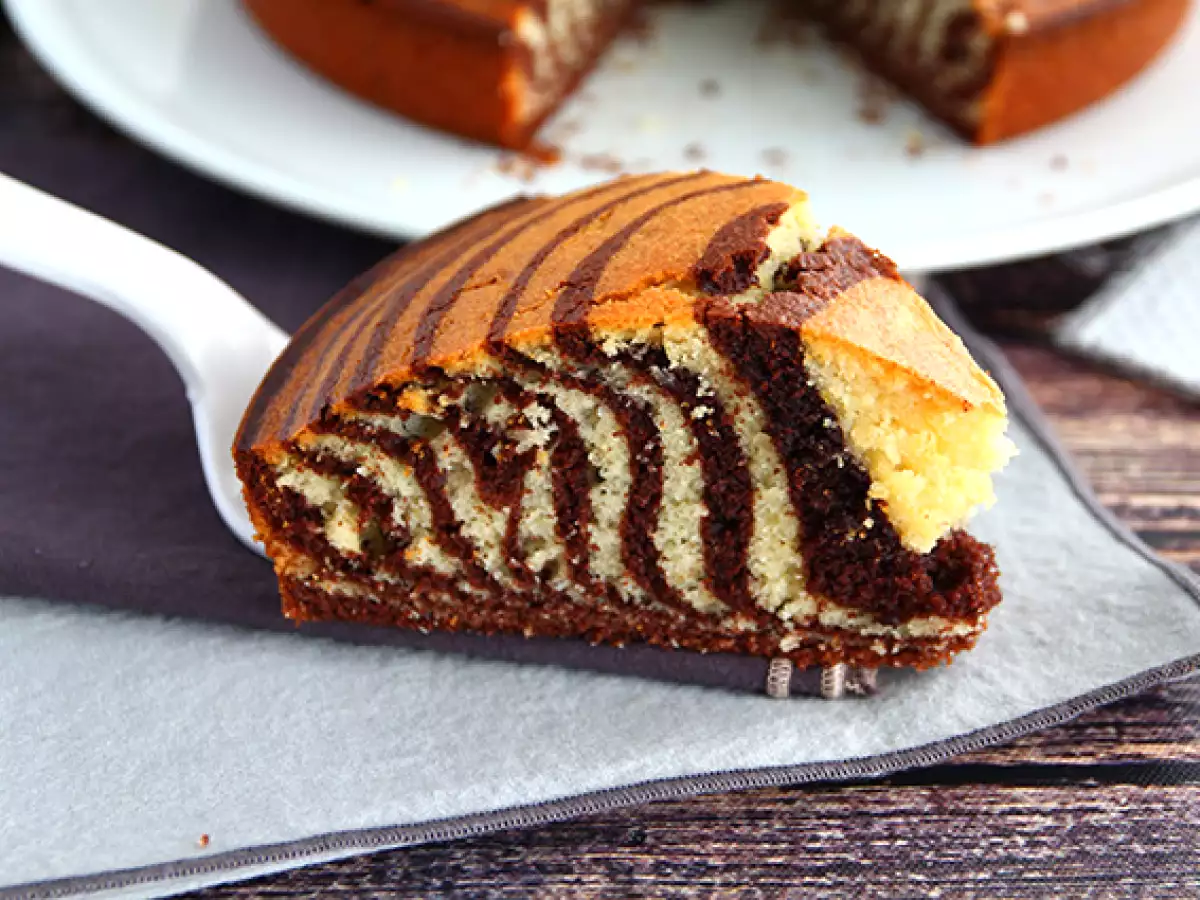
Transform your home into a savannah with this delightful zebra cake. A cousin of the classic vanilla/chocolate marble cake, it boasts a unique presentation and is just as easy to prepare. This recipe is perfect for making with kids for an afternoon...
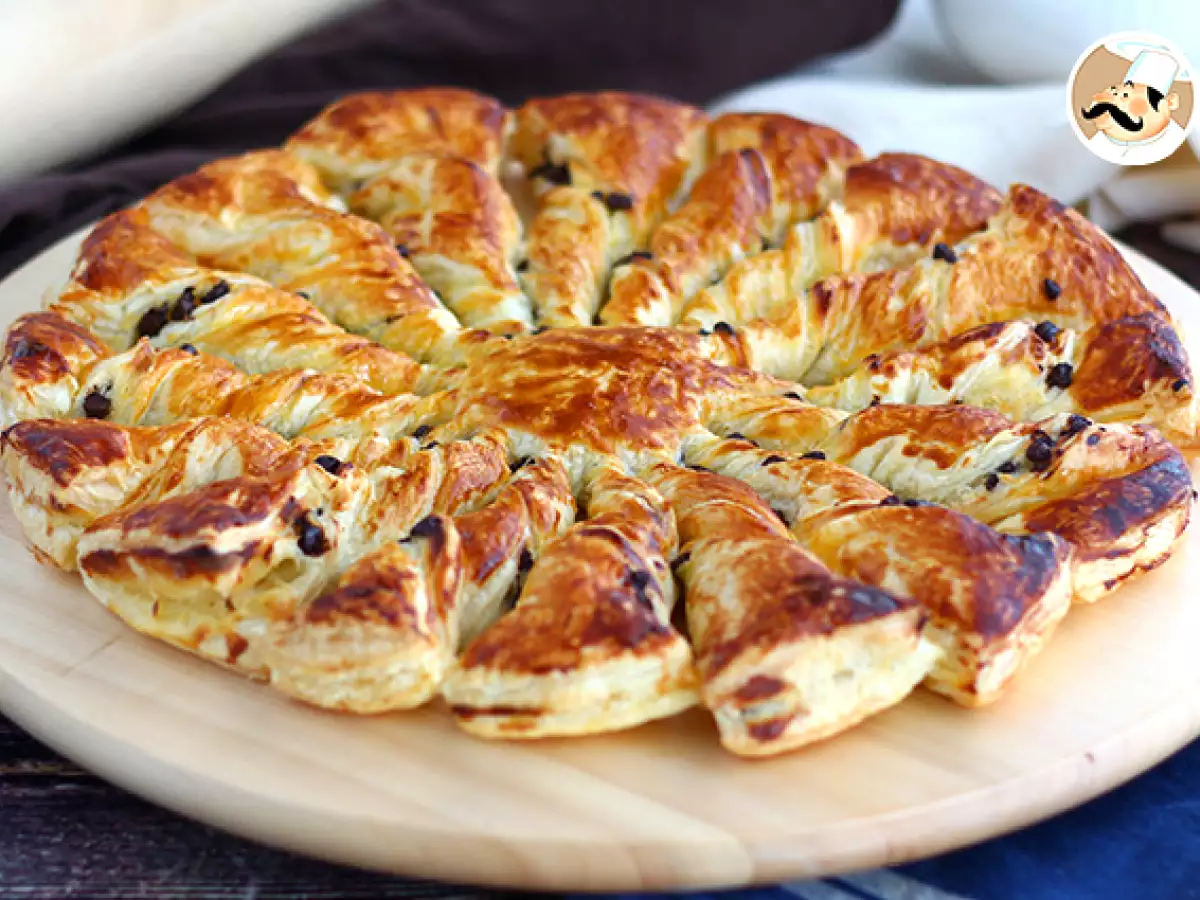
For dessert, we propose an original, indulgent, and of course easy recipe: the sun tart! Filled with vanilla pastry cream and chocolate chips, you will crunch with pleasure for this preparation. A recipe so simple to make that you can invite the kids...
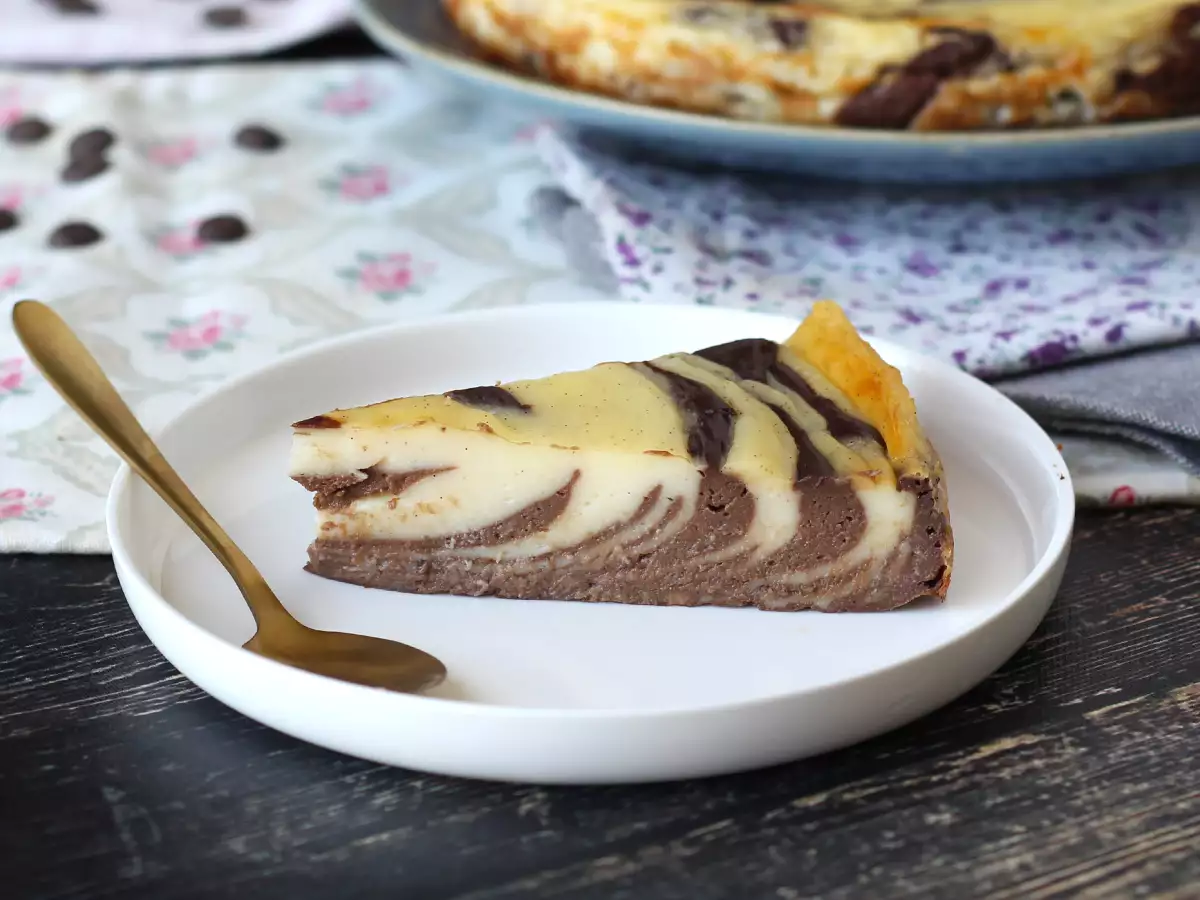
Want a dessert that's as pretty as it is delicious without spending hours on it? We've got just what you need with this marbled flan without crust ! Ultra-easy to prepare, it's a real eye-catcher with its pretty chocolate marbling that's sure to...
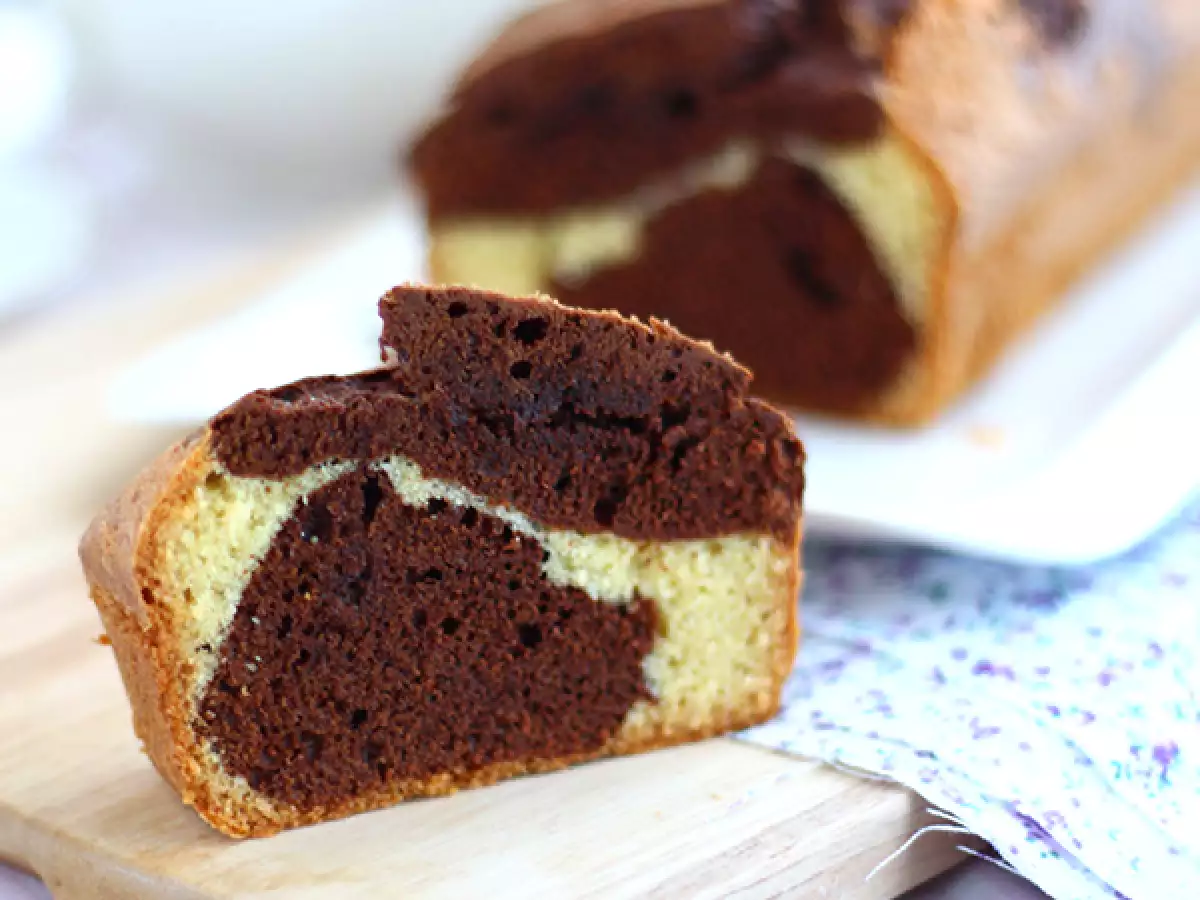
A really simple chocolate / vanilla marble cake, that will enchant everyone ! This recipe is really great to bake with kids !
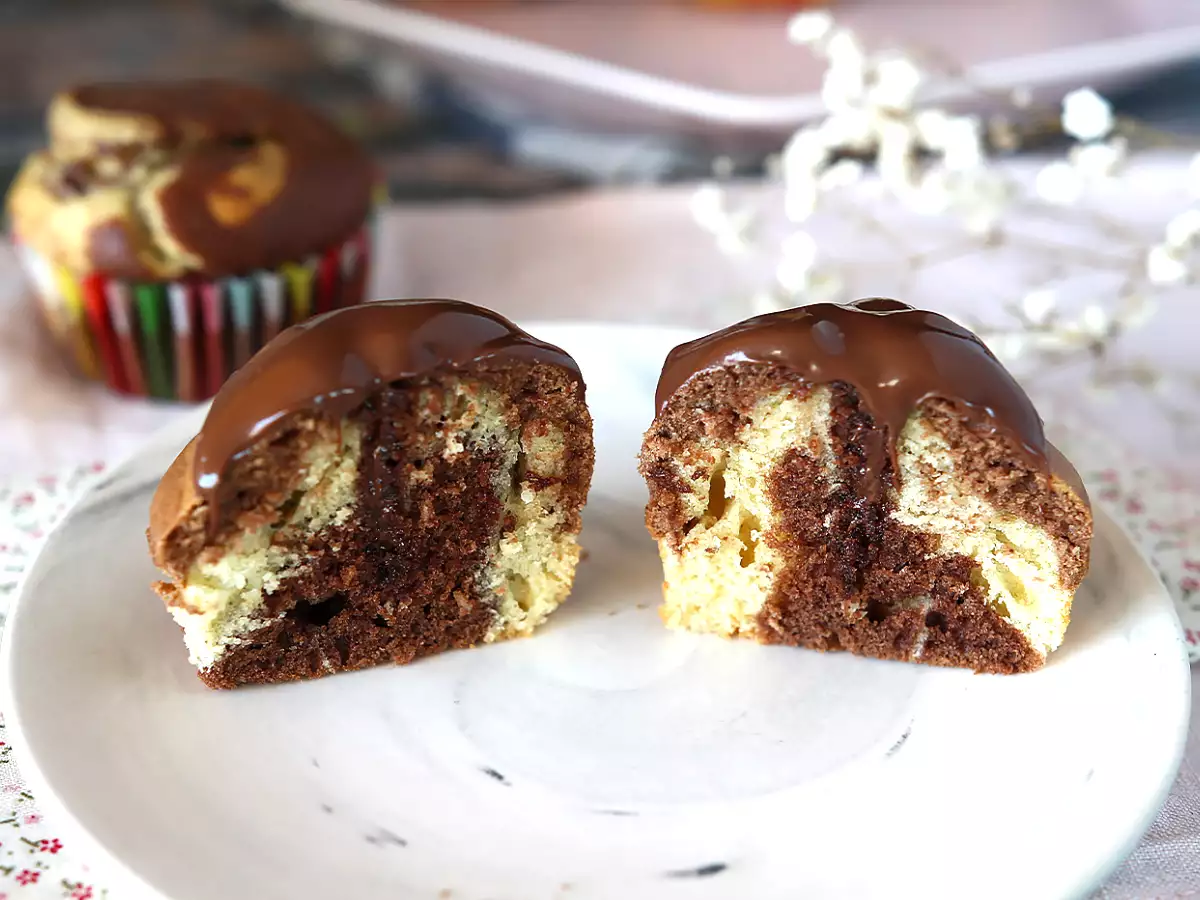
Discover the delightful marbled muffins! A perfect blend of vanilla and chocolate for your 4 PM snack. Store them in an airtight container and take them wherever you go. Bonus? Spread some chocolate spread on your muffins for an extra treat!
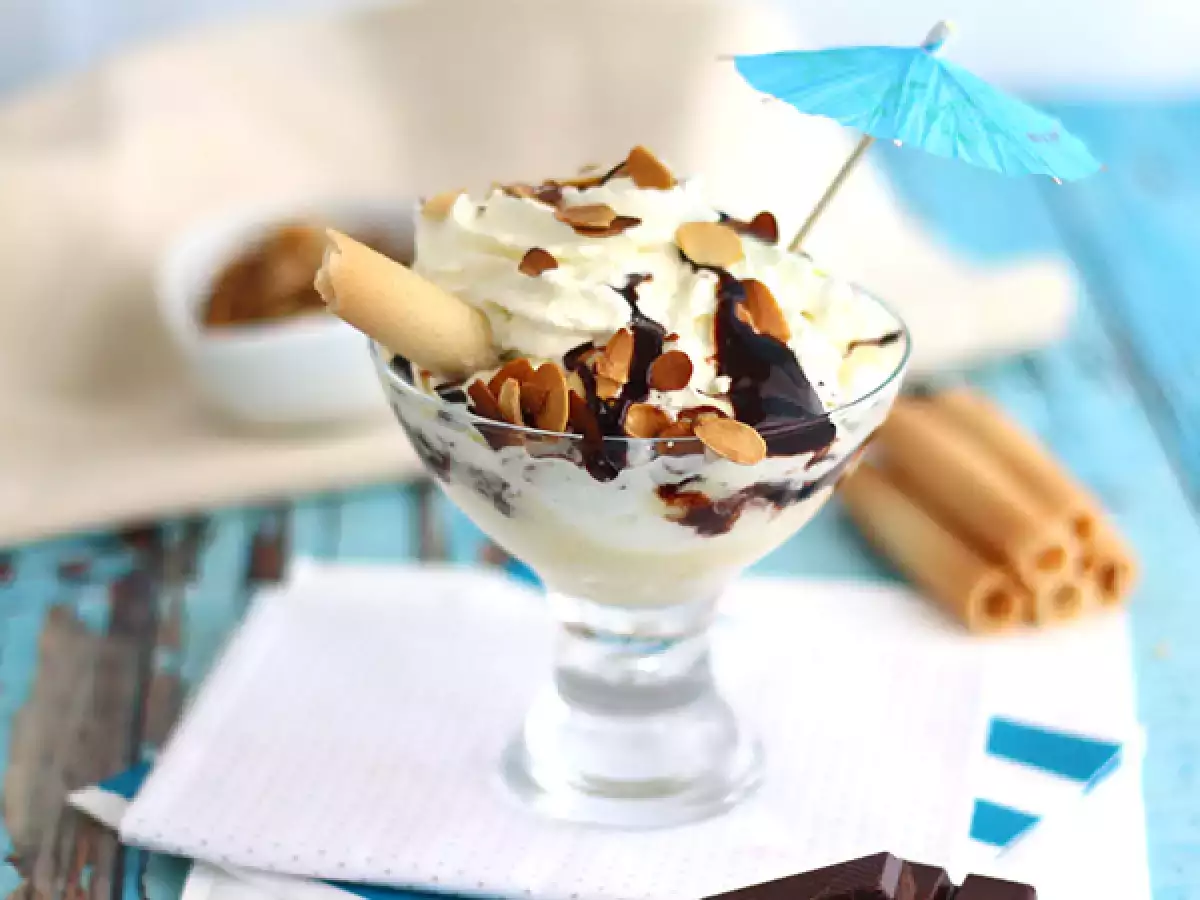
Are you a fan of the vanilla/chocolate mix and looking for a refreshing dessert? You are in the right place with our Dame Blanche. An ultra-simple and quick ice cream recipe that will delight you in no time! A recipe to keep handy during summer...
In the end, there are combinations that surprise and others that remain. Chocolate and vanilla clearly belongs to the latter: it continues to work because it is simple, recognizable and grateful.
 Patricia González
Comments