Why swapping juice for a whole piece of fruit can quietly throw off your food tracking calculations

The most helpful approach isn’t to turn a number into a rigid rule for everyone. The general guideline recommends at least five servings of fruits and vegetables a day: for example, three servings of vegetables and two of fruit. And above all, it highlights a point that’s often overlooked: fruit juice ( even freshly squeezed) doesn’t automatically count as a whole piece of fruit.
The goal: to clearly compare whole fruit, unsweetened compote, and juice—without demonizing fruit or turning a glass of juice into some kind of “magic” serving.
What the debate over all-you-can-eat fruit often confuses
Fruit provides water, vitamins, minerals, fiber, and beneficial compounds. It also naturally contains sugars. The important difference is that in a whole piece of fruit, these sugars come with a “matrix”: fiber, the act of chewing, volume, texture, and satiety.
The real issue, then, is not “fruit off-limits or unlimited fruit.” Rather, it is: in what form do we consume it, when, in what quantity, and as part of what overall balance?
The official guideline: at least five servings of fruits and vegetables
An adult serving averages 80 to 100 g: an apple, a banana, two apricots, a medium tomato, a handful of green beans, a small bowl of soup, or a few strawberries. The guideline is therefore not “five fruits,” but rather fruits and vegetables combined.
The distinction matters: if you already eat three pieces of fruit but very few vegetables, it may be more beneficial to add vegetables than to increase your fruit intake even further.
Whole fruit: the most filling option
Whole fruit is therefore the best choice for everyday consumption, especially at breakfast, as a dessert, or as an afternoon snack. It’s enjoyable, refreshing, and can help you avoid reaching for a sweeter or less filling snack an hour later.
For a very simple, seasonal option, a fruit salad lets you enjoy a variety of textures without turning the fruit into a drink.
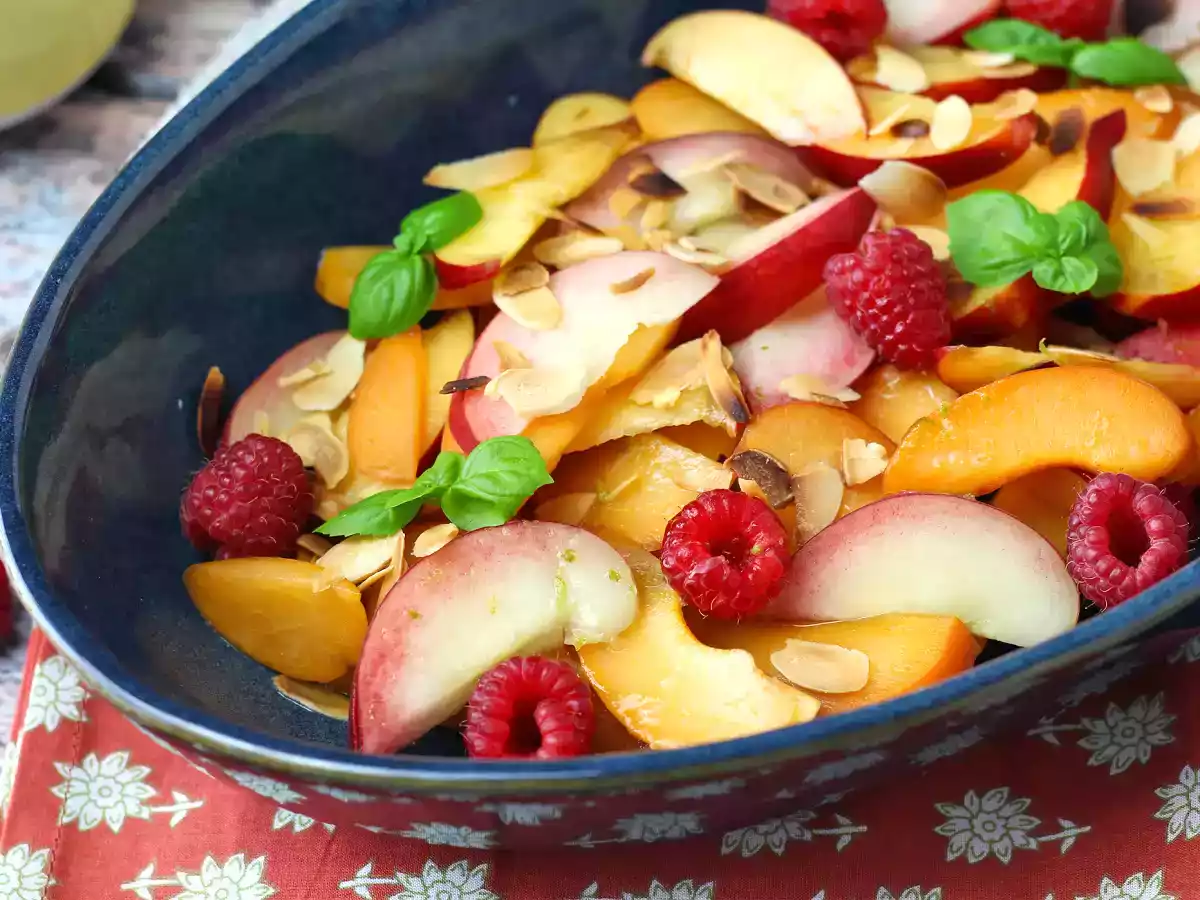
Here's a summer fruit salad that's as simple as it is delicious! With peaches, apricots, raspberries and a little lime, you get a juicy, fragrant and wonderfully indulgent mix. And for a crunchy touch? Toasted slivered almonds , sprinkled just...
Compote with no added sugar: convenient, but not exactly the same
Fruit compote has a real advantage: it’s convenient, sweet, easy to keep refrigerated, and useful when you’re short on time or when the fruit in your fruit bowl is starting to go bad. Manger Bouger notes that a small bowl of fruit compote counts as one serving, especially if it’s homemade or contains no added sugar.
But fruit compote doesn’t require as much chewing as a whole piece of fruit. It may therefore be slightly less filling, especially if it’s very smooth and eaten quickly. The best approach is to use it as a convenient option, not as a systematic replacement for all fresh fruit.
Traditional applesauce remains a good homemade base when you want to avoid overly complicated desserts.
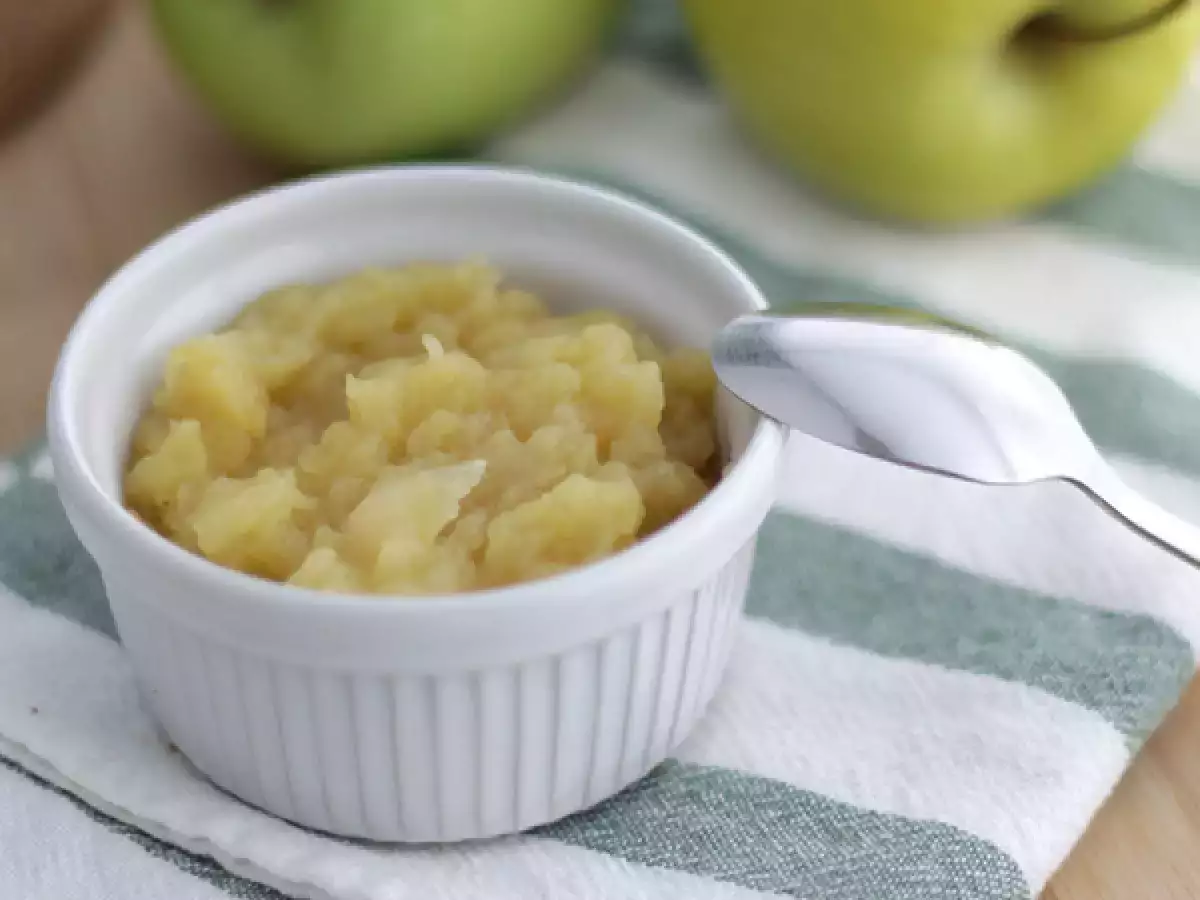
An homemade apple sauce that will go well with your roasts, or an apple pie, or even as a dessert itself.
And cinnamon pear compote with no added sugar lets you enjoy a treat without adding extra sugar.
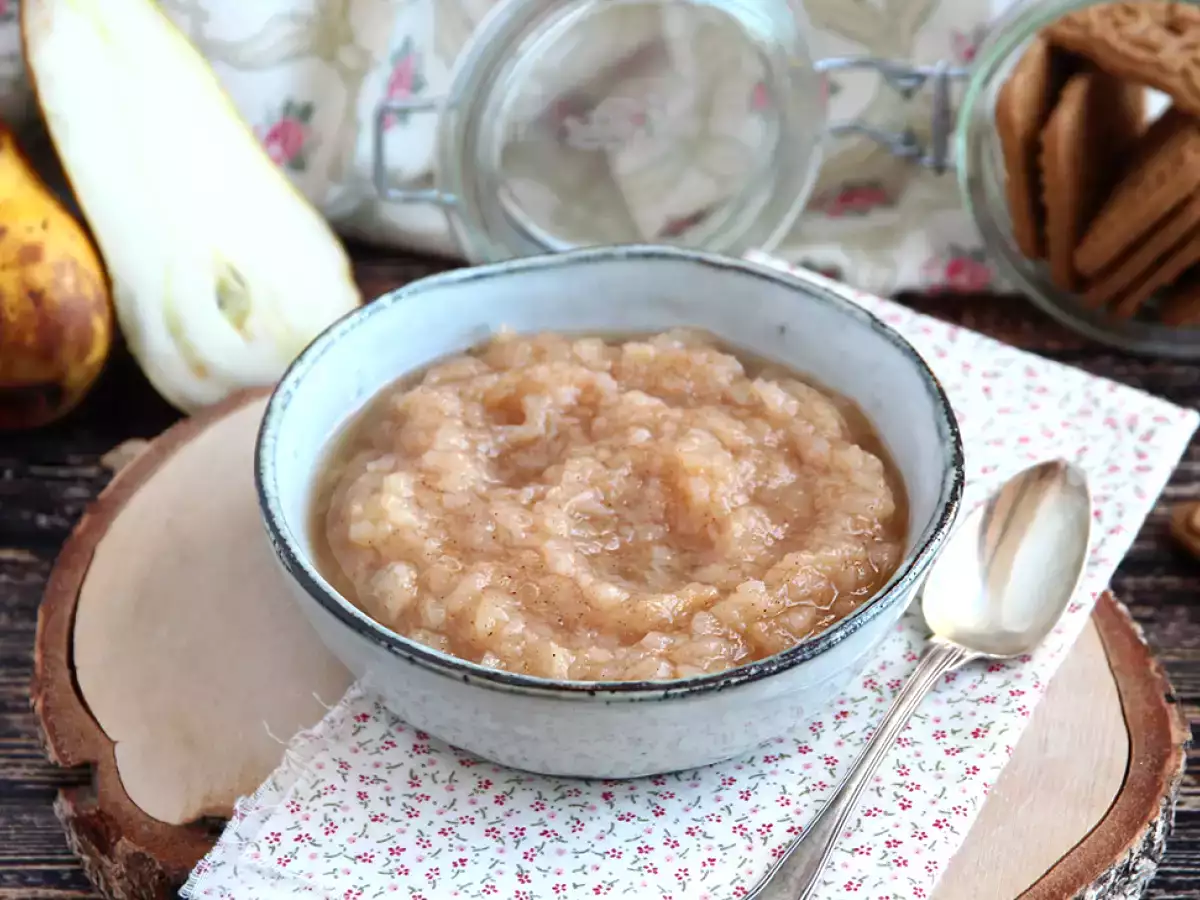
Are your pears looking sad? Don't throw them away! Instead, try our super-easy recipe to reduce food waste! A deliciously smooth and fruity compote that won't even need added sugar! A hint of cinnamon will enhance the flavor of your pears and delight...
Fruit juice: why it doesn't count as a serving
The problem isn’t that juice is “off-limits.” The problem is believing that it’s a perfect substitute for fruit. A glass of juice can contain the juice of several fruits, be drunk very quickly, and doesn’t provide the same chewing experience or the same feeling of fullness.
The rule of thumb is simple: if you drink juice, keep it occasional or limited, and don’t use it to artificially “supplement” your fruit and vegetable servings.
A simple comparison: whole fruit, compote, juice
You chew it, it provides fiber, keeps you full longer, and remains the best option for everyday consumption.
Compote with no added sugar
It’s convenient, sweet, and can count as a serving in a small bowl, but it’s often less filling than a whole fruit, especially if it’s very smooth.
It’s easy to drink, contains little fiber, and doesn’t count as a serving. Even if it’s freshly squeezed, it shouldn’t be used as a substitute for whole fruits.
In short: these three forms don’t all have the same value. Whole fruit remains the foundation, compote is a great option for when you’re in a pinch, and juice should be consumed in moderation.
Three pieces of fruit a day: a handy guideline or a universal limit?
A very active person, a child, an adult who eats a lot of vegetables, or someone who replaces a very sugary dessert with a piece of fruit are not necessarily in the same situation. The most important thing is the overall balance throughout the day.
The takeaway: don’t eat fruit endlessly as if quantity didn’t matter, but don’t treat it as a food to be feared either.
Why we shouldn't reduce fruit to just its sugar content
The statement “fruit sugar acts exactly like granulated sugar” overlooks this difference in context. What changes is not just the molecule itself, but the way it enters the body: with or without fiber, with or without chewing, as part of a whole food or in a beverage.
That’s why a whole piece of fruit and a large glass of juice don’t have the same effect in a daily diet.
How to incorporate fruit without resorting to juice-only diets
Flavored water with cucumber, lime, mint, and ginger provides a refreshing drink without counting as a serving of fruit.

Fresh, thirst-quenching and purifying, this flavored water is a must for hot summer days ! We used four ingredients to make it: cucumber, lime, mint and ginger. You can serve it at any time of day (many people also drink it with meals), and feel...
And flavored water with lemon, basil, and raspberry offers a very fruity flavor while remaining a light drink.

Do you know how much water you should drink each day? To stay properly hydrated , you need to drink at least 2 liters of water a day (this amount may increase in summer or in other special circumstances). It isn't always easy to manage, so we look...
What to keep in mind before filling your glass
Compote with no added sugar can be a handy option and counts as one serving when served in a small bowl. Juice, on the other hand, is not a substitute for whole fruit, even if it’s freshly squeezed at home. It can be a treat, but it should be consumed in moderation and not become a shortcut to meeting the “five a day” recommendation.
In short: stick with whole fruits, eat them more often than you drink them, and keep juice in its proper place—as a treat, not a disguised serving of fruit.
 Adèle Peyches
Comments