Beyond Prosecco: Italian wines that will elevate your aperitif and surprise your guests tonight

An aperitif isn't just a spritz: wine can make all the difference
This is why Italy is a little paradise: from the sparkling wines of the North to the Mediterranean whites, from the rosés of the South to the light reds served chilled, there’s always a bottle perfect for a charcuterie board, a terrace, a dinner with friends, or an impromptu aperitif at the kitchen table.
How to Choose the Perfect Aperitif Wine
A good aperitif wine must have one essential quality: it must make you want to take another sip. That’s why it’s best to choose wines that aren’t too high in alcohol, with good acidity and a pleasant aromatic profile. You don’t need to know every Italian grape variety—just figure out what you’ll be eating and choose accordingly.
Here’s a handy guide:
- with fried foods, potato chips, stuffed olives, and savory appetizers, dry sparkling wines and very fresh wines work perfectly;
- with cured meats and cheeses, savory white wines, rosés, or light reds are best;
- with fish, tartare, shrimp, and salmon crostini, crisp, mineral-driven whites or elegant sparkling wines are ideal;
- with vegetables, hummus, and vegetarian appetizers, aromatic whites, rosés, and fresh sparkling wines are excellent;
- with pizzas, focaccia, and savory pies, you can experiment with Prosecco, Lambrusco, Franciacorta, or white wines from Central and Southern Italy.
Temperature matters more than you might think. Sparkling wines and whites should be served chilled, but not ice-cold; rosés are best served around 8–10°C; some light reds, such as Lambrusco, Schiava, or Bardolino, are much better when slightly chilled.
Italian Sparkling Wines: The Best Way to Get Started
When it comes to aperitif wines, sparkling wines are often the first choice. It’s not just a matter of celebration: the effervescence cleanses the palate, cuts through richer dishes, and makes fried foods, cold cuts, and crunchy snacks more enjoyable.
Prosecco is probably the best-known Italian aperitif wine. It’s fresh, fruity, easy to pair, and perfect with mini pizzas, tramezzini, battered vegetables, and mild cheeses. If you’re looking for a drier, more food-friendly option, opt for a Prosecco Brut or Extra Brut.
Franciacorta is more full-bodied and creamy, ideal when the aperitif turns into something close to a dinner: it pairs wonderfully with smoked fish, hearty crostini, mild aged cheeses, and baked dishes.
Trento DOC, on the other hand, is a great choice for those who love fine, fresh, and crisp sparkling wines: it’s excellent with light fried foods, fish tartare, shrimp, and elegant appetizers.
Don’t forget Alta Langa, a characterful Piedmontese sparkling wine, perfect with high-quality cured meats, cheeses, and heartier finger foods. For a cheerful and less formal aperitif, dry Lambrusco is one of the most underrated wines: served chilled, it pairs with cured meats, gnocco fritto, focaccia, mortadella, and rustic dishes with surprising ease.
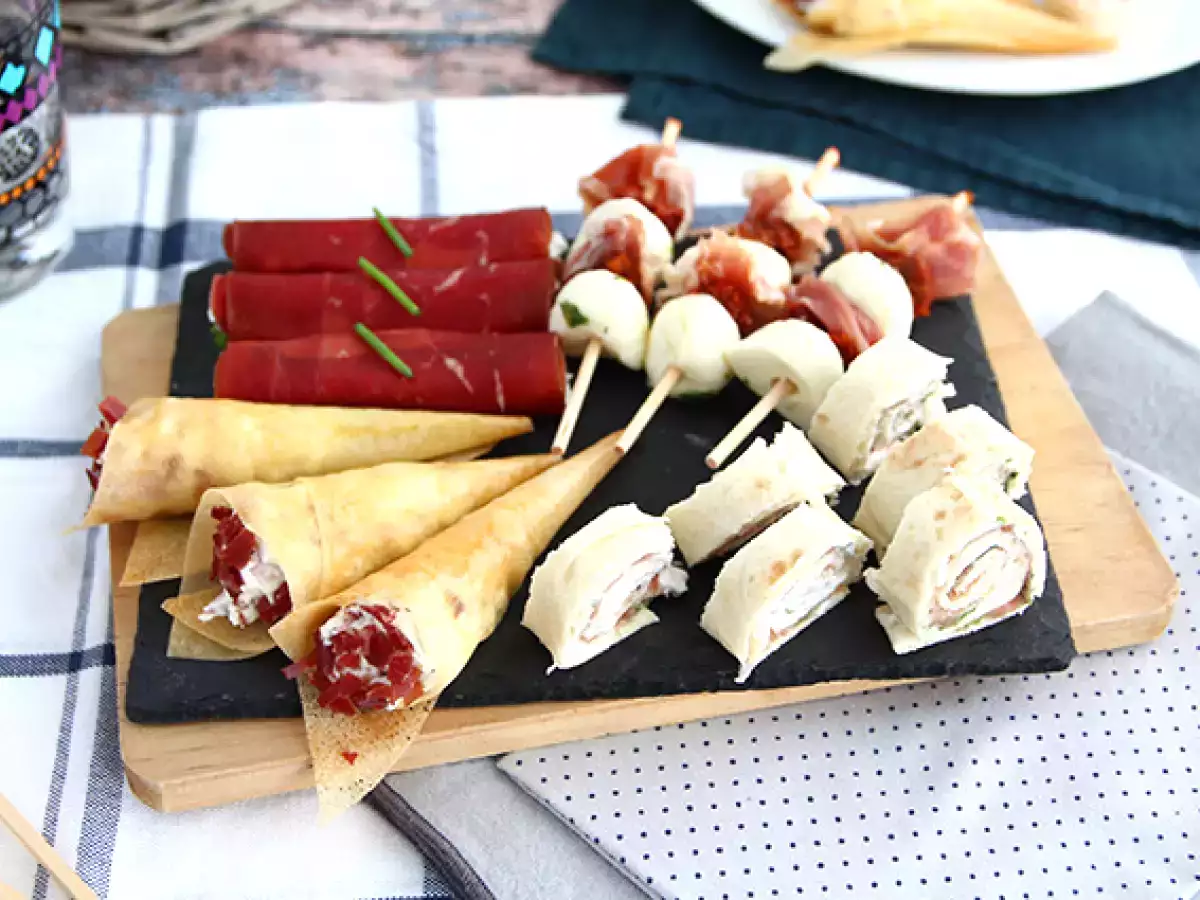
Homemade is a must for an even better appetizer! Here we offer you 4 ultra-easy recipes to make with cured meat. Use either bresaola or prosciutto to add that little salty touch that makes all the difference in this appetizer. 3 recipes will require no...
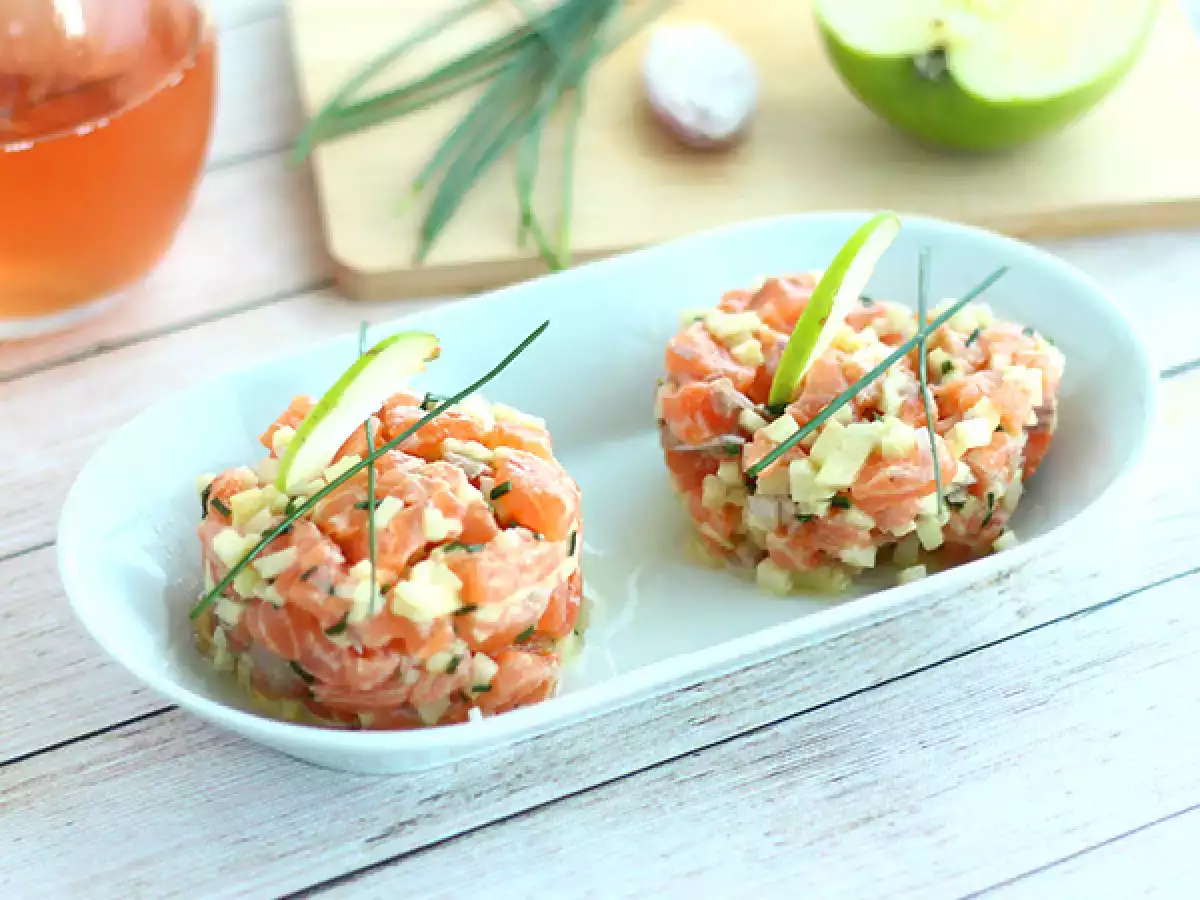
A no-cook recipe that never gets old, especially when it's easy to make! For your salmon and green apple tartare, all you need to do is chop the ingredients, mix them, and you're done! A fresh and quick recipe, perfect for summer when it's hot.
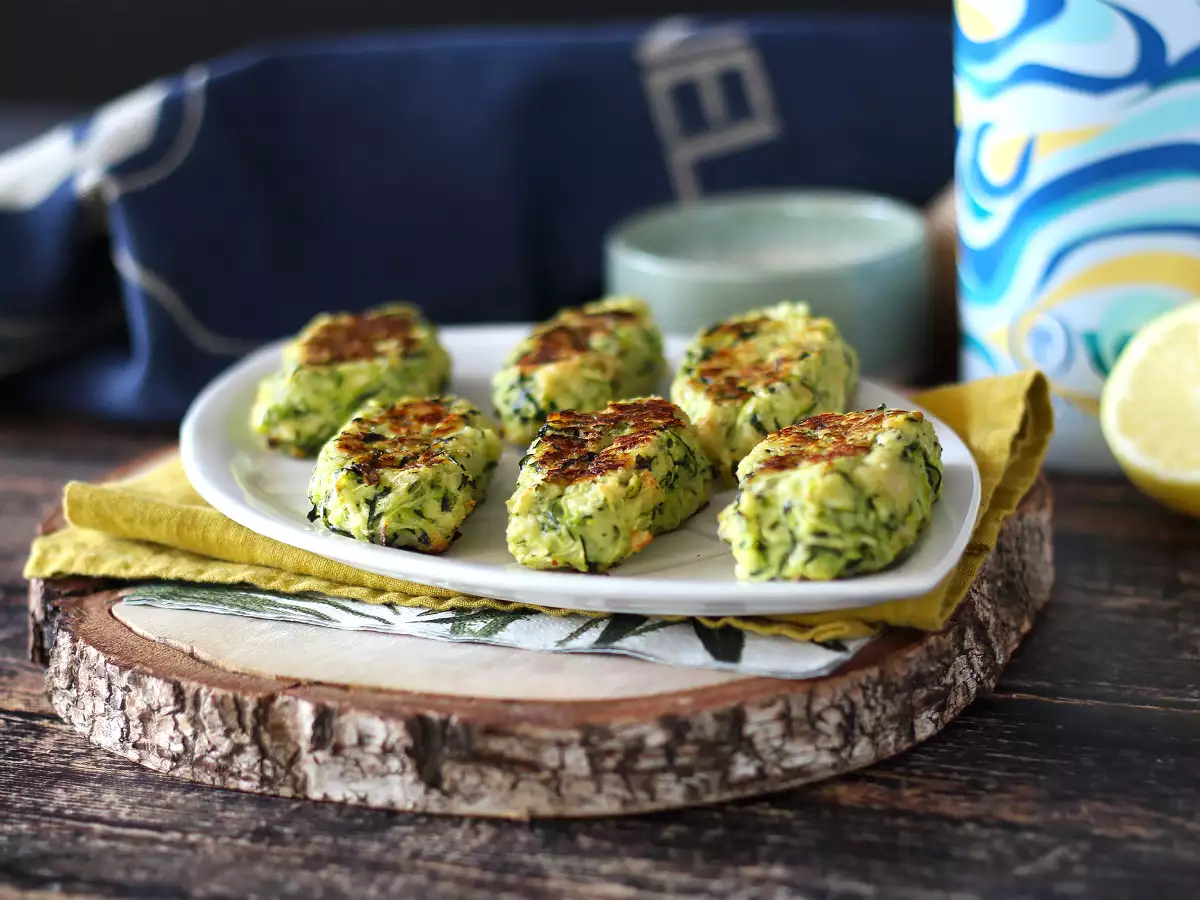
Surprise the whole family with our irresistible recipe for baked zucchini croquettes ! These delicious croquettes are the way to make everyone love vegetables :-) These zucchini balls are not only delicious, but are also a healthy and light...
Light White Wines: The Most Versatile Wines for a Simple Aperitif
Italian white wines served as aperitifs are perhaps the most versatile choice. They pair well with seafood appetizers, vegetables, fresh cheeses, bruschetta, savory pies, and light snacks. The secret is to choose wines with good acidity and distinct aromas.
Vermentino, especially the varieties from Sardinia and Liguria, is one of the best companions for Mediterranean aperitifs: olives, anchovies, focaccia, cherry tomatoes, fish, and grilled vegetables. It has sunny aromas but remains fresh and savory.
Soave is perfect for those looking for an elegant yet approachable white: delicate, floral, with a lovely mineral edge. It pairs well with crostini, soft cheeses, vegetables, and small egg-based dishes. Gavi, made from Cortese grapes, is also a refined choice for a clean, light aperitif, especially with fish, white focaccia, and delicate appetizers.
For those who prefer more aromatic profiles, dry Gewürztraminer or Müller-Thurgau can be very appealing, especially with spicy finger foods, blue cheeses in small portions, or Asian-inspired dishes. Just be careful not to choose versions that are too mellow or high in alcohol: balance is always key when it comes to aperitifs.
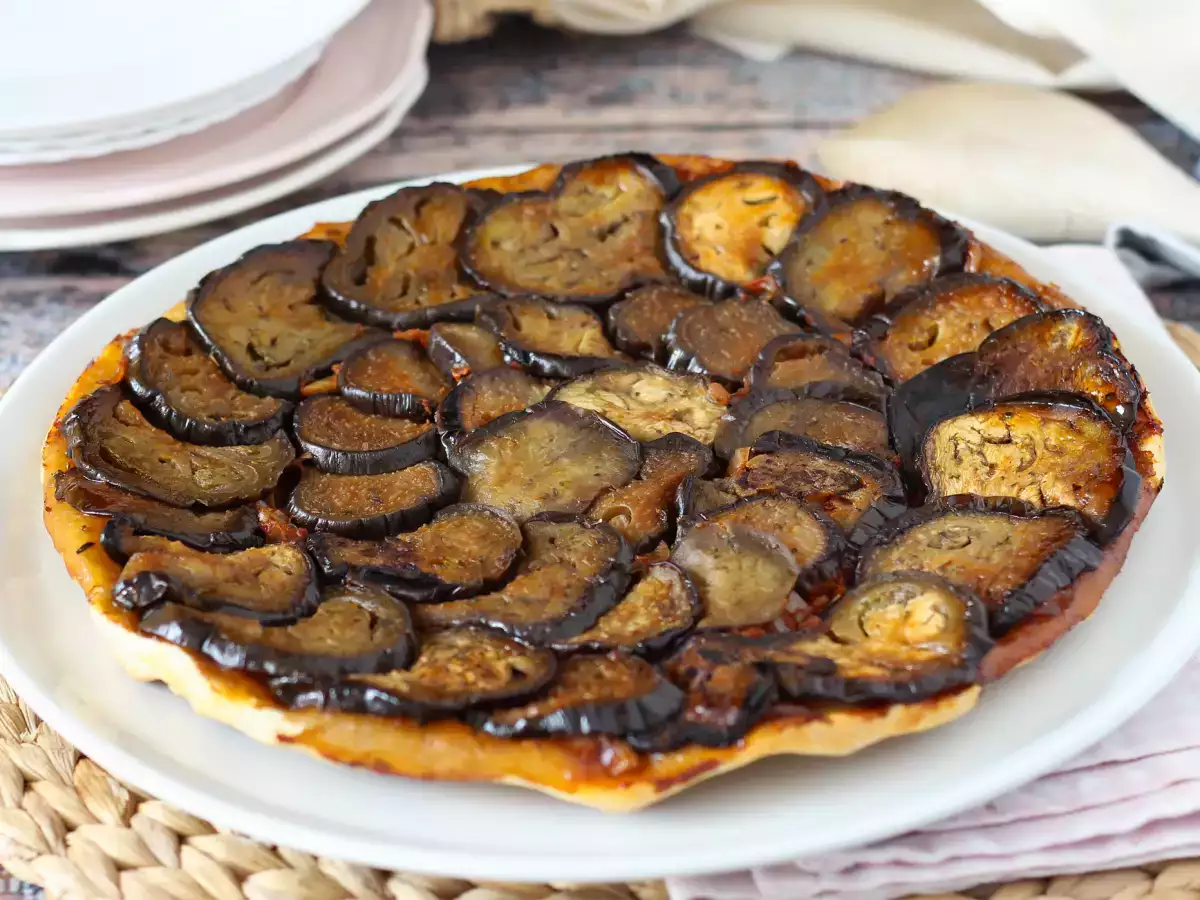
After the sweet apple version, we decided to showcase eggplants in our savory Tatin recipe. To enhance the flavors, we pair it with tomato sauce, dried oregano, and honey for a touch of sweetness. Super easy to make, this Tatin will perfectly accompany...
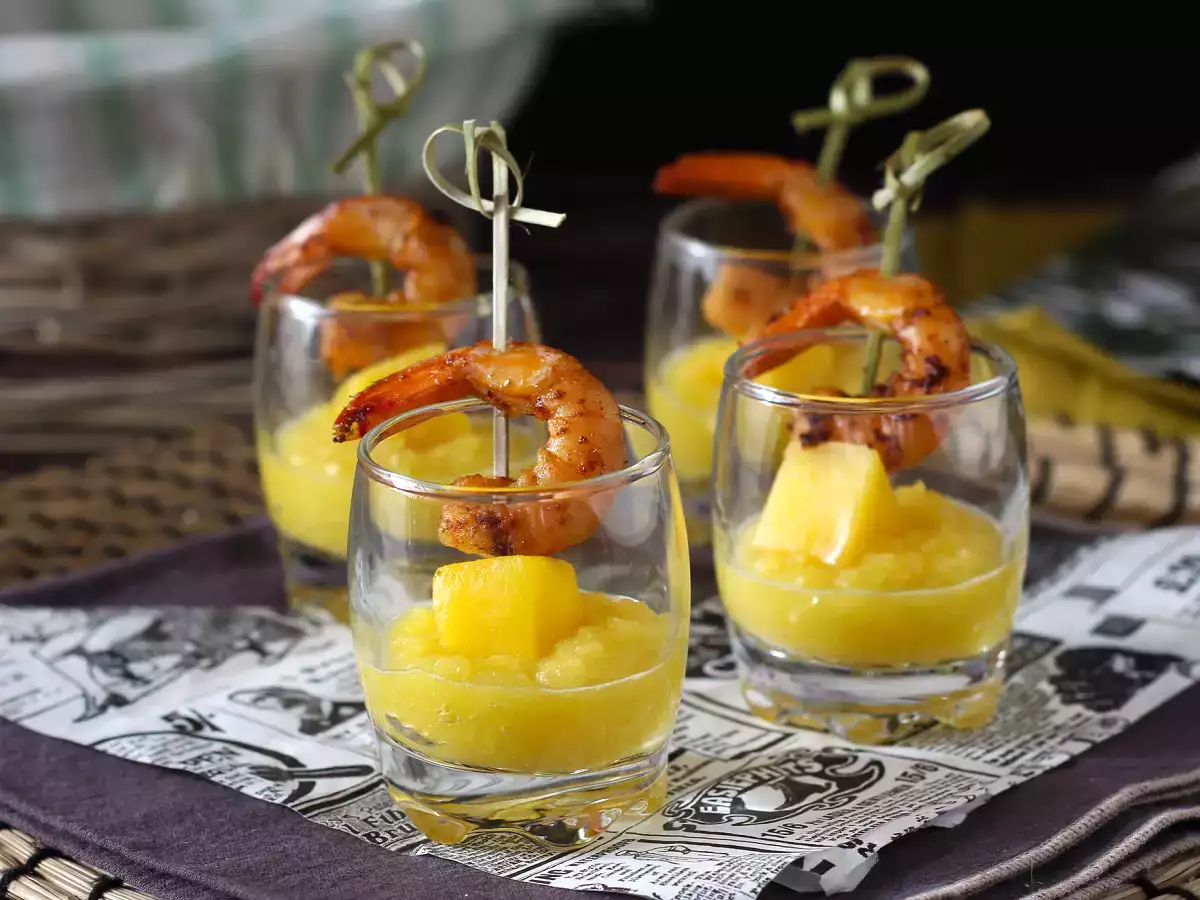
You thought we were going to leave you without chic recipes for your holiday meal?! Here are our prawn and mango verrines for a sweet/savory combination that your guests will love. An easy-to-make preparation for last-minute verrines that we...
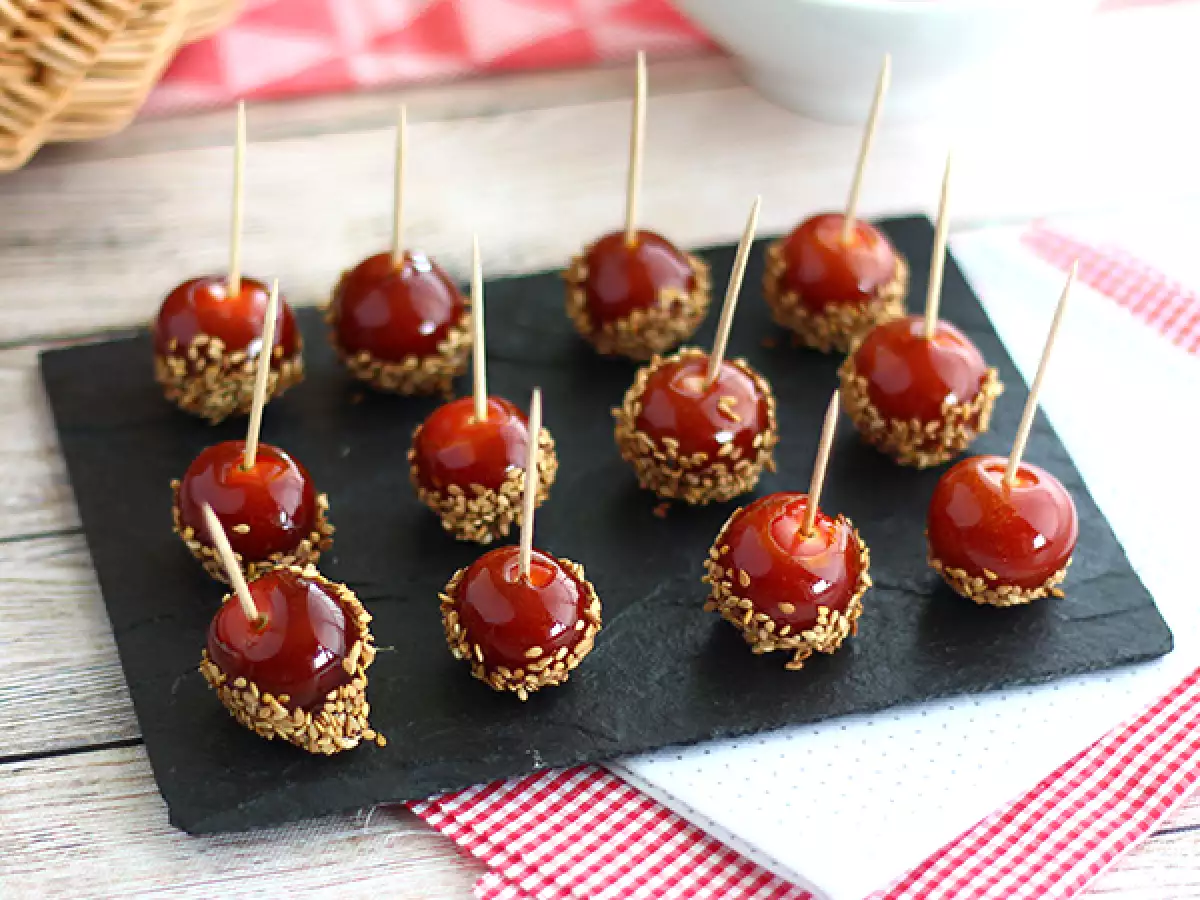
If you enjoy sweet and savory flavors, you'll love snacking on our little cherry tomatoes for an appetizer! Make a delicious homemade caramel, dip your crunchy cherry tomatoes in it, and sprinkle everything with sesame seeds! It's a chance to taste a...
Rosé Wines for Aperitifs: Fresh, Visually Appealing, and Perfect for Pairing with Food
Rosé is often treated as a summer choice, but it deserves so much more. A good rosé for an aperitif can be fresh, fragrant, dry, and surprisingly food-friendly. It strikes a balance between the lightness of white wine and the subtle structure of red wine, making it perfect when there are many different dishes on the table.
The best Italian rosés for aperitifs come from many regions. A young, fresh Cerasuolo d’Abruzzo pairs beautifully with cured meats, white pizza, focaccia, tomatoes, semi-aged cheeses, and cold dishes. Rosés from Salento, if dry and not too high in alcohol, are excellent with Mediterranean appetizers, grilled vegetables, tuna, olives, and flavorful dishes.
On the more refined side, some rosés from Lake Garda or Trentino offer a delicate profile, perfect with fish, hearty salads, and light finger foods.
The advantage of rosé is its ability to pair well with a variety of appetizers. When you’re unsure whether to open a white or a red, the smartest choice is often a chilled rosé.
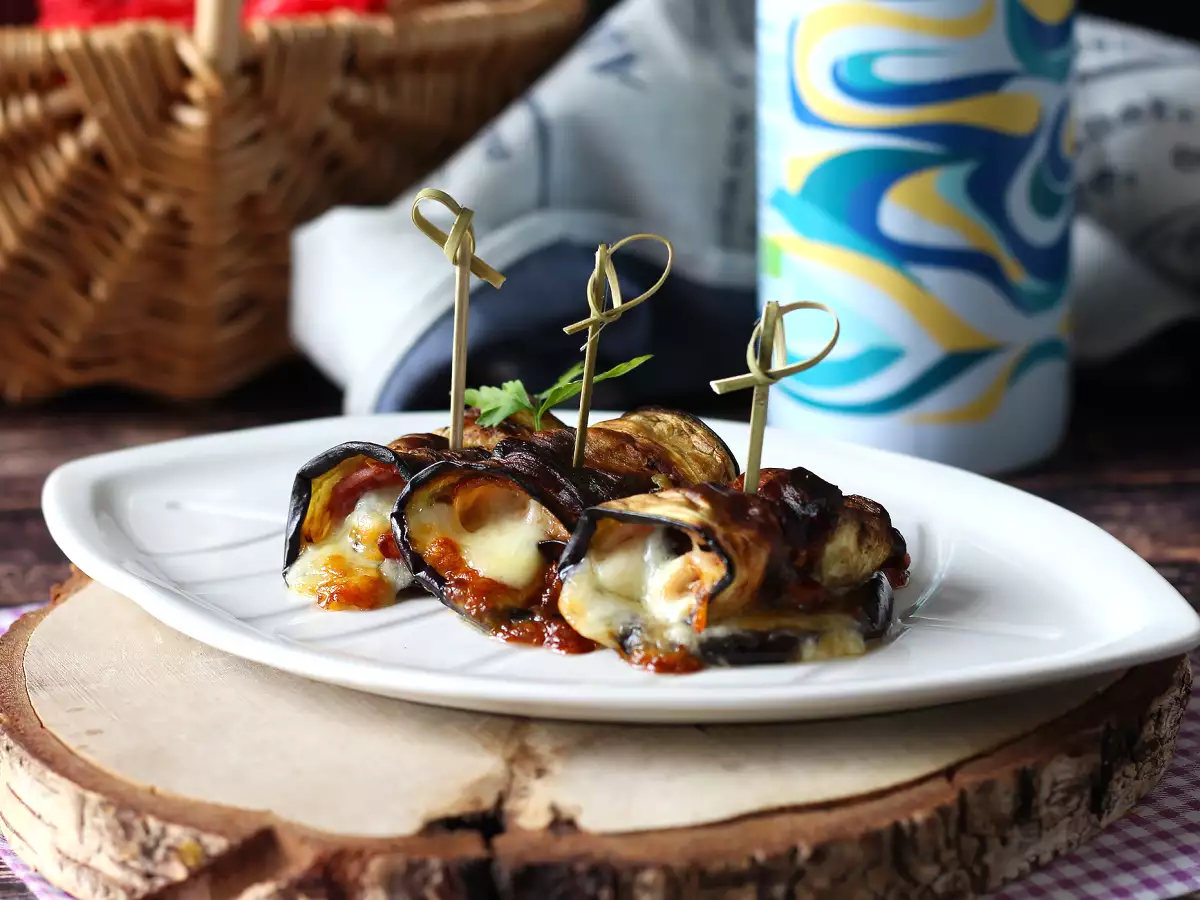
Here's a great zero-waste recipe for using up eggplant: eggplant rolls in the air fryer ! We chose to fill them with mozzarella and smoked bacon, but you can also try them with cooked ham or Parmesan cheese. In less than 20 minutes, you'll have...
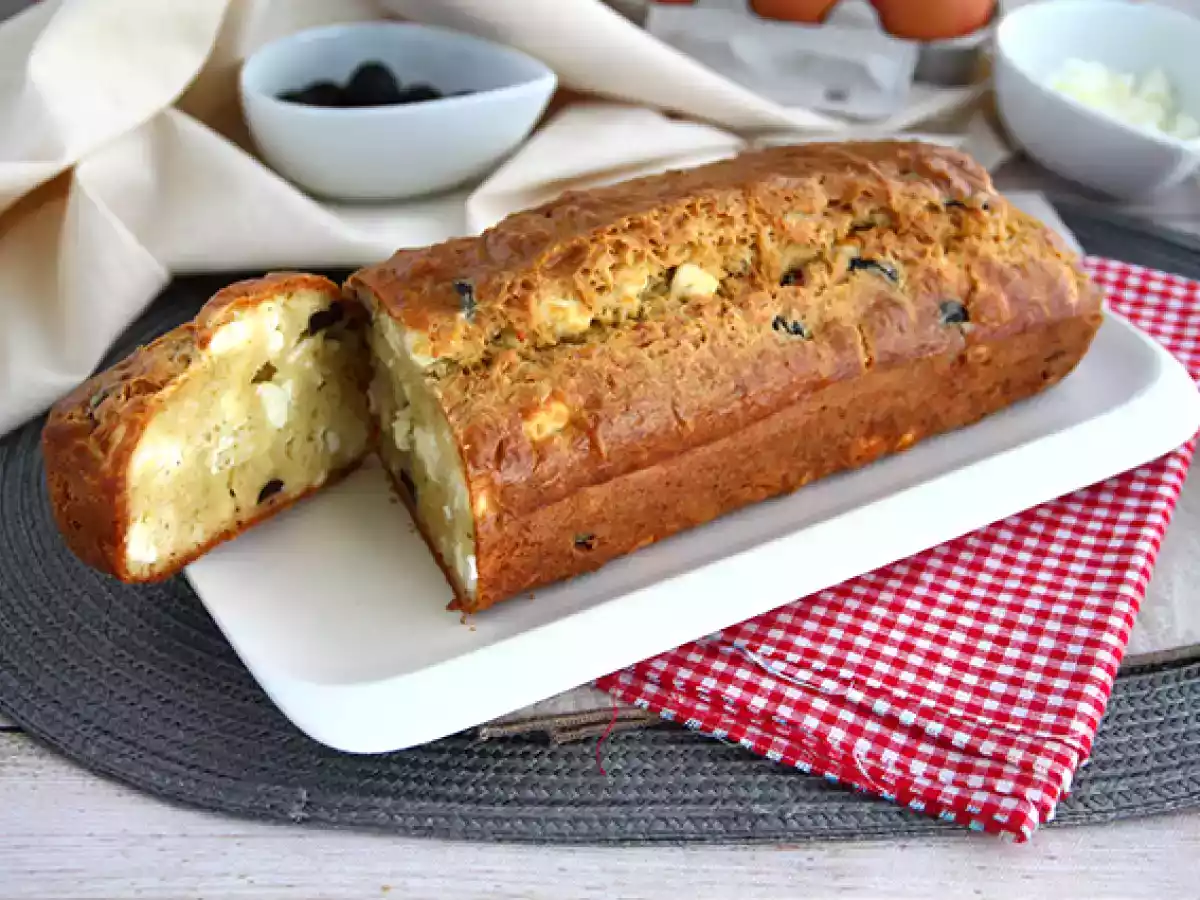
When looking for an easy, moist recipe that you can take anywhere (for an appetizer, picnic...), this cake is a must! Here, we prepare it in a savory version by adding black olives and feta cheese. A guaranteed vegetarian dish that can be sliced or cut...
Light red wines served chilled: an idea that even appeals to those who usually drink only white wine
Not everyone thinks of red wines for an aperitif, but some light Italian reds are perfect when served slightly chilled. The rule is simple: avoid wines that are too tannic, too high in alcohol, or too full-bodied. It’s best to choose light, fruity reds with lively acidity.
Dry Lambrusco remains an absolute champion when paired with cured meats, cheeses, fried foods, and focaccia. Its lively effervescence and fruity flavor make it cheerful yet also very food-friendly. Bardolino is a light, easy-drinking red, perfect with charcuterie platters, savory tarts, stuffed vegetables, and cold dishes. South Tyrolean Schiava is delicate, fragrant, and absolutely delightful with speck, fresh cheeses, canapés, and mountain-style aperitifs.
A Grignolino or a Frappato can also work very well: they have character but aren’t heavy. They’re ideal for those who want to offer something different from the usual white wine without making the aperitif too formal.
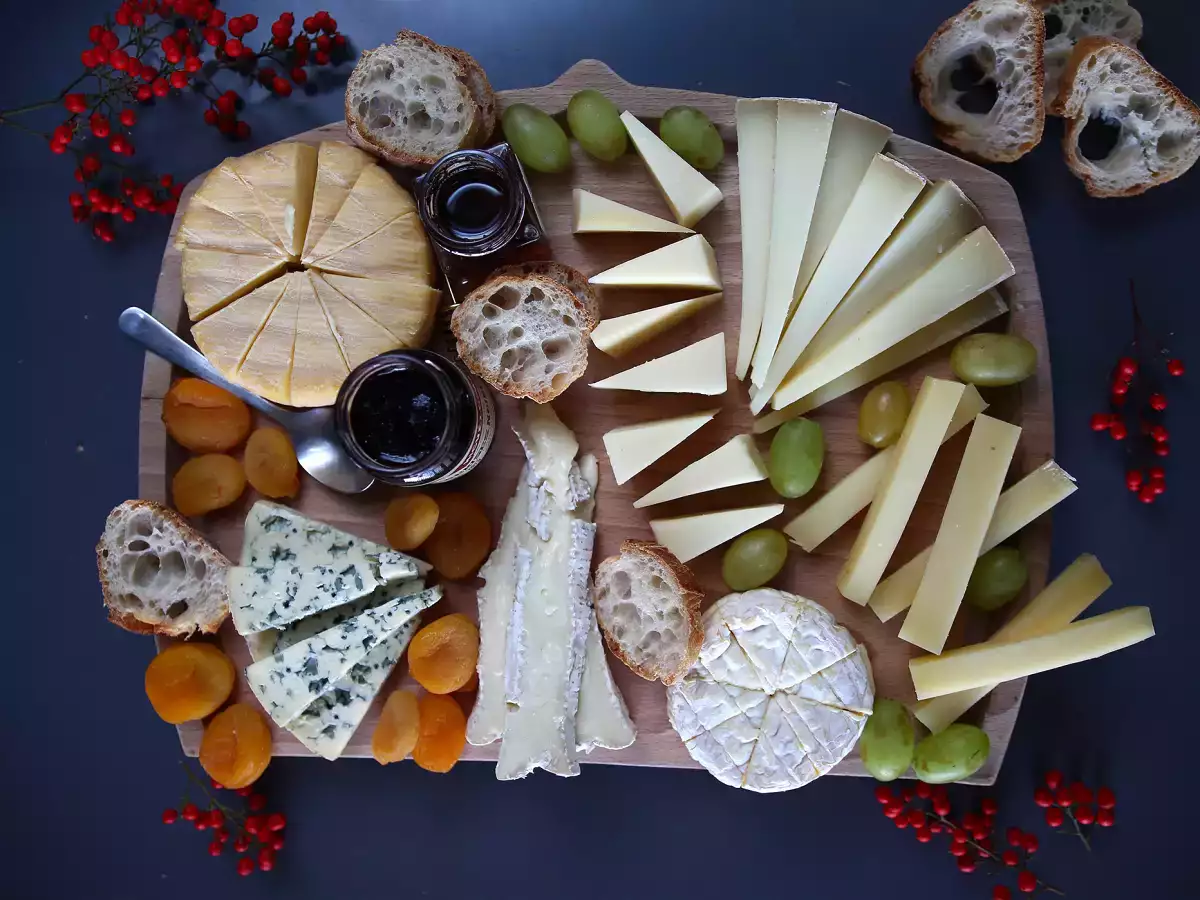
For an aperitif or after the main course, a generously garnished cheese platter is always a hit with guests! But which cheese to choose for a worthy platter? And how much cheese do you need? We explain it all in this recipe ;-)
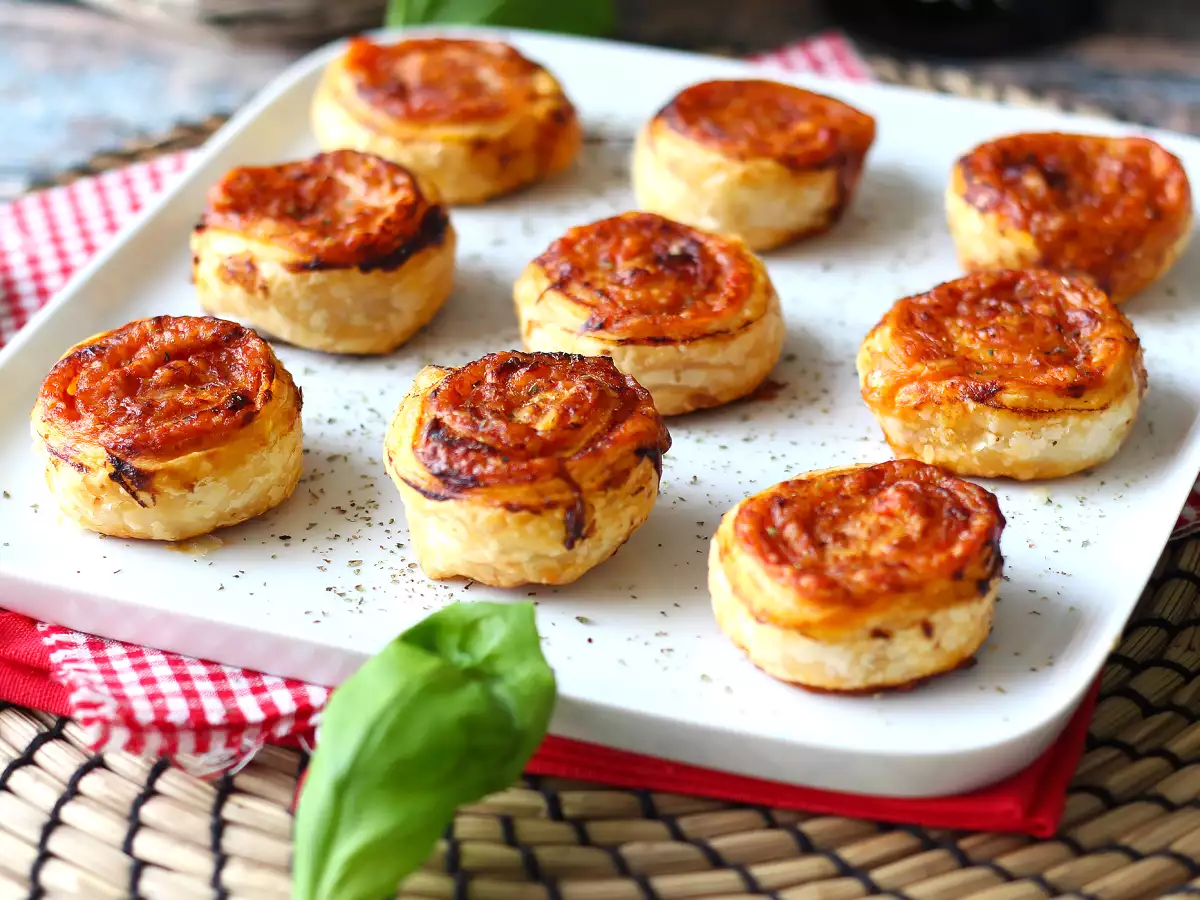
Looking for a quick, tasty snack that's super easy to make? Air fryer puff pastry rolls are the perfect answer: ready in minutes, with an irresistible crispness on the outside and a stringy cheese heart that wins you over at the first bite. Our...
Wine with Appetizers: The Easiest Pairings to Remember
To choose without stress, just keep a few simple pairings in mind. These aren’t strict rules, but useful shortcuts when you’re preparing an aperitif at home and want to avoid the “randomly chosen bottle” effect.
- Prosecco: mini pizzas, tramezzini, battered vegetables, fresh cheeses, potato chips, and savory appetizers.
- Franciacorta or Trento DOC: salmon, shrimp, tartare, elegant crostini, soft cheeses, and small fried appetizers.
- Vermentino: focaccia, olives, anchovies, bruschetta, fish, grilled vegetables, and Mediterranean appetizers.
- Soave or Gavi: savory pies, delicate crostini, fresh cheeses, eggs, vegetables, and light appetizers.
- Dry rosé: cured meats, focaccia, tomatoes, tuna, semi-aged cheeses, and cold dishes.
- Dry Lambrusco: mortadella, salami, gnocco fritto, tigelle, stuffed focaccia, and rustic finger foods.
A helpful tip: if the food is fatty or fried, look for acidity and effervescence; if it’s savory, choose fresh wines that aren’t too high in alcohol; if it’s delicate, avoid wines that are too aromatic or overpowering.
How much wine should you serve, and how should you present it at the table?
Presentation matters: simple wine glasses, bottles at the right temperature, water always on hand, and food already prepared in bite-sized portions. The aperitif should be relaxed—not a test of service.
It’s best to avoid wines that are too sweet, too warm, or too full-bodied. A grand, full-bodied red can be wonderful with dinner, but before a meal, it risks tiring the palate. For an aperitif, the key is intelligent lightness: pleasant, clean wines that complement the food without stealing the show.
The right bottle is the one that keeps everyone at the table
Italian aperitif wines work because they reflect a way of enjoying food that is uniquely ours: sharing, tasting, chatting, switching dishes, and pouring another half glass. From Prosecco to Franciacorta, from Vermentino to Soave, from rosé to Lambrusco, any wine can be perfect if chosen with a little thought given to the food and the moment.
You don’t need to become an expert. Just ask yourself: What am I serving? Do I want something fresh, elegant, rustic, Mediterranean, or light? From there, the choice becomes much simpler.
 Daniele Mainieri
Comments