Can I change white sugar for brown sugar in a sponge cake?
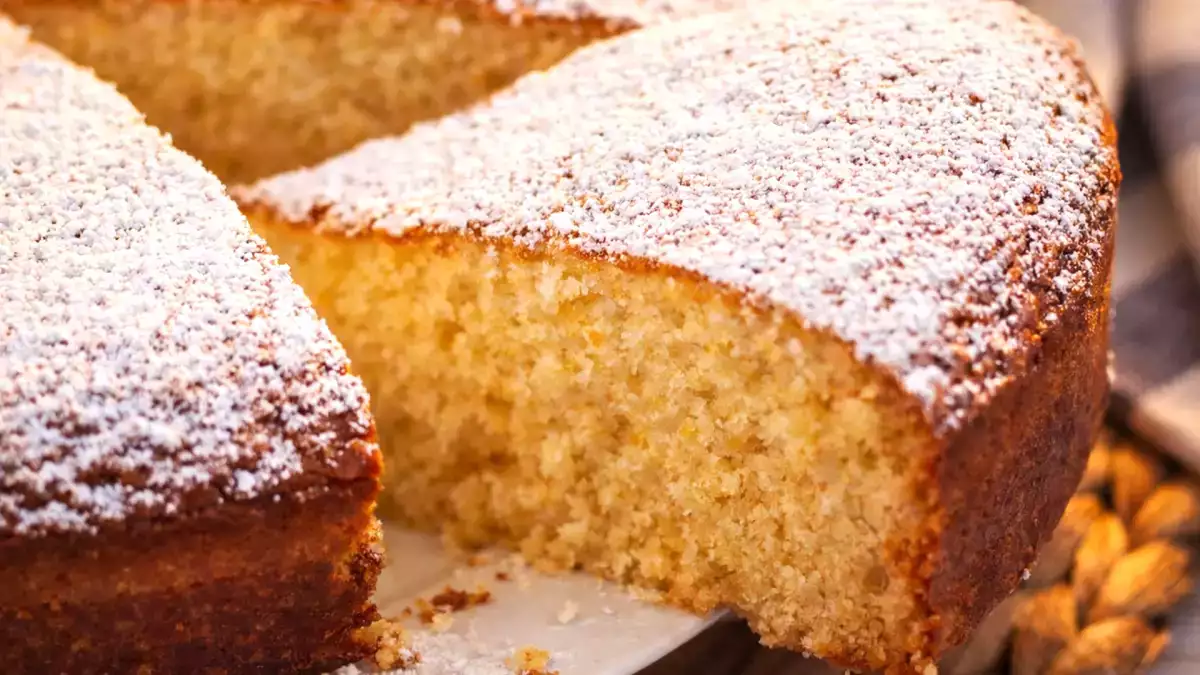
It happens a lot: you are about to make a cake, you look at the recipe, open the pantry and discover that you don't have white sugar, but you do have a packet of brown sugar. The temptation to change one for the other seems reasonable, and in many cases it is. The problem is thinking that the result will be exactly the same. It won't.
Not because one is right and the other is wrong, but because sugar not only sweetens. It also influences the texture, color, moisture and structure of the dough. And when we talk about brown sugar, there is a detail that changes the behavior of the recipe: the presence of molasses. Brown sugar is, in essence, sugar with molasses, and that additional part is what explains almost all the differences that are then noticed in the oven and on the plate.
Yes, you can substitute it, but....
Yes, you can substitute it, but the cake changes. In most homemade cakes, swapping white sugar for brown sugar does not prevent the recipe from working. The dough will still bake and the cake will still be a cake. But the substitution does change the final result:
Brown sugar retains moisture better, so the cake is usually a little juicier and takes longer to dry out. On the other hand, it can also be a little more compact, less light and with a less ethereal crumb than a cake made with white sugar.
This change is especially noticeable in soft recipes, such as a basic yogurt cake, a vanilla cake or a dough designed to be very fluffy. In these cases, white sugar tends to give a cleaner profile and a lighter texture, while brown sugar introduces a wetter point and a more marked personality.And the taste?
Here the difference is usually clearly perceptible. White sugar adds sweetness, but hardly any flavor of its own. Brown sugar, on the other hand, adds hints of molasses, caramel or toffee, which are more evident the darker it is. This is why it can work very well in cakes with banana. It can therefore work very well in cakes with banana, spices, cocoa, cocoa, carrot, nuts or coffee, where this deeper background is a natural fit. In delicate or very neutral doughs, however, it can eat part of the protagonism.
It also changes the color and the crumb.
A sponge cake made with brown sugar usually comes out of the oven with a darker, more toasted tone, both inside and out. The crumb loses that light and uniform color so typical of classic sponge cakes and gains a darker, warmer, sometimes even more rustic appearance. In some recipes this adds; in others, it subtracts that visual lightness that one expects when cutting the first slice.
And do they still go up?
There is another less visible but important factor: acidity. Molasses makes brown sugar somewhat more acidic than white sugar, and this can affect recipes with baking soda, since baking soda needs an acidic ingredient to react and produce gas. In a dough with brown sugar, this reaction may be slightly favored. In practice, it does not usually completely transform the cake, but it can slightly alter the volume, color or balance of the recipe if it was very measured. In baking, these small variations count.
So when is it worth making the switch?
It is worth it if you are looking for a cake with more moisture, a warmer flavor and a crumb with a little more body. Also if the recipe has ingredients that appreciate this deeper background: cinnamon, chocolate, ripe fruits or nuts.
On the other hand, if what you want is a very fluffy cake, light in color, mild in flavor and as neutral as possible, white sugar is still the safest option.
The change works, but it modifies the cake.
Changing white sugar for brown sugar in a sponge cake is usually possible, but it is not an invisible substitution. Brown sugar adds moisture, darkens the dough, intensifies the flavor and can leave a slightly denser crumb. White, on the other hand, gives lighter and more neutral results.
It is not that one is better than the other: they simply make different biscuits.
Here are some recipes for you to put it into practice
Cakes with white sugar:
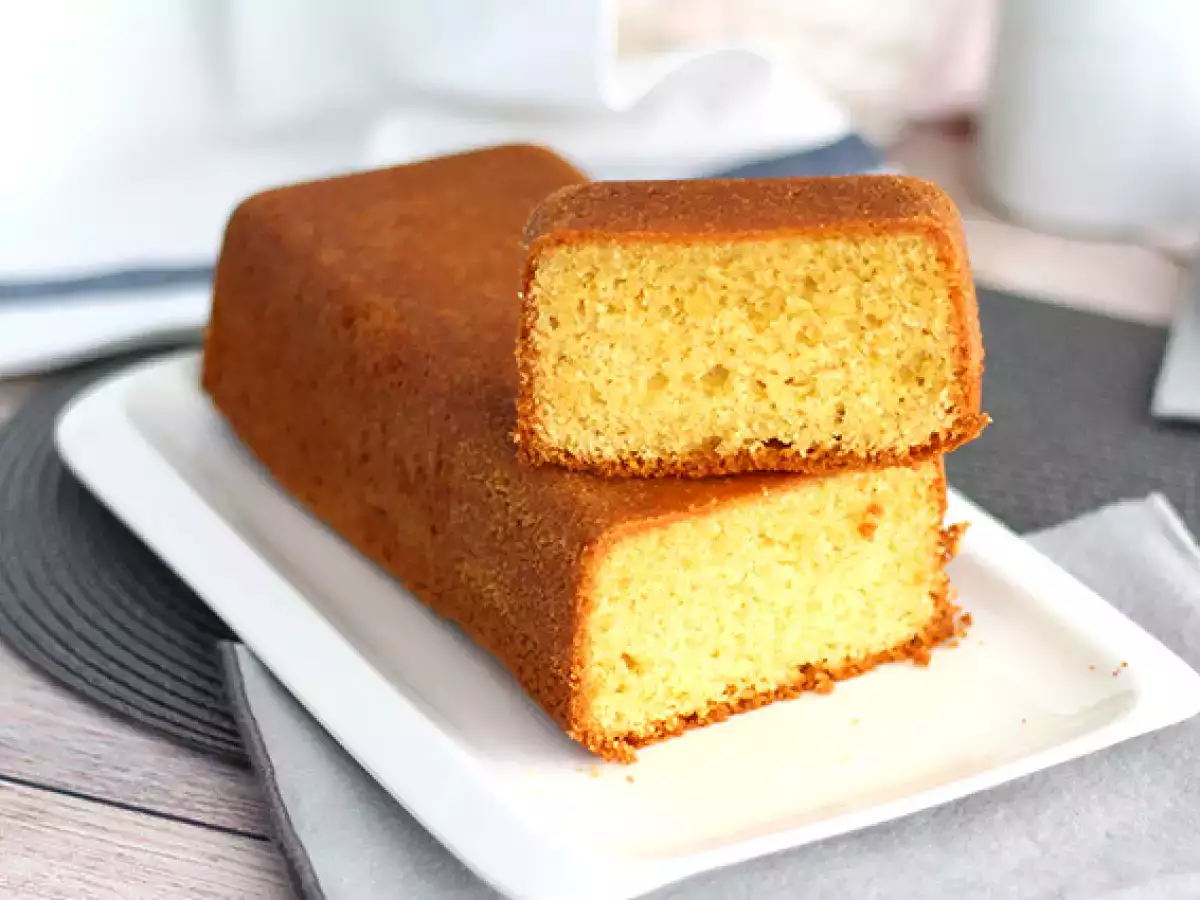
We’re offering an ultra-easy dessert recipe to make with the kids: pound cake. The result is a lovely moist cake that goes well with a nice hot chocolate or a glass of milk at snack time. Follow the step-by-step instructions to make this homemade cake,...
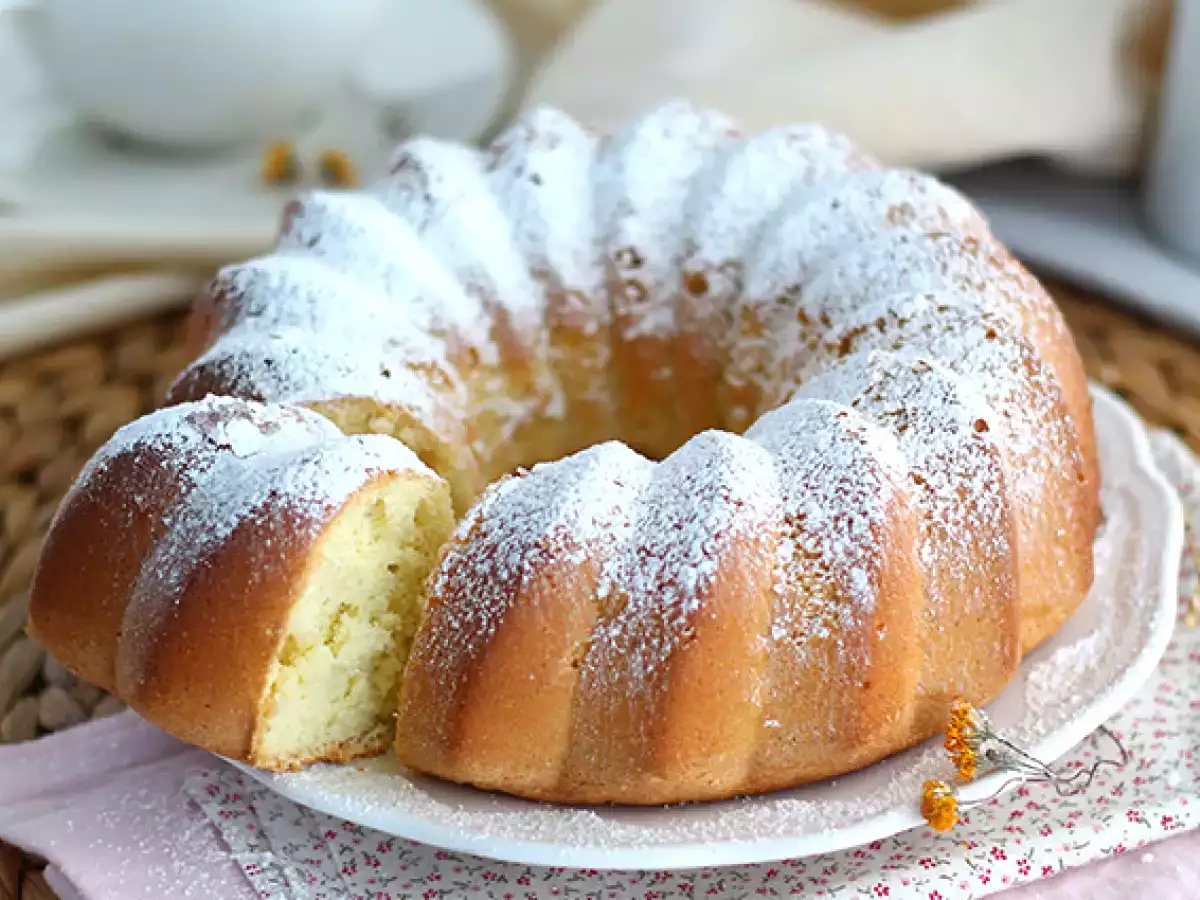
For a light and fat-free dessert, let yourself be tempted by our Savoy cake! Also known as "biscuit de Savoie", this extra easy recipe will only require a few ingredients, most certainly already present in your cupboards;-) Let yourself be tempted by...
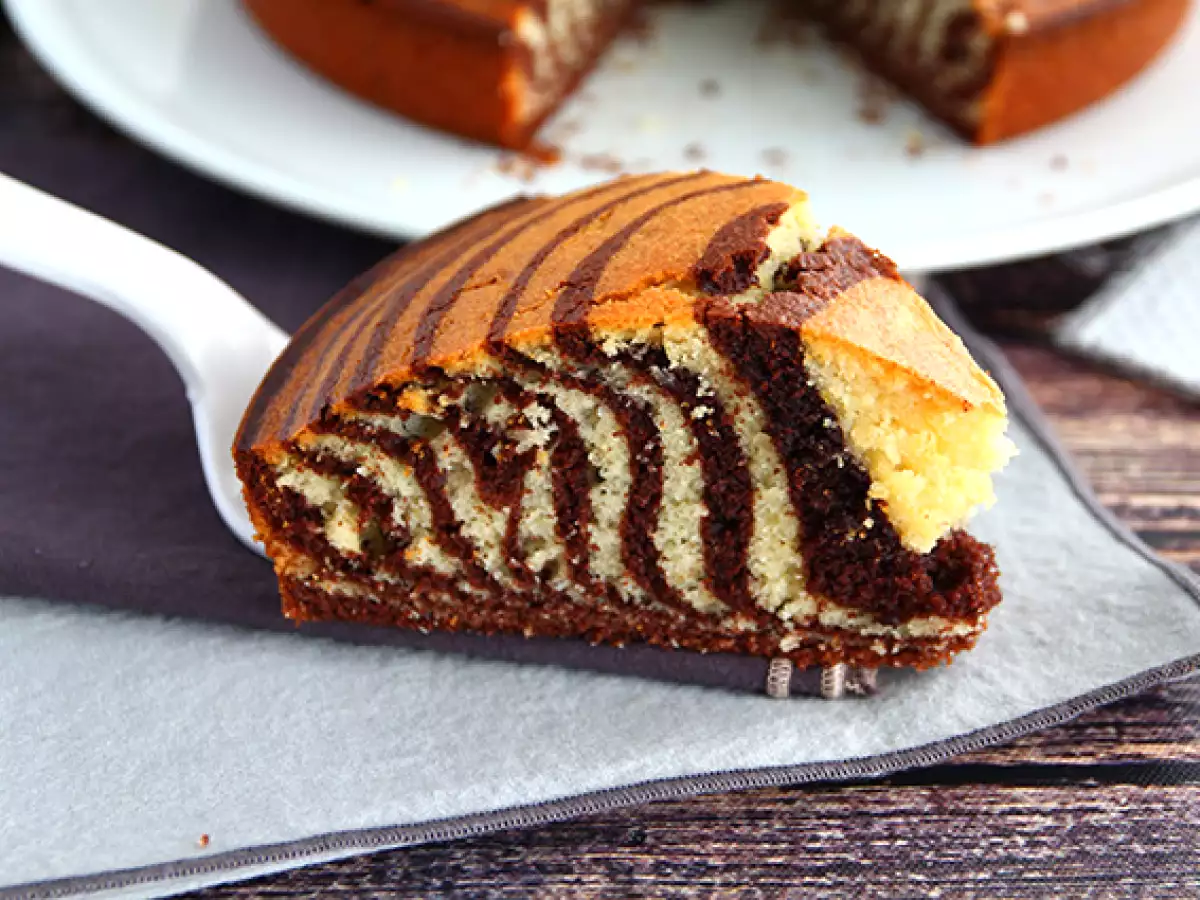
Transform your home into a savannah with this delightful zebra cake. A cousin of the classic vanilla/chocolate marble cake, it boasts a unique presentation and is just as easy to prepare. This recipe is perfect for making with kids for an afternoon...
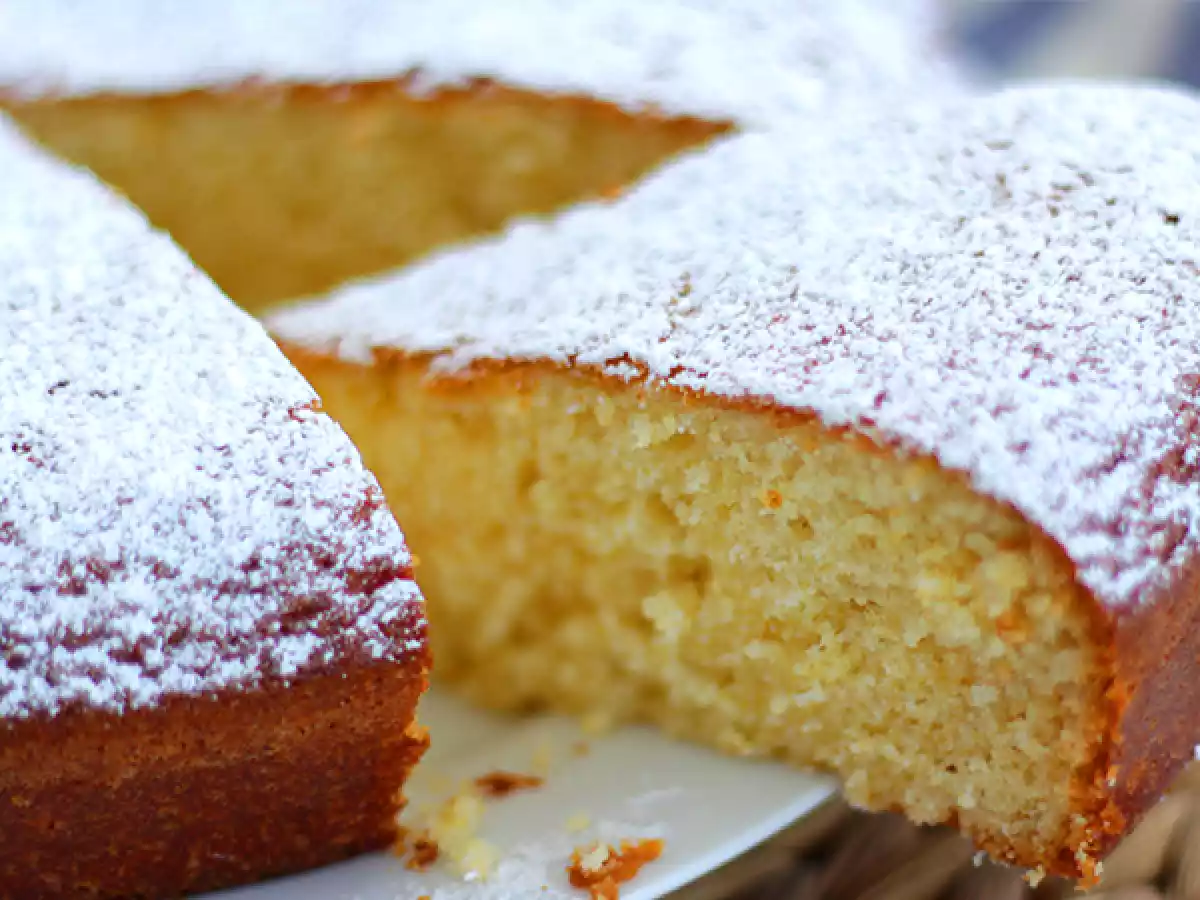
The recipe for plain yogurt cake ! The easy, very soft dessert that everyone has already made, children and adults alike! This traditional French recipe, born in the 1950s, has become a true classic of homemade baking . The empty yogurt pot is used...
Cakes with brown sugar:
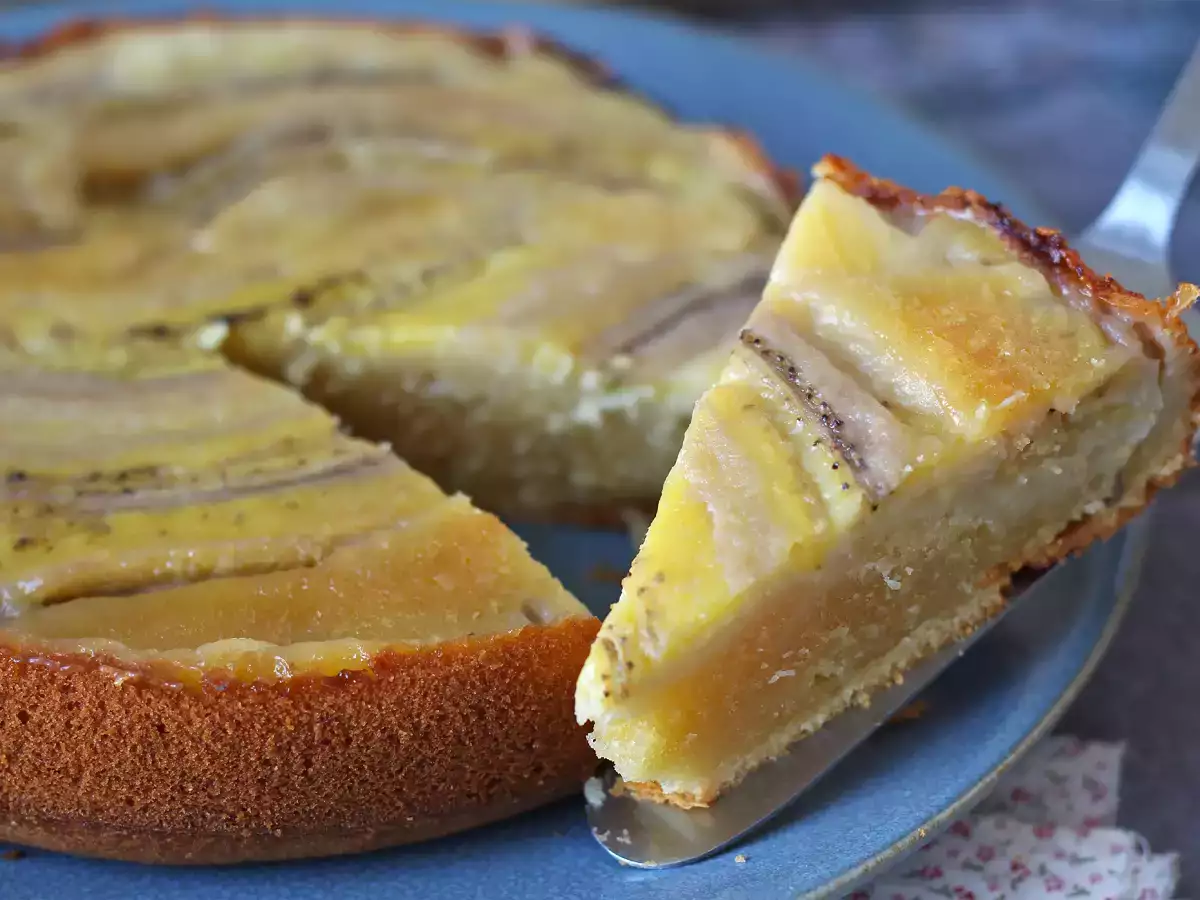
A simple, indulgent dessert and an absolute showstopper ... this banana upside-down cake has everything to make you fall in love with it! When baked, the bananas become deliciously soft and lightly caramelized , while the cake remains incredibly...
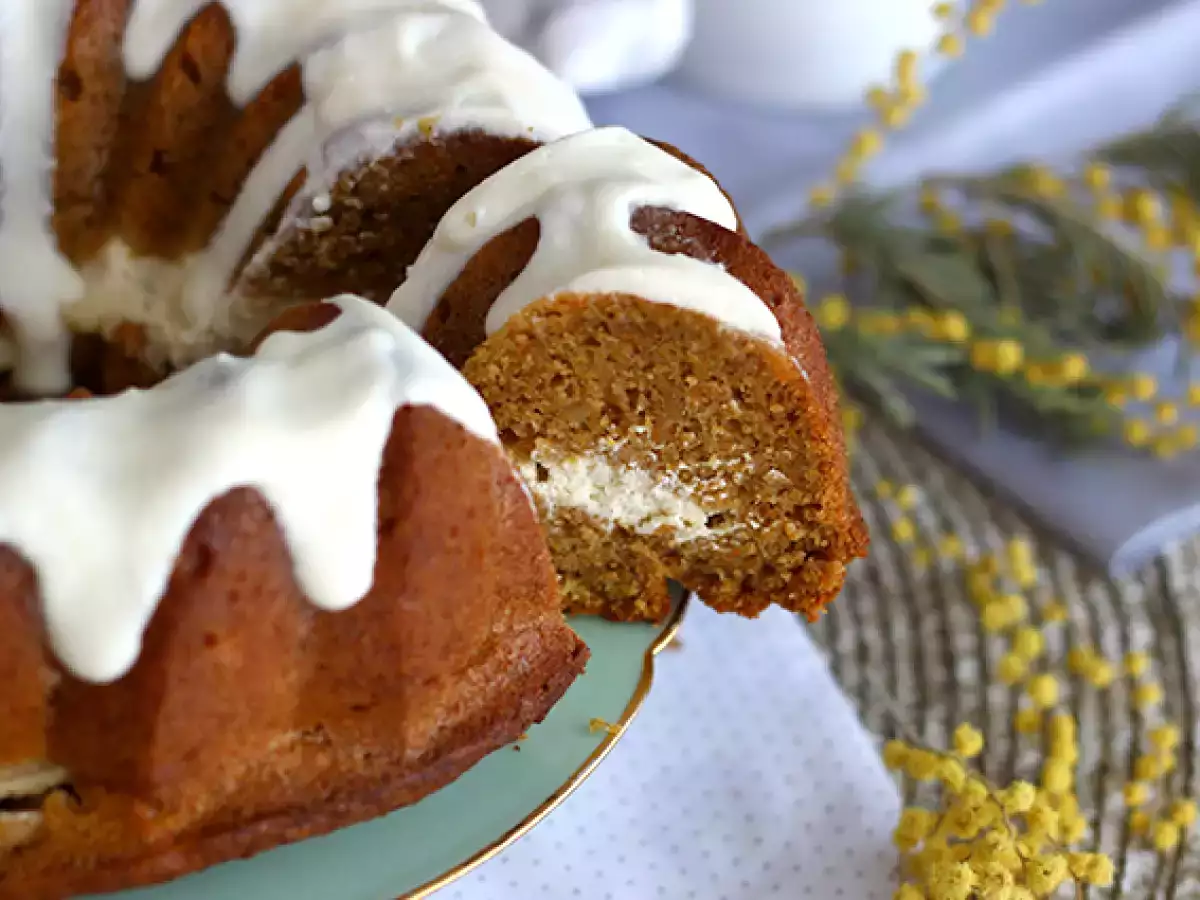
If you love carrot cake and are a cheesecake fan, you’ll love this sweet fusion! :) It’s perfect for ending a meal with family or friends, or simply treating yourself to a delicious snack. It’s very easy to make. Want to give it a try?
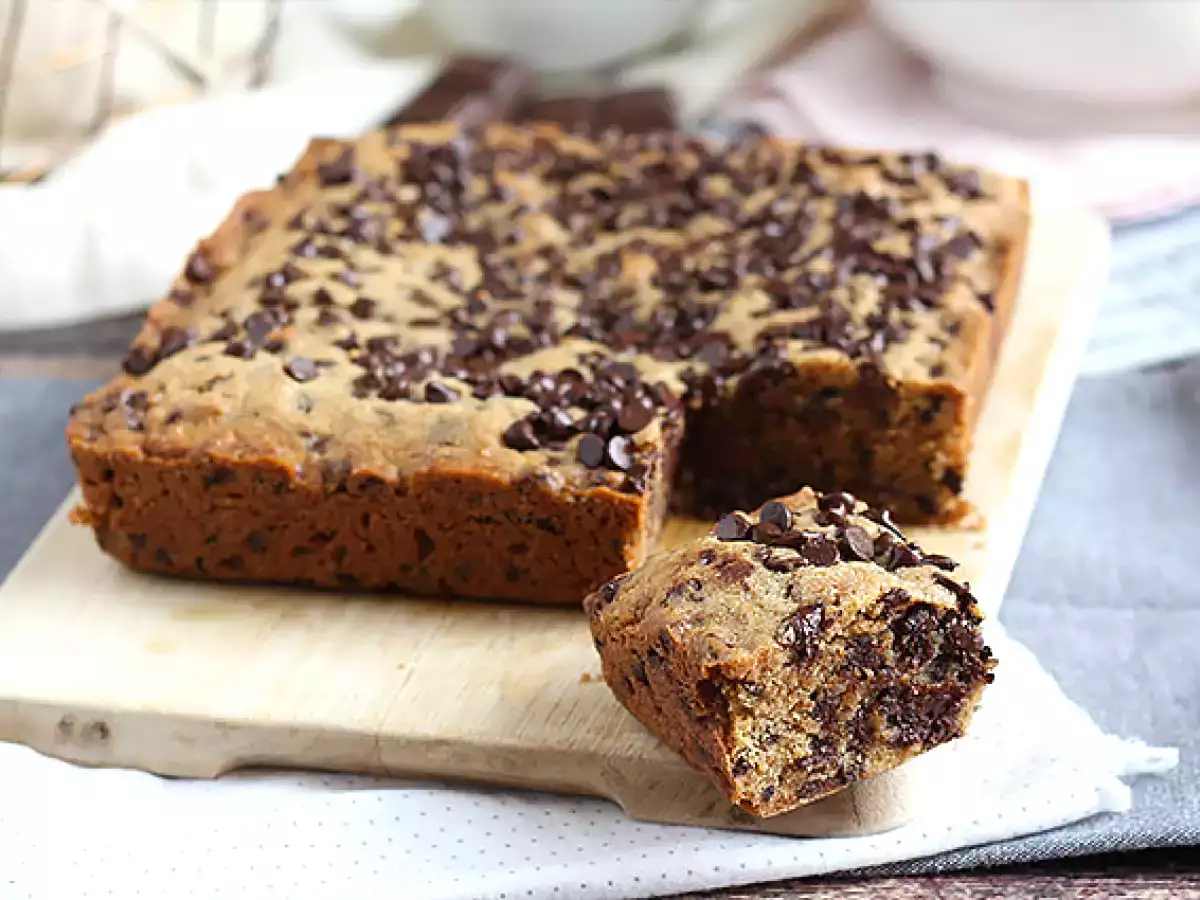
When we're torn between cake and cookies... We combine the two and enjoy them for dessert :-D Feel free to save a piece for a snack, along with a glass of fresh milk ;-) Follow the step-by-step instructions below and enjoy!
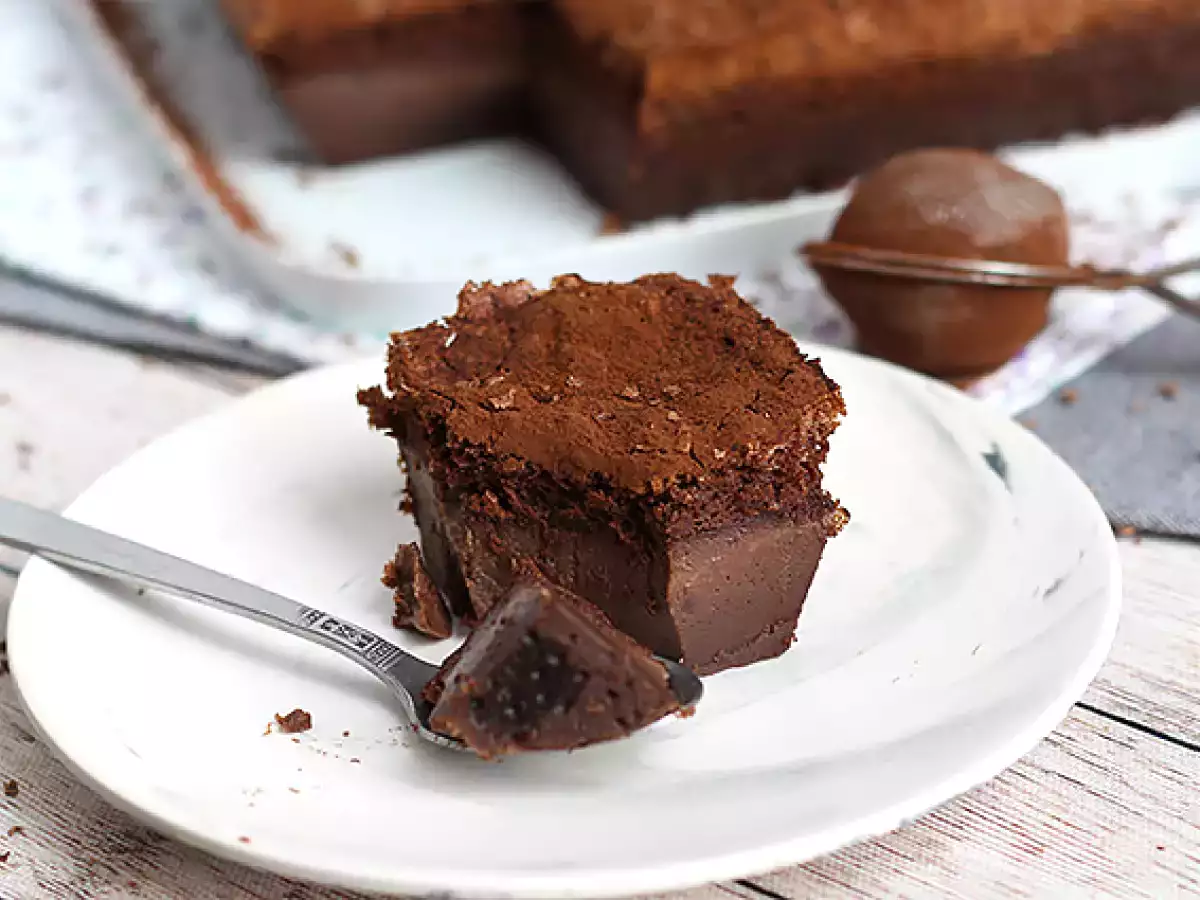
Yes, you read that right: this cake is magical! Why? Because with just one batter and a trip to the oven, you'll get a dessert with three textures: flan, custard, and sponge cake! Discover the secret to this recipe in our step-by-step instructions...
 Patricia González
Comments