How to snack at night without sabotaging sleep: simple evening habits to treat yourself tonight
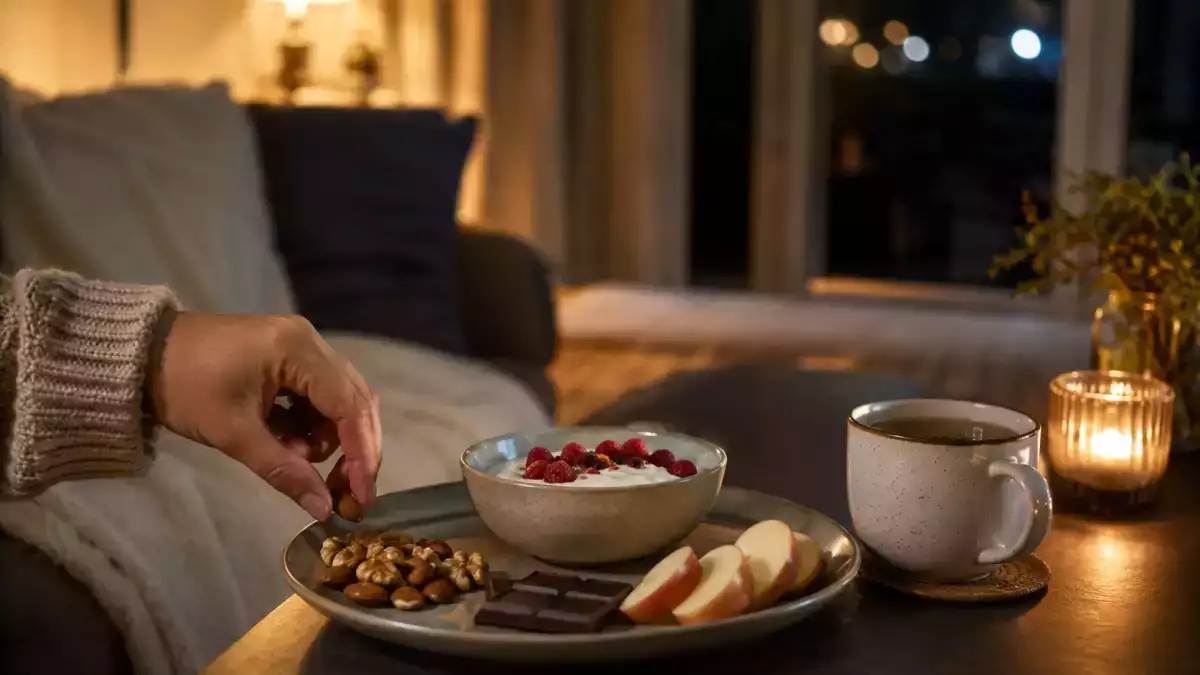
There are some evenings when dinner seems like a distant memory… even though we ate just two hours ago.
You start watching a show, walk past the kitchen, open the cupboard “just to take a look,” and suddenly, that package of cookies or chips is calling out to you :)
Don’t worry: feeling hungry in the evening happens. And having a little snack every now and then isn’t a big deal. The real issue is mindless snacking, the kind we do every night without actually being hungry, often with foods that are very sweet, very fatty, or very salty.
That’s because the body doesn’t always process food the same way depending on the time of day. Johns Hopkins Medicine explains that disrupting the rhythm between eating, fasting, sleeping, and waking can alter how the body uses calories, sugars, and fats.
So, how can you treat yourself without ending up with a heavy sleep, digestive discomfort, or an even stronger urge to snack? Here are some helpful tips.
Ask yourself if it's real hunger
Before you start preparing a meal, ask yourself one simple question: Am I really hungry?
If your stomach is growling, if dinner was light, or if you ate very early, a small snack might be a good idea. On the other hand, if you’re mainly looking for something to munch on while watching TV (whether out of tiredness or habit) it might not be real hunger.
In that case, try having some herbal tea, a large glass of water, or even a little end-of-day ritual: brush your teeth, prepare tomorrow’s breakfast, or tidy up the kitchen. Sometimes, the craving goes away as quickly as it came ;)
Go for a small portion, not a second dinner
Evening snacking becomes especially problematic when it turns into an extra meal.
A slice of bread with a little cream cheese, plain yogurt with some fruit, a handful of nuts, or vegetable sticks with hummus: all fine. The whole bag of chips sitting on the couch: more risky.
The best approach is to serve yourself a portion in a bowl or on a small plate, then put the rest away. Yes, it’s simple, but it prevents you from mindlessly snacking for 45 minutes without even realizing it.
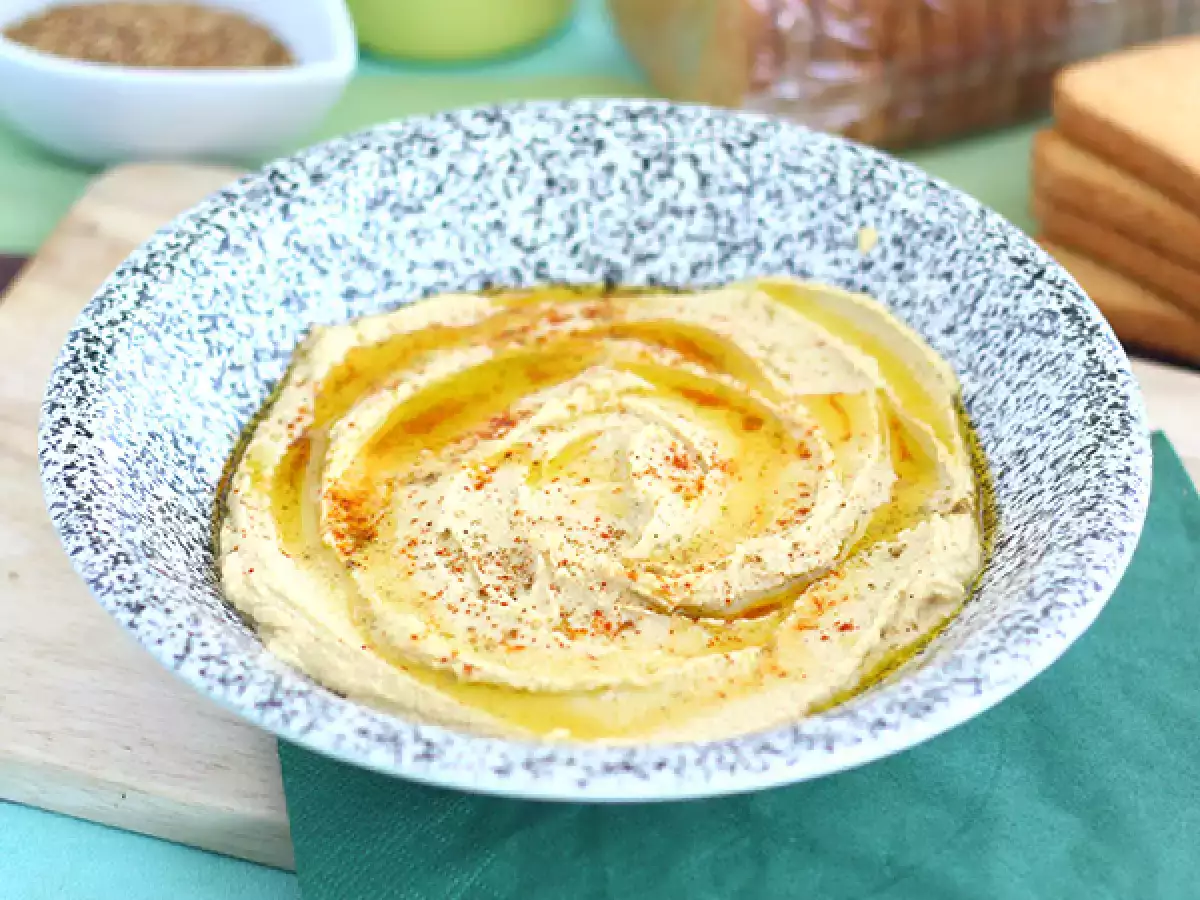
Chickpeas are on the menu today! Enjoy this recipe as a starter or an appetizer, served with pita bread, toast, or crudités ;-)
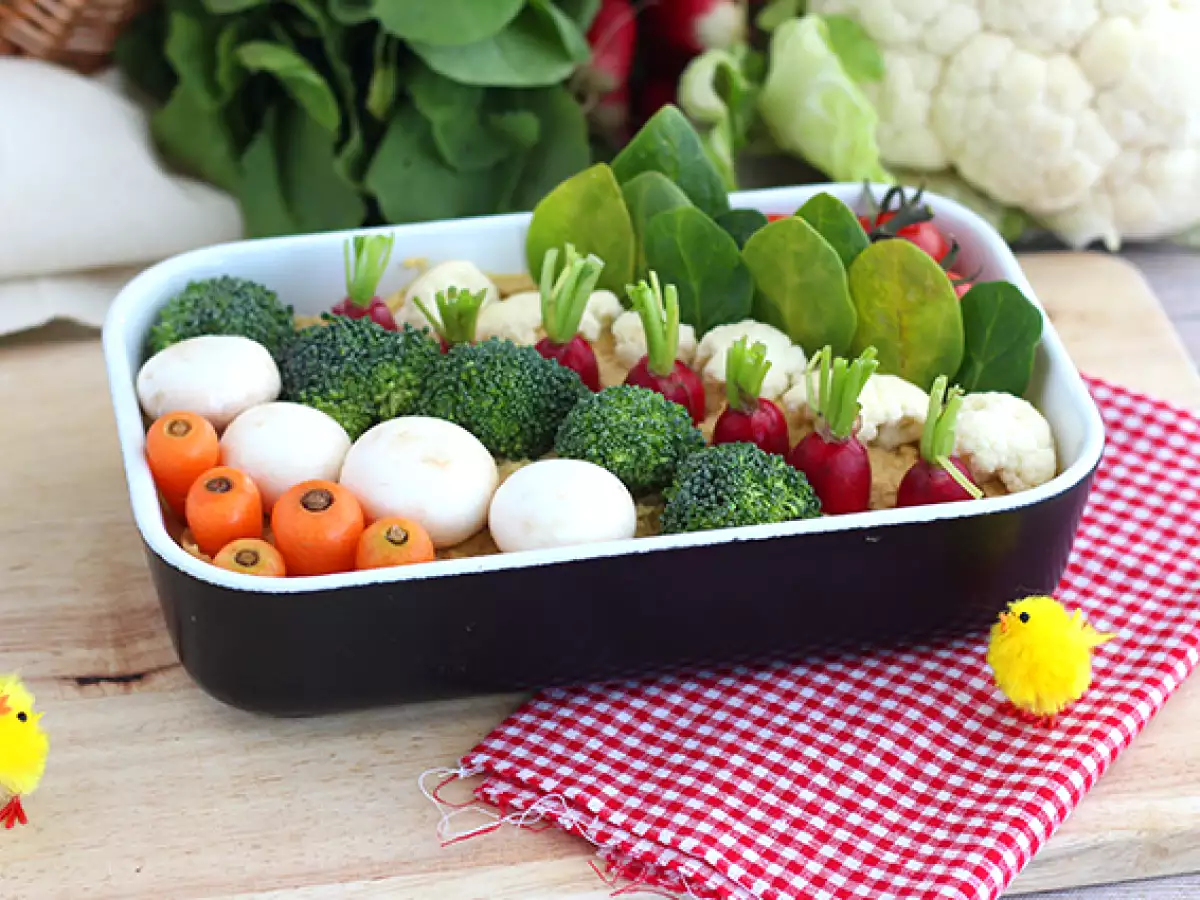
For your Easter appetizer, a beautiful edible spring garden graces your table! A base of hummus represents fertile soil, showcasing a variety of crunchy vegetables! An original way to get everyone to eat their veggies ;-) Plus, this recipe is...
Choose the winning combination: protein + fiber
For a snack that really satisfies your hunger, think “protein + fiber.”
Protein helps you feel full, and fiber also keeps you satisfied longer. We especially recommend choosing foods like eggs, legumes, nuts, seeds, dairy products with no added sugar, fruits, vegetables, and whole grains.
In practice, this translates to some very simple ideas: plain yogurt with fruit, whole-grain toast with cream cheese, an apple with almond butter, hummus with raw vegetables, roasted chickpeas, or even a small bowl of homemade granola with milk or cottage cheese.
The goal isn’t to make a “perfect” snack, but one that keeps you from getting hungry again ten minutes later.
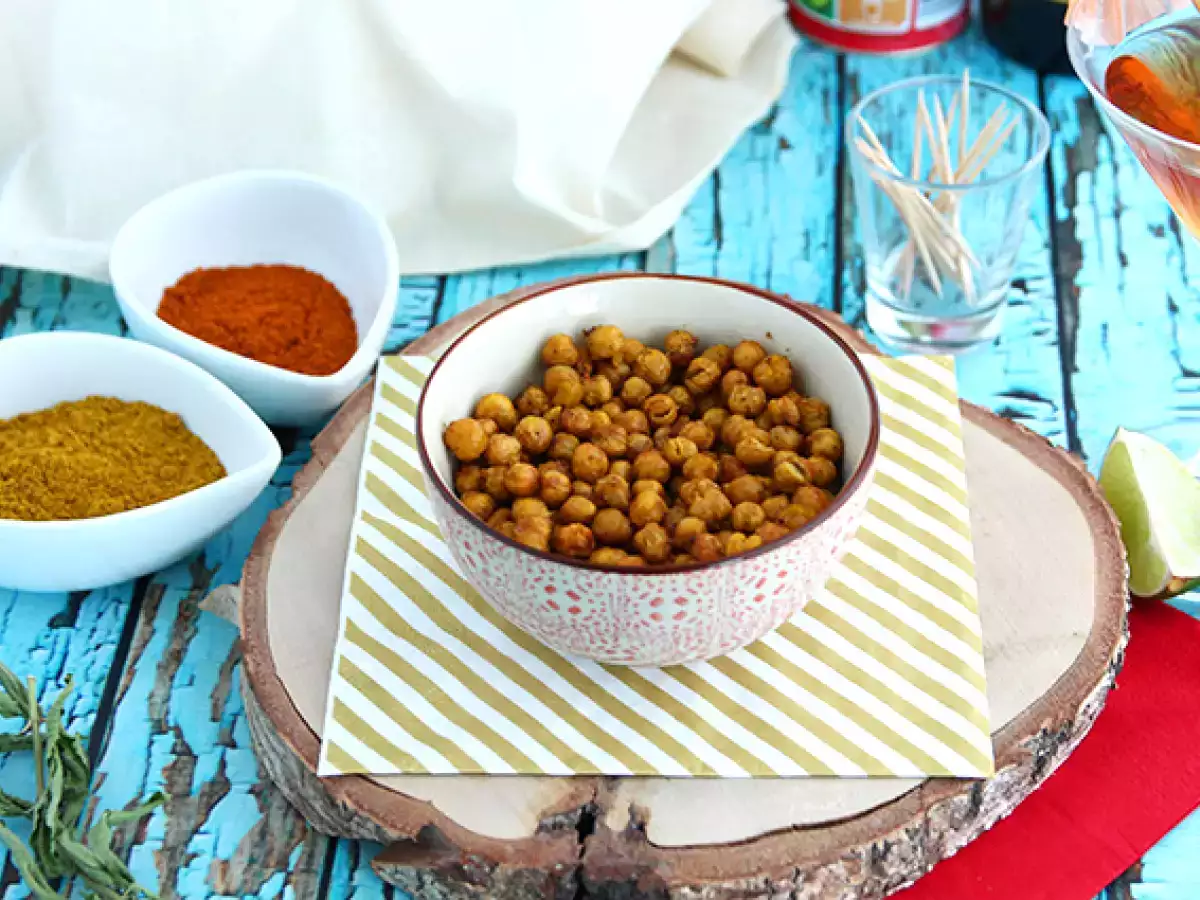
Tired of store-bought chips and overly salty peanuts for appetizers? Try our oven-roasted chickpeas flavored with curry! This super-easy recipe will give you little bites that are crispy on the outside and tender on the inside. A great source of...
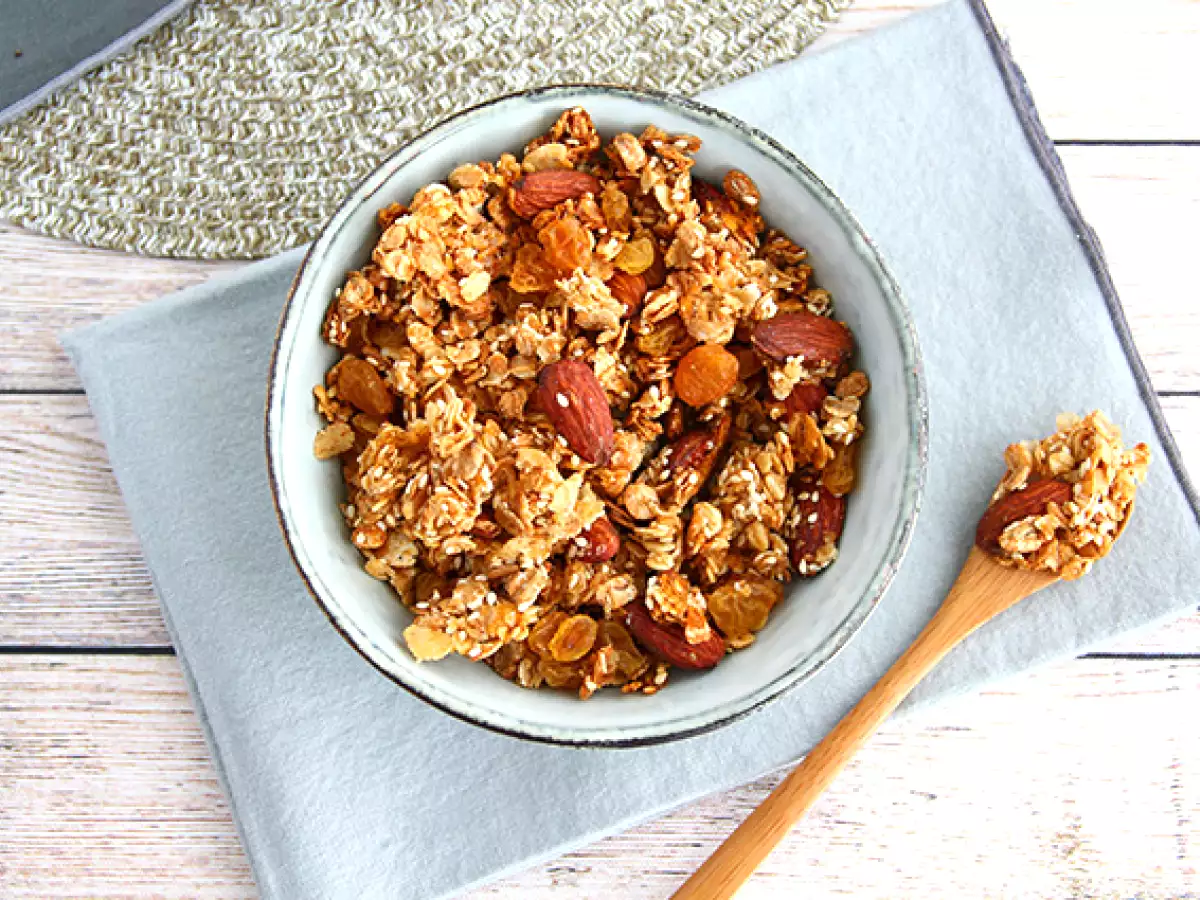
To start the day full of energy, enjoy this easy homemade muesli for breakfast. It's also perfect for a snack, helping you recharge before a workout! Add your favorite ingredients and vary the flavors :-) Nuts, dried fruit, chocolate, coconut flakes......
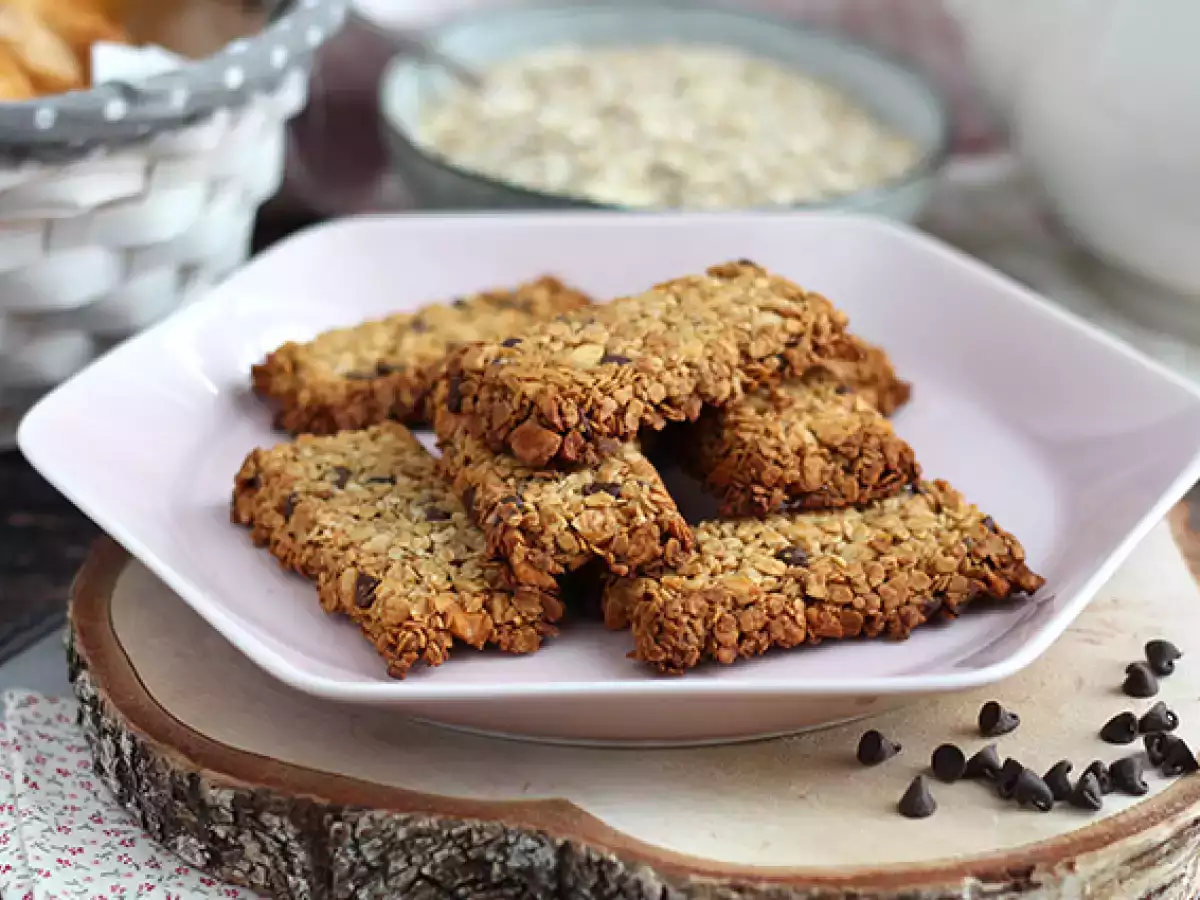
Enjoy these easy and crunchy cereal bars for a snack or just before a workout. They combine rolled oats, chocolate, peanut butter, and almonds. Can you imagine the taste? Mouthwatering... Get started on making this easy and vegan snack! You can even...
Avoid eating snacks that are too sweet right before bed
A cookie, a square of chocolate, or a little treat; of course, that can be a pleasure. But if your evening snack is very sweet every day, it can quickly become a habit that’s hard to break.
Highly sugary foods often make you want to reach for more, especially when you eat them without actually being hungry. And when it comes to sleep, it’s not always ideal either: you want to avoid heavy digestion or that little energy spike just when your body should be winding down.
A study from Harvard Medical School showed that eating later in the day can increase hunger, reduce energy expenditure, and influence certain mechanisms related to fat storage.
Our tip: If you’re craving something sweet, pair it with something filling. For example, fruit with yogurt, a few dates with nuts, or a small homemade bar instead of opening a package while watching a show.
Plan your options in advance
In the evening, when you're tired, you don't necessarily want to go through a lot of trouble preparing a meal. That's often when you just grab whatever's quickest.
So you might as well make the healthy options easy to choose :)
Keep washed fruit, pre-cut raw veggies, a small jar of hummus, hard-boiled eggs, plain yogurt, sugar-free fruit compote, or a few homemade bars in the fridge. That way, if you get hungry, there’s already something ready to eat.
And if you like something crunchy, try roasted chickpeas, apple chips, or small portions of dried fruit. It’s much easier to manage when everything is already portioned out.
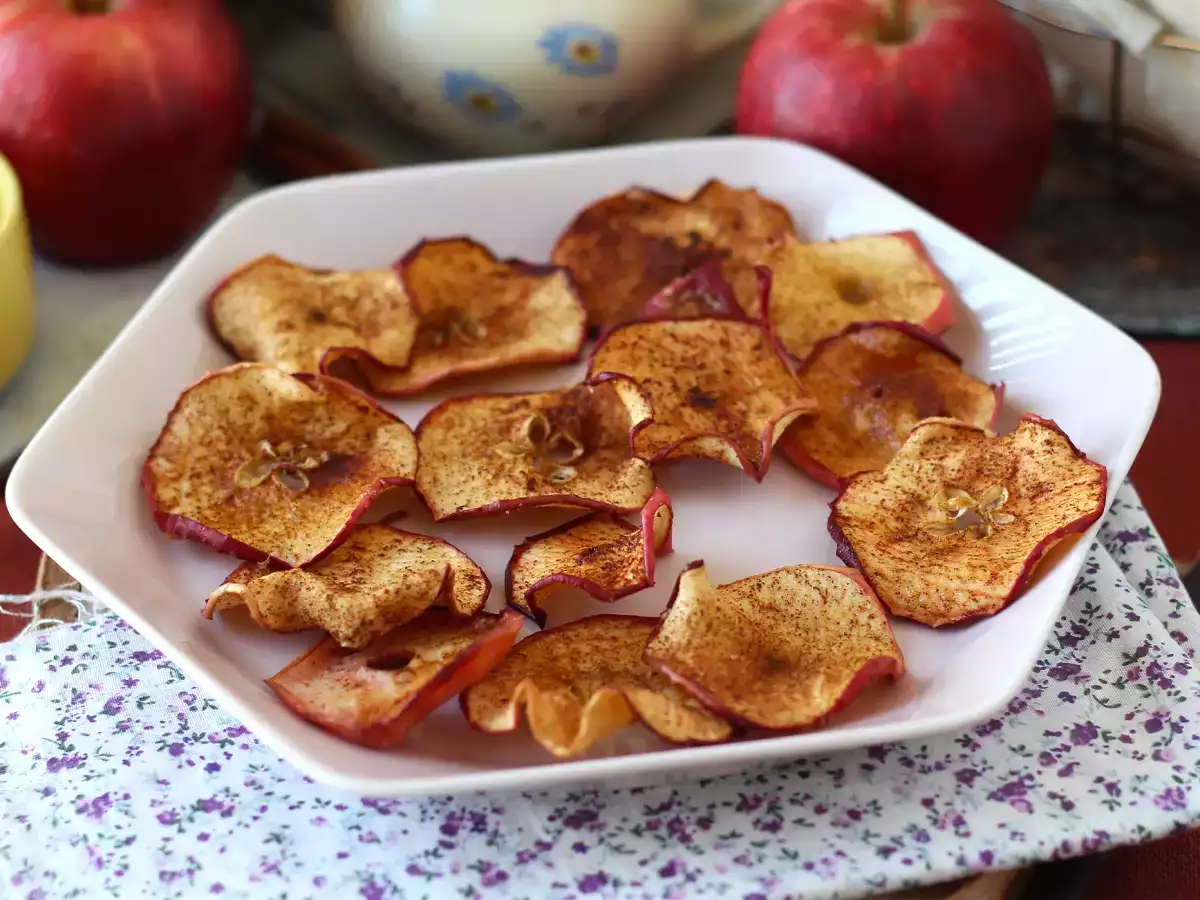
For a healthy and delicious snack , opt for cinnamon apple chips in the air fryer! :-) Crispy and not too sweet, these chips are absolutely perfect for a healthy snack , thanks to air-frying, which requires very little fat. You can also enjoy them...
Adjust your dinner if you get hungry every night
If you’re hungry at the same time every night, snacking might not be the problem. It might be dinner.
A meal that’s too light (lacking in carbohydrates or protein, or simply not filling enough) can leave you genuinely hungry a few hours later. In that case, it’s better to improve your dinner rather than struggle in front of the pantry every night.
A plate with vegetables, a source of protein, a starchy food, and a little high-quality fat will often be more satisfying. And sometimes, simply adding rice, whole-grain bread, lentils, or an egg can make all the difference.
So, are we going to snack or not?
Ultimately, evening snacking isn’t off-limits. What matters is knowing why you’re eating, how much you’re eating, and what you choose to eat.
If you’re genuinely hungry, go for a small, simple snack with fiber and/or protein. If it’s just an automatic craving, try changing your evening routine instead. And if it happens every day, take a closer look at your dinner.
The most important thing is to enjoy your food without falling into the trap of snacking that leaves you feeling more tired than comforted.
Now that you know all this, all that’s left is to stock the fridge with some healthy options… and save the chips for when you’re actually hungry, not for those end-of-day habits ;)
 Adèle Peyches
Comments